
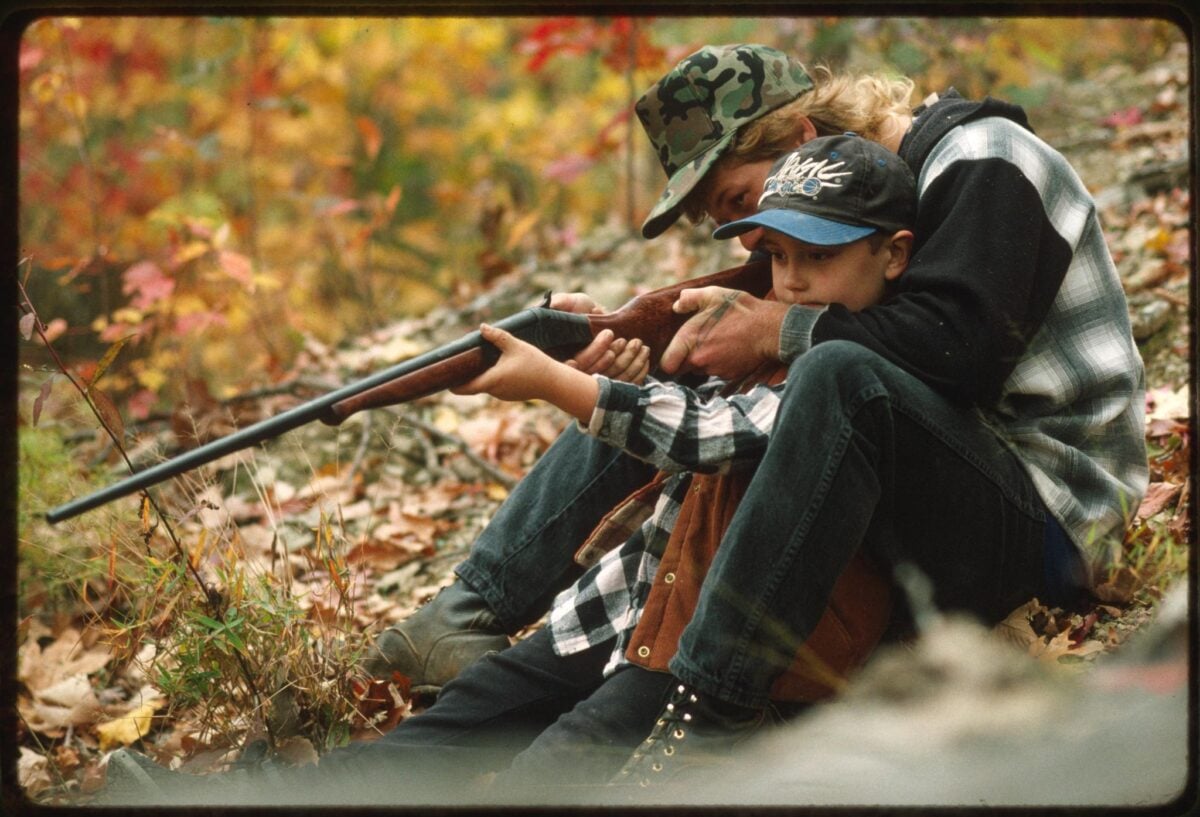
SOUTH CHARLESTON, W.Va. — A hunting tradition that has introduced generations of West Virginians to the woods returns Saturday when the state’s regular squirrel season opens for nearly six months.
The statewide season opens Sept. 12 and runs through Feb. 28, 2027, according to Brett McMillion, director of the W.Va. Division of Natural Resources. The daily bag limit is six squirrels, the possession limit is 24, and there is no season limit.
“Squirrel hunting is a long-standing tradition in West Virginia and is how many hunters are introduced to the sport,” McMillion said in announcing the season.
“We encourage folks to give squirrel hunting a try or use it as practice for an upcoming season. It’s a great time to be outdoors in West Virginia.”
The tradition runs deep in the state’s history. Oral histories collected from communities in and around today’s New River Gorge National Park and Preserve document residents hunting squirrels and other small game for food, while wildlife records show that animals now closely associated with West Virginia hunting were once far less abundant.
Oral histories recall squirrel hunting when deer were scarce
White-tailed deer, now one of West Virginia’s most prominent game animals, had become scarce by the beginning of the 20th century.
According to writer Thomas J. Allen in the West Virginia Encyclopedia, unrestricted market hunting and extensive timber cutting from 1880 to 1910 contributed to the decline. By 1910, the state’s deer population had fallen to an estimated 1,000 animals.
That year, West Virginia established its first deer season, restricting the harvest to bucks. Restocking, hunting restrictions, law enforcement, and wildlife management subsequently helped deer spread again throughout the state.
Oral histories collected by the park service offer a glimpse into life when deer remained uncommon in parts of southern West Virginia.
Former residents of communities in the New River Gorge recalled hunting squirrels, rabbits, turkeys, grouse, and quail. In one interview, resident Georgia Bragg, of Glade, specifically remembered the absence of deer.
“I don’t think that anybody down in there did hunt for deer then,” Bragg recalled.
Her husband, Everett Bragg, agreed, saying he could not remember deer being present then and that they appeared later, after the area was stocked.
Other oral histories document the importance of small game on family tables. Wanda Sorrell, née Wanda Pittman, born in Brooklyn, West Virginia, in 1954, recalled that her family generally ate meat only on Sundays unless her brothers had brought home rabbit, squirrel, or fish.
“Generally, we only had meat on Sundays unless the boys had killed rabbit or squirrel or fish,” Sorrell recalled.
The National Park Service describes hunting in the New River Gorge region as more than recreation for many residents, a tradition passed down from generation to generation.
As West Virginia’s populations of larger game animals recovered, squirrel hunting began to occupy a less prominent place in the state’s hunting culture.
State officials have previously said that squirrel hunting declined in popularity as white-tailed deer, black bear, and wild turkey became more plentiful.
Yet its traditional role as an introduction to hunting survived. McMillion said this week that squirrel hunting remains the way many hunters are introduced to the sport.
Acorns and nuts help shape squirrel populations
The fortunes of West Virginia’s squirrels are closely connected to another characteristic of the state’s forests—the production of nuts and other wildlife foods collectively known as mast.
State biologists say mast production during one year is the primary influence on squirrel populations the following year.
Abundant mast can leave squirrels in better physical condition entering the spring breeding season, while the availability and location of nuts during hunting season can influence where squirrels are found, according to state hunting outlooks.
Hickory, beech, walnut, and oak are among the mast-producing trees identified by wildlife officials as important to squirrels.
The relationship is important enough that West Virginia wildlife officials conduct an annual mast survey to measure the abundance of foods produced by trees and shrubs across the state. They use the results to help forecast hunting conditions for squirrels and other wildlife.
The state advises squirrel hunters to look for productive mast areas. Early in the season, the agency recommends concentrating around hickories. As autumn advances, oak stands can become increasingly important as squirrels feed on acorns.
Nearly six months to hunt squirrel
West Virginia’s squirrel season also differs from many of the state’s better-known hunting seasons in length. From Sept. 12 through Feb. 28, hunters have nearly six months to pursue squirrels.
The state promotes squirrel hunting as particularly accessible to beginning hunters. Its guide for newcomers says the activity does not require expensive equipment or extensive experience and describes squirrels as active and abundant throughout West Virginia.
The state also provides extensive public hunting opportunities. State officials say nearly 1.5 million acres of public hunting land are available, including wildlife management areas and state and national forest lands.
For hunters, the long season also provides repeated opportunities to learn how squirrels use West Virginia’s hardwood forests as available food changes from early fall through winter.
What hunters need to know
West Virginia’s regular squirrel season opens statewide Saturday, Sept. 12, and continues through Feb. 28, 2027. The daily bag limit is six squirrels. Hunters may possess up to 24, and there is no season limit.

General state hunting regulations and licensing requirements apply. State officials encourage hunters to review current regulations, including requirements that may apply when squirrel season overlaps other hunting seasons, before going afield.
The state’s online hunting and fishing licensing system offers licenses.
For West Virginians heading into the woods Saturday, the season continues a hunting tradition documented in the state’s mountain communities generations ago—one that survived even as the wildlife and hunting culture around it changed.