
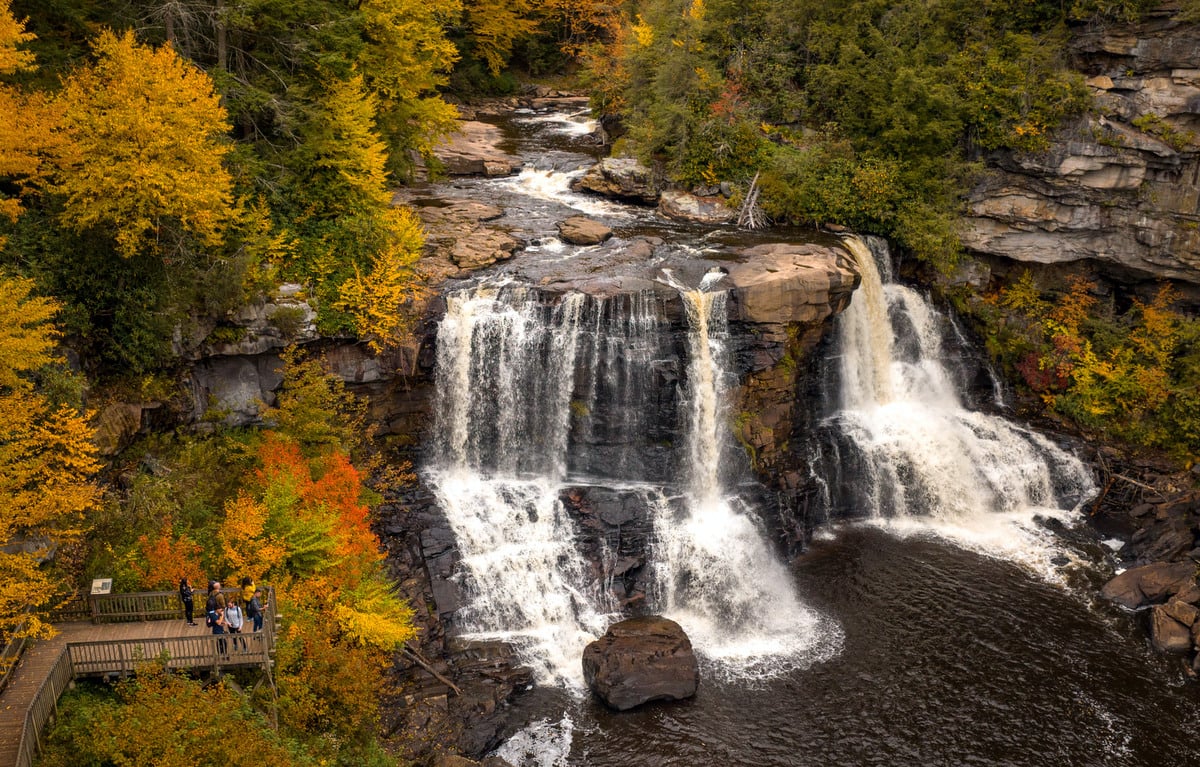
SNOWSHOE, W.Va. — With overnight temperatures dipping into the 30s across the high elevations of the Allegheny Mountains, West Virginia’s fall foliage season has reached its pivotal moment.
For autumn leaf-peepers, cold nights are a double-edged sword. A light frost acts as a botanical supercharger. As temperatures drop toward freezing, trees seal off the veins leading to their leaves, trapping sugars produced during sunny autumn days.
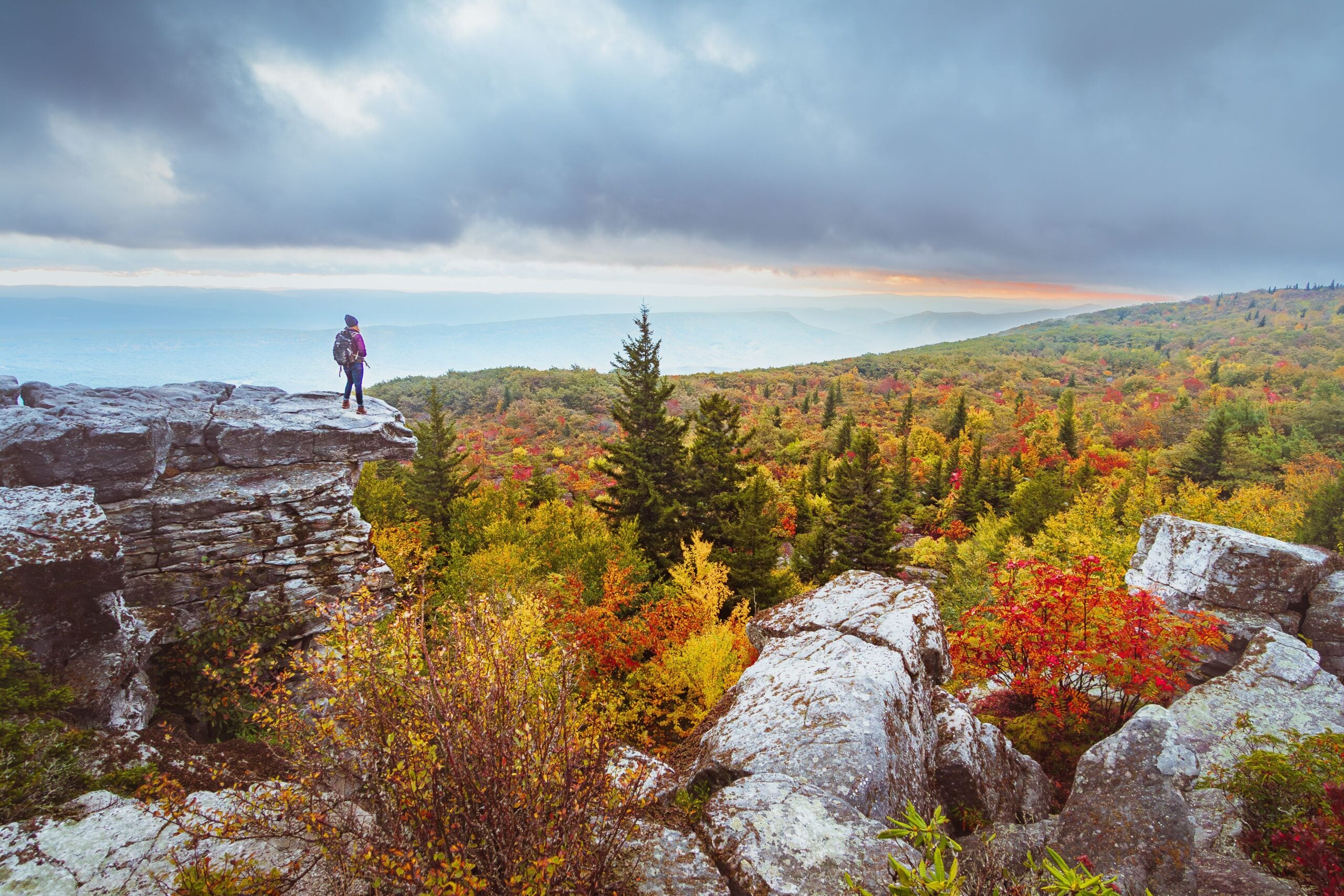
The chemical shift triggers the rapid production of anthocyanins—the bright pigments responsible for vivid scarlets, purples, and deep reds—while unmasking the gold and orange carotenoids already present in the canopy.
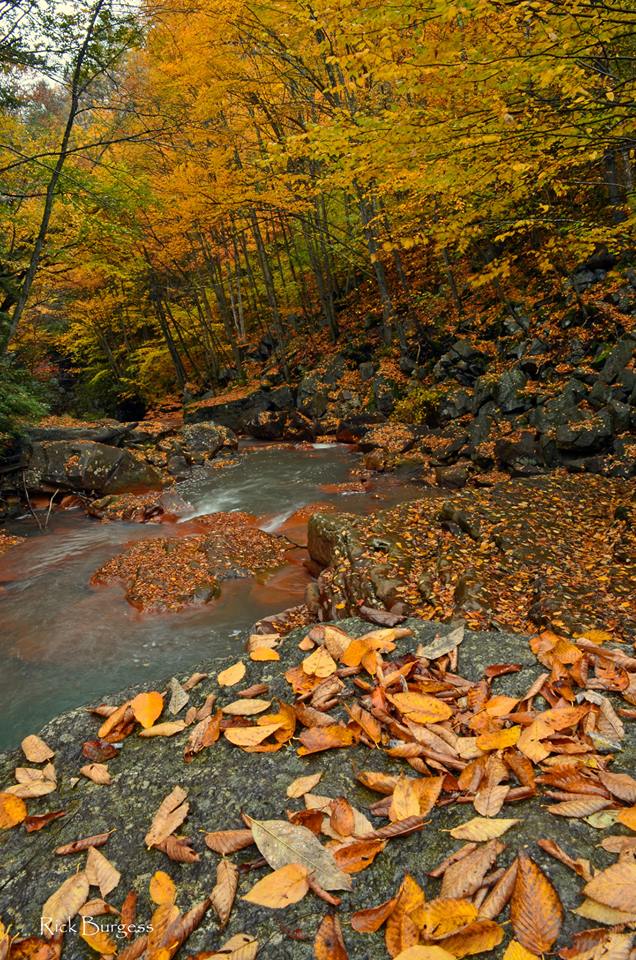
However, timing is everything. While crisp, near-freezing nights pop colors into peak brilliance, prolonged hard freezes below 28°F rupture leaf cells, turning vibrant foliage brown and causing premature leaf drop.
For regional tourism directors, these chilly nights mark the official start of the rush from travelers coming from feeder markets in Washington, D.C., Pittsburgh, Columbus, and across the mid-Atlantic.
High elevation hits peak first
In the northern Alleghenies, the color shift is already in full swing due to early cold snaps.
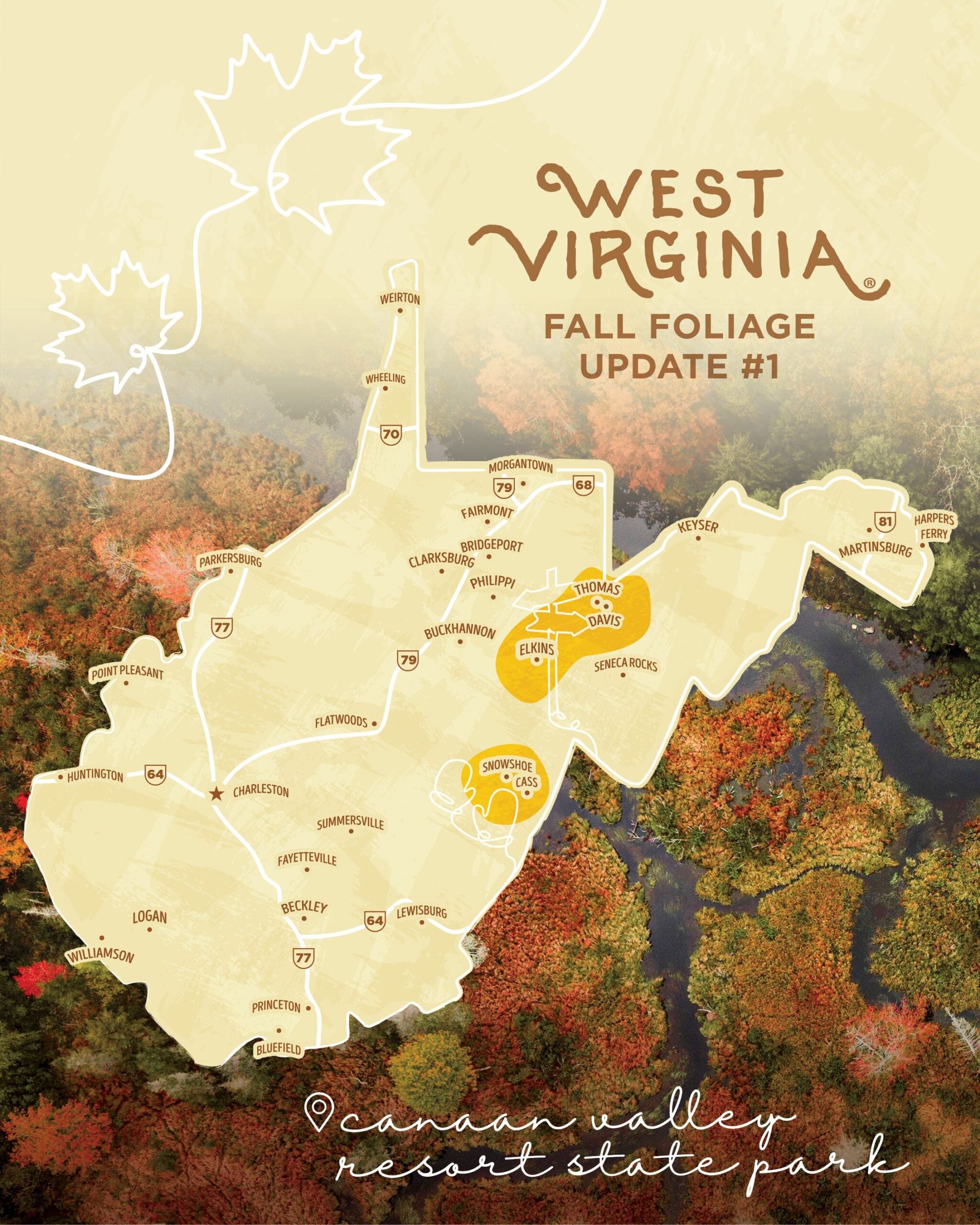
“We are at peak,” says Jessica Waldo, executive director of the Tucker County Convention and Visitors Bureau. “Just this past week, we’ve seen the full color change in two to three days. It was very quick!”
Waldo notes that visitors planning a trip to high-country destinations like Davis, Thomas, and Canaan Valley should act fast, though lower elevations offer a slightly longer window.

“Blackwater Falls is always on the list, but the canyon below changes later because you’re looking down at lower elevations,” Waldo explains, noting that lower-lying areas like Parsons—the Tucker County seat—typically trail the mountain peaks by about a week.
To take in the canopy before the leaves fall, Waldo recommends getting elevated: “Canaan Valley Resort runs their scenic chairlift ride, which is always a great way to see fall foliage on the weekends, or hitting up horseback riding at Mountain Trails.”
Mid-mountain regions gear up for peak
Further south along the Allegheny spine in Pocahontas County—home to Snowshoe Mountain, the Cass Scenic Railroad, and the Highland Scenic Highway—foliage is just entering its prime after recent cold nights.
“It is setting in a little later than it normally does here,” says Trisha Barb, brand relations specialist for the Pocahontas County Convention and Visitors Bureau, “but we are starting to see spurts of color peeking through—reds and oranges on the scenic highway and up near Cass and Snowshoe at those higher elevations.”
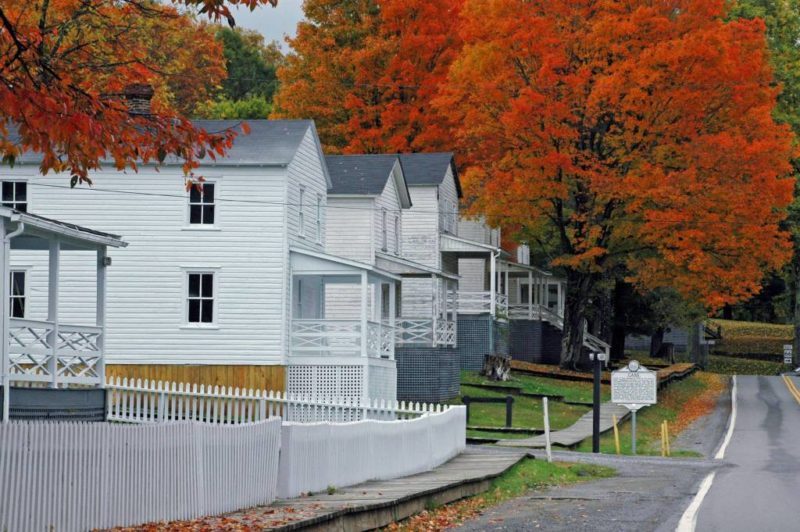
With overnight lows dropping into the mid-30s, Barb expects peak color to sweep through the county over the next week to ten days.
For out-of-state travelers making the three- to six-hour drive into the mountains, Barb emphasizes that advanced planning is crucial—especially for popular autumn attractions.
“If people want to do the Cass Scenic Railroad train rides, which are fabulous in the fall, most definitely book those tickets as early as possible because they fill up quickly,” Barb says.
Tips for long-distance travelers
For drivers making a multi-hour trek to catch the color window, both tourism bureaus offer clear advice:
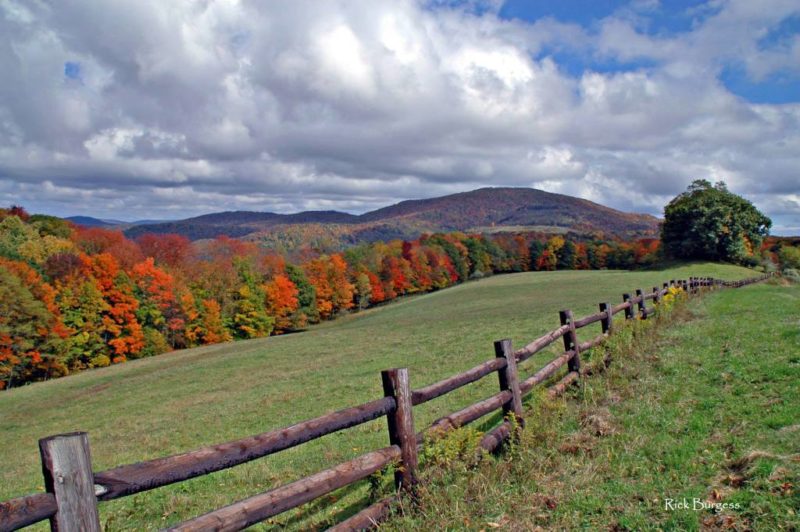
Plan for a Two-Night Stay: Larger mountain counties require time to navigate. “Day trips are great for scenic views, but if you really want to take in all that the county offers, an overnight trip is most definitely worth it,” Barb advises, pointing out that driving from one end of Pocahontas County to the other takes considerable time.
Explore Scenic Backroads: Beyond major thoroughfares, Barb highlights Route 66 between Cass and Snowshoe Mountain, as well as driving through the Cranberry Wilderness area, as prime foliage routes.
Have a Rain or Freeze Contingency: If weather turns chilly or damp, indoor cultural stops can salvage a trip. Barb recommends checking out the Artisan Co-op Depot in Marlinton, exploring local history at the new museum in Durbin, or stopping by the Green Bank Observatory (open Thursday through Monday during fall hours).
Orient Yourself at the Base: Long-distance drivers heading up to Snowshoe can stop at the Linwood Center at the base of the mountain for visitor information, satellite bureau assistance, and an indoor farmer’s market before heading up the ridge.
With cold nights locked in across the high ridges, the window for catching peak mountain color is open, but travelers should set their sights on the highlands soon before autumn’s chilly breeze brings the canopy down.