
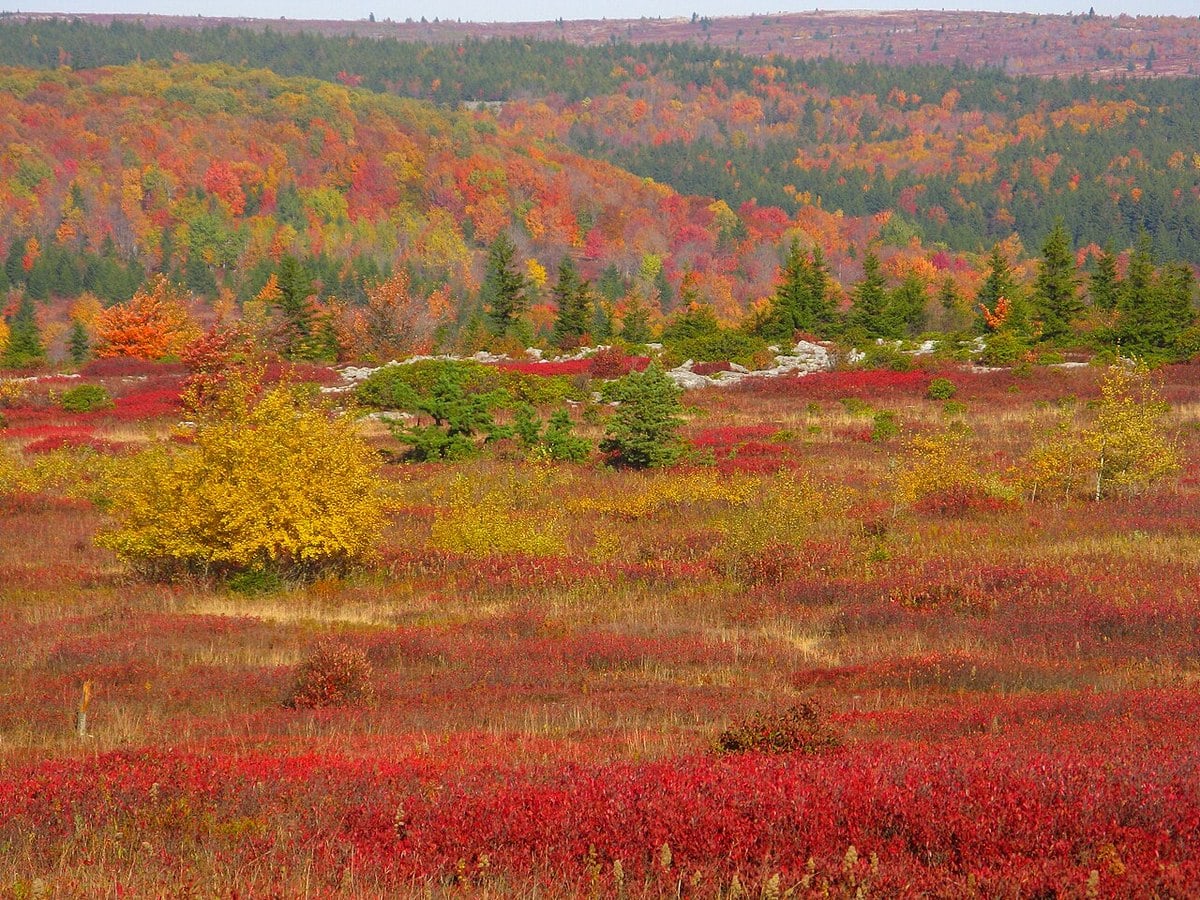
CHARLESTON, W.Va. — West Virginia’s 2026 fall foliage season should begin in the highest Allegheny Mountains in late September, spread through much of the state during October, and linger into late October or early November in some of the lowest valleys.

For travelers trying to catch peak color, elevation matters as much as the calendar. Autumn generally arrives first around Dolly Sods, Canaan Valley, Spruce Knob, and the state’s other high-elevation landscapes, then works progressively into the New River Gorge, Greenbrier Valley, and lower mountain and river valleys.

Based on historical timing and conditions known so far in 2026, travelers can use the following windows as a planning guide. Exact peak dates can shift with September and October temperatures, rainfall, wind, and elevation.
Read also: Cold nights have come to the W.Va. mountains. Here’s what it means for fall color
West Virginia fall foliage peak dates for 2026
| Area | Expected peak window |
|---|---|
| Dolly Sods, Spruce Knob, Canaan Valley, highest Alleghenies | Late September–early October |
| Blackwater Falls, Davis, Snowshoe, Highland Scenic Highway | Early–mid October |
| Greenbrier Valley, central mountains, Coopers Rock | Mid-October |
| New River Gorge, Babcock, Fayetteville | Mid–late October |
| Charleston and lower Kanawha Valley | Late October |
| Harpers Ferry, Berkeley Springs, lower Eastern Panhandle | Late October |
| Lowest river valleys | Late October–early November |
These are planning windows, not guarantees. West Virginia’s dramatic elevation differences mean peak color can occur at substantially different times even within the same region.
When will fall start in West Virginia in 2026?
Fall officially begins with the autumnal equinox on Sept. 22, 2026, but visible signs of autumn do not arrive everywhere in West Virginia at the same time.
The first substantial fall color generally develops in the state’s highest elevations, where cooler conditions arrive sooner. Travelers may begin seeing changing leaves in the high Alleghenies around late September, while forests at lower elevations typically remain green longer.
For travelers, the start of West Virginia’s fall foliage season is better understood as a progression than a single date. Color generally develops first around Dolly Sods, Canaan Valley, Spruce Knob and other high-elevation areas before advancing into lower mountain and river valleys during October.
Why does peak fall foliage vary across West Virginia?

West Virginia’s 2026 fall foliage should peak at different times depending on elevation, beginning in the highest Allegheny Mountains around late September and early October and progressing through lower elevations during October.
For travelers who can choose only one period, October should again be the heart of West Virginia’s fall foliage season in 2026.
The highest elevations can begin showing substantial color before October arrives. By early October, some of the state’s most famous high-country destinations should be approaching their best displays.
Color then moves progressively downhill. That unusual topography gives West Virginia an advantage for leaf-peepers: travelers who miss peak color in one location can often drive to a different elevation and find a landscape at or near peak.
Late September to early October: Dolly Sods and the highest mountains
Fall arrives earliest in the high Alleghenies, particularly landscapes around Dolly Sods, Canaan Valley, and Spruce Knob.

At elevations exceeding 3,000 and 4,000 feet, cool nights arrive earlier than in surrounding valleys. The heath barrens of Dolly Sods can also turn brilliant shades of crimson before many of the surrounding hardwood forests reach their peak.
Other early-season destinations include Blackwater Falls State Park, Snowshoe Mountain, and high sections of the Highland Scenic Highway.

Travelers hoping to photograph the state’s earliest widespread color should start here.
Early to mid-October: Blackwater Falls and the Allegheny Highlands
By early October, color typically becomes increasingly widespread through the Potomac Highlands and central Alleghenies.
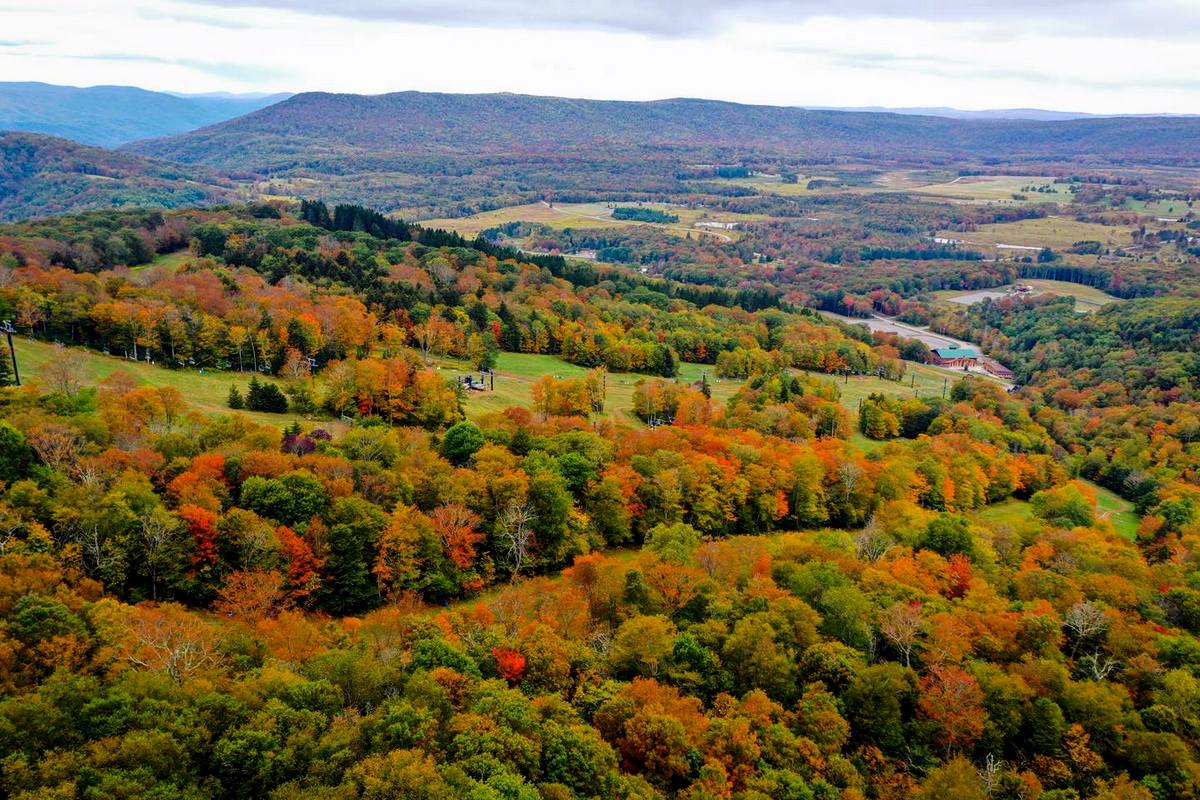
Around Davis and Blackwater Falls, red and sugar maples can turn brilliant red and orange among the darker evergreens.
The Highland Scenic Highway, which crosses some of the highest terrain in the Monongahela National Forest, can be especially useful for foliage travelers because motorists encounter major elevation changes along the route.
Color may be fading at the highest overlooks while forests at lower elevations remain near peak.
Mid-October: Greenbrier Valley and central West Virginia
By mid-October, some of the most reliable color generally shifts toward moderate elevations.
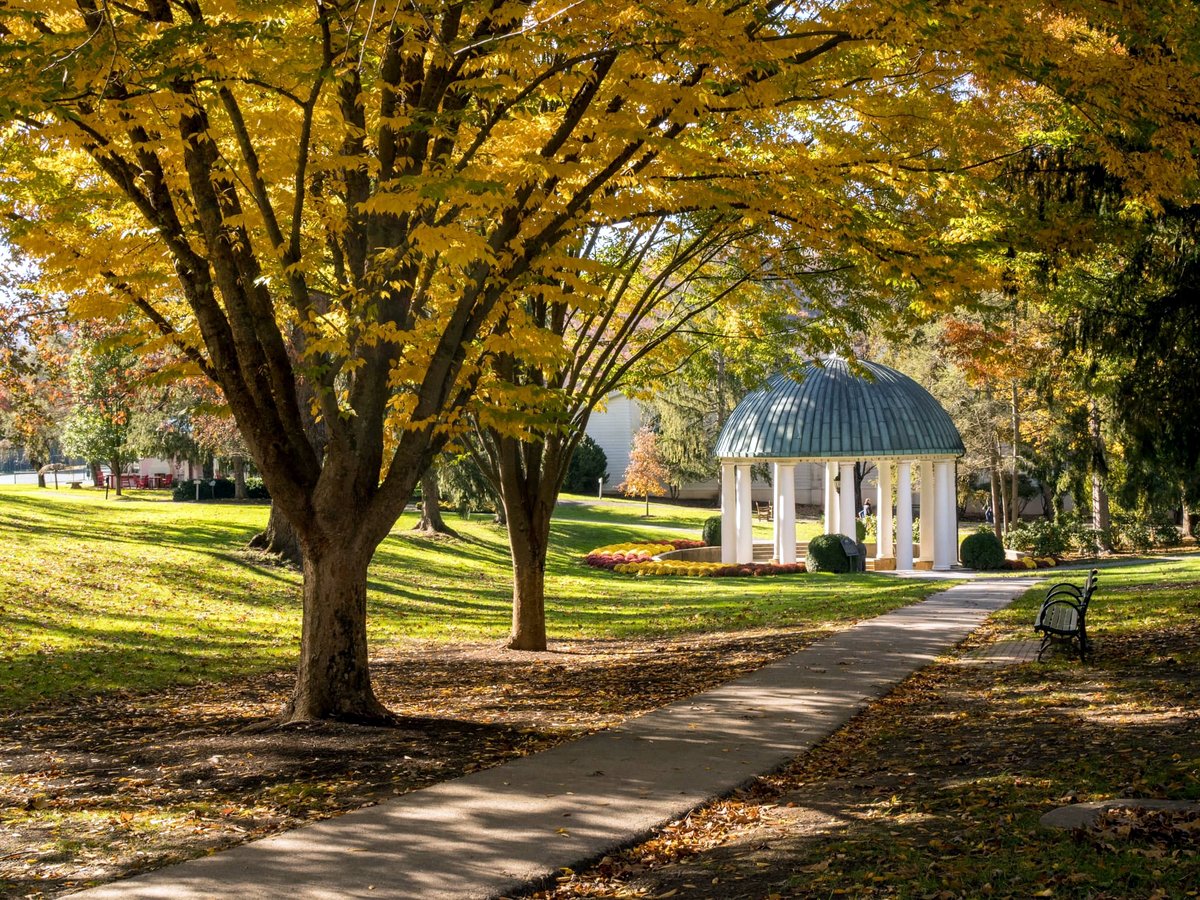
The Greenbrier Valley, including Lewisburg and White Sulphur Springs, combines mountain foliage with farms, historic towns and long views across rolling Appalachian terrain.
Mid-October can also bring strong color to broad portions of north-central and central West Virginia.
For travelers who cannot adjust their trip at the last minute, mid-October is generally the safest time to find significant fall color somewhere in West Virginia.
Mid- to late October: New River Gorge
One of West Virginia’s most photographed fall landscapes usually reaches its best color after the highest Alleghenies.
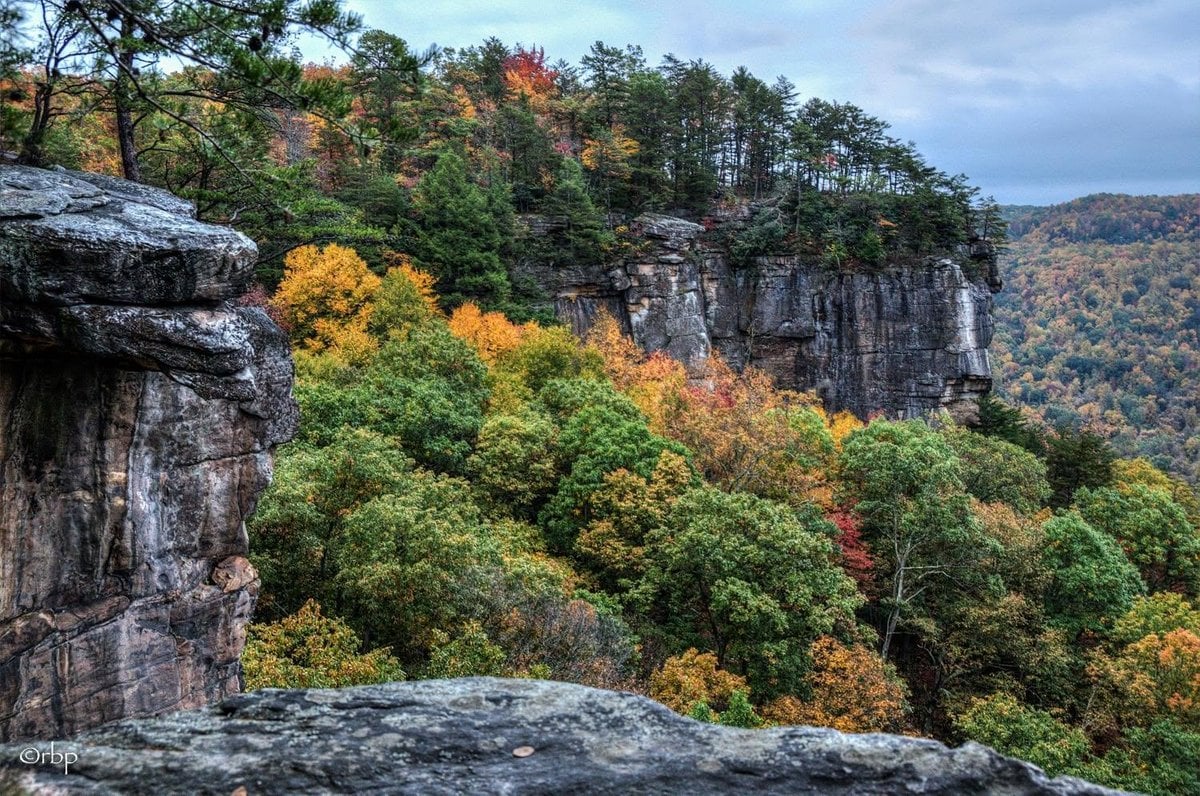
The New River Gorge National Park and Preserve offers enormous elevation changes between its rim and river, which can extend the apparent foliage season.
Popular viewing areas include Grandview, Long Point, Endless Wall and overlooks around Fayetteville.
Babcock State Park and its frequently photographed Glade Creek Grist Mill are also among southern West Virginia’s best-known autumn destinations.
Travelers should remember that foliage on the gorge rim can advance sooner than trees hundreds of feet below along the New River.
Late October: Harpers Ferry, Berkeley Springs and lower elevations
As color fades in the high mountains, lower elevations can still be approaching their best displays.
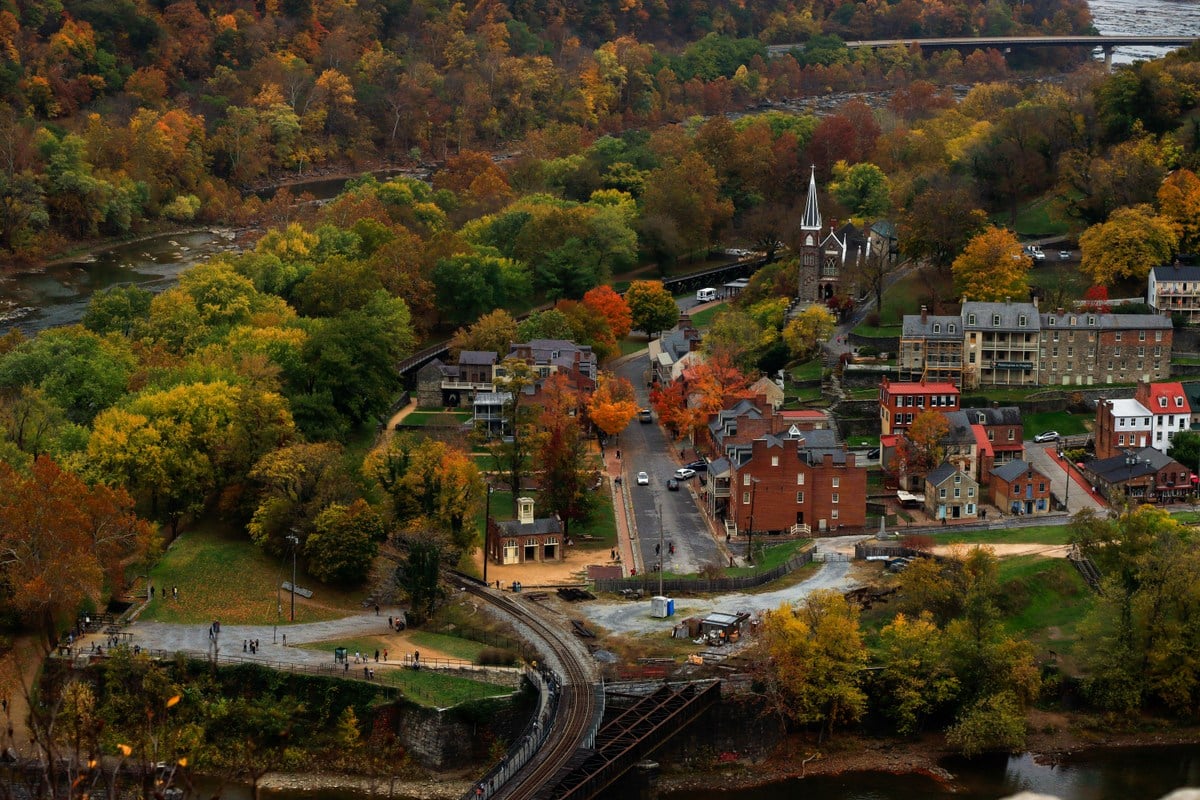
Harpers Ferry can be especially dramatic as hardwood forests surrounding the confluence of the Potomac and Shenandoah rivers turn shades of yellow, orange, and red.
Berkeley Springs, Cacapon Mountain, and portions of the lower Eastern Panhandle can also remain colorful after many high-elevation destinations have passed peak.
Lower valleys elsewhere in West Virginia may retain foliage into late October and, depending on weather, early November.
What could change the 2026 fall foliage forecast?
No August forecast can pinpoint the exact day leaves will peak. Weather during the weeks immediately preceding the color change remains critical.
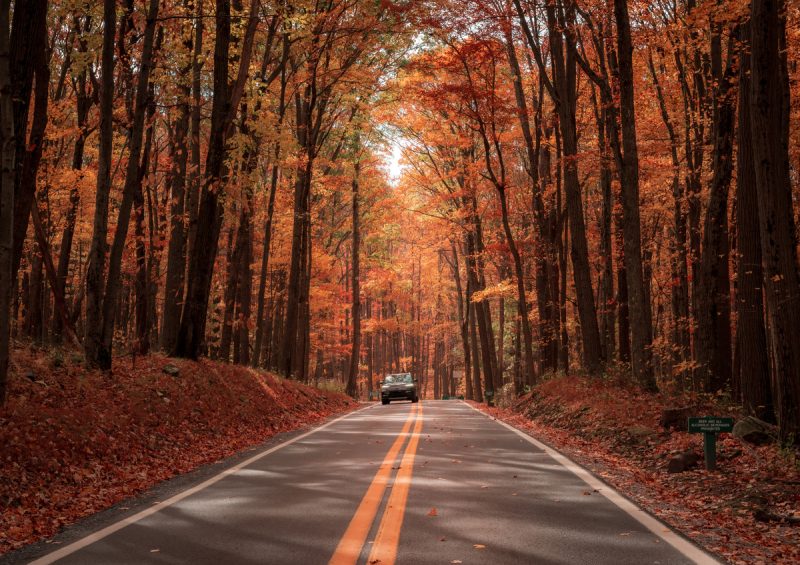
Warm sunny days combined with cool—but not freezing—nights generally favor strong autumn color. Severe drought can cause leaves to brown or fall prematurely, while prolonged warmth can delay color development.
Heavy rain and wind during peak season can also strip colorful leaves rapidly, shortening an otherwise promising display.
For that reason, travelers planning a West Virginia foliage trip should check current conditions through the West Virginia Division of Forestry shortly before leaving rather than relying entirely on a forecast made weeks earlier.
Why does fall color move across West Virginia?
West Virginia’s mountains create one of the longest and most geographically varied foliage seasons in the central Appalachians.

Elevation ranges from only a few hundred feet along portions of the Ohio and Potomac river valleys to 4,863 feet at Spruce Knob, the state’s highest point.
Temperature generally decreases with elevation, so autumn conditions arrive earlier on the highest ridges.
The result is not one statewide “peak.”
Instead, peak fall color moves across West Virginia for several weeks, beginning high in the Alleghenies and progressively descending into the valleys.
That makes following elevation one of the best strategies for finding peak foliage.
Read also: West Virginia’s fall colors can defy the forecast
Best places to see West Virginia fall foliage
Among the state’s most reliable fall destinations are:
- Dolly Sods Wilderness — dramatic early-season color and crimson heath barrens
- Canaan Valley — high-elevation forests and broad mountain vistas
- Blackwater Falls State Park — waterfalls framed by hardwood forest
- Highland Scenic Highway — long-distance mountain views at varying elevations
- Snowshoe Mountain — expansive views across the central Alleghenies
- Greenbrier Valley — rolling farmland, mountains and historic communities
- New River Gorge — immense forested slopes and overlooks
- Babcock State Park — home of the iconic Glade Creek Grist Mill
- Harpers Ferry — autumn color surrounding two rivers and historic landscapes
- Berkeley Springs and Cacapon Mountain — later-season color in the Eastern Panhandle
Check back for 2026 fall color updates
West Virginia Explorer will continue following foliage conditions as autumn approaches.
The first meaningful color should appear in the highest elevations before spreading progressively across the state. West Virginia Explorer will continue following foliage conditions as autumn approaches.
The first meaningful color should appear in the highest elevations before spreading progressively across the state. As the season develops, actual observations will become increasingly valuable for travelers deciding where to find the best color.
Travelers can also follow developing conditions on the West Virginia Live Leaf Map.
Bookmark this page and check back for updates as West Virginia’s 2026 fall foliage season develops.
Bianca, thanks so much for sharing your observations and predictions on fall foliage colors in West Virginia! I hope many folks can visit soon and enjoy the beautiful wonders of our Mountain Mama – West Virginia!
Carol