
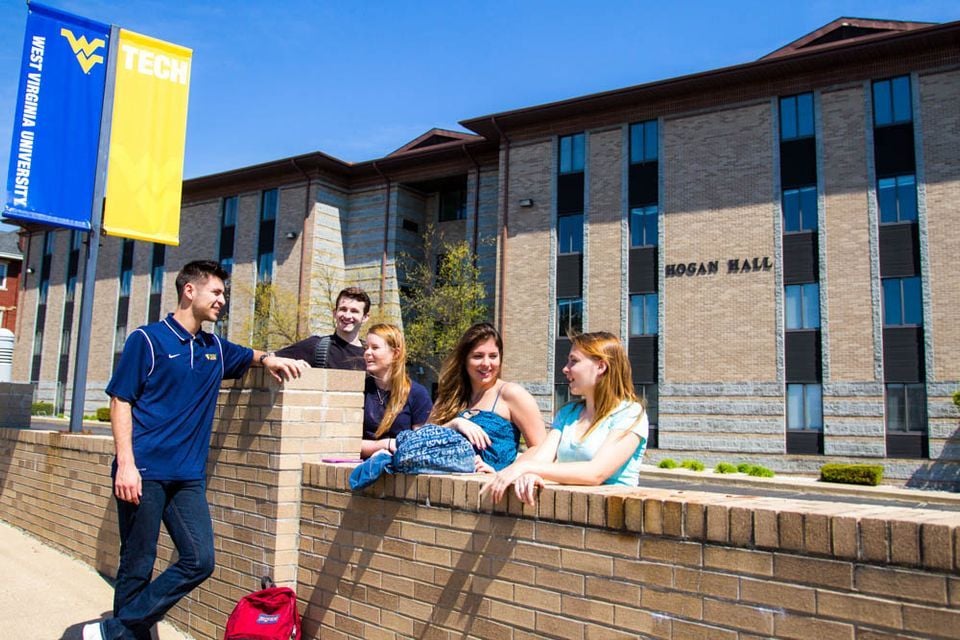
BECKLEY, W.Va. — A new scholarship program at West Virginia University Institute of Technology will cover remaining tuition, housing, and meal costs for high-achieving students from 13 southern West Virginia counties, potentially making a four-year education possible for students who might otherwise rule it out because of cost.

Beginning in fall 2027, the Golden Scholars program will accept 13 students each year from Boone, Fayette, Greenbrier, Kanawha, Logan, McDowell, Mercer, Mingo, Monroe, Nicholas, Raleigh, Summers, and Wyoming counties.
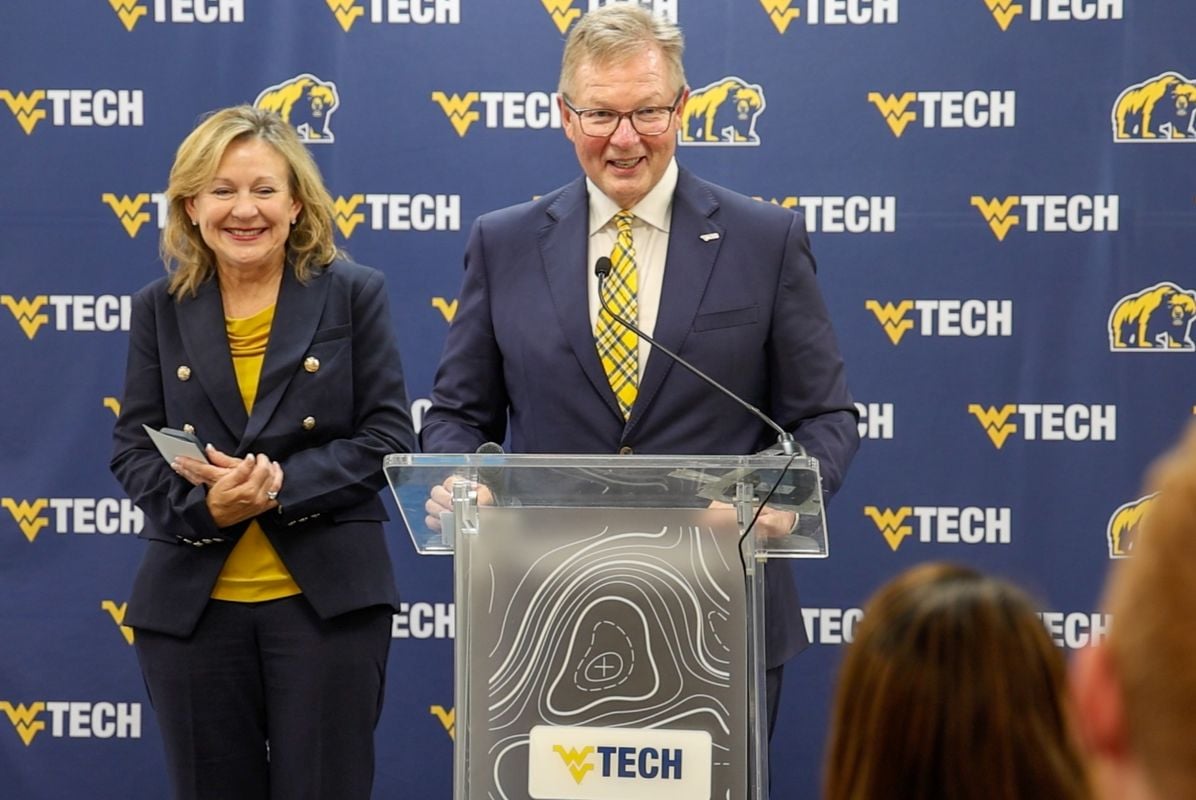
After other scholarships and available financial aid are applied, the program will cover remaining tuition, room and board, and meal-plan costs for four consecutive years. Students may pursue any bachelor’s degree offered at WVU Tech.
The program is launching with a $1.8 million personal gift from Larry and Lisa Pack of Charleston. Larry Pack, a WVU Tech accounting graduate, is West Virginia’s state treasurer.
“We’ve experienced firsthand how education opens doors and changes the direction of a person’s future,” the Packs said. “We wanted to invest in students from southern West Virginia and provide them with the opportunity to pursue an education, develop as leaders, and ultimately use what they’ve learned to make a difference in their communities and the state of West Virginia.”
A 60-year effort to open doors to college
Golden Scholars continues an older effort at WVU Tech to reach southern West Virginia students for whom college may be financially difficult or unfamiliar.
In 1966, the university began hosting students through the federal Upward Bound program, which prepares lower-income and first-generation students for higher education. Its first class brought 147 southern West Virginia students to the Tech campus for nine weeks.
Sixty years later, the program continues at WVU Tech in Beckley, serving 90 high school students from Fayette and Raleigh counties during a six-week summer experience that includes on-campus living.
The new scholarship addresses what happens after students decide they want a four-year education but face financial barriers to pursuing it.
WVU Tech President T. Ramon Stuart said those barriers continue to affect some of the region’s brightest students.
“Too often, our region’s brightest young people face real financial barriers to pursuing higher education,” Stuart said. “This program removes that barrier and tells them clearly: Your ambition matters, and we believe in your potential.”
College costs are only part of the challenge
The scholarship comes as colleges across southern West Virginia confront a broader question: whether young people view higher education as attainable and worthwhile.
Southern West Virginia Community and Technical College identifies a declining college-going rate and limited higher education attainment as challenges facing the region in its 2024–27 strategic plan. It also cites a declining perception of higher education’s value.
That doesn’t mean every student should pursue a bachelor’s degree. Technical education and skilled trades offer other paths to well-paying careers. But for students whose ambitions require a four-year degree, cost can narrow their choices before they even reach a college campus.
WVU Tech has been increasing financial assistance to address that problem. The university said it is providing more than $4.4 million in scholarships and financial aid during the 2026–27 academic year, $500,000 more than the previous year.

Of the merit-based assistance awarded to West Virginia students, 85 percent goes to students from counties near the Beckley campus, the university says.
For families in southern West Virginia, location can provide another advantage. Students across much of the region can pursue bachelor’s degrees in fields including engineering, business, nursing, and computer science without moving to Morgantown or leaving southern West Virginia entirely.
Thirteen counties, very different communities
The territory covered by Golden Scholars is not a single, culturally uniform region.
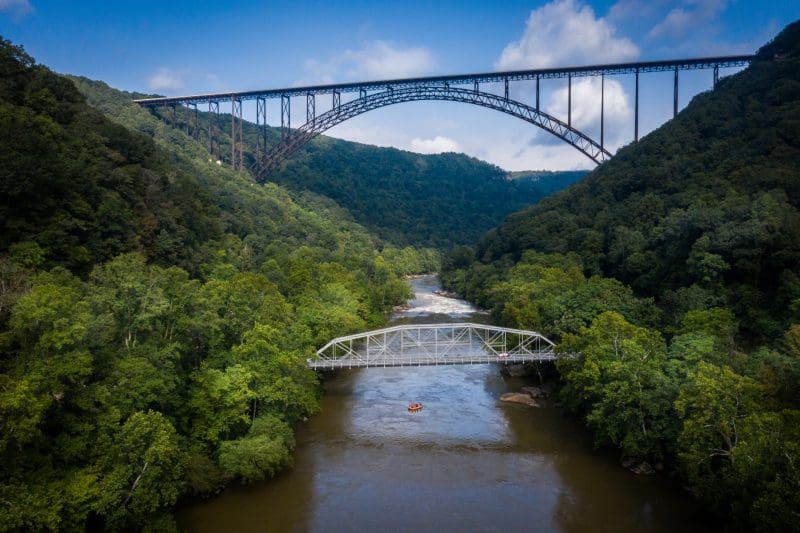
The 13 counties stretch from the historic coalfields of Logan, McDowell, Mingo, and Wyoming counties to the farms and small communities of Monroe County and the Greenbrier Valley. They include Charleston, the state capital; Beckley, the region’s largest commercial center; Bluefield and its railroad heritage; and communities around the New River Gorge, where tourism and outdoor recreation have become increasingly important.
For families unfamiliar with southern West Virginia, those differences can be easy to overlook. Educational opportunities, family experiences with college, and local economies can vary substantially from one community to another, even within the scholarship’s relatively compact geographic territory.
Across that territory, Golden Scholars offers another option for students who can succeed at a four-year university.
The program will also include leadership development, community engagement, and service activities designed to connect participants with one another and their communities.

The Packs’ own experiences helped shape the gift. Both grew up in eastern Kanawha County and graduated from East Bank High School. Lisa Pack received scholarships that helped make her education at the University of Charleston affordable, and several of the couple’s six children also received scholarships.
“Our family understands the impact scholarship support can have on a student and their family,” the Packs said. “Scholarships do more than make a college education possible — they expand a student’s potential and give them the confidence to pursue their dreams and their God-given gifts.”
For WVU Tech, finding promising young people in southern West Virginia and widening their educational choices spans generations.
The approach has changed considerably since 147 teenagers arrived on the Tech campus in 1966. The underlying issue remains: whether geography or family finances should limit the educational choices available to a capable student.