
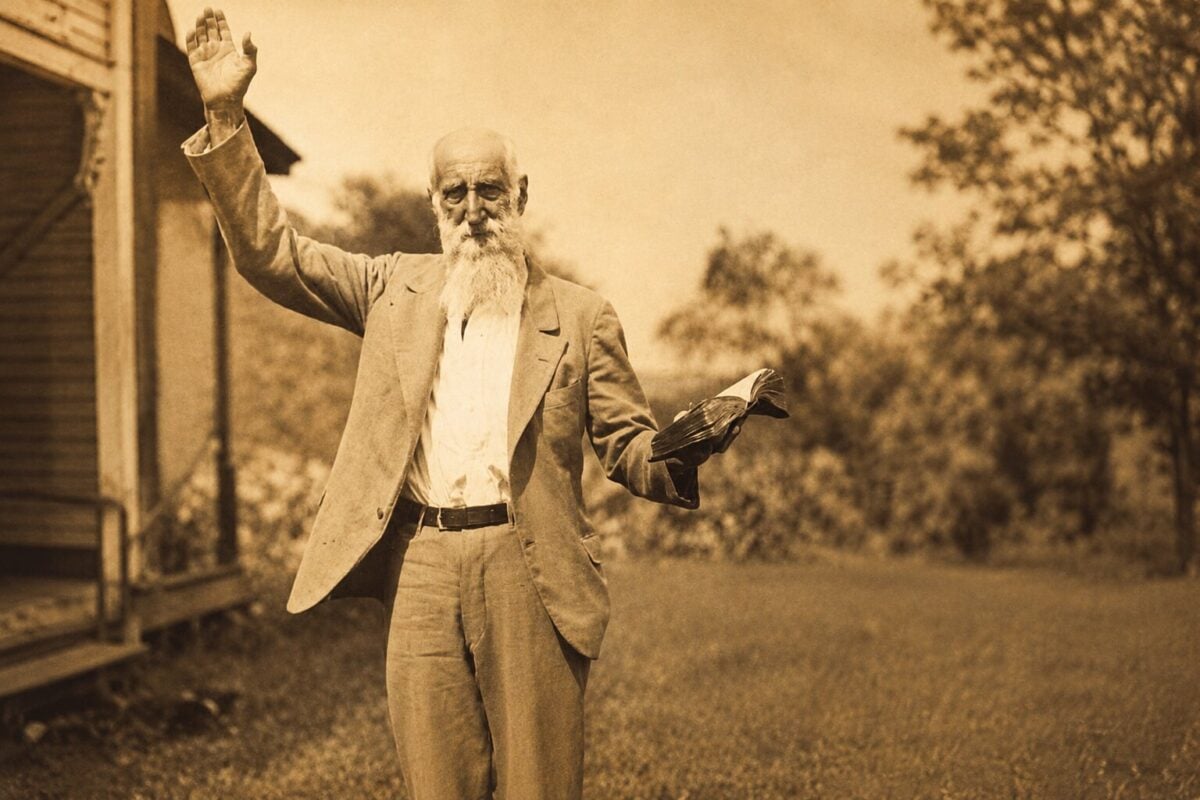
SARAH ANN, W.Va. — Long before highways reached into the mountains of southwestern West Virginia, people traveled narrow creek bottoms and mountain paths threading through some of Appalachia’s most rugged country. Families identified with the watersheds where they lived as much as with any town or county.
That landscape, in some senses quintessentially Appalachian, fostered fierce independence, deep family loyalties, and a culture in which a mountain preacher might ride for days to conduct a wedding, comfort the dying, or settle a quarrel.
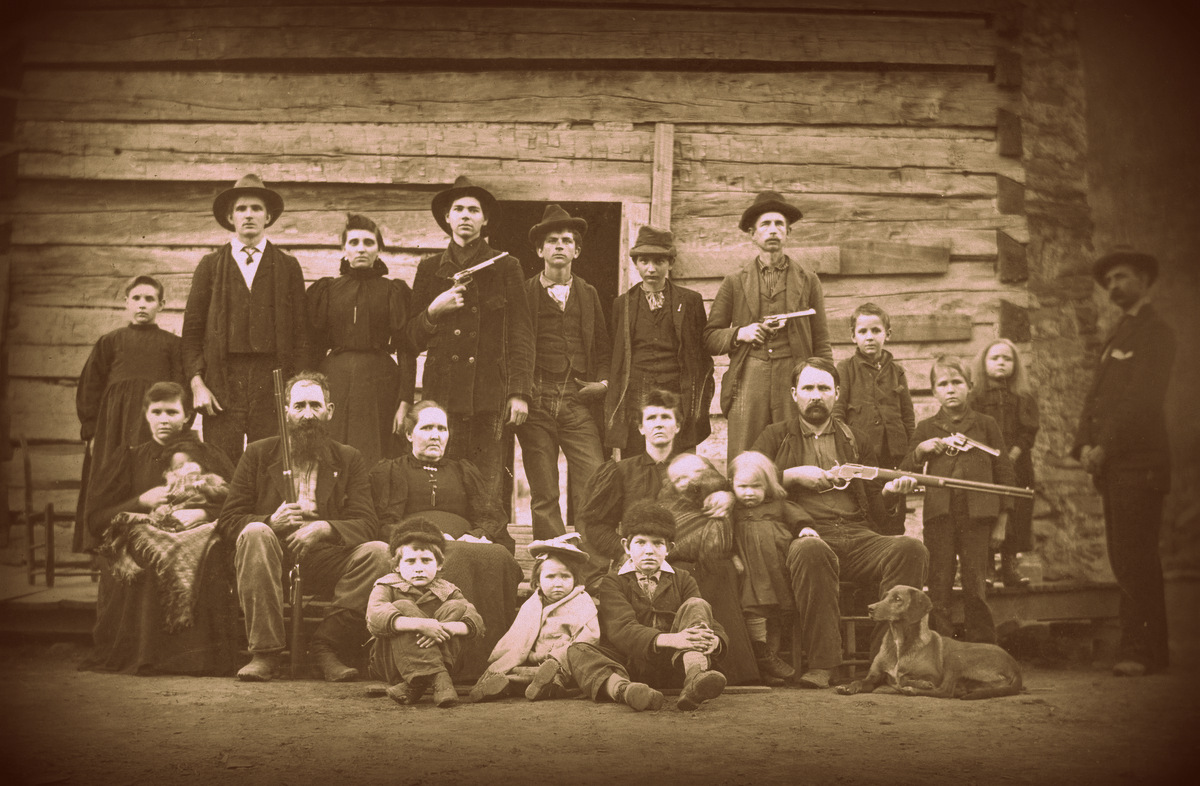
This was the world of Rev. Dyke Garrett, chiefly remembered as the minister who baptized “Devil Anse” Hatfield. A soldier, peacemaker, and confidant to Hatfield, he became one of the few trusted by members of both the Hatfield and McCoy families during the bloody Hatfield-McCoy Feud in the late 1800s.
His life offers a glimpse into the culture that shaped one of America’s most misunderstood regions—a landscape so rugged that even native West Virginians from other parts of the state find it exotic.
Two young men shaped by the mountains
Born on Dec. 10, 1841, along Big Creek, in Logan County, in what was then Virginia, Garrett grew up in a large mountain family in the isolated hills along the Guyandotte River. According to the W.Va. Heritage Encyclopedia, the hardships of mountain farm life shaped the character that would define him throughout his long ministry.
Garrett and his friend Anderson Hatfield, soon to be known as “Devil Anse,” had known one another since childhood. Both came of age in a country where survival depended on neighbors, family, and self-reliance. Although history would remember them for vastly different reasons, the two young men first found common purpose during the Civil War.
Brothers in the Logan Wildcats
When war divided the mountain counties, loyalties often followed family and neighborhood rather than state lines. Garrett joined the Confederate Logan Wildcats under his friend Anderson, whose earlier military experience quickly elevated him to command.
The Wildcats became one of the region’s most formidable partisan bands, fighting throughout the Tug and Guyandotte watersheds in a conflict that often resembled guerrilla warfare more than conventional military campaigns.

One legendary episode may even have given Hatfield his famous nickname. Union troops cornered Hatfield alone atop a rocky ridge known as the Devil’s Backbone. Hidden among enormous sandstone boulders, he held off his pursuers for hours before escaping. His companions afterward jokingly called the engagement the “Battle of the Devil’s Backbone,” and many believed the exploit earned Anderson Hatfield the enduring nickname “Devil Anse.”
Read more: Improved access opens legendary “Devil Anse” Hatfield cemetery to more visitors
A preacher rides the mountain trails
When peace returned, the two men’s lives diverged. Garrett laid down his rifle, entered the ministry in the Christian Church (Disciples of Christ), and spent more than half a century riding horseback through the mountains of Logan and Pike counties. He preached in cabins, beneath open skies, and beside mountain streams, traveling in every season regardless of the weather.
Mountain people soon learned that hearing someone whistle old hymns along a lonely road usually meant “Uncle Dyke,” the mountain preacher, was approaching.
Newspapers eventually called him “The Shepherd of the Hills.” Friends preferred “The Mountain Preacher.”
He married Sally Smith in 1867, raised eight children, and became one of the best-known ministers in southern West Virginia and eastern Kentucky. It was said he married more couples and attended more funerals than any minister in the region during his lifetime.
He and “Aunt Sallie” remained married for 71 years, according to the late Robert Y. Spence, a native of Logan and author of Land of the Guyandot: A History of Logan County.

Yet Garrett steadfastly refused to preach at the funerals of Hatfield-McCoy feud victims. “Every man preaches his own funeral,” he reportedly said.
Standing between vengeance and mercy
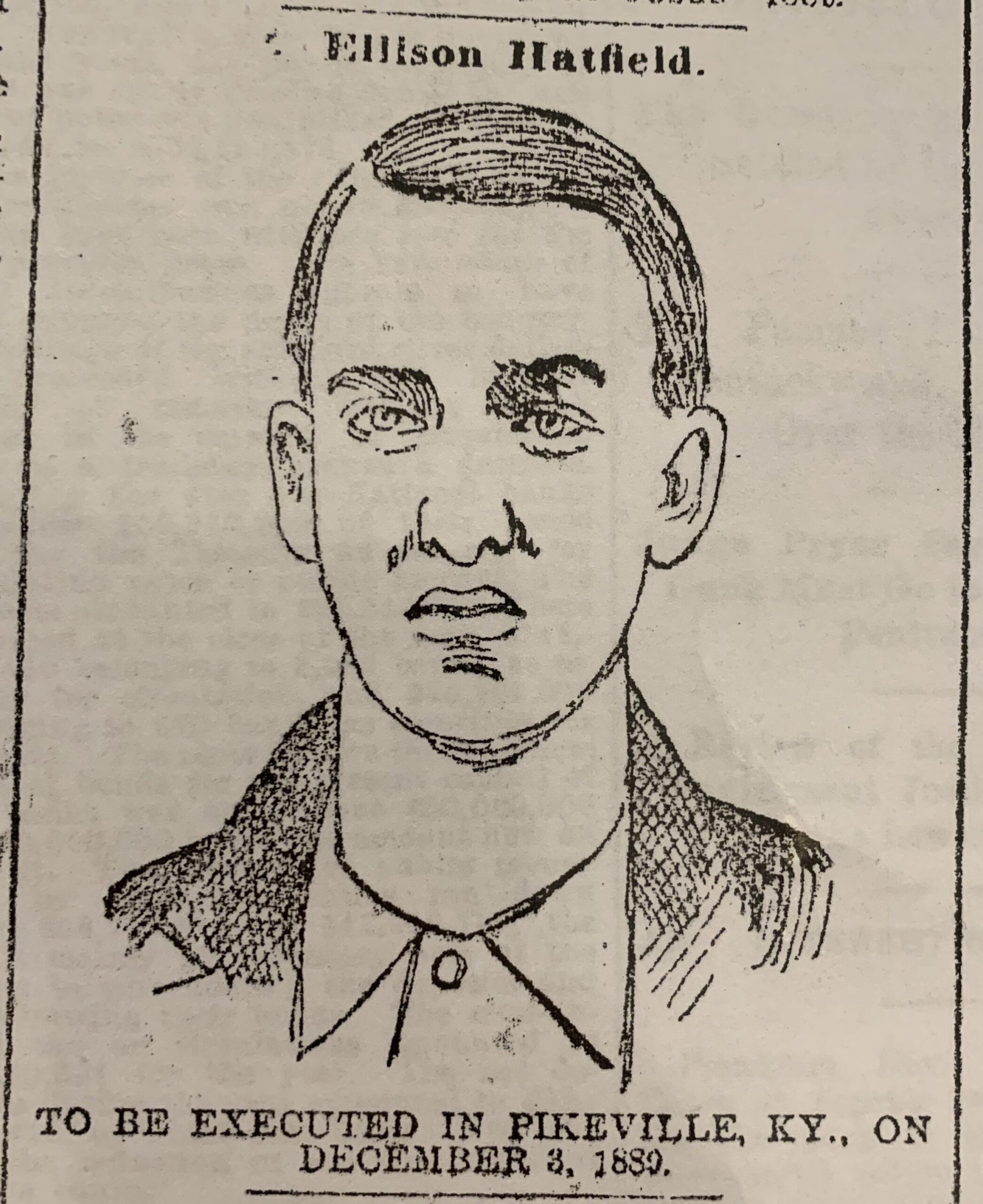
When violence erupted between the Hatfields and the McCoys after the election-day killing of Ellison Hatfield in 1882, Garrett found himself torn between old friendships and Christian conviction.
As Devil Anse prepared to execute three captive McCoy brothers in retaliation for Ellison’s death, Garrett rode to the Hatfield camp to plead for mercy.
He reminded Hatfield of the days they had spent together in the Logan Wildcats and appealed to their lifelong friendship.
According to tradition, Garrett warned the clan leader: “I tell ye, Anderson, that if ye kill these boys there’ll come a time when ye’ll come a-crawling and a-begging to the Lord. Vengeance is mine, saith the Lord. Ye are trying to make it yours.”
Hatfield refused. The executions proceeded, and the feud devolved into years of bloodshed.
Friendship survives a famous feud
Despite their profound differences, Garrett never abandoned his old friend. He buried many victims of the feud, continued ministering throughout the mountains, and, in his later years, often visited Devil Anse at his home on Island Creek.
The encyclopedia article describes the aging men sitting together on Hatfield’s porch, speaking not of battles but of age, death, and repentance.
Time had transformed the once-feared feud leader. The deaths of two sons, years of violence, and advancing age gradually softened Hatfield’s outlook. According to Garrett’s account, the old patriarch finally came seeking something he had long resisted.
“Dyke, will you baptize me?”

One evening, Hatfield, then age 77, appeared unexpectedly at Garrett’s home. The old preacher sensed something was different the moment he saw his longtime friend walking up the mountain road to the house.
“Dyke,” Hatfield asked, coming up on the porch, “Will you baptize me?” “I will,” Garrett said.
On a Sunday, before a large gathering of neighbors and friends, Garrett led Devil Anse into Island Creek and baptized him into the Christian faith.
Among those watching from the bank were Hatfield’s sons, Cap and Johnse. When their father emerged from the water, they stepped forward and asked Garrett to baptize them as well.
To many mountain residents, the ceremony symbolized more than a personal conversion. It marked the end of an era when family vengeance had dominated the rugged hills along the Tug Fork and Guyandotte rivers.
The quiet end of two mountain legends
Devil Anse Hatfield died on Jan. 7, 1921, and thousands attended his funeral. It was one of the largest gatherings Logan County had ever seen. Garrett oversaw the arrangements but remained true to his lifelong conviction, refusing to deliver the sermon. “Every man preaches his own funeral,” he said.
Garrett outlived his old friend by 17 years, dying on May 29, 1938, at 97. Friends and family quietly buried him, the mountain preacher who had ridden the trails for more than half a century, carrying neither wealth nor political power, but something rarer, precious in a land often divided by violence. He had earned the trust of nearly everyone who knew him, even Devil Anse Hatfield.
Visiting the Hatfield Homeplace Museum
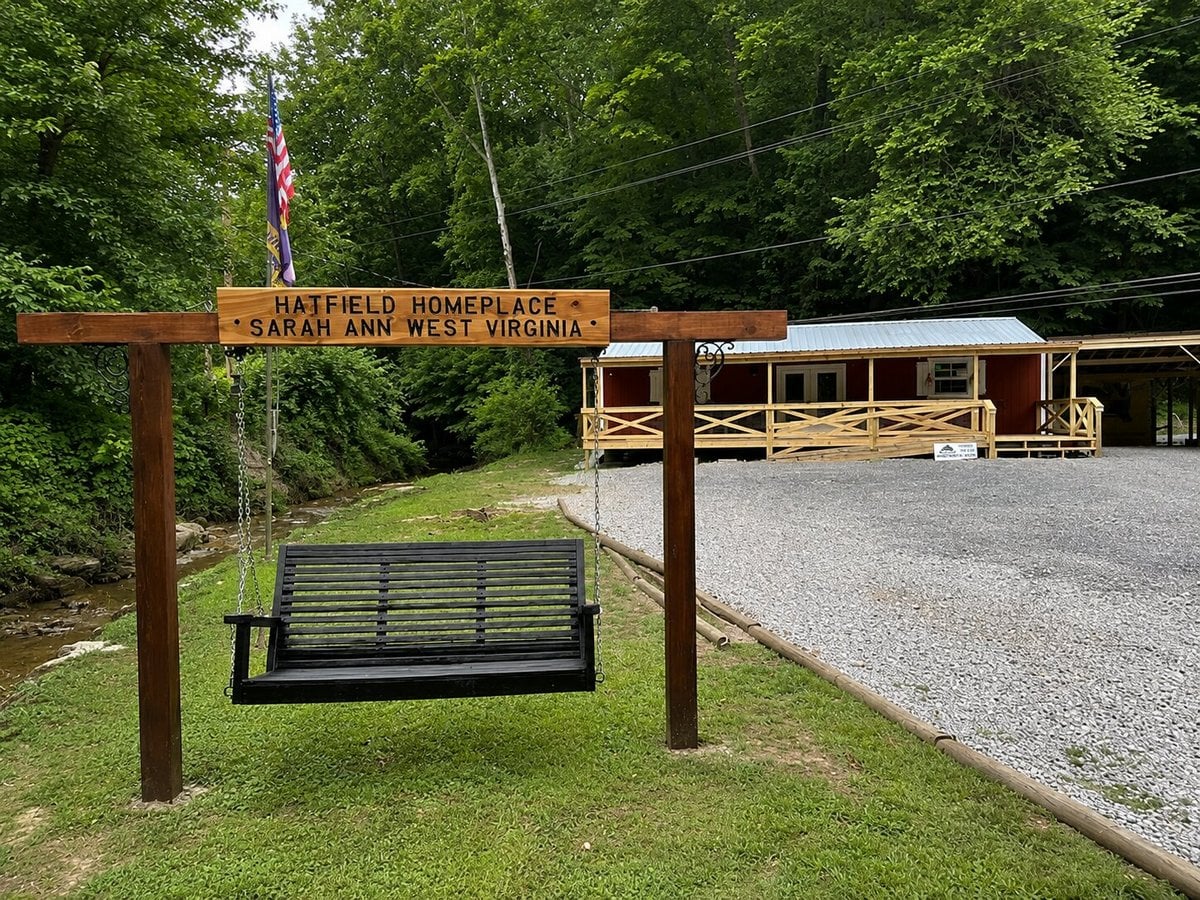
Visitors interested in learning more about Rev. Dyke Garrett and the Hatfield family can explore the Devil Anse Hatfield Homeplace & Museum in Sarah Ann, where the Hatfield & McCoy Family Foundation preserves the family’s history. Located on the grounds of Devil Anse’s final homeplace, the museum showcases feud-era artifacts, family heirlooms, historic photographs, and relics tied to one of America’s best-known family feuds.
Visitors can also cross a bridge said to have been built by Devil Anse himself and see the family’s original moonshine well, offering a tangible connection to everyday life in the mountain settlements of the late 1800s.
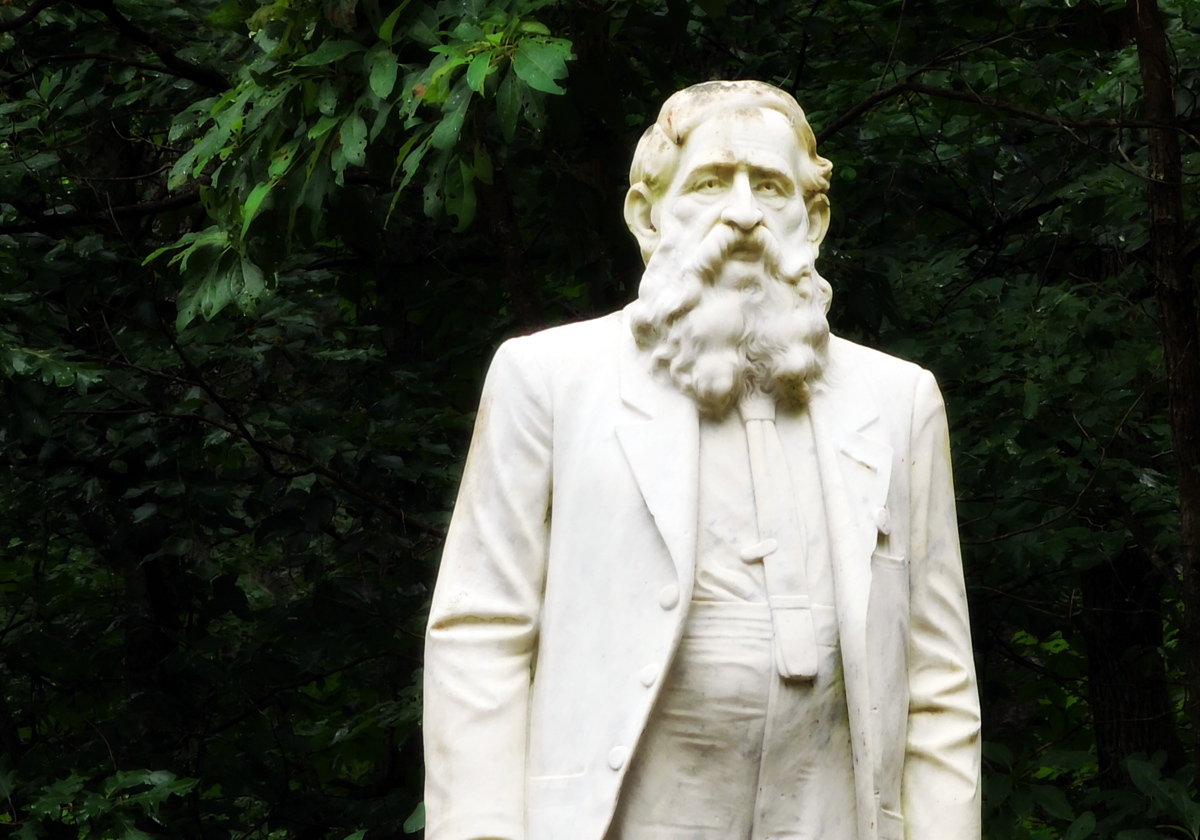
The museum lies only a short distance from the Hatfield Family Cemetery, where Devil Anse Hatfield is buried beneath his well-known life-size marble statue. Together, the homeplace and cemetery offer one of the most authentic experiences in Hatfield country, helping visitors better understand the people behind the legends and the rugged Appalachian landscape that shaped their lives.
Guided tours, many led by Hatfield descendants or family historians, provide additional insight into the feud and the remarkable story of reconciliation that followed.
Who Was Devil Anse Hatfield?
Anderson “Devil Anse” Hatfield (1839–1921) was the patriarch of the West Virginia family at the center of the legendary Hatfield-McCoy Feud, one of the most famous family conflicts in American history. A successful timber merchant and Confederate partisan leader during the Civil War, Hatfield became known for his commanding personality, loyalty to family, and influence throughout the rugged Tug Fork and middle Guyandotte regions of southwestern West Virginia.
Although the feud claimed more than a dozen lives between the 1880s and 1890s, Hatfield spent his later years seeking peace. In 1911, he was baptized by his lifelong friend, Rev. Dyke Garrett, in Main Island Creek near his Logan County home, a moment many historians regard as symbolizing the closing chapter of the notorious feud.
Where is Hatfield Country?
The events of Dyke Garrett’s life unfolded in the steep creek valleys of southwestern West Virginia and neighboring eastern Kentucky, centered on the Tug Fork and Guyandotte River watersheds. Unlike the state’s broad eastern valleys or high Allegheny peaks, this landscape is a maze of ridges, narrow hollows, and winding mountain streams.
For generations, horseback trails connected isolated farms and small settlements. The geography helped foster close-knit communities, fierce family loyalties, and an independent mountain culture that shaped the lives of both Rev. Dyke Garrett and the Hatfield family. Today, visitors can still explore much of this historic landscape along the scenic back roads, mountain overlooks, and heritage sites of the Hatfield-McCoy region.
Very interesting. Noting the year of Devil Anse’s death, 1921, was the same year as the Matewan gunfight and the Battle of Blair Mountain, which are in pretty much the same part of the state. So we have a pattern of violence from the Civil War, to the Hatfield-McCoy Feud, to the Mine Wars. I don’t know what that signifies, but it’s interesting.
Agreed.
I’ve taken my kids to the grave site and the museum once.
Thanks for this new story on the Feud. You can now watch America’s Greatest Feud: The History Channel production narrated by Kevin Costner, shot at Heritage Farm Museum and Village, and starring Clint McElroy as Randall McCoy and myself as Devil Anse Hatfield, on Amazon Prime, YouTube, and Hulu. https://www.youtube.com/watch?v=VX6qXcXyhYU