
CHARLESTON, W.Va. — Eight historic West Virginia buildings, including a frontier-era tavern, an early African American school, and a church once used by enslaved worshippers, will receive more than $490,000 in federal preservation grants to help protect landmarks dating to the state’s earliest years.
The Preservation Alliance of West Virginia has awarded $490,261 through its Frontier-to-Statehood Grant Program, which supports rehabilitation and continued use of historic buildings as part of the nation’s 250th-anniversary commemoration.
According to Danielle Parker, the alliance’s executive director, all eight properties date to 1871 or earlier, and their histories span frontier settlement, early commerce, slavery, emancipation, the Civil War, and the development of West Virginia communities.
The funding, she said, will support masonry repairs, structural stabilization, window restoration, roof repairs, and interior rehabilitation. Several buildings are notably being restored for use as museums, cultural centers, and educational facilities.
“This program is a powerful investment in the places that shaped our state and our nation,” Parker said.
“By supporting the preservation and active use of these early buildings, we’re not only protecting history, but we’re also creating opportunities for communities across West Virginia to grow, connect, and tell their stories for generations to come.”
Eight historic properties receiving grants
Old Baptist Church, Union — $90,000
Constructed in 1845, the Old Baptist Church at Union is among Monroe County’s oldest surviving religious buildings and preserves an important chapter in African American religious history.
The congregation originally served white worshippers but also admitted enslaved African Americans, who were segregated in an upper gallery.
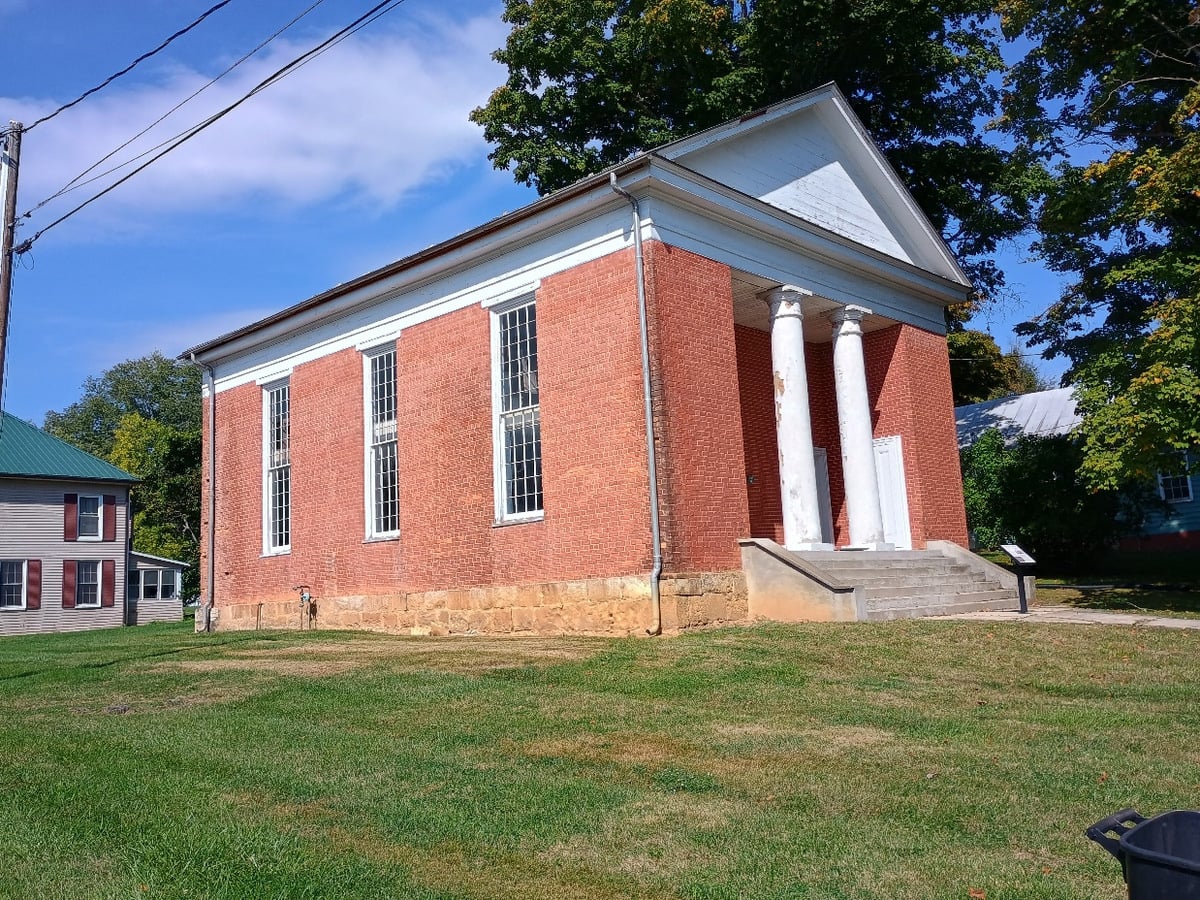
In 1868, seven formerly enslaved people were baptized into the congregation. As white membership declined, the congregation eventually deeded the property to its remaining African American members.
Renamed First Baptist Church in 1870, it continued to serve as a place of worship for more than a century.
The Monroe County Historical Society acquired the property in 1997 and has worked to preserve it for historical interpretation.
The $90,000 grant will fund brickwork, exterior drainage improvements, and the preservation of the building’s columns and front porch.
Collett House, Beverly — $88,843
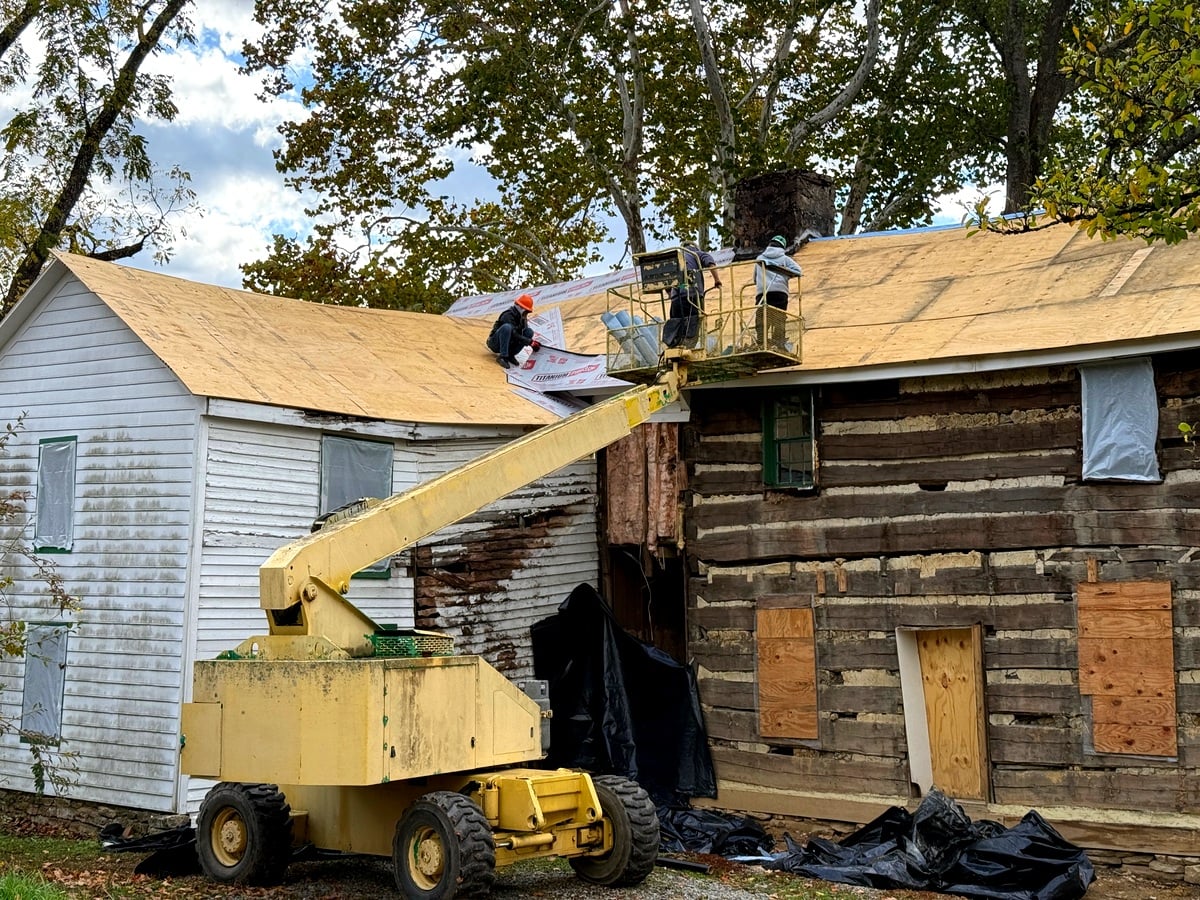
Behind the Collett House in Beverly stands an 18th-century log cabin that may be Randolph County’s oldest surviving residence.
Local tradition identifies the structure as a possible fortified residence associated with the Westfall family, among the area’s early European American settlers. That association remains unconfirmed.
Expanded during the early to mid-19th century, the house contains graffiti left by Civil War soldiers in an upstairs room, suggesting it may have served as a military hospital.
The building later operated as a residence and hotel before Historic Beverly Preservation acquired it in the early 2000s.
The $88,843 grant will support exterior stabilization, interior rehabilitation, and installation of electrical service. The restored property will support public programming at the Beverly Heritage Center.
Shindler House, Shepherdstown — $73,168
Built between approximately 1785 and 1795, the Shindler House now houses Shepherd University’s George Tyler Moore Center for the Study of the Civil War.
Local carpenter Michael Fouke Sr. built the Shepherdstown residence. Coppersmith Conrad Shindler purchased it around 1815 and expanded it.

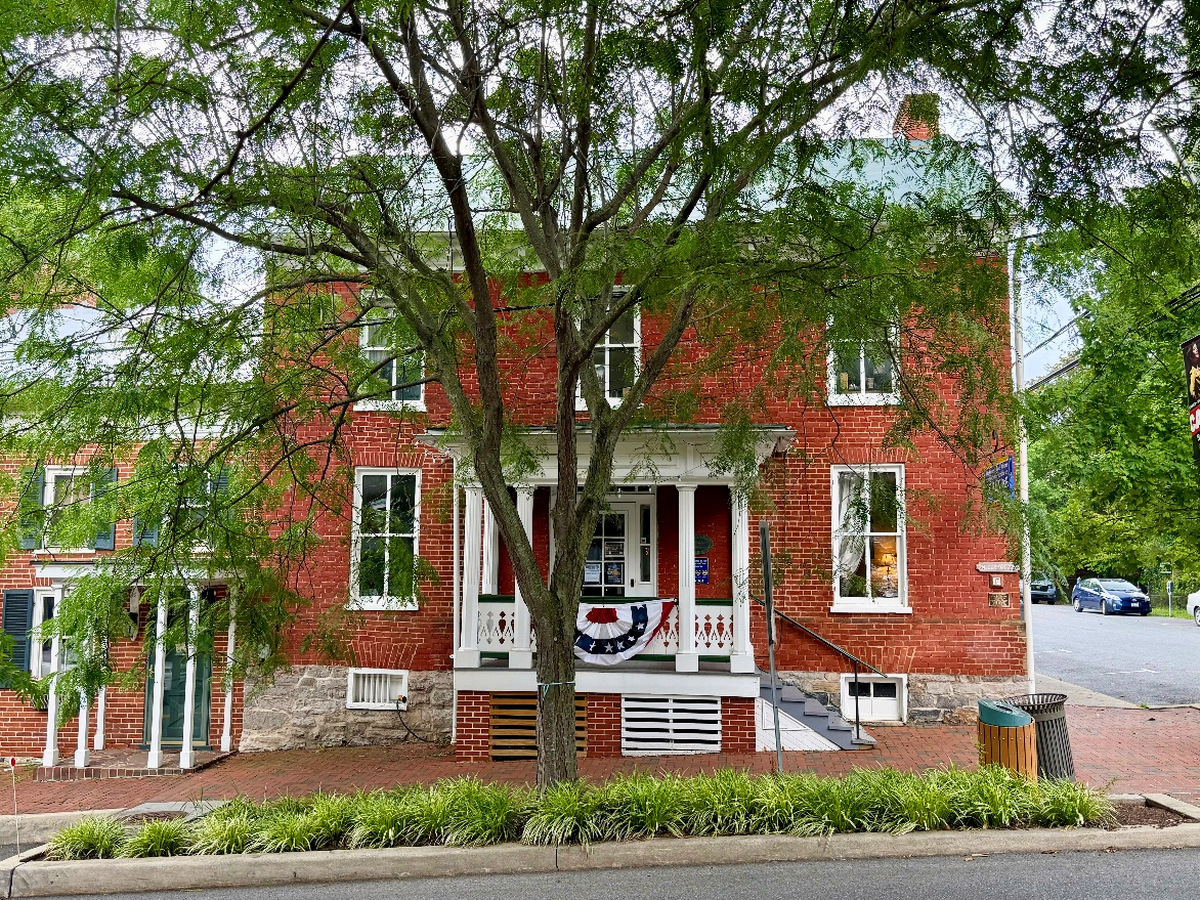
Shindler lived there with his family and as many as seven enslaved people. The property remained occupied through the Civil War and may have served as a field hospital for Confederate soldiers wounded at the Battle of Antietam in 1862.
The German Reformed Church acquired the building in 1869 as a parsonage.
In 1995, actress Mary Tyler Moore, a descendant of the Shindler family, purchased the property and donated it for use as a Civil War research center named for her father.
Today, the center maintains a research library and hosts lectures, seminars, and educational programs.
The $73,168 grant will support masonry and interior repairs.
Cockayne House, Glen Dale — $63,000
The Cockayne Farmstead in Marshall County preserves an unusually intact example of 19th-century agricultural and domestic life in the Ohio Valley.
Built in 1850–1851 for Bennett Benjamin Cockayne’s family, the farmhouse housed descendants of settlers who arrived in the region in the 1790s.
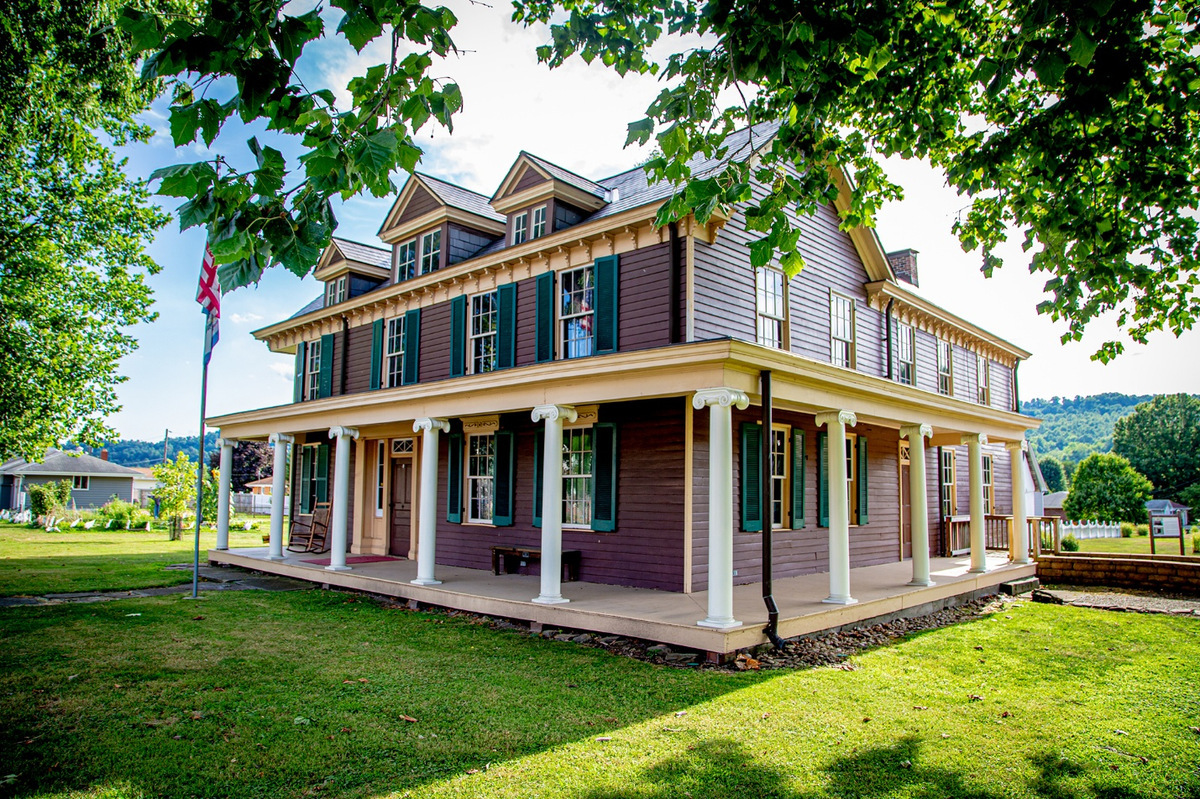
The family raised prize-winning Merino sheep, while six Cockayne daughters participated in the area’s social life and filled the residence with artwork, some of which survives.
The last family member to live in the house, Samuel Andrew Jackson Cockayne, made relatively few alterations, helping preserve its historic character.
Now owned by the city of Glen Dale and managed by the Marshall County Historical Society, the property operates as a historic house museum and is listed on the National Register of Historic Places.
The $63,000 grant will fund interior plasterwork and repairs to water-damaged areas.
Halltown Colored Free School, Jefferson County — $31,000
Built in 1870, the Halltown Colored Free School preserves an important record of African American education during Reconstruction.
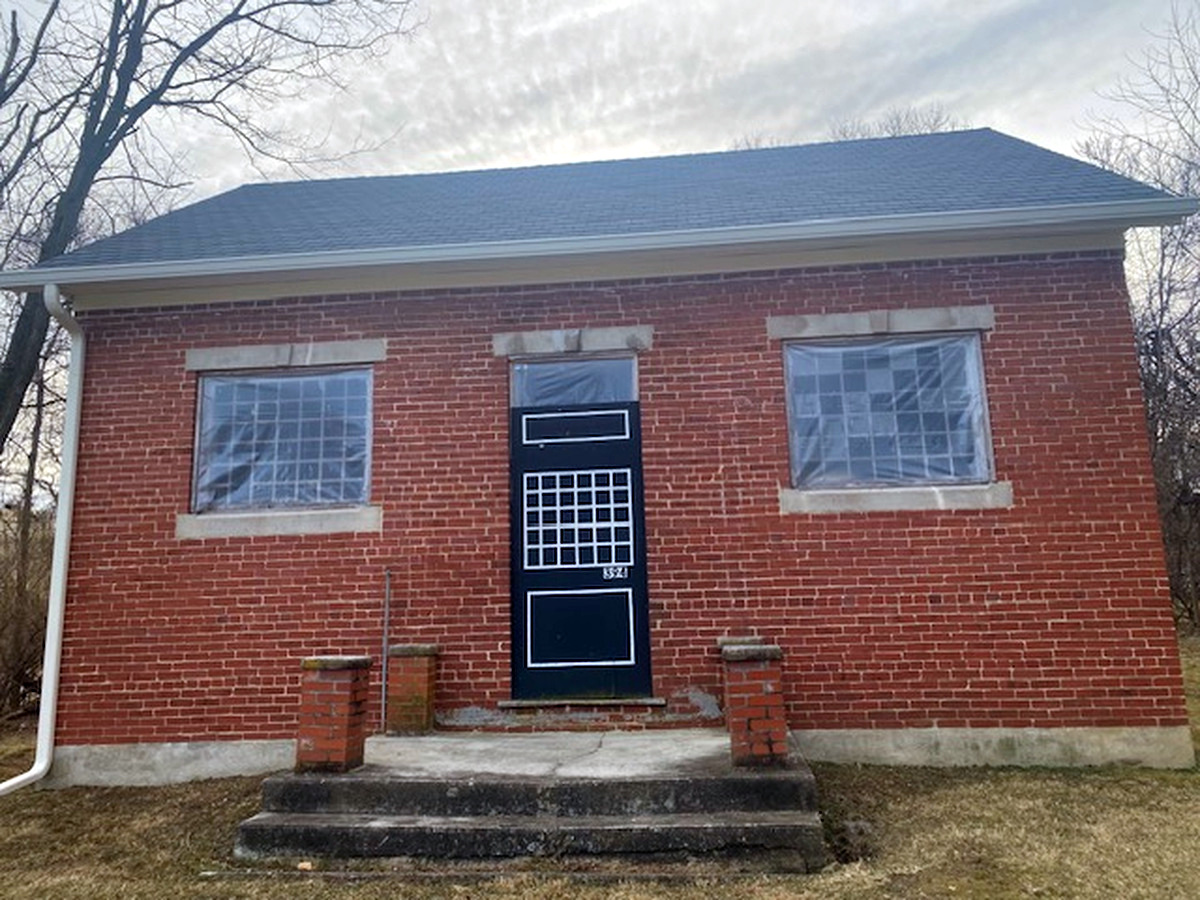
Thomas Edwards built the one-room brick school along the old Charles Town–Harpers Ferry Turnpike to educate his family, including 13 grandchildren, and other African American children during segregated education.
The school operated until 1929, after which it became a private residence.
The Halltown Memorial Chapel Association is restoring the building to serve as a repository for historical documents about life in Jefferson County during the late 19th and early 20th centuries.
It will also serve as a reception space for small weddings at the adjacent Halltown Memorial Chapel, built around 1901.
The $31,000 grant will help complete the school’s interior rehabilitation.
Tyree Tavern, Ansted — $28,000
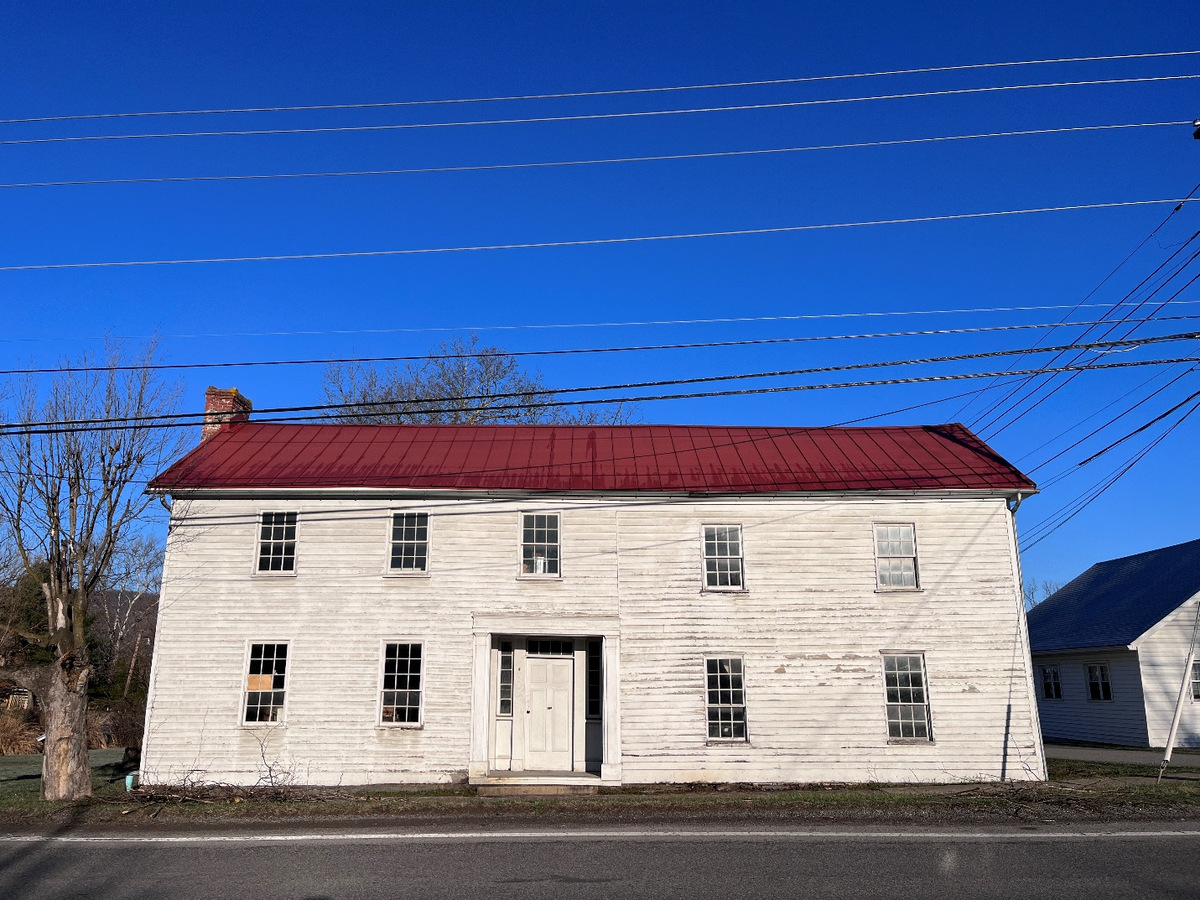
The Tyree Tavern, also known as the Halfway House, dates to about 1810, and the alliance recognizes it as Fayette County’s oldest surviving structure.
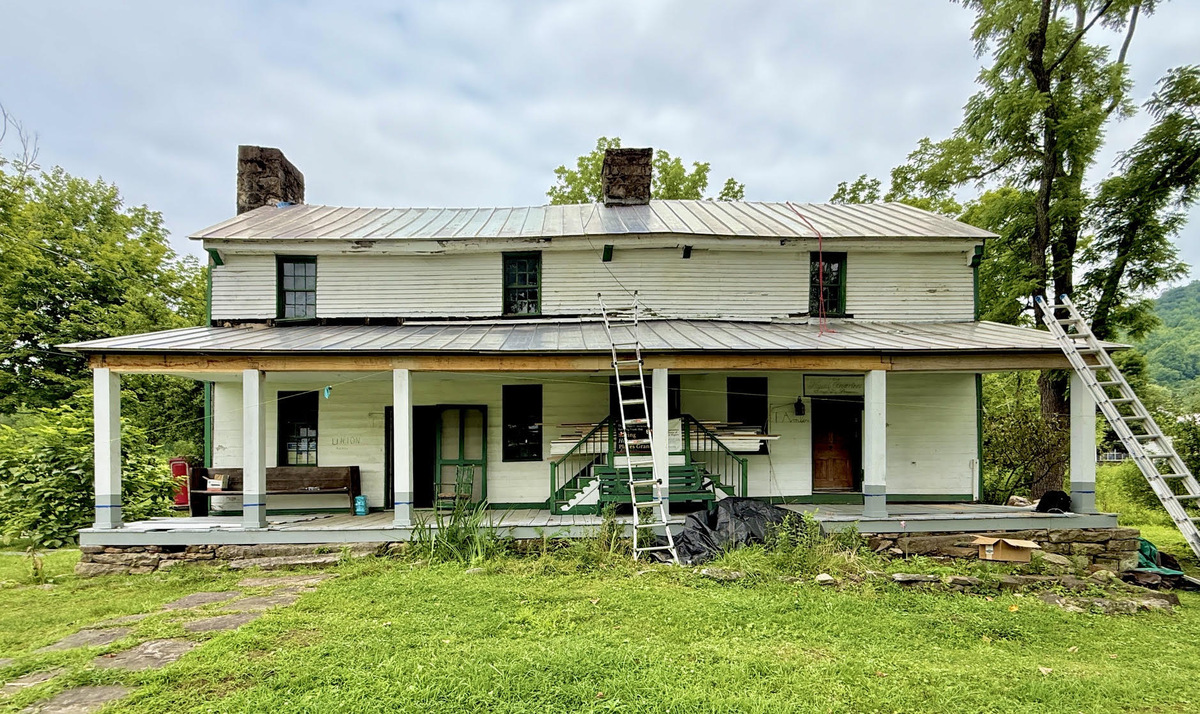
Joseph Scaggs, one of the area’s early European American settlers, built its original section.
Located along the James River and Kanawha Turnpike in Ansted, the property served travelers moving between Lewisburg and Charleston.
Over time, the building served as a family residence, stagecoach inn, sheriff’s office, and post office.
During the Civil War, both Union and Confederate troops occupied the property. In 1862, it served as headquarters for the Chicago Gray Dragoons.
Owner Pamela Webster-Walsh will receive $28,000 for window restoration as part of a broader effort to convert the building into a historic house museum and cultural facility.
Entler Hotel, Shepherdstown — $26,250
The Entler Hotel complex dates to 1786, when Shepherdstown was an important settlement along early routes into the Shenandoah Valley.
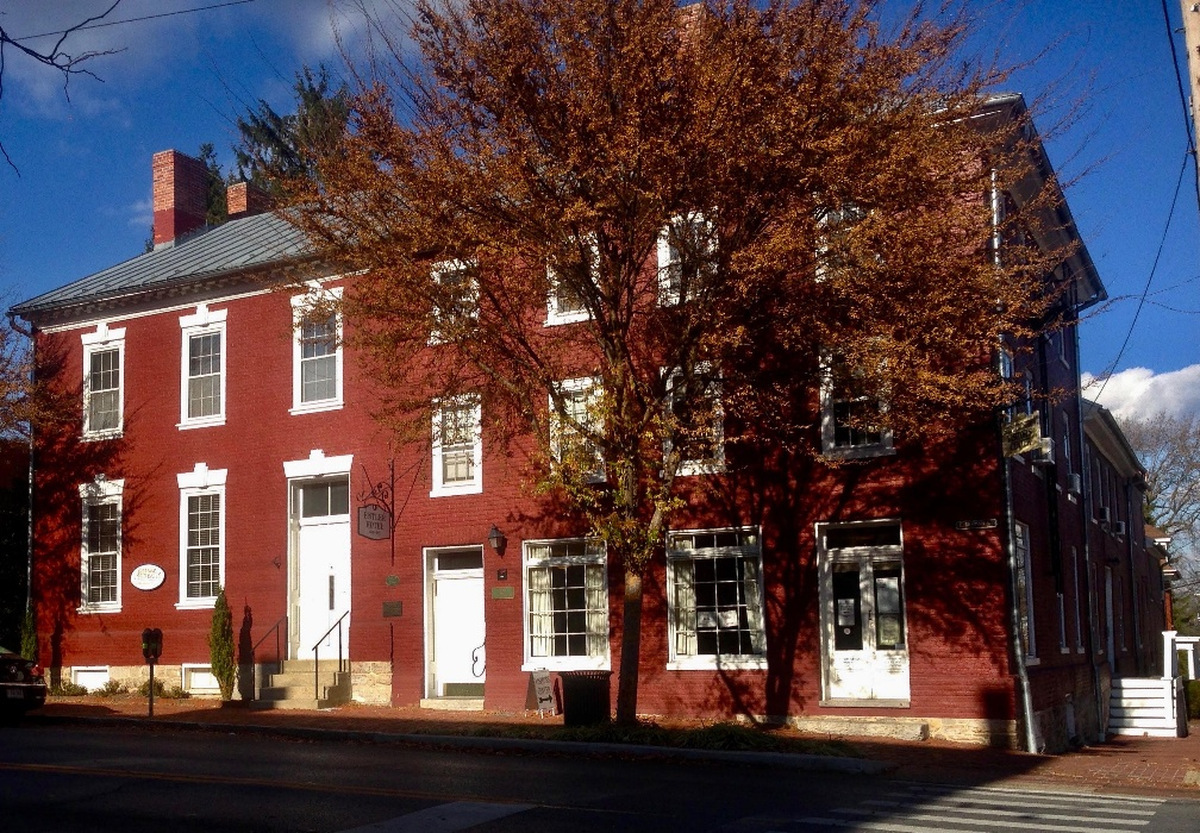
By 1809, the property housed a grocery store and tavern, which later became a hotel.
After the Battle of Antietam in September 1862, the building served as a hospital for wounded soldiers. Union troops also occupied it for much of the remainder of the war.
Today, the complex houses the Historic Shepherdstown Museum, offices, an art gallery, and reception space.
The $26,250 grant will support restoring its metal roof.
Wheeling Artisan Center, Wheeling — $90,000
Constructed around 1867 by Henry List, a prominent wholesale merchant and banker, the Wheeling Artisan Center is part of the city’s historic commercial landscape.
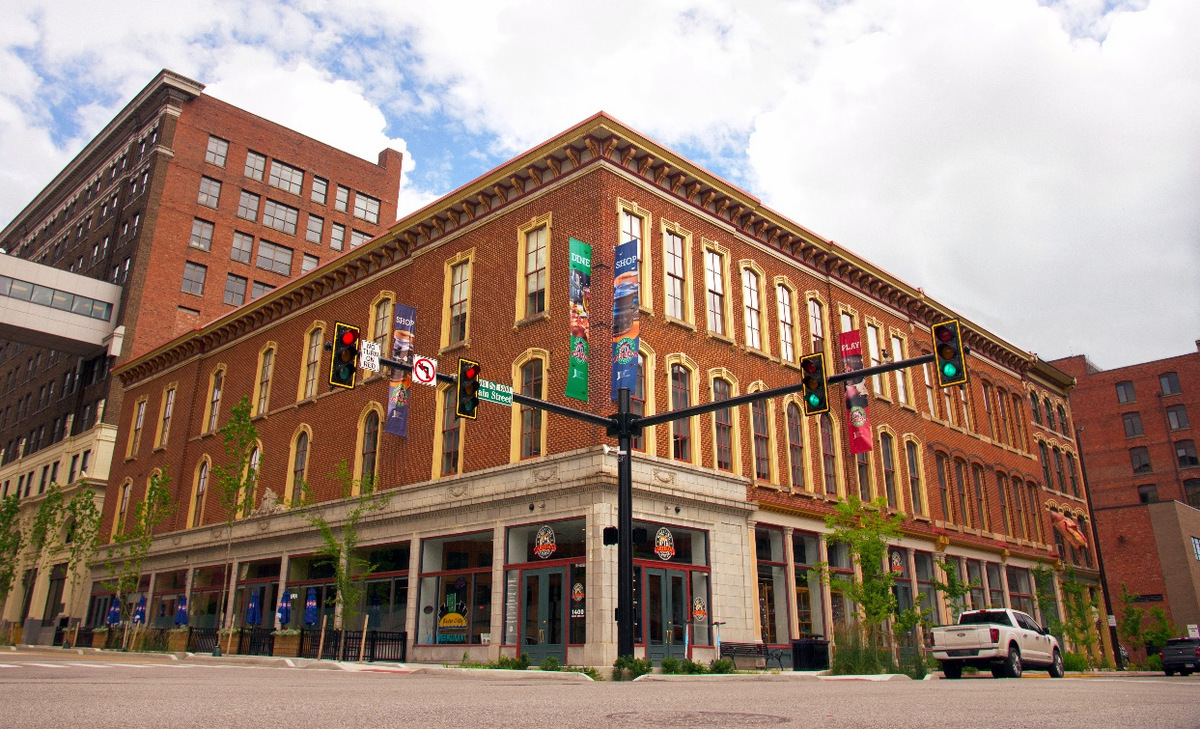
Located in the Downtown Wheeling Historic District, Wheeling Heritage renovated the building in 1996.
Its three-story atrium is now part of a cultural and commercial destination that includes the Artisan Center Shop, River City Restaurant, an art gallery, and Wheeling Heritage offices.
The $90,000 grant will fund painting of the building’s upper architectural crown and windows, along with window refurbishment.
Federal grants support historic preservation and rural development
The Frontier to Statehood grants are supported by the National Park Service’s Paul Bruhn Historic Revitalization Grant Program, which helps communities preserve historic buildings while encouraging economic development.
The program funds organizations that administer preservation projects in smaller communities, where rehabilitation costs can make it difficult to maintain older buildings.
In West Virginia, Parker said, the grants will help sustain existing cultural destinations and support new public uses for historic properties.
The Collett House is being prepared for educational programming; the Tyree Tavern is undergoing restoration as a future museum and cultural facility; and the Halltown school will preserve historical records while supporting activities at an adjacent restored chapel.
Other grants will help maintain buildings already serving the public, including the Wheeling Artisan Center, the Historic Shepherdstown Museum, and the George Tyler Moore Center.
The alliance administers the awards as part of its statewide preservation mission. The nonprofit has also managed programs supporting endangered historic properties and former school buildings, as well as the Preserve WV AmeriCorps program.
More information is available at the Preservation Alliance of West Virginia.