
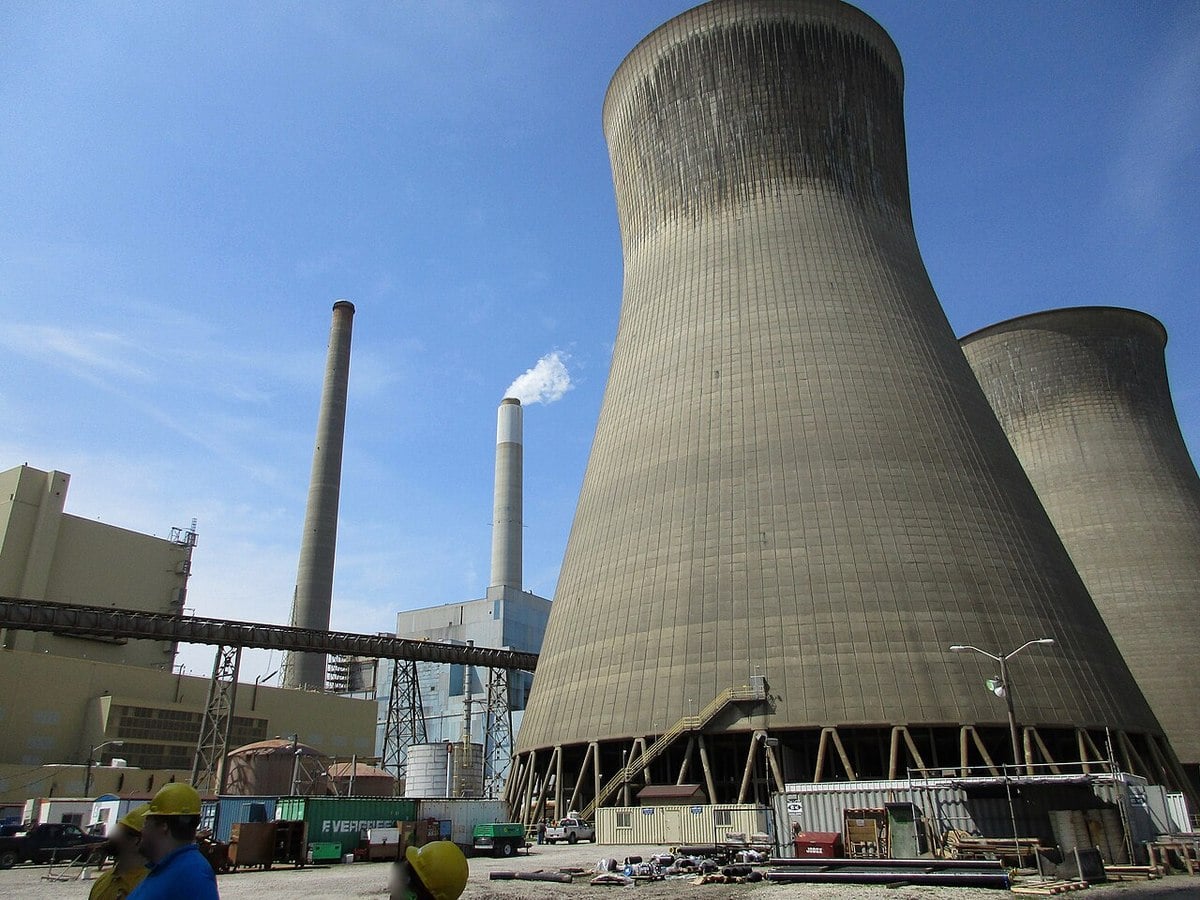
CHARLESTON, W.Va. — West Virginia regulators are inviting the public to comment this month on rules proposed to govern how electric utilities maintain and use generating plants under a law approved by the Legislature in 2025.

The Public Service Commission of West Virginia publicized the Sept. 28 hearing Tuesday as part of its implementation of House Bill 2014, the Power Generation and Consumption Act. The commission opened the rulemaking proceeding in July and accepted written comments and recommendations through Aug. 10.
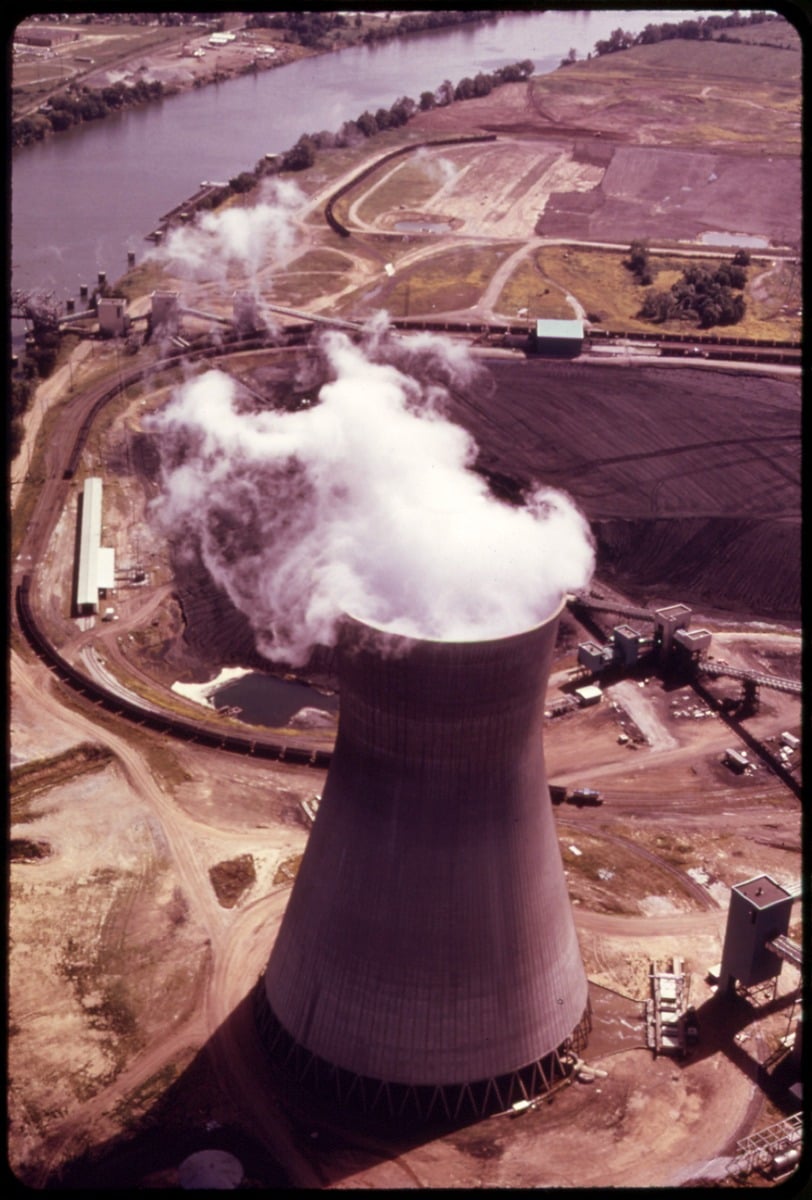
The bill gave the commission new responsibilities involving electric-generating capacity. Among its provisions, it requires utilities to maintain affected generating units and their fuel inventories so they can achieve at least a 69% capacity factor.
A capacity factor measures how much electricity a generating unit produces over a period compared with how much it could have produced by operating continuously at full capacity. A plant with a 69% capacity factor, for example, would produce 69% of the electricity it theoretically could have generated over that period.
The law also directs utilities to be prepared to maximize production from their own generating units when doing so would reduce energy costs for West Virginia customers. It provides, however, that utilities cannot be required to operate a generating unit at the 69% level if doing so would increase customers’ electric charges.
Proposed rules would require detailed plant reports
West Virginia’s major electric utilities participate in a regional electric system operated by PJM Interconnection, which manages the electric grid and wholesale power market serving West Virginia and all or parts of 12 other states and Washington, D.C.
House Bill 2014 directs the commission to review how generating units operate and how utilities participate in the regional electricity market. The proposed rules specify information utilities would be required to provide for that review.
Utilities would submit monthly reports on individual generating units, including available generating capacity, the amount of electricity offered to the regional market, prices associated with those offers, the amount of generation accepted by the market, regional electricity prices, and the amount of electricity actually generated.

Under the proposed rule, utilities would also be required to explain instances in which operating a generating unit at a higher level would have produced electricity at a lower cost, but the utility did not maximize generation from that unit.
The law calls the underlying standard “consumer economic dispatch,” defining it as operating generating resources to produce electricity at the lowest cost while reliably meeting demand and accounting for physical limitations involving generation and transmission.
West Virginia University researchers have previously studied how changing operating loads can affect the efficiency, maintenance, and profitability of coal-fired power plants.
Proposed rules address plant operating costs
The proposed rules require utilities to account for costs associated with increasing and decreasing generation at their plants.
These include maintenance and future equipment-replacement costs associated with significant changes in generation. The proposed rule requires considering those costs when determining the cost of operating a generating unit.
House Bill 2014 separately requires utilities to maintain generating units and fuel inventories so they can meet the 69% capacity target. The law conditions maximizing production from those units on whether doing so reduces energy costs for West Virginia customers.
Coal inventories would be reported monthly
The proposed rules would also require utilities to provide monthly information about coal inventories at generating plants.
Utilities would report the amount of coal on hand at the beginning of the month, coal delivered during the month, coal consumed, and the amount remaining at the end of the month. Reports would also include the cost of the coal and transportation and handling expenses.
The proposed rule requires reporting inventory in both tons and energy content. If an inventory adjustment exceeds 5%, the utility would have to explain why it previously reported the inventory incorrectly.
The rules also address utility participation in the regional system used to secure enough generating capacity to meet expected future electricity demand.
Utilities participating in that market would provide the commission with information before submitting their offers, including the generating resources involved, available generating capacity, the amount of capacity being offered and the proposed price.
Mine workers seek stronger requirements
United Mine Workers of America officials have called for changes to the proposed rules.
In comments filed in the proceeding, union officials called for real-time tracking of plant operations, more detailed reporting of outages and reductions in generating capacity, deadlines for necessary coal-plant upgrades, greater disclosure of generation and transmission costs, and stronger enforcement provisions.
Union officials also called for protections against utilities reducing generating capacity for reasons unrelated to safety or reliability.
In a statement describing the union’s comments, officials linked coal-fired power plant operations to employment at mines supplying those plants and argued that maintaining generation matters to coal miners and coal-producing communities.
Law limits requirements that would increase customer charges
House Bill 2014 provides that its 69% capacity provision cannot be interpreted to require a utility to operate a generating unit at that level if doing so would increase customers’ electric charges above applicable rates.
The law also directs the commission to evaluate capacity auctions conducted through the regional electricity market and to encourage participation by West Virginia generating units when doing so benefits ratepayers.
The proposed rules would require utilities using one method of participating in that market to explain why they selected it rather than an alternative and calculate the difference in costs to West Virginia customers based on the previous three years.
The commission has also examined utility participation in the regional capacity market in a separate proceeding involving Appalachian Power, Wheeling Power and Monongahela Power. In its order opening that proceeding, the commission cited responsibilities assigned to it under House Bill 2014.
Read also: Data centers collide with West Virginia’s remote-work, recreation brand
The public can comment Sept. 28
The Sept. 28 hearing will give members of the public and interested parties another opportunity to comment on the proposed rules.
The hearing will begin at 9:30 a.m. in the commission’s Howard M. Cunningham Hearing Room at 201 Brooks St. in Charleston.
People who want to participate must notify the commission by Sept. 18. Participants may submit additional comments, testimony, or written materials for presentation at the hearing by Sept. 23.
The proceeding is Case No. 26-0633-E-GI. According to Tuesday’s commission announcement, additional information is available through the case record on the commission’s website.