
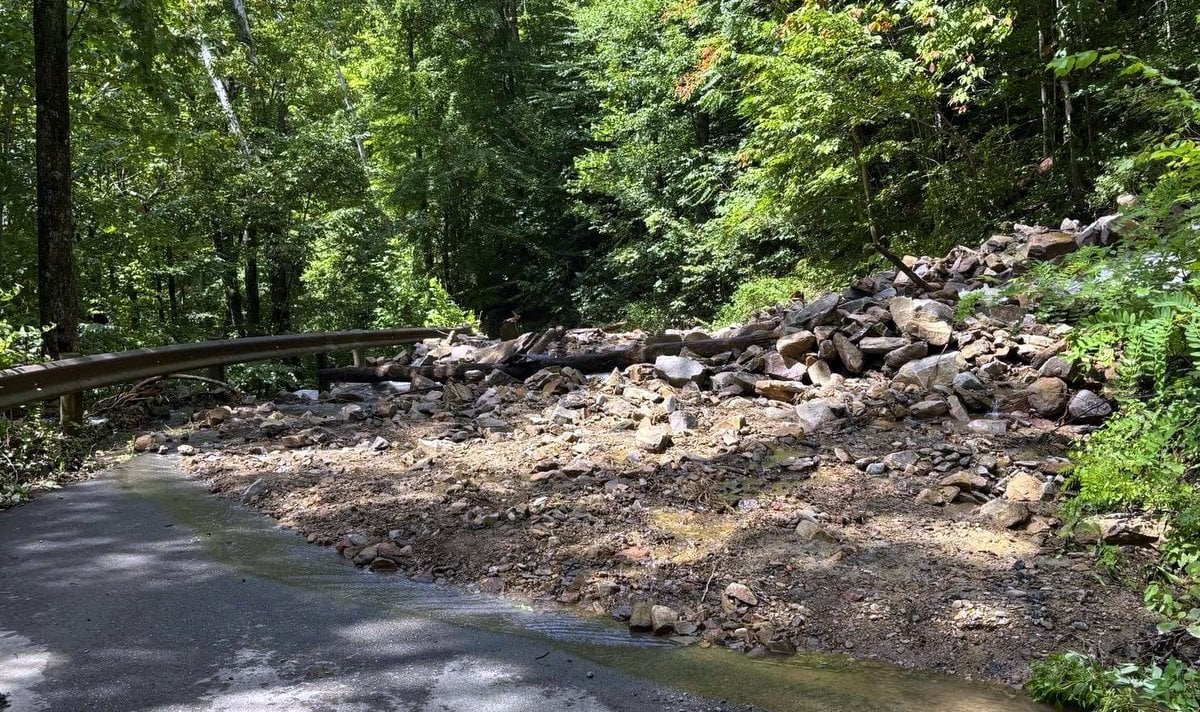
GLEN JEAN, W.Va. — Torrential rainfall has washed out roads, triggered slides, and toppled trees in the northern New River Gorge National Park and Preserve, closing several routes into the gorge and cutting off access to popular river and camping areas.

The park service reported Sunday evening that the road to Nuttallburg was impassable, and Cunard Road was blocked by a debris slide and fallen trees. Portions of Fayette Station Road and Glade Creek Road also remained closed.
The damage follows another round of flash flooding across Fayette County Sunday. Several inches of rain fell in parts of the county, sending streams out of their banks and damaging Cunard Road, where two private bridges providing access to homes were reportedly washed out.
More rain is expected overnight, and park officials are warning visitors to remain vigilant, particularly in low-lying areas.
Roads and access points closed
As of Sunday evening, the park service reported the following conditions:
- Nuttallburg: The road is closed and impassable due to a large washout.
- Fayette Station: The road is closed from the Tunney Hunsaker Bridge to Outpost Campground because large downed trees will require equipment to remove. Two-way traffic is open on the north side.
- Cunard: Cunard Road is closed due to a debris slide and downed trees, leaving both the Cunard river access and Brooklyn campground inaccessible.
- Glade Creek: The road remains closed beyond Grandview Sandbar campground.
- Thurmond: The road remained passable as of the park service’s latest update.
The closure at Cunard is particularly significant for recreational visitors because paddlers and others entering the New River use the access point heavily.
Park officials said crews spent much of Sunday assessing storm damage throughout New River Gorge National Park and Preserve.
Large trees blocking Fayette Station Road will require equipment to remove, and the damage at Nuttallburg includes a substantial washout that has left the road impassable.
At Cunard, both a debris slide and fallen trees are blocking access.
More rain could worsen conditions
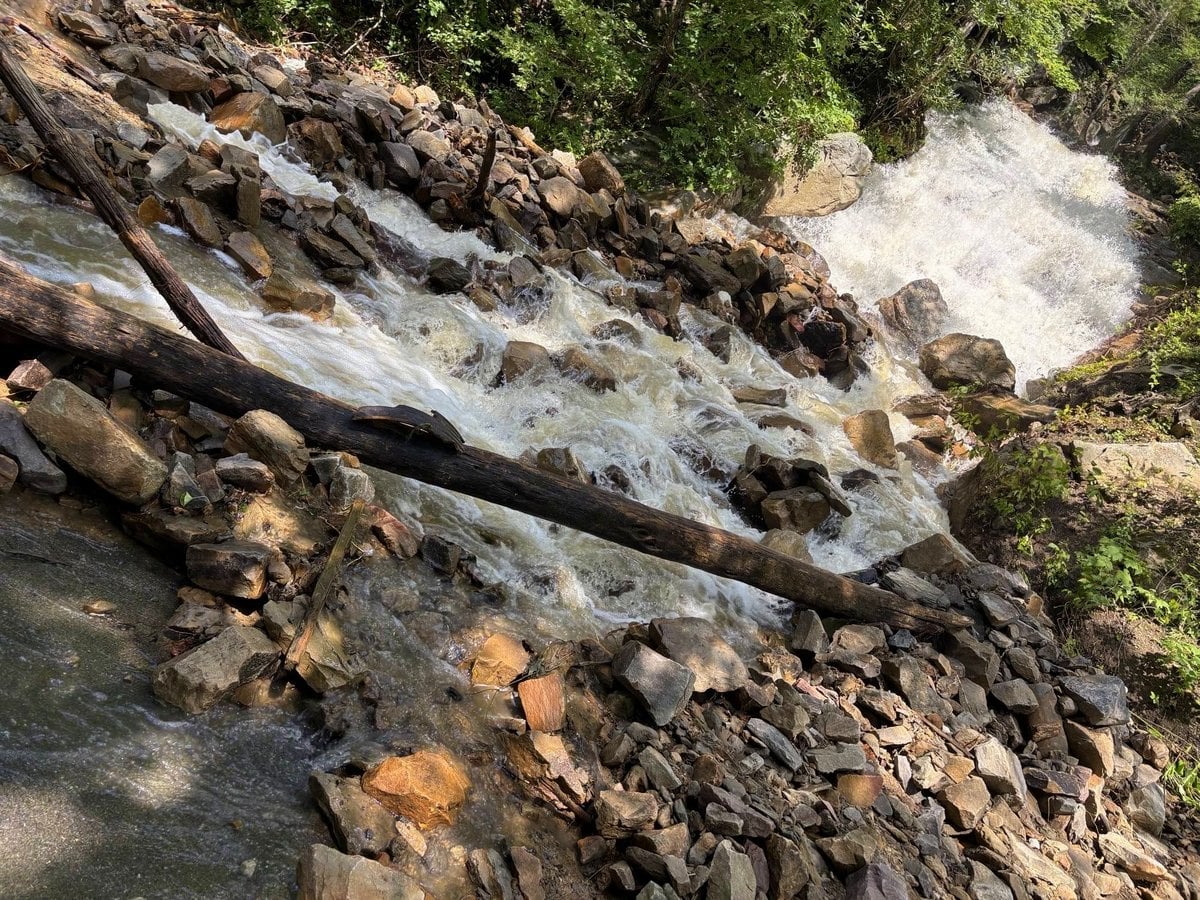
The closures come amid another bout of severe summer weather in southern West Virginia, where repeated heavy rainfall has left some areas vulnerable to further flooding.
More than 1,200 customers in Fayette County were without power Sunday morning after storms and heavy rainfall, and flooding was reported in communities including Cunard, Ansted, Victor, Minden, Mount Hope and Gauley Mountain.
With additional rain expected overnight, conditions on park roads could change quickly.
Park officials urged visitors to use caution around streams, low-lying areas, and roads descending into the gorge, and said they would issue additional updates as conditions change.
New River Gorge draws nearly 2 million visits
New River Gorge National Park and Preserve has become one of West Virginia’s most important tourism destinations, drawing a record 1.96 million recreation visits in 2025, according to National Park Service statistics. Visitation has increased substantially since the former New River Gorge National River was redesignated as a national park and preserve in 2021.
The park protects more than 70,000 acres along 53 miles of the New River, extending through a rugged gorge in southern West Virginia. Unlike national parks centered on a single entrance, New River Gorge is reached via a network of highways, narrow secondary roads, and steep routes descending from communities along the rim to the river. That geography makes roads such as those at Cunard, Fayette Station, and Glade Creek particularly important for reaching recreation areas along the New River.
The gorge is nationally known for whitewater rafting and rock climbing and also attracts visitors for hiking, fishing, mountain biking, camping, and sightseeing. The National Park Service lists nearly 100 miles of hiking trails and more than 1,600 established climbing routes.
Many of its most popular recreational activities depend on access to the river and lower gorge, making storm-related road closures potentially significant for visitors even when much of the larger national park remains open.