
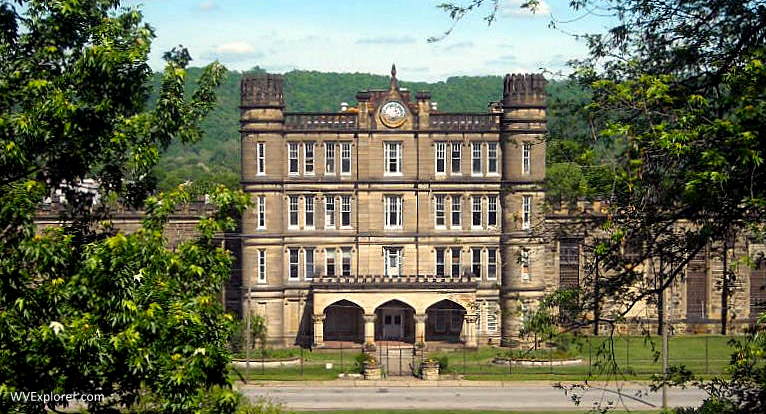
MOUNDSVILLE, W.Va. — Behind stone walls 24 feet high, as many as 2,000 people were once confined in a massive Gothic prison that spanned three city blocks in the heart of this Ohio River community.
For 129 years, the West Virginia Penitentiary operated in Moundsville, growing from an institution created shortly after statehood into an overcrowded prison that witnessed executions, deadly riots, and, eventually, a court battle over conditions inside.
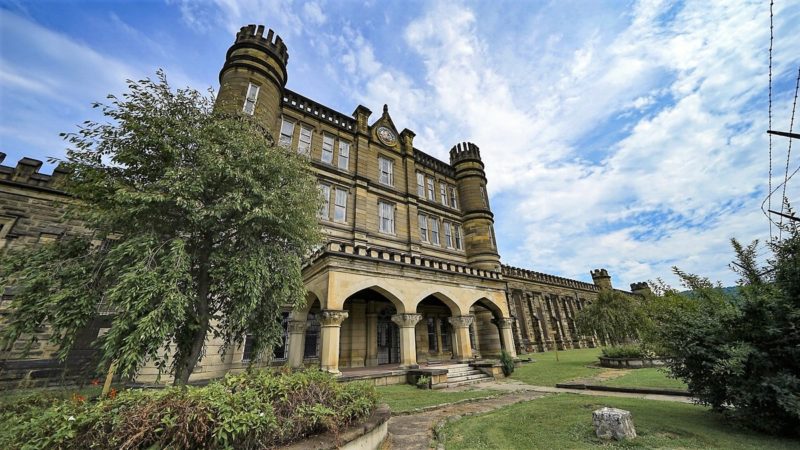
The last prisoners left in 1995, but the penitentiary remains standing. Its sandstone walls, towers, cellblocks, and battlements preserve one of West Virginia’s most imposing historic landmarks and serve as a physical record of how the state’s approach to incarceration changed over more than a century.
Today, visitors can walk through the same gates and cellblocks on historical tours of a prison whose story began when West Virginia was only three years old.
A new state needed a prison
When West Virginia entered the Union in 1863, it had no state penitentiary. People convicted of crimes were confined in county jails, a system that quickly proved inadequate as the new state established its government and institutions.
In 1864, Gov. Arthur I. Boreman directed that convicted felons from across West Virginia be held at the Ohio County Jail in Wheeling and asked the Legislature for funds to establish a state penitentiary. Lawmakers appropriated $50,000 in 1866, and the state acquired land in Moundsville.
Construction began that year. According to documentation prepared for the National Register of Historic Places, the complex’s sandstone came from several locations in the region, including areas of Marshall, Wetzel, and Ohio counties. Incarcerated laborers helped build the enormous exterior walls, which stand on foundations six feet deep and measure six feet across at their base.
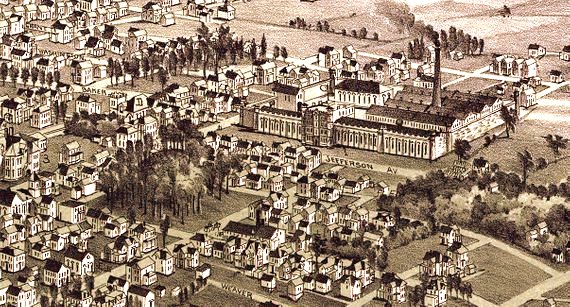
The walls rise 24 feet and taper to about 18 inches thick near the top. The south cell building was completed by 1868, while work on the outer wall, administration building, and north cell building continued into the 1870s. The resulting Gothic Revival complex eventually presented a formal facade extending about three blocks along Jefferson Avenue.
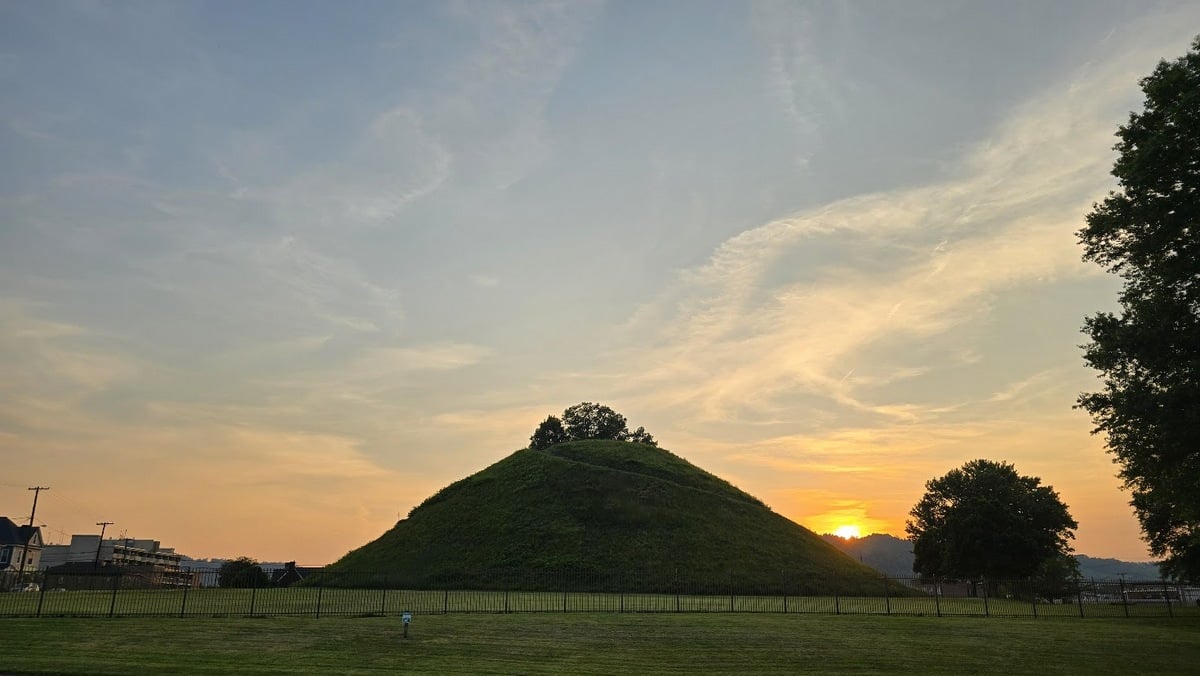
Directly across the street stood something vastly older. Grave Creek Mound, one of the largest conical burial mounds in the United States, had occupied the landscape for centuries before the penitentiary began construction.
Life inside the walls
Conditions at the penitentiary changed considerably over its long history, and no single description captures the experiences of everyone confined there between 1866 and 1995.
Moundsville imprisoned both men and women in its early years. Women remained there until 1947, when they were transferred to the newly established West Virginia Prison for Women at Pence Springs.
Work was also central to prison life. Incarcerated people manufactured brooms, whips, and men’s clothing for state use before production expanded to include soap, paint, and tobacco. By the 1950s, prison industries included license plates, signs, and printing, and vocational and educational programs were also established.
Physical conditions changed as the institution expanded. Cells in later housing areas measured about five feet by seven feet, with seven-foot ceilings, and included wall-mounted metal beds, toilets, and sinks. Some contained double bunks, although individual cells became more common beginning in the 1960s.
The prison complex also included recreation yards, basketball and baseball facilities, a chapel, a library, dining areas, and industrial buildings. Honor Hall housed people who had earned privileges through good behavior, while separate areas housed maximum-security and protective-custody prisoners.
Overcrowding, however, became one of the institution’s persistent problems.
More than 2,000 people behind the walls
At its peak, the penitentiary held more than 2,000 people. A major expansion began in 1929 and eventually doubled the prison’s size, though the project stretched across decades and was not completed until 1959. Even with the additional space, overcrowding persisted.
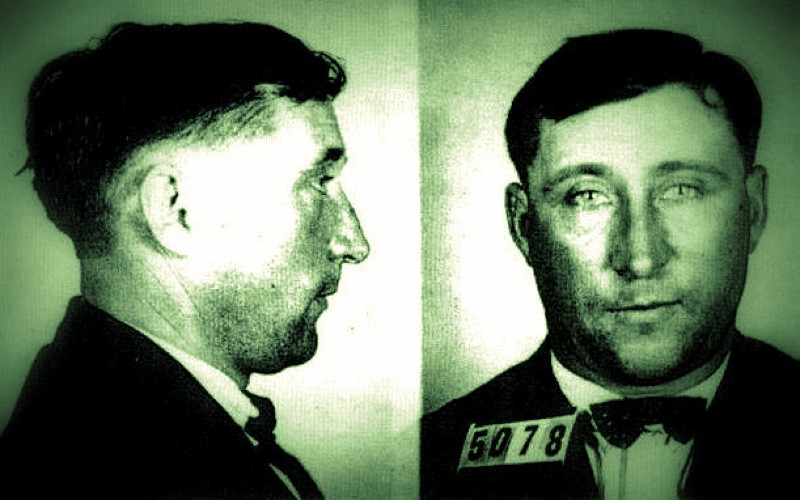
In the latter decades of the 20th century, conditions at Moundsville drew increasing scrutiny.
Deadly riots occurred in 1973 and 1979. Ohio County Circuit Judge Arthur Recht subsequently placed the institution under judicial control, and state officials attempted to improve conditions. Another major disturbance erupted on New Year’s Day 1986.
At the same time, the law was determining the prison’s future. The West Virginia Supreme Court of Appeals concluded that conditions at the penitentiary violated constitutional protections against cruel and unusual punishment and required the state to replace the aging institution.
The transition took years. On March 27, 1995, officials transferred the remaining prisoners to the Mount Olive Correctional Complex in Fayette County. After 129 years, West Virginia’s penitentiary at Moundsville was empty.
Executions at Moundsville
For much of its history, the penitentiary also served as the site of state executions.
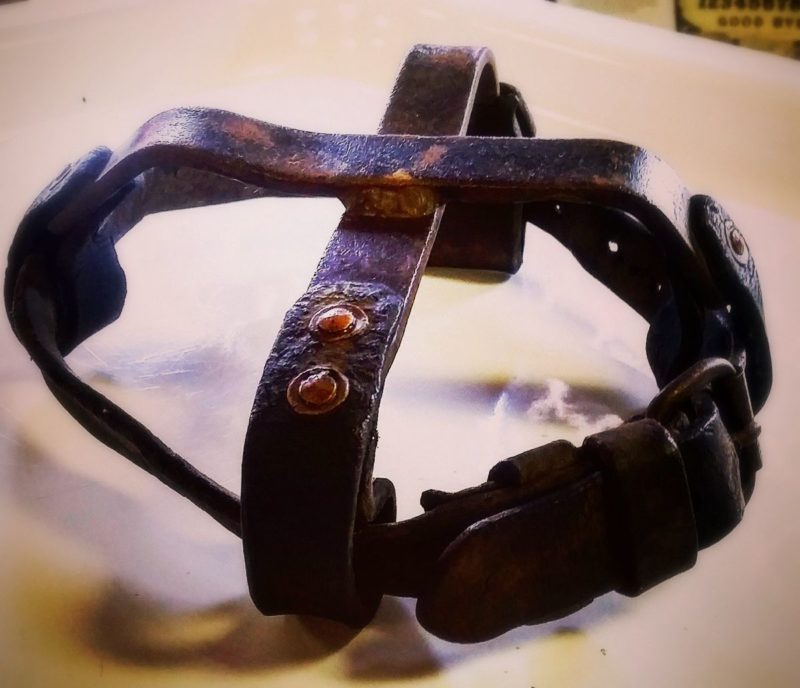
A separate Death House once stood in the north recreation yard and was used for hangings and, later, electrocutions. According to National Register documentation, the structure was removed around 1965 after West Virginia abolished capital punishment.
The execution facilities were only one function of a much larger institution. Across generations, the penitentiary reflected changing approaches to incarceration, prison labor, security, education, and rehabilitation.
Those changes still trace through its architecture. Administrators constructed, altered, and sometimes demolished buildings in response to new standards and an expanding population, while the sandstone perimeter and Gothic facade remained defining features of the complex.
What happened after the prison closed
The end of incarceration at Moundsville did not end the penitentiary itself.
The historic complex survived and is now operated by the Moundsville Economic Development Council. Its listing on the National Register of Historic Places recognizes both its architecture and its significance in West Virginia history.
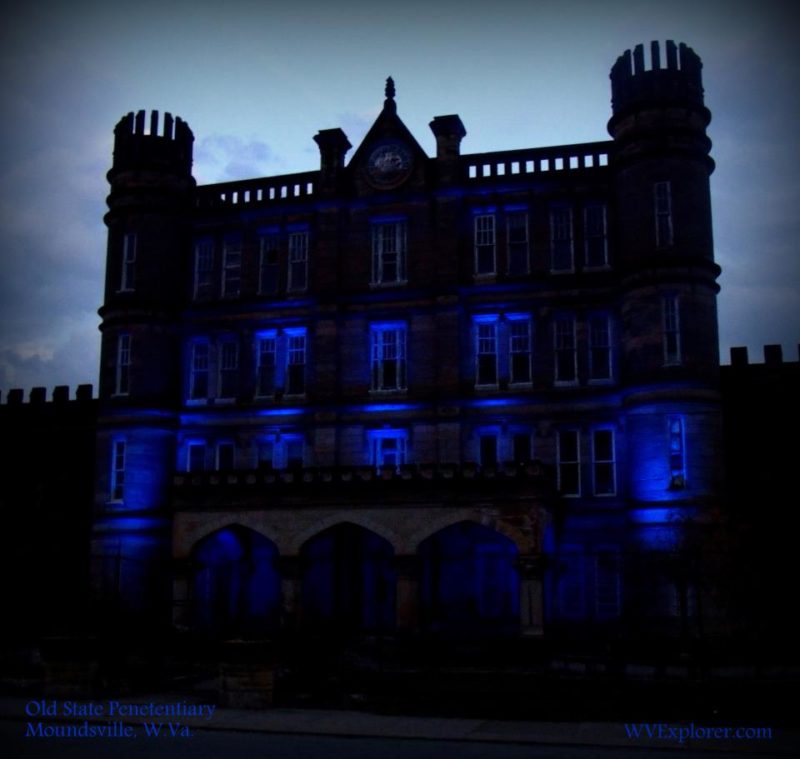
Visitors today can take guided historical tours through portions of the former prison, while photography tours and special events provide additional access to the complex.
The penitentiary has also become widely associated with paranormal tourism. Its operators offer public ghost hunts and private paranormal investigations that allow participants to spend hours inside the former prison, including overnight events.
Claims of paranormal activity are not established historical facts, but the prison’s reputation for such reports has become part of its modern identity as a tourist attraction. However, its documented history is substantial on its own.
For generations, thousands of people lived and worked behind Moundsville’s walls. Some stayed for relatively short periods, while others stayed for years. The institution survived profound changes in West Virginia and in American ideas about incarceration before overcrowding, violence, legal challenges, and changing correctional standards brought its use as a prison to an end.
Nearly three decades after the last prisoners departed, much of the physical institution remains.
Its sandstone facade still extends along Jefferson Avenue opposite Grave Creek Mound. Towers rise above the street, cells remain behind the walls, and gates once intended to keep people inside now open for visitors seeking to understand what happened there.
Thanks for the post, but you should be told the truth.
I visited the prison,I think in the 70’s .Purchased the desk of Warden Smith and the Bell He summoned employees with at His Widows auction in Charlestown. I can’t remember the year. I think She was going to a Nursing home She was in a Wheelchair at the time and confirmed the two items.