
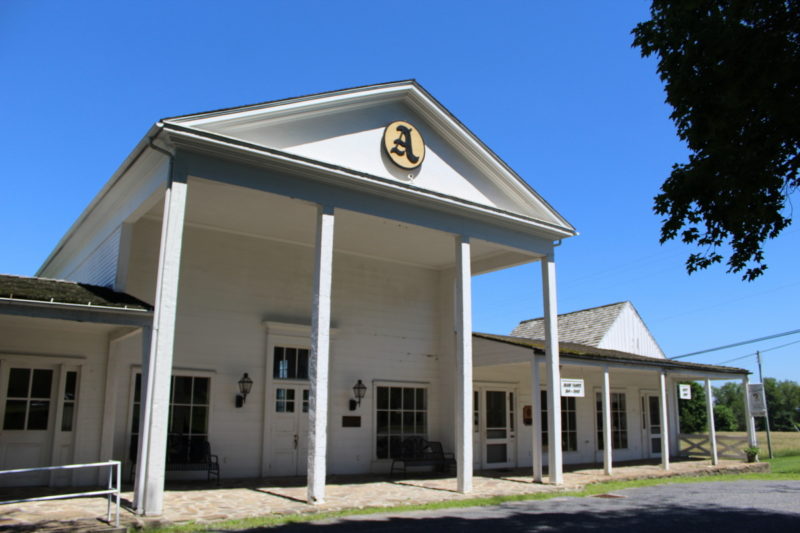
ARTHURDALE, W.Va. — A small West Virginia community built from the ground up by the federal government during the Great Depression has received one of the nation’s major historic preservation honors.
Arthurdale Heritage received the 2026 Trustees’ Emeritus Award for Historic Site Stewardship Tuesday evening from the National Trust for Historic Preservation during its National Preservation Summit in Washington, D.C.
But Arthurdale’s national significance began more than 90 years ago, when President Franklin D. Roosevelt’s administration tried something extraordinary in the mountains near Morgantown: building an entirely new community for families struggling during the Depression.
Arthurdale became the first of 100 homestead communities built from the ground up by the federal government, according to the National Park Service. The project offered families new homes, land, and employment opportunities while testing ideas about how communities might overcome poverty.
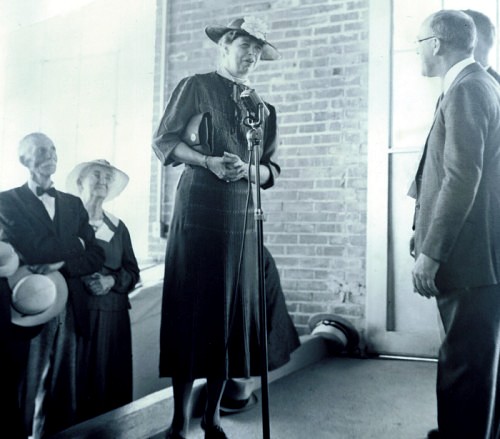
It also became one of First Lady Eleanor Roosevelt’s favorite projects.
The government built more than houses
Roosevelt became involved after learning about the severe poverty facing coal-mining families in the Scotts Run area of northern West Virginia near Morgantown. She visited the region and became a powerful advocate for the planned community.
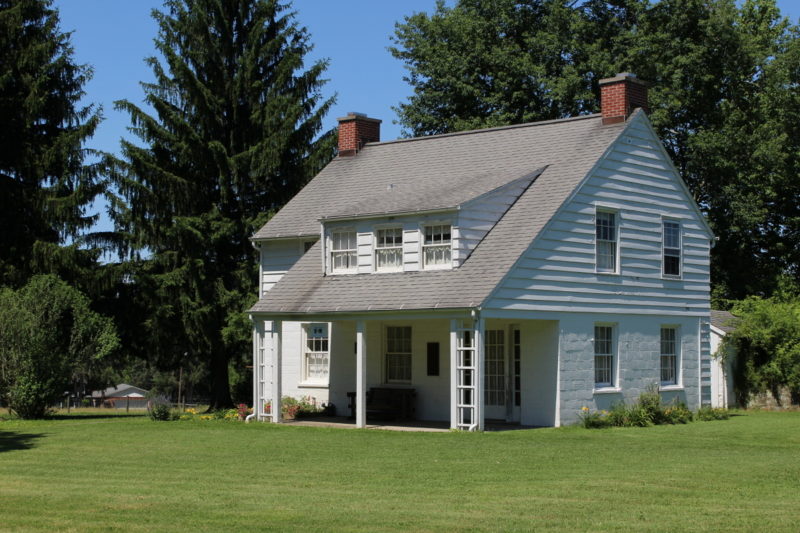
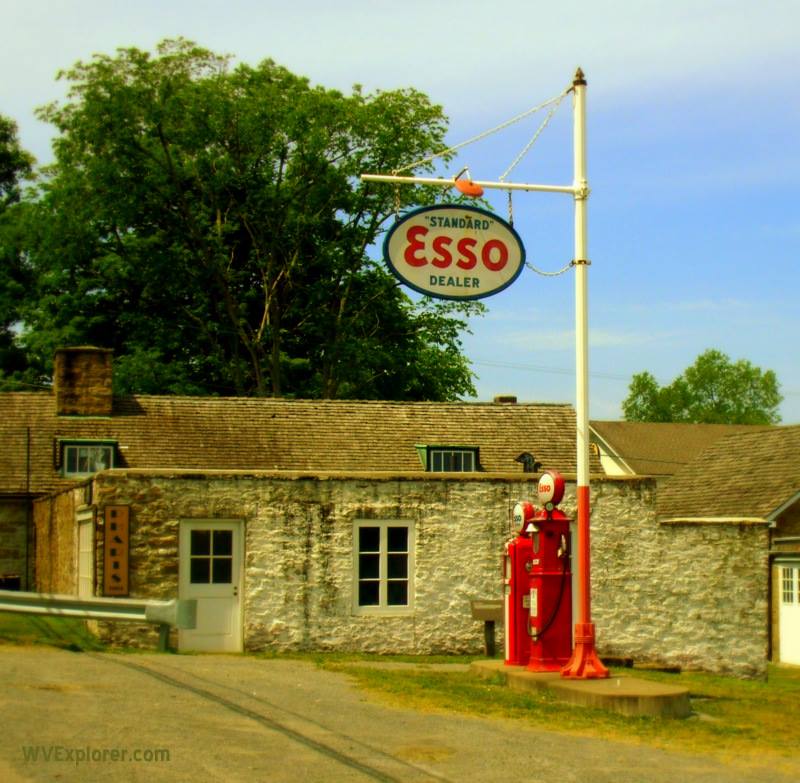
The government built 165 homes, six schools, a furniture factory, chicken and dairy farms, a metalworking shop, offices, a store, community hall, hand-loom shop, pottery kiln, and inn, according to Jim Comstock’s West Virginia Heritage Encyclopedia, published in 1976.
Individual homesteads were designed to help families support themselves. Each included three to four acres of tile-drained land, along with a root cellar, barn, chicken house, corn crib, pig pen, electric pump, and fruit trees, Comstock wrote.
The American Friends Service Committee selected residents from struggling coal-mining communities.
For families accustomed to inadequate housing, Arthurdale could represent a dramatic change. The new houses included indoor plumbing and modern conveniences, while children attended an experimental school and adults worked to develop a cooperative local economy.
Roosevelt’s involvement went well beyond ceremonial visits. She helped promote the community and took an interest in its homes, schools, and economic development.
Arthurdale became a nationally watched test of New Deal ideas about poverty, housing, and government’s role, but the experiment did not unfold as its planners envisioned.
Arthurdale became controversial
Creating a self-supporting economy proved difficult, and critics attacked Arthurdale in the press as a wasteful government “boondoggle,” according to Comstock.
The community also reflected the era’s racial discrimination. Black families were excluded from Arthurdale. The National Park Service notes that Eleanor Roosevelt unsuccessfully advocated for their inclusion, an episode that became part of her developing involvement with Black civil rights leaders.
Federal support was eventually curtailed. During World War II, four school buildings were transferred to the Preston County Board of Education, while other properties gradually passed into private ownership.

Yet the end of the federal experiment did not mean the end of Arthurdale. Felix G. Robinson, a former pastor of Arthurdale Community Church, later argued that planners had underestimated something fundamental: government could construct a community, but it could not determine how the people living there would ultimately shape it.
Arthurdale evolved from a government-owned project into a community owned by many individuals, with agriculture and small industry continuing after the original experiment had ended.
Its houses and community buildings survived, along with the history of families who had participated in an unusual chapter of American life. Preserving that history eventually became another challenge.
Residents organized to save Arthurdale
In 1985, local residents formed Arthurdale Heritage as surviving pieces of the original community faced decline and neglect.
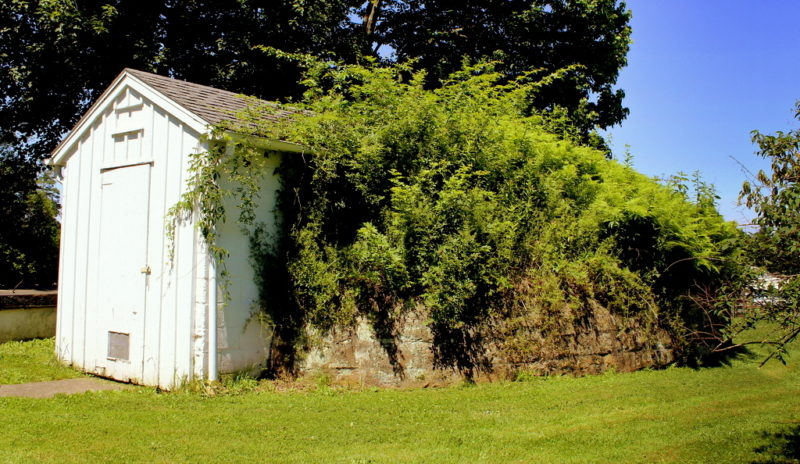
Over the next four decades, the organization restored historic buildings, collected photographs, documents, and artifacts, developed educational programs, and created a heritage campus where visitors could learn about the people who lived through the experiment.
“For more than four decades, Arthurdale Heritage, Inc., has demonstrated exceptional stewardship of the nation’s first New Deal homestead community,” the National Trust said in announcing the award.
The National Trust also cited the organization for connecting visitors with the original homesteaders, broadening interpretation of Arthurdale’s history and keeping traditional crafts alive.

The award was presented before more than 500 preservation leaders gathered in Washington, D.C. Arthurdale Heritage was one of eight recipients honored with 2026 National Preservation Awards.
For Arthurdale, the recognition comes more than 90 years after the federal government began its experiment in the West Virginia mountains and 41 years after residents organized to preserve what survived.
The federal government built Arthurdale, though the people who inherited it ultimately became responsible for preserving its complicated story.