
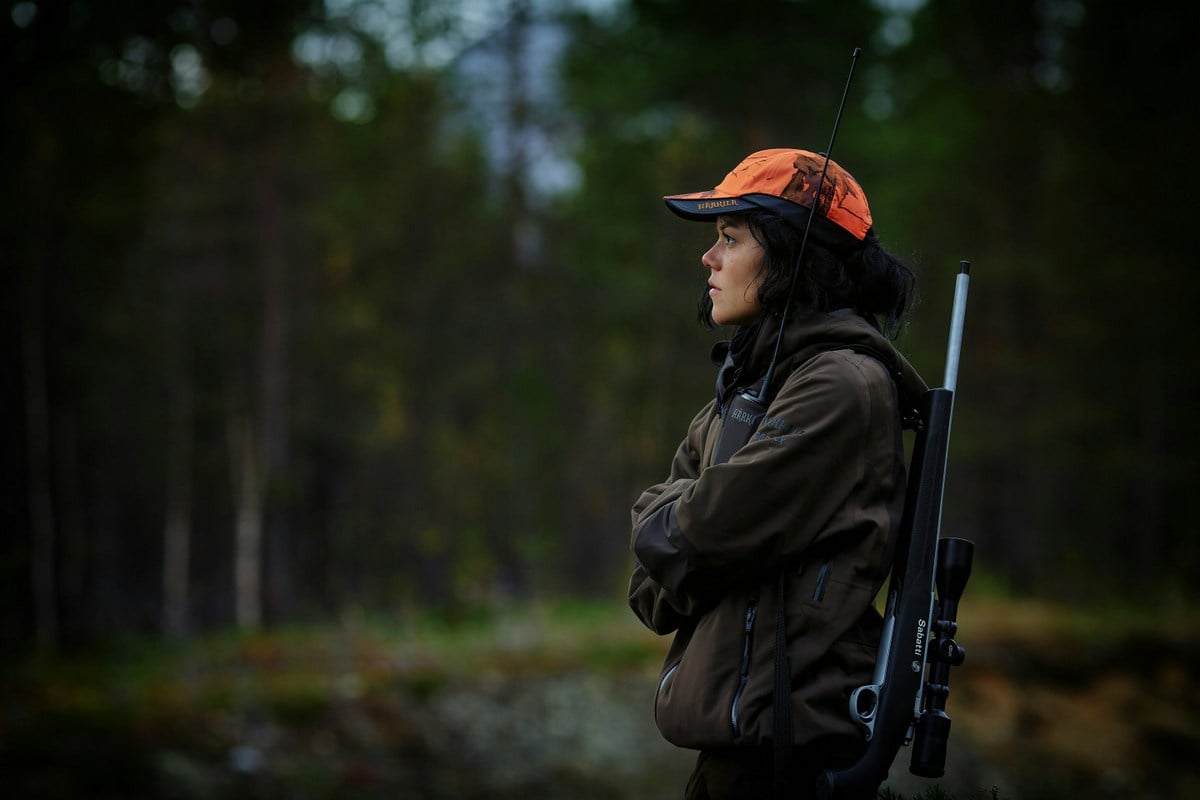
BERKELEY SPRINGS, W.Va. — Women make up only about 17 percent of America’s active hunters, yet they now account for a remarkable 33 percent of newcomers to the pursuit.

Some say it signals the world of hunting and fishing is changing, and West Virginia is preparing to help more women join it.
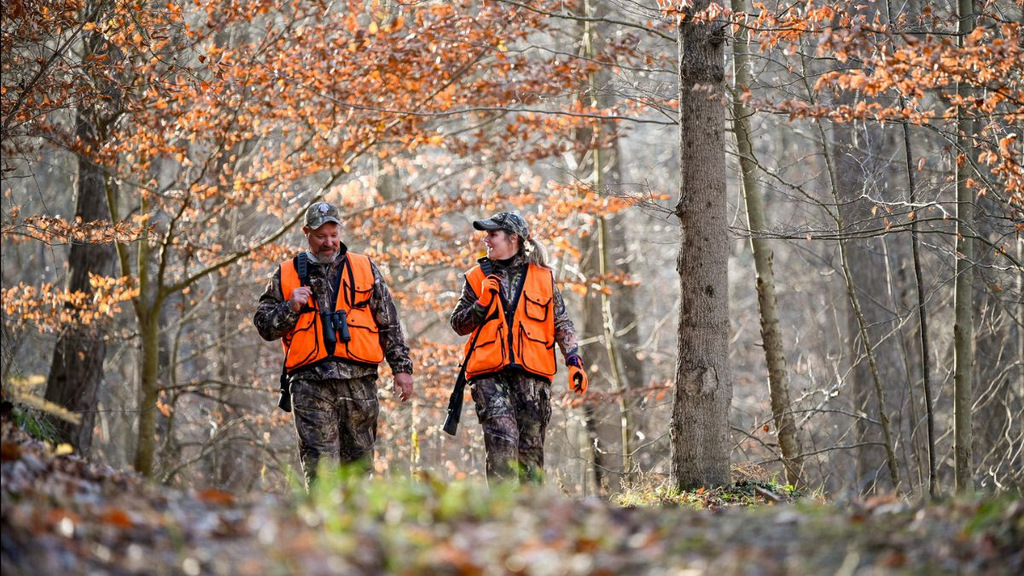
Registration is now open for the W.Va. Division of Natural Resources’ Becoming an Outdoors Woman fall workshop, a three-day program that teaches skills ranging from archery and fly fishing to shelter building and stream ecology.
The Sept. 25–27 workshop at Cacapon Resort State Park near Berkeley Springs will offer more than 20 hands-on classes and is limited to 75 participants.
“We aim to provide a comfortable space for participants to learn a new skill or build their confidence in a certain area,” said Emily McCabe, state coordinator for Becoming an Outdoors Woman.
“Our mission with BOW is to encourage, support and instruct participants in skills such as hunting, fishing and outdoor recreation, in hopes they discover a newfound passion for the outdoors.”
Women represent a growing share of newcomers
National research suggests that programs designed to introduce women to hunting and fishing are arriving at an important time.
Women account for 17 percent of active hunters nationwide but 33 percent of new entrants, according to an analysis released by the U.S. Fish and Wildlife Service.
The pattern is also evident in fishing. Women account for 30 percent of active anglers but 37 percent of newcomers. Federal researchers say the figures could indicate that women are being introduced to hunting and fishing at higher rates than in the past.
They also caution that the numbers could indicate women are more likely to leave the pursuit after trying it. That second possibility has increasingly drawn researchers’ attention.
A peer-reviewed study published in 2026 examined programs designed to recruit, retain, and reactivate women hunters and anglers. Researchers conducted 11 focus groups with 72 participants in women’s outdoor programs.
They found that effective programs did more than teach technical skills. Supportive learning environments helped participants build confidence and networks of people they could later hunt and fish with independently.
Researchers concluded that women learning outdoor skills through such programs have helped slow the decline in hunting and fishing participation.
An idea that started with 100 women
The concept behind Becoming an Outdoors Woman dates to 1991, when Christine Thomas at the University of Wisconsin-Stevens Point developed a new approach to outdoor education.
Thomas recognized that many women were interested in outdoor pursuits but had limited opportunities to learn the necessary skills in an environment where they felt comfortable asking questions and learning at their own pace.
The first workshop was held at Treehaven Field Station in northern Wisconsin and drew more than 100 women, filling to capacity
What began as a single experiment grew into a network of programs across the United States and Canada. Becoming an Outdoors Woman programs are now offered through partner organizations in more than 30 states and five Canadian provinces.
The underlying idea has remained largely unchanged: Give women an opportunity to learn outdoor skills by doing them.
More than 20 classes offered in West Virginia
West Virginia’s fall workshop will feature more than 20 classes covering hunting, fishing, and other outdoor pursuits. This year’s event includes archery, fly fishing, basic shelter-building, and stream ecology.
Classes rotate each year, allowing returning participants to learn new skills. Women of all experience levels are encouraged to participate, including those trying an outdoor activity for the first time.
The event will be held at Cacapon Resort State Park, a mountain recreation destination near Berkeley Springs in West Virginia’s Eastern Panhandle. Registration costs $225 and includes instruction, required equipment, and meals.
Lodging is available separately. Participants in a fishing class must also purchase a West Virginia fishing license and trout stamp and submit a copy with their registration and fees.
With attendance capped at 75, state officials encourage interested participants to register early. For women who have wondered what it would be like to cast a fly, draw a bow, or become more comfortable in the woods, organizers say prior experience isn’t the point; learning how to begin is.
Cacapon Resort State Park is particularly accessible to residents of the Washington and Baltimore metropolitan areas.
Located in West Virginia’s Eastern Panhandle near Berkeley Springs, the park is within about two hours of both major cities and even closer to communities in Northern Virginia and western Maryland. Its location lets participants leave one of the nation’s largest urban regions and spend a weekend learning outdoor skills in West Virginia’s mountains.