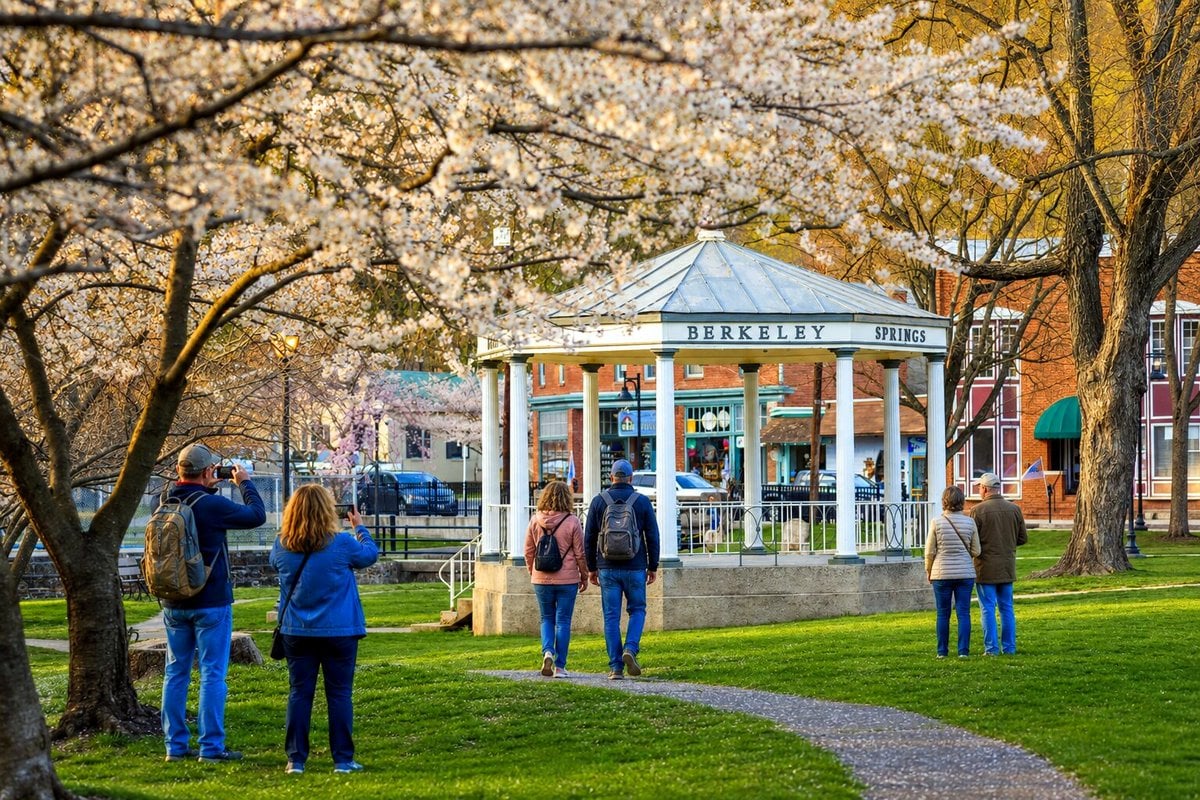
Berkeley Springs, West Virginia (WV), is a historic spa community and the county seat of Morgan County in the eastern panhandle of West Virginia. Officially incorporated as the Town of Bath, it is popularly known as Berkeley Springs, the name used by its post office and most businesses. The community is best known for its warm mineral springs, Berkeley Springs State Park, its historic spa industry, arts community, and association with George Washington.

The town lies about six miles south of the Potomac River and Hancock, Maryland, near the northern edge of West Virginia. Its proximity to Interstate 70 and the Washington and Baltimore metropolitan areas has helped establish it as one of the state’s principal weekend and resort destinations.
Berkeley Springs occupies a narrow valley along Warm Springs Run between Warm Springs Ridge and surrounding uplands. Mineral water emerging at the base of the ridge has shaped settlement and tourism in the area since the colonial period.
Berkeley Springs and Bath
Berkeley Springs is unusual because the community is widely known by a name different from its legal municipal name.
The Virginia General Assembly established the Town of Bath in 1776, naming it after Bath, England, a famous European spa community. Bath remains the incorporated name of the municipality.
The name Berkeley Springs came into widespread use for the settlement and its post office and eventually became the name by which the community was generally known outside local government. Berkeley refers to Norborne Berkeley, Baron de Botetourt, who served as colonial governor of Virginia.
Both names therefore remain in use. Municipal documents may refer to the Town of Bath, while maps, highway signs, businesses, tourism organizations, and postal addresses generally use Berkeley Springs.
Mineral springs
The warm mineral springs at the heart of the town are the natural feature around which the community developed.

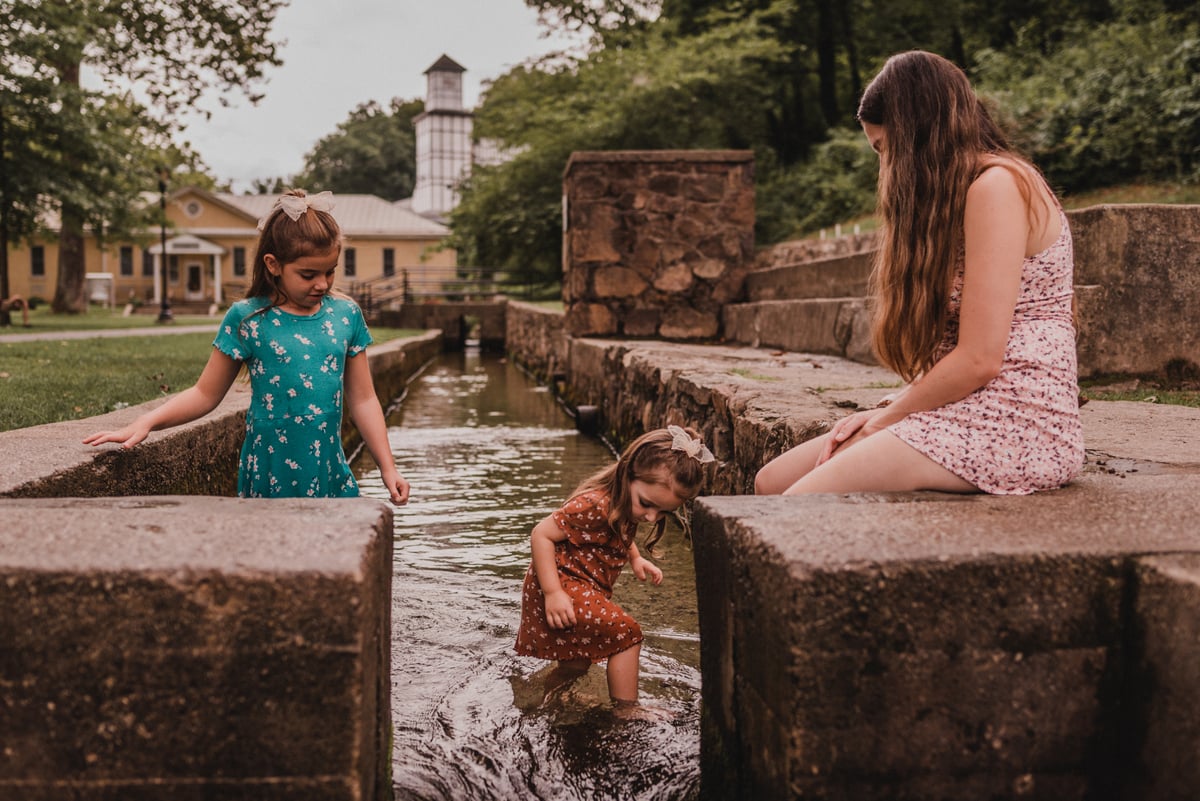
Water emerges from several springs at about 74 degrees Fahrenheit year-round. The springs discharge along Warm Springs Ridge into what is now the central portion of Berkeley Springs State Park.
Indigenous peoples were familiar with the springs before European settlement, and colonial travelers were visiting them by the middle of the 18th century. Early maps and accounts referred to the locality as “Warm Springs” or “Medicine Springs.”
The water is warm rather than geothermally hot. Its nearly constant temperature, mineral content, and accessibility, however, made the site an important early spa destination.
The springs remain publicly accessible in the park. Visitors may see and touch the water at several locations, and public drinking-water sources allow water to be collected for personal use.
Bathing facilities continue the spa tradition that gave the community its identity.
Berkeley Springs State Park

Berkeley Springs State Park occupies approximately four acres in the center of town and protects the historic mineral springs.
Unlike most West Virginia state parks, the park is primarily an urban and historical site rather than a large tract of forest or wilderness. Streets, stores, restaurants, and other downtown buildings surround it.
Bathhouses and spa facilities associated with the springs have operated at the site in various forms for generations. The park includes historic structures, bathing facilities, public springs, and landscaped grounds.
Its location makes the park the geographic and cultural center of the town.
History
The recorded history of the community dates to the colonial period, when travelers crossed the Appalachian frontier to visit the warm springs.
George Washington visited the springs in 1748 while working as a young surveyor in the region. He returned on later occasions and owned property in the town after it was formally established.
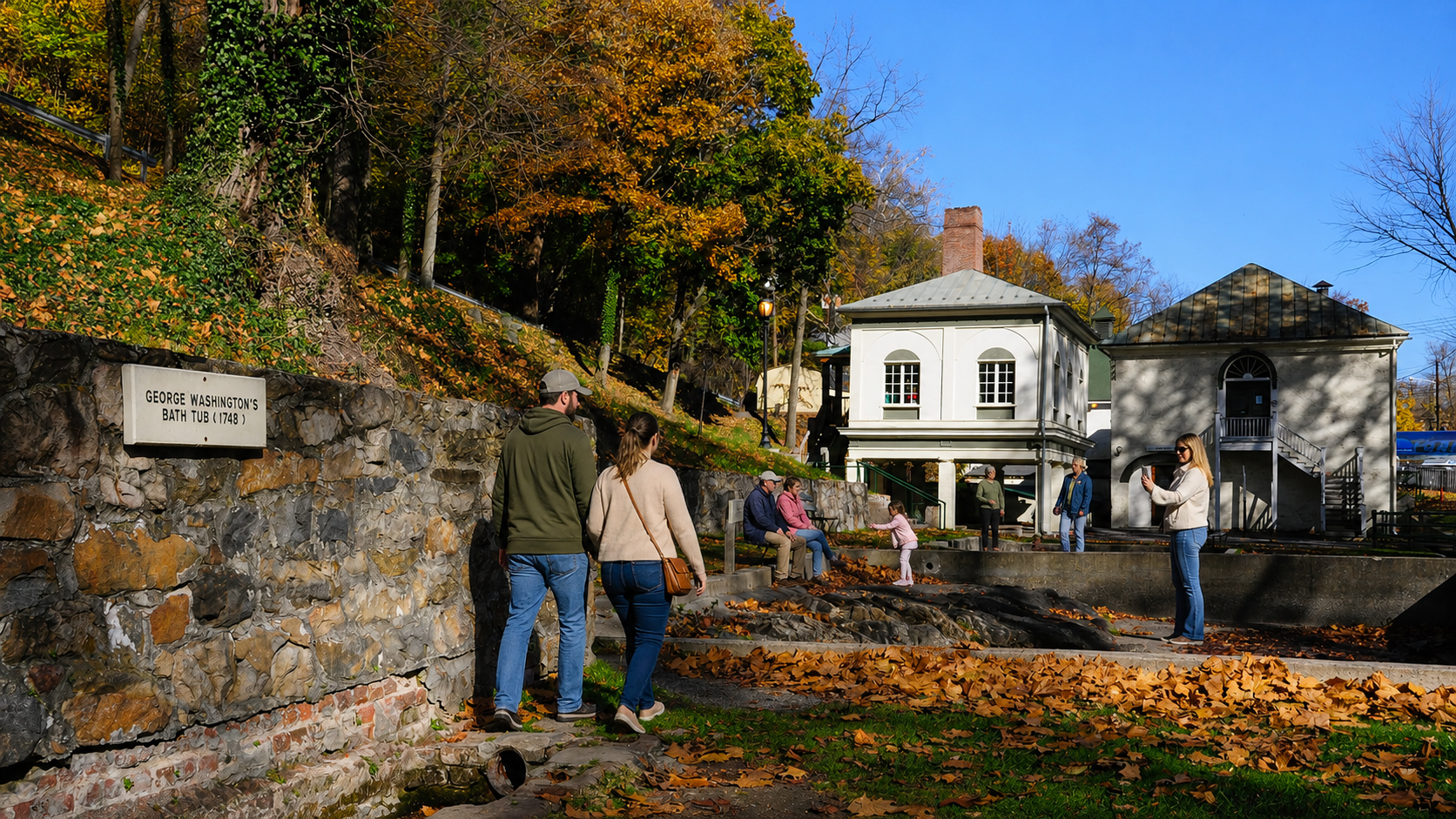
Washington’s connection with the springs became one of the best-known elements of local history. A small, stone-lined bathing area in Berkeley Springs State Park is traditionally identified as George Washington’s bathtub, though the present structure is a commemorative feature rather than an intact 18th-century bath.
Growing interest in the springs prompted the Virginia legislature to establish Bath in 1776. Streets and lots were laid out around land reserved for public use at the springs.
The community developed as a health and leisure resort during the 18th and 19th centuries. Inns, boarding houses, and bathing establishments accommodated visitors who traveled to the springs, particularly during the warmer months.
Before modern air conditioning, mineral-spring resorts in the Appalachian Mountains attracted visitors seeking both the purported health benefits of mineral water and relief from summer heat in lower-elevation cities and plantations.
Berkeley Springs continued to develop as a resort and county seat after Morgan County was established in 1820.
George Washington in Berkeley Springs

George Washington’s association with Berkeley Springs began decades before he became president of the United States.
Washington first encountered the springs while surveying lands in the region for Thomas Fairfax, Sixth Lord Fairfax of Cameron. His surviving writings document visits to the area.
When Bath was established, Washington acquired property in the new town. Several of the original town lots were owned by members of the Washington family.
His connection with Berkeley Springs reflects the broader importance of the upper Potomac and Shenandoah regions during Washington’s early career as a surveyor and landowner.
James Rumsey
Inventor James Rumsey lived and worked in Bath during the late 18th century and is closely associated with the early development of mechanically powered boats.
Rumsey operated an inn in the community and demonstrated mechanical inventions to George Washington. He later experimented with steam-powered navigation on the Potomac River at Shepherdstown.
The James Rumsey Technical Institute and other regional names commemorate his work.
Geography
Berkeley Springs is in northeastern Morgan County in the Eastern Panhandle of West Virginia.
The town lies within the Ridge-and-Valley section of the Appalachian Mountains, where long, generally parallel ridges are separated by narrow valleys.
Warm Springs Ridge rises immediately west of downtown. The broader landscape includes Cacapon Mountain and Sleepy Creek Mountain.
Warm Springs Run flows through the community and eventually enters the Potomac River watershed. The mountainous setting has shaped settlement patterns, transportation, and recreation throughout Morgan County.
Morgan County
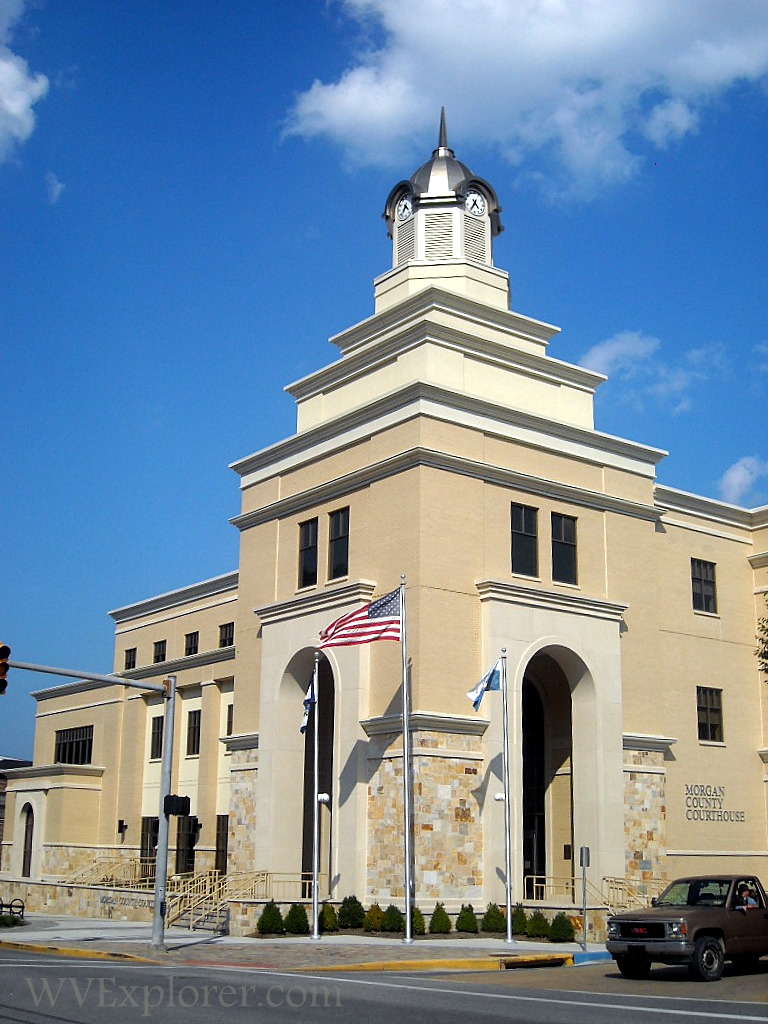
Berkeley Springs is the county seat of Morgan County. Morgan County was created in 1820 from portions of Hampshire and Berkeley counties and named for Gen. Daniel Morgan, an officer in the American Revolutionary War.
The county extends from the Potomac River southward through a predominantly mountainous, rural landscape.
Other communities in Morgan County include Great Cacapon and Paw Paw, while large portions of the county consist of forests, farms, residential development, and vacation properties.
Population
Berkeley Springs, population 753 in 2026, is a small incorporated community that serves a considerably larger rural population in Morgan County.
Its role as a county seat and tourist destination gives the town commercial and cultural importance disproportionate to its municipal population. The downtown serves residents of surrounding rural communities as well as seasonal and weekend visitors.
Population figures for Berkeley Springs may appear in federal statistics under its official incorporated name, Bath, West Virginia.
Downtown Berkeley Springs
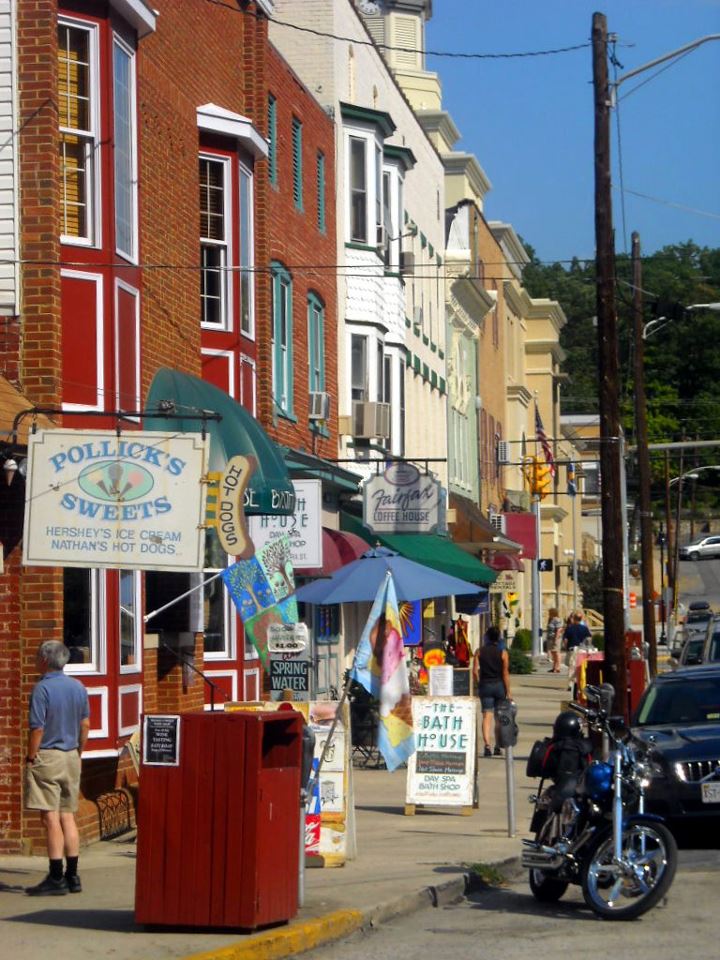
Downtown Berkeley Springs developed around the mineral springs and Berkeley Springs State Park.
The central business district includes restaurants, galleries, antique stores, specialty shops, lodging establishments, and professional offices. Much of the commercial district is walkable.
Historic buildings from several periods remain throughout the downtown area.
The close relationship among the park, courthouse, businesses, and residential streets reflects the town’s early development around the springs.
Berkeley Castle
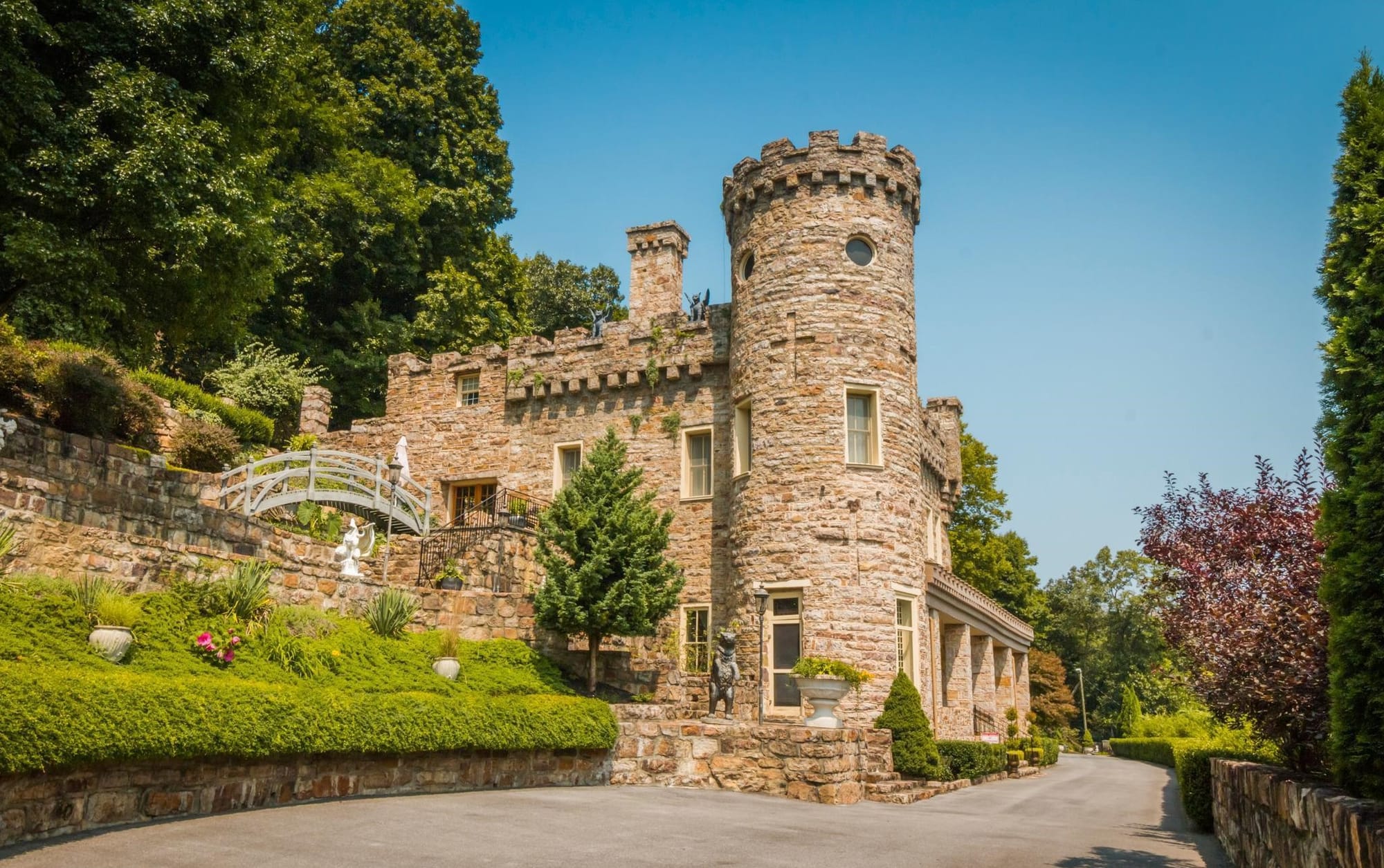
Berkeley Castle, overlooking the town from Warm Springs Ridge, is one of the community’s most recognizable landmarks.
The stone structure was built in the late 19th century as a private residence and designed to resemble a European castle. Its location above downtown makes it visible from several points in Berkeley Springs.
Though popularly called a castle, the building was constructed as a residence rather than a defensive fortification.
Arts and culture
Berkeley Springs has developed a notable arts community and supports galleries, studios, festivals, and cultural organizations.
Visual arts, crafts, music, and theater contribute to the community’s tourism economy and downtown character.
The town hosts recurring arts and cultural events throughout the year, including festivals that draw visitors from West Virginia and neighboring states.
Its proximity to Washington, Baltimore and other Mid-Atlantic population centers has helped sustain a market for galleries, crafts and cultural tourism.
Outdoor recreation
Outdoor recreation opportunities surround Berkeley Springs throughout Morgan County and neighboring parts of the Eastern Panhandle.
The area’s mountain ridges, forests, streams and parks support hiking, fishing, hunting, biking, wildlife observation and scenic driving.
Major recreation areas near Berkeley Springs include Cacapon Resort State Park, Sleepy Creek Wildlife Management Area and lands along the Cacapon and Potomac rivers.
Cacapon Resort State Park
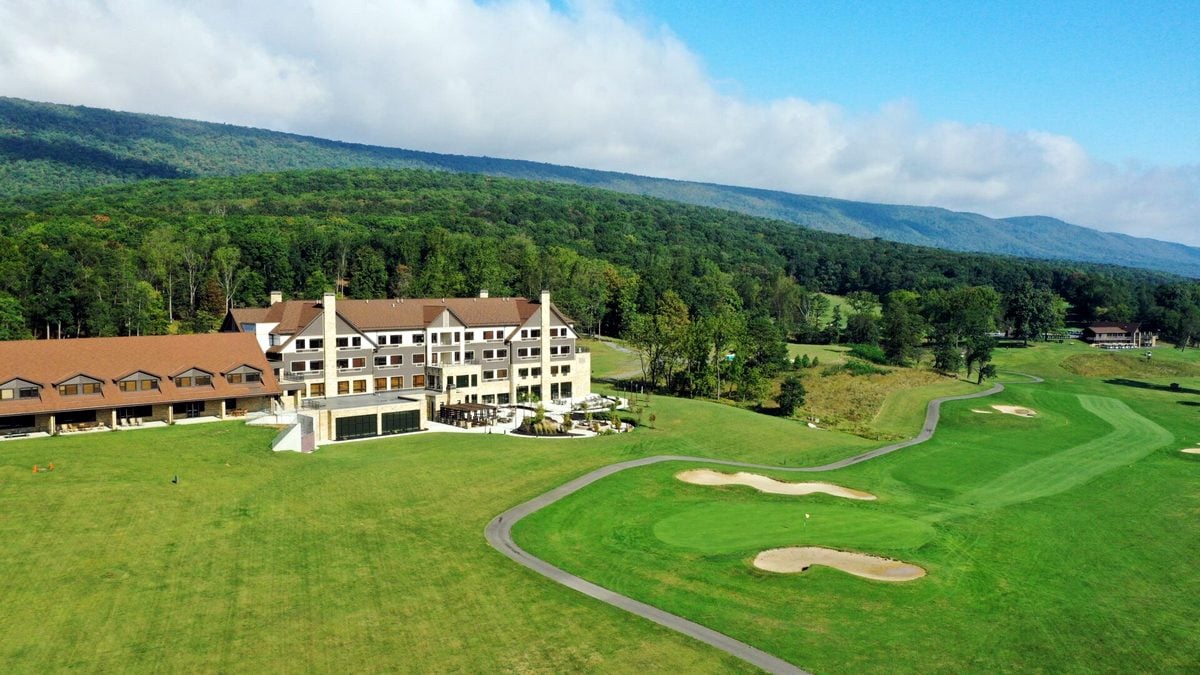
Cacapon Resort State Park is located about 10 miles south of Berkeley Springs, beneath Cacapon Mountain.
The park spans more than 6,000 acres and offers lodging, cabins, trails, golf, lake recreation, dining, and other visitor facilities.
Cacapon Mountain rises prominently above the park. Roads and trails provide access to overlooks and forested slopes.
The park and Berkeley Springs are often visited together, with the town offering shopping, dining, and spa services, and the state park providing extensive outdoor recreation.
Sleepy Creek Wildlife Management Area
Sleepy Creek Wildlife Management Area lies east of Berkeley Springs along Sleepy Creek Mountain.
The large forested area includes Sleepy Creek Lake and extensive undeveloped mountain terrain. Principal recreational uses include hunting, fishing, hiking, primitive camping, and wildlife observation.
Its relatively undeveloped landscape contrasts with the resort-oriented development surrounding Berkeley Springs and Cacapon State Park.
Cacapon River
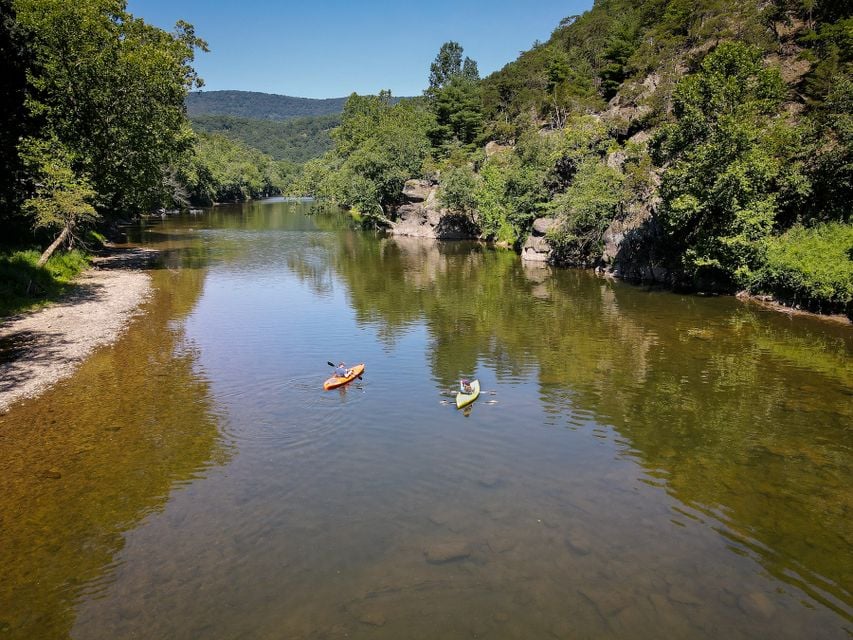
The Cacapon River flows through eastern Morgan County before joining the Potomac River.
The river and its valley offer fishing, paddling, and scenic recreation, and they form an important geographic feature of the county.
Great Cacapon, northeast of Berkeley Springs, developed near the river’s confluence with the Potomac.
Lodging
The community has served travelers for more than two centuries, and lodging remains a key part of the local economy.
Accommodations in the area include hotels, historic inns, motels, vacation rentals, cabins, and spa-oriented lodging.
Additional lodging is available at Cacapon Resort State Park and throughout rural Morgan County.
The concentration of lodging reflects the town’s ongoing role as a weekend and short-stay destination for visitors from the Mid-Atlantic region.
See also: Berkeley Springs (WV) Hotels
Dining and shopping
Restaurants and independently operated stores are concentrated in and around the downtown.
Dining options range from casual establishments to restaurants affiliated with inns and resorts. Retail businesses include art galleries, antique stores, gift shops, and specialty merchants.
The walkable downtown and the proximity of businesses to Berkeley Springs State Park distinguish the community from many more automobile-oriented resort destinations.
Transportation
U.S. Route 522 is the principal highway through the town, connecting the town northward to Hancock, Maryland, and to Interstate 70.
To the south, U.S. 522 continues through Morgan County toward Winchester, Virginia.
Interstate 70 lies approximately six miles north of the springs, providing connections east toward Hagerstown, Frederick, Baltimore, and Washington, and west toward western Maryland and Pennsylvania.
Interstate 68 begins near Hancock and provides access toward Cumberland and Morgantown.
The town’s accessibility via major highways is an important factor in its tourism economy.
Distance from major cities
Berkeley Springs is within driving distance of several major metropolitan areas and regional cities.
Washington, D.C., and Baltimore are typically reachable in about two hours, depending on traffic and destination. Hagerstown, Maryland, and Winchester, Virginia, are much closer.
The location places Berkeley Springs at the transition between the Appalachian Mountains and the densely populated Mid-Atlantic region.
Climate
The community has a humid continental climate shaped by its Appalachian setting.
Summers are typically warm and humid, while winters are cold with periodic snowfall. Temperatures vary with elevation across Morgan County, especially along higher ridges.
The natural spring water remains near 74 degrees year-round, regardless of seasonal air temperature.
Tourism
Tourism has long been a cornerstone of the town economy.
The mineral springs remain its defining attraction, though modern tourism also encompasses spas, history, the arts, dining, shopping, outdoor recreation, and special events.
The community draws visitors from across West Virginia, as well as from Maryland, Virginia, Pennsylvania, and the Washington-Baltimore metropolitan region.
Berkeley Springs’ continued identity as a spa destination represents an unusually direct link between its modern tourism economy and the natural feature around which the town was established more than two centuries ago.
Frequently asked questions
What county is Berkeley Springs, West Virginia, in?
Berkeley Springs is the county seat of Morgan County, West Virginia.
Is Berkeley Springs the same place as Bath?
Yes. Bath is the official incorporated name of the town, while Berkeley Springs is the name generally used for postal addresses, tourism and everyday reference.
What is Berkeley Springs known for?
Berkeley Springs is best known for its warm mineral springs, Berkeley Springs State Park, spa tradition, George Washington history, arts community and nearby outdoor recreation.
Are Berkeley Springs actually hot springs?
The springs are warm rather than extremely hot. Water emerges at approximately 74 degrees Fahrenheit year-round.
Did George Washington visit Berkeley Springs?
Yes. Washington first visited the springs as a young surveyor in 1748 and returned several times. He later owned property in the town.
How far is Berkeley Springs from Washington, D.C.?
Berkeley Springs is roughly a two-hour drive from Washington under typical conditions, making it one of the more accessible West Virginia mountain destinations from the capital region.
Location
The town is located approximately six miles south of the junction of I-70 and I-68 at Hancock, Maryland, and 25 minutes northwest of I-81 at Martinsburg, West Virginia. The community is a drive of approximately two hours from Washington, D.C.
The town is sometimes confused with Beckley, which is located five hours to the southwest in southern West Virginia. Berkeley Springs also appears as a locale in the Fallout 76 video game.
Map of Berkeley Springs, West Virginia
Regional Information
Berkeley Springs is located in the Eastern Panhandle Region of eastern West Virginia. Visit Travel Berkeley Springs for more information.
Latest Berkeley Springs News
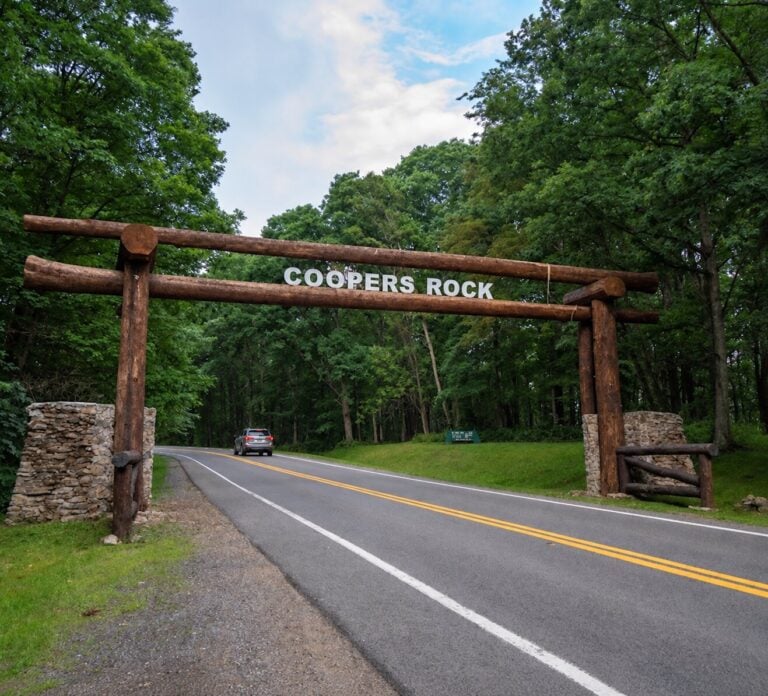
Foundation seeks to expand private funding for West Virginia State Parks projects
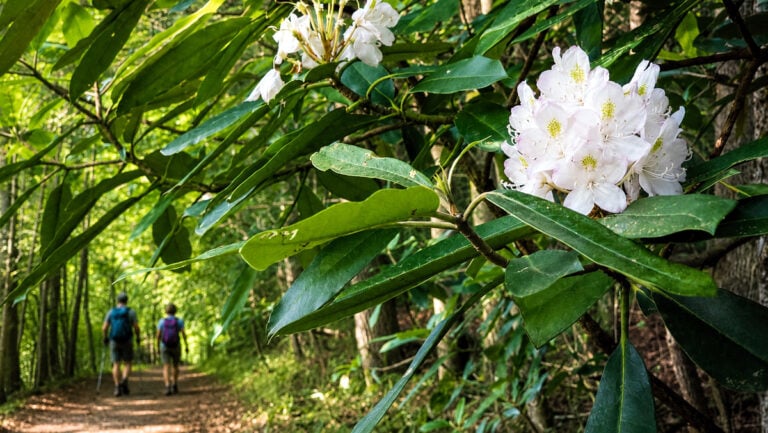
Nearly $20 million in upgrades coming to West Virginia state parks
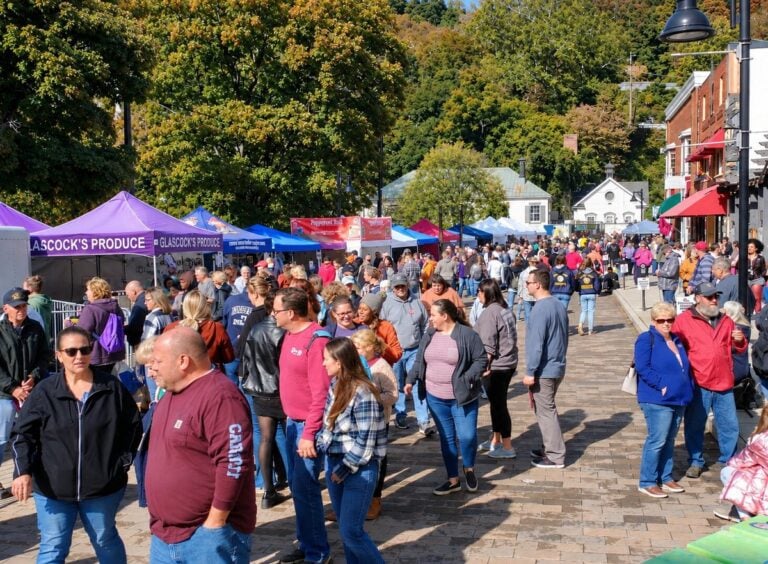
Despite damaging spring freezes, apple butter will simmer again in Berkeley Springs
West Virginia’s fall colors can defy the forecast, forester says
West Virginia has been discovered; new tourism chief says what comes next