
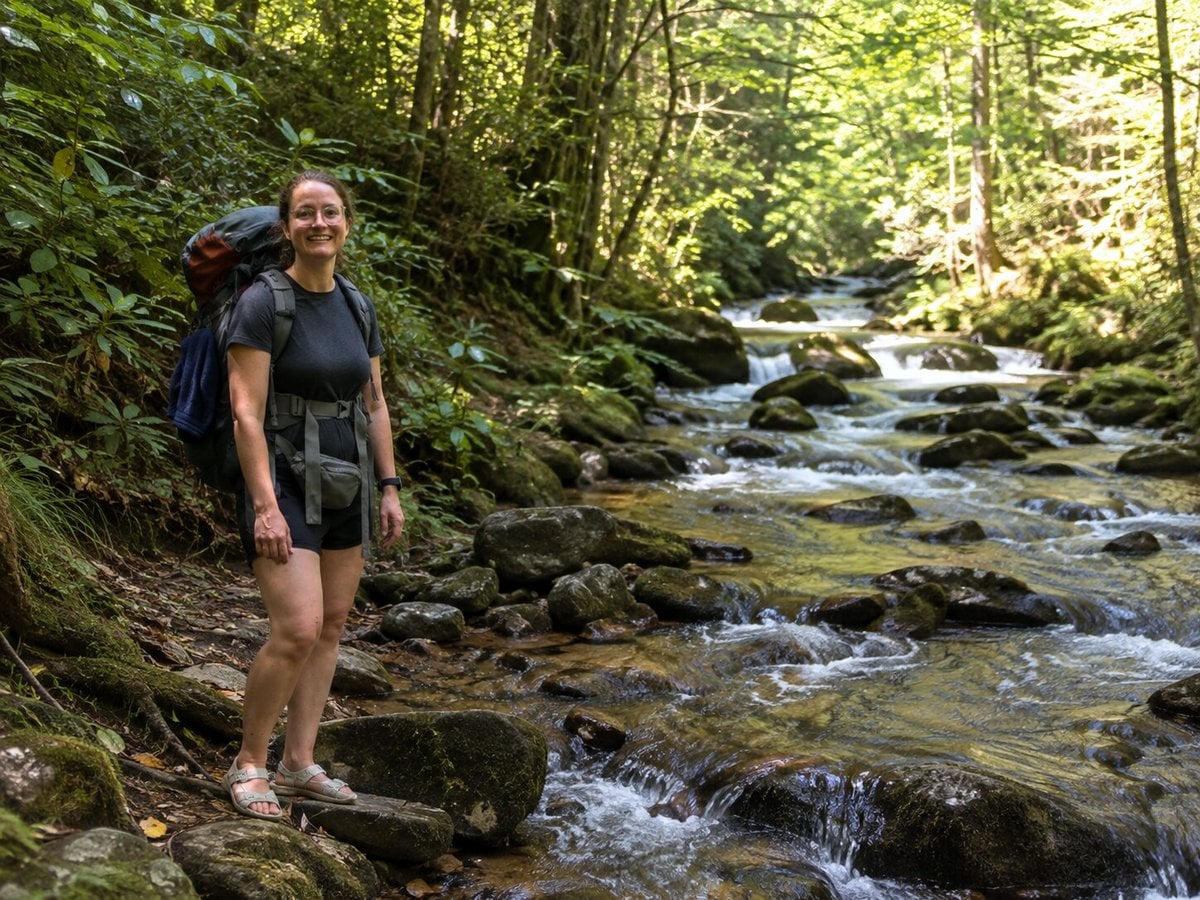
DURBIN, W.Va. — Millions of Americans know the Appalachian Trail as one of the nation’s premier hiking destinations. Far fewer realize that another long-distance footpath crosses West Virginia’s mountains, winding through forests, rivers, and remote communities before joining the Appalachian Trail at the Virginia border.

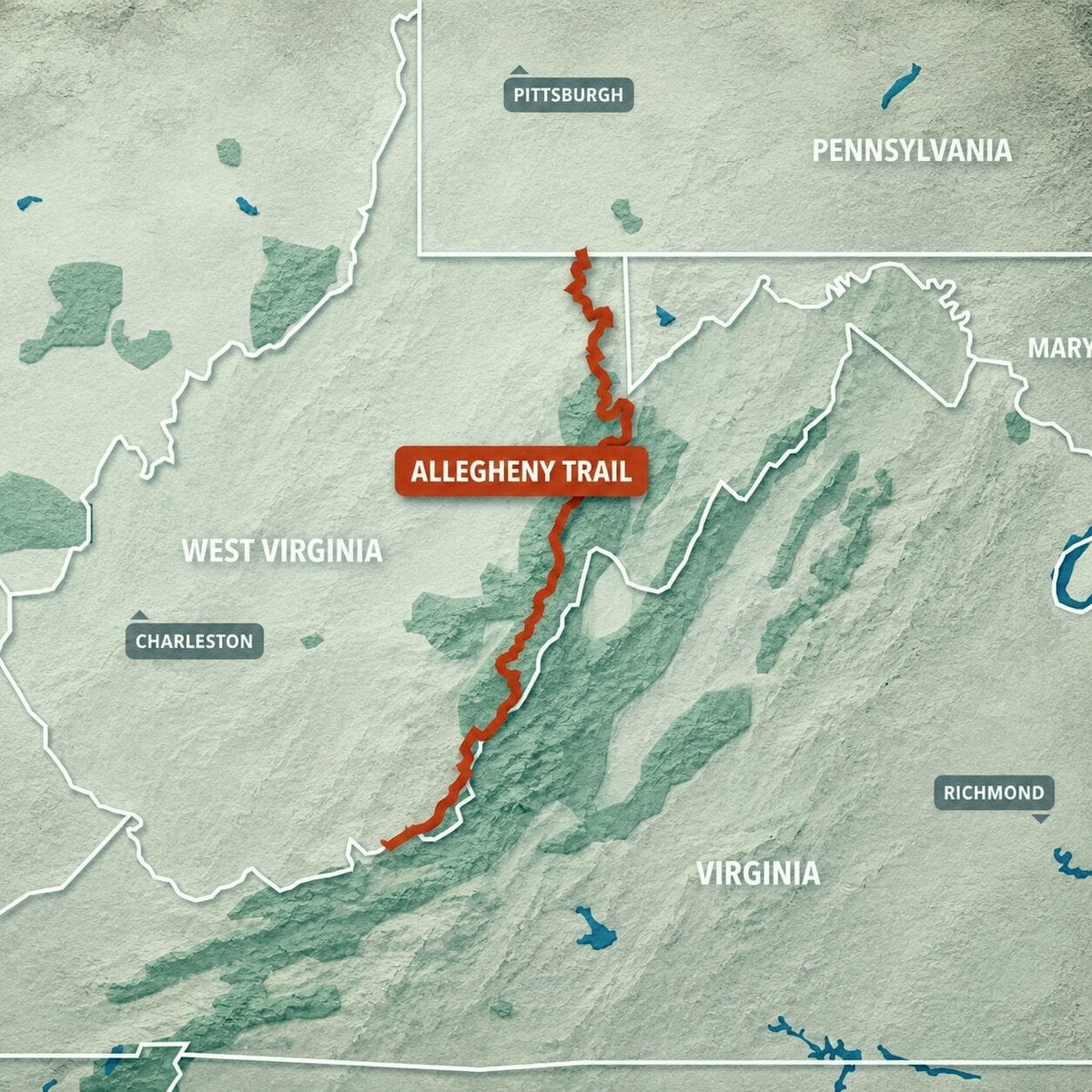
Known as the Allegheny Trail, the route stretches approximately 320 miles from Bruceton Mills near the Pennsylvania line to Peters Mountain in Monroe County. It is the longest hiking trail entirely within West Virginia, passing through Green Bank, Canaan Valley, Watoga State Park, the Monongahela National Forest, and some of the most scenic backcountry in the central Appalachians.
Built and maintained largely by volunteers, it remains one of the least-known long-distance hiking trails in the eastern U.S. despite offering a wilderness experience that rivals far better-known routes.
Emma Crow-Willard was among those who knew little about the Allegheny Trail until she moved to West Virginia. Originally from Colorado, Crow-Willard worked as a planetary scientist with NASA before building a career in documentary filmmaking and science communication.
She later relocated to Morgantown through West Virginia’s Ascend program, expecting abundant outdoor recreation but knowing relatively little about the state’s geography beyond its reputation for mountains and forests. As she explored her new home, she became intrigued by the Allegheny Trail and decided the best way to understand both the trail and the communities it connects was to walk every mile of it.
Her journey, which she calls the Allegheny Trail Economies Expedition, combines a 25-day backpacking trip with interviews in communities along the route. As she hikes from one end of the trail to the other, Crow-Willard meets with business owners, tourism officials, nonprofit leaders and longtime residents to learn how mountain towns whose economies once depended on industries such as coal, timber and manufacturing are adapting to changing times.
Crow-Willard said the interviews will become part of a documentary project and an economic report examining the role of outdoor recreation in West Virginia’s economy.
“I wanted to understand how the outdoors and tourism are playing a role in West Virginia’s overall economy and how that’s changing,” she said. “How can different policies at the state level help better support a more diversified West Virginia economy? And then, zooming in on the outdoor recreation piece, how is that playing a role?”
The Allegheny Trail defies expectations
Although the research explains the expedition’s purpose, she says the trail itself has been among its greatest surprises.
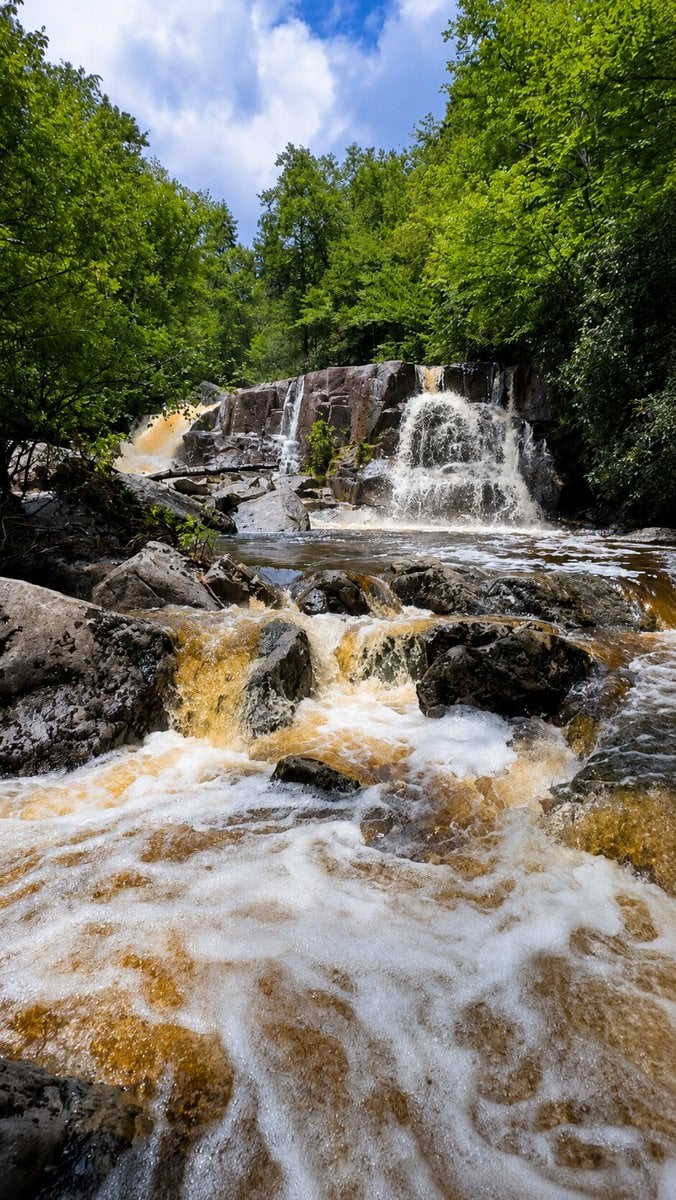
Before setting out, she expected the scenery to grow repetitive after days of hiking through the mountains. Instead, she found that nearly every section of the Allegheny Trail offers a distinctly different landscape, from the broad wetlands of Canaan Valley to the dense forests surrounding Durbin and the high ridges overlooking the Greenbrier Valley.
Former railroad grades give way to narrow mountain paths before descending to streams that hikers must ford on foot, creating a journey that changes character almost daily.
“I was a little worried it would be monotonous because West Virginia—I thought, well, it’s all just hills and forests,” she said. “But once you walk it, you see it’s actually not the same.”
One of the most memorable sections came near Durbin, where she crossed the Greenbrier River in water reaching nearly to her thighs. Elsewhere, she hiked former rail corridors, climbed wooded ridges, and walked through landscapes she says few people appreciate until they experience them at the pace of a backpacker.
The trail also revealed smaller details often overlooked by travelers passing through the state by automobile, including butterflies drifting over wildflowers, tiny frogs beneath the forest canopy, and the remarkable diversity of plants and wildlife found within a relatively short distance. By the halfway point of the expedition, she had encountered only a single tick—and, much to her relief, no bears or rattlesnakes.
The landscapes impressed her, but it was the people she met along the way who left the strongest impression. While walking through the tiny Randolph County community of Glady, strangers stopped their truck simply to ask whether she was hiking the Allegheny Trail.

When she said yes, they offered her water before continuing on their way, a gesture she says reflects the generosity she has encountered throughout the journey. Residents have welcomed her into their businesses, shared stories about their communities, and eagerly discussed both the challenges and opportunities facing rural West Virginia.
The changing face of mountain towns
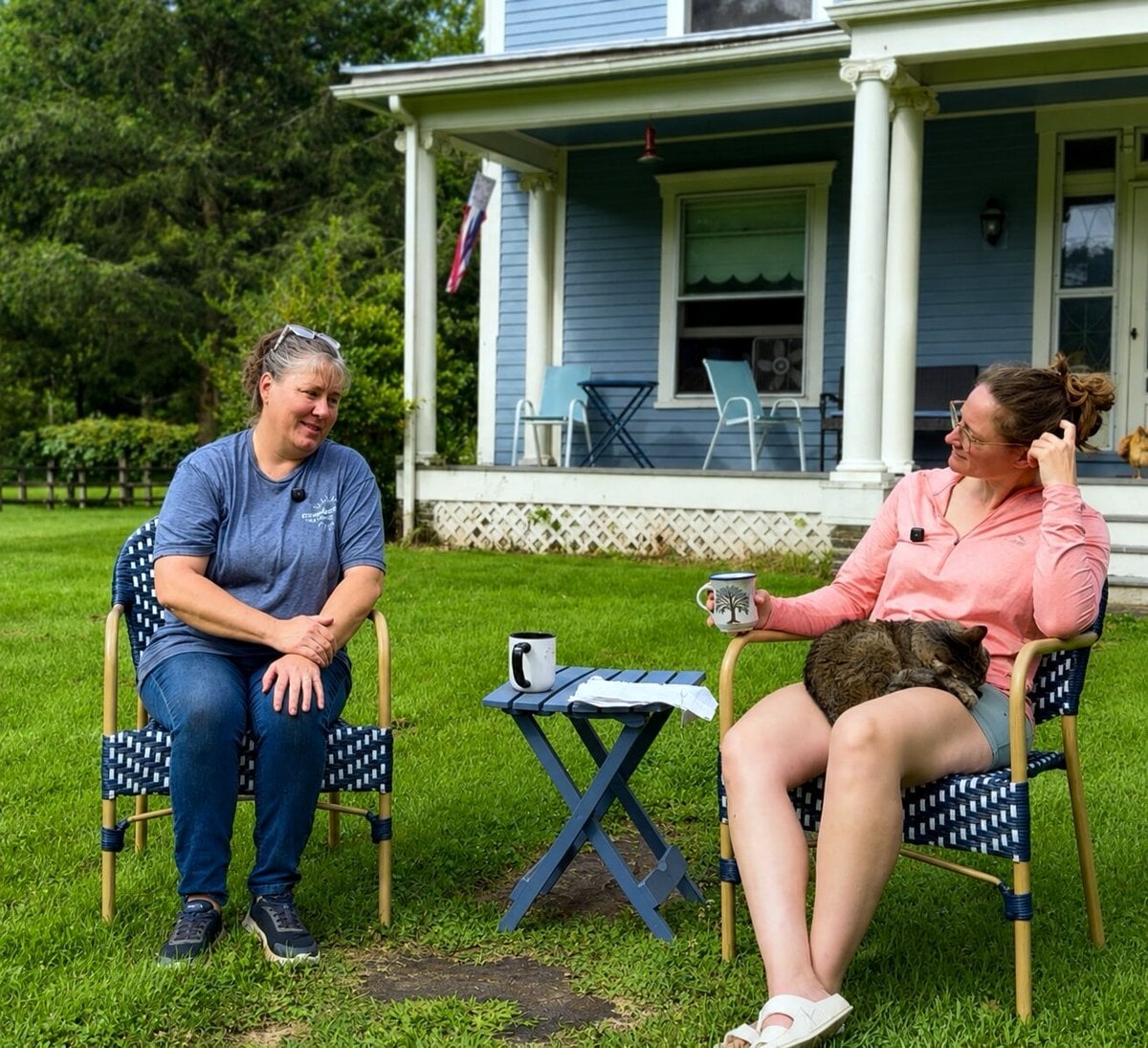
The conversations also deepened Crow-Willard’s appreciation for the communities connected by the Allegheny Trail. Rather than viewing the hike as a wilderness adventure, she began to see it as a journey through towns that have spent decades adapting to economic change. In Durbin, she learned about the community’s history as a railroad and tannery town.
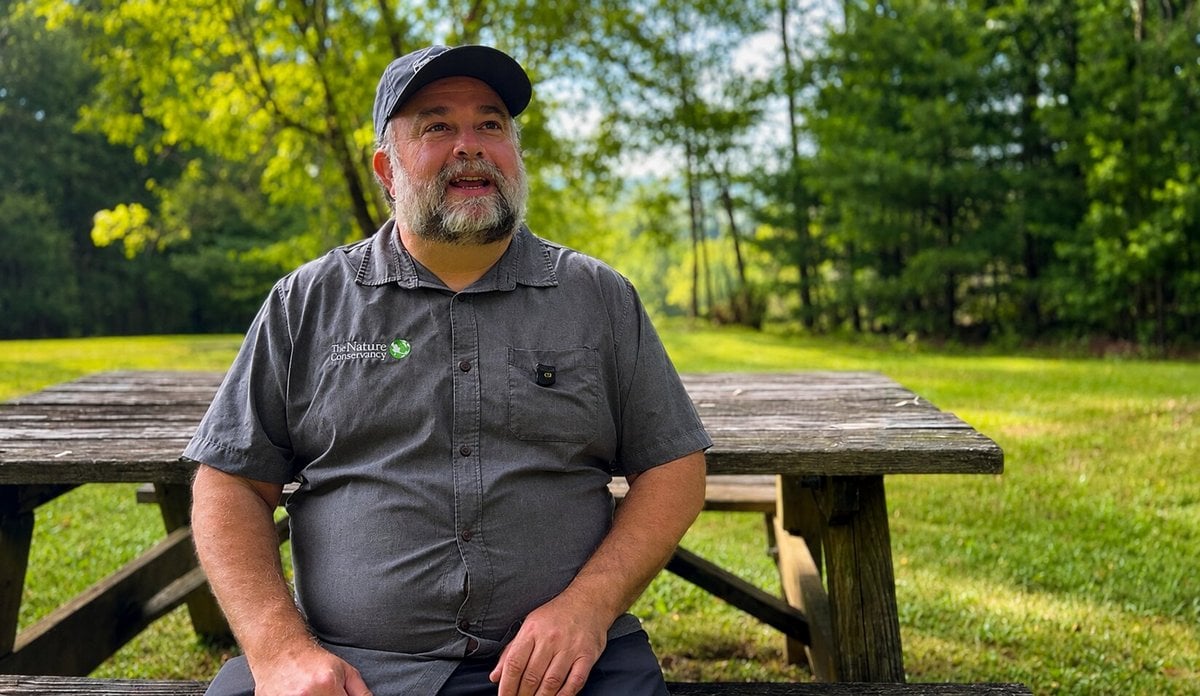
Elsewhere, she encountered former logging communities, small farming areas, and places where tourism has become an increasingly important part of the local economy. She said nearly every stop along the trail has revealed a different story about how West Virginians are responding to changing industries while trying to preserve their communities’ character.
Crow-Willard said she is deliberately avoiding conclusions until she has completed the expedition and analyzed the information she has gathered. Her research is being supported by economists and data specialists, including participants in Generation West Virginia’s NewForce Insights program, who are compiling publicly available information about the outdoor economy along the Allegheny Trail.
The resulting report is intended to provide community leaders, tourism organizations, and policymakers with a clearer picture of how outdoor recreation fits into the state’s broader economic landscape.
The interviews have nevertheless revealed several recurring themes. Residents consistently emphasized the importance of education and workforce development while expressing concern about the continuing effects of drug addiction in many communities.
At the same time, Crow-Willard found widespread optimism among entrepreneurs who have opened restaurants, lodging businesses, guide services, and other ventures that cater to visitors drawn to West Virginia’s public lands.
“The outdoor economy is great,” she said, “but you can’t just depend on tourism. You can’t just depend on energy. You have to have multiple different industries doing well in the state so people can find good jobs and stay.”
Finding more than a hiking trail
The expedition has also tested Crow-Willard personally. Although she completed Nepal’s 170-mile Annapurna Circuit a decade earlier, she considers herself more of a day hiker than a backpacker. Hiking the Allegheny Trail alone for nearly a month has tested both her endurance and her willingness to leave familiar routines behind.
Early in the trip, several days of rain left her soaked and exhausted. Her ankles swelled, bug bites became an annoyance, and she admitted wondering whether she had taken on more than she expected. A night indoors at a motel in Durbin gave her a chance to dry out, rest, and prepare for the next section of the trail.
“I got downpoured on,” she recalled. “My feet were sore, my ankles were swollen, I had all kinds of little itchy bug bites, and I was miserable. Then I took a shower and a rest day, and I was ready to go.”
Despite the physical challenges, she found humor in the experience. After several days without a shower, she joked that the mountain flowers smelled far better than she did, making the forest’s fragrance one of the unexpected pleasures of the journey.
Crow-Willard said the expedition also reminded her why people are drawn to places like the Allegheny Trail in the first place. Before deciding to hike the route, she simply wanted to spend time away from computers and the constant demands of work. The farther she traveled, the more she realized that many of the people she interviewed shared the same motivation for spending time outdoors.
“I just needed space away from the screens and nature to reconnect,” she said. “When you drill down into it and ask people why they go outside, why they’re hiking or biking or camping, it always comes down to reconnecting with who they are and what really matters.”
She hopes her documentary and economic report will encourage more people to explore the Allegheny Trail, but she also hopes they will look beyond the scenery. The trail offers an opportunity to experience not only some of West Virginia’s most beautiful landscapes but also the small communities that have shaped and continue to shape the Mountain State.
For Crow-Willard, the expedition has become both a backpacking adventure and a reminder that some of the state’s most rewarding discoveries are found not at the end of the trail but in the conversations along the way.
Loved this article! Does she have a YouTube channel?
This won’t happen in my lifetime, but it would be wonderful to connect the Allegheny Trail to trails in Pennsylvania and New York State. A long-distance trail connecting West Virginia’s eastern front to the Laurel Highlands, Finger Lakes, Adirondacks and Thousand Islands would be a national treasure.