
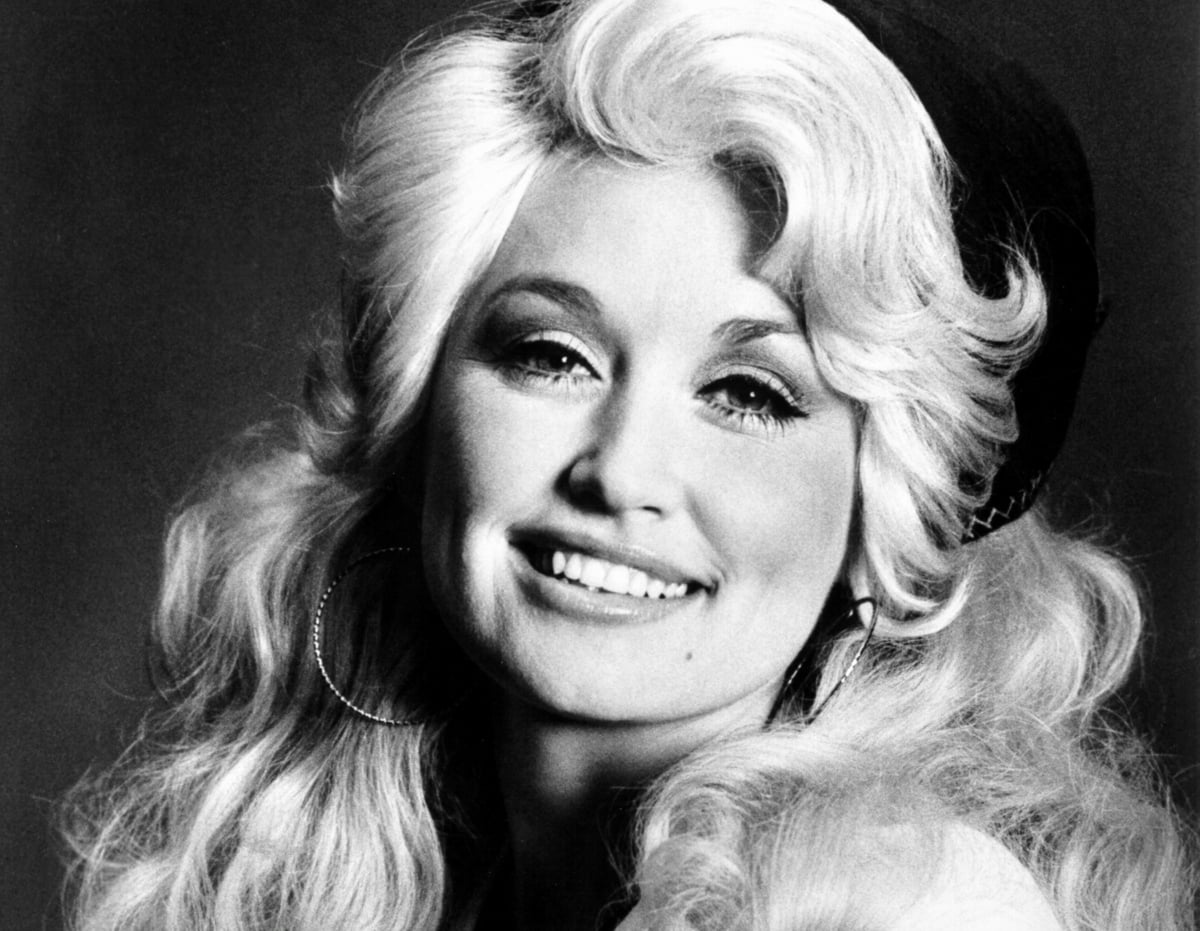
CHARLESTON, W.Va. — More than 46,000 West Virginia children are receiving free books through Dolly Parton’s Imagination Library, an Appalachian literacy effort that will continue after the singer and philanthropist’s death this week.

But nearly as many eligible West Virginia children are not enrolled.
The latest county-by-county figures published by the W.Va. Department of Education show 46,048 children registered for the Imagination Library as of May 1, representing 51.2% of the 89,935 children the department considers eligible statewide. That leaves approximately 43,900 eligible children unenrolled, according to a West Virginia Explorer calculation based on the department’s figures.
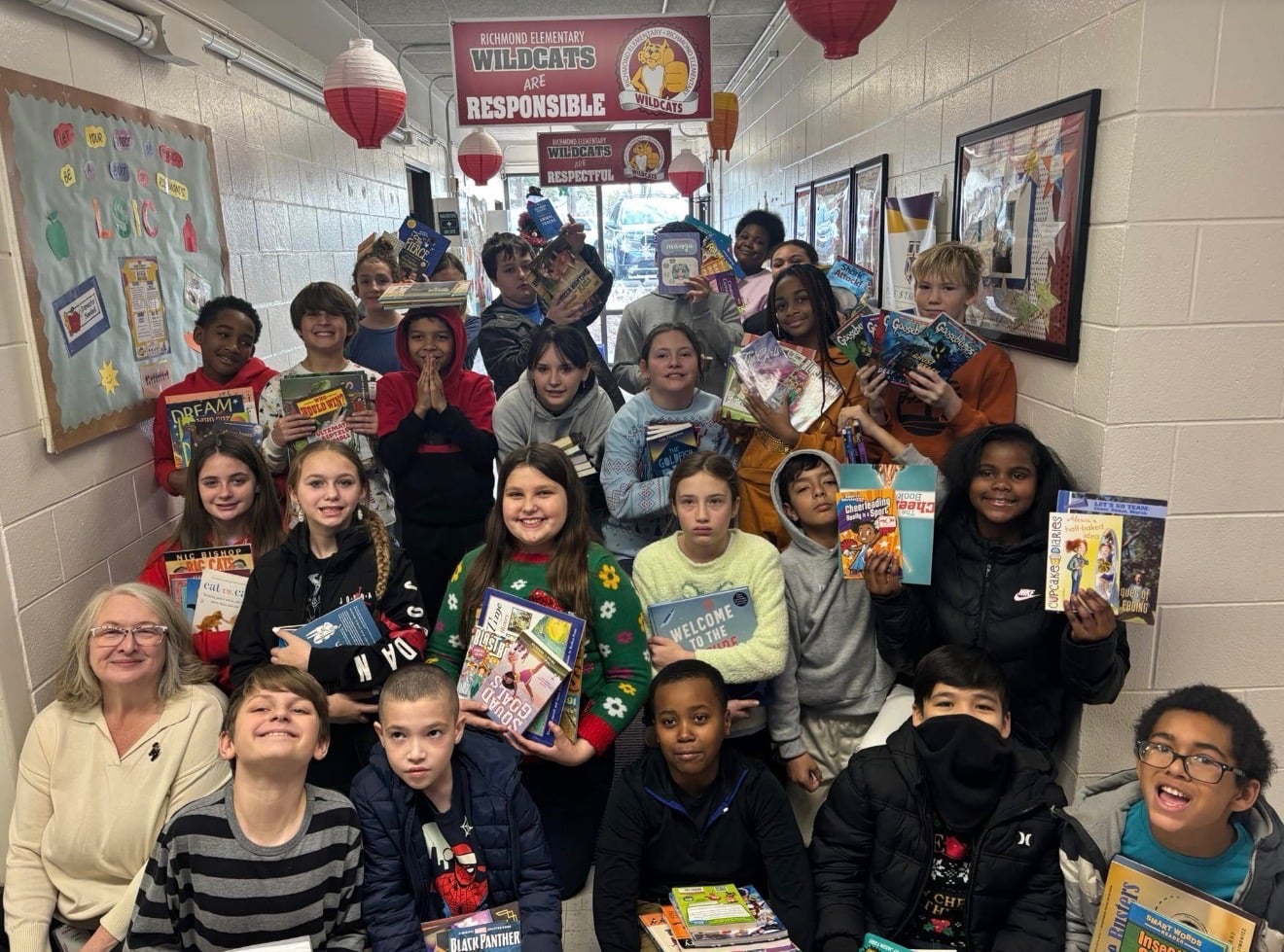
Now, as West Virginians remember Parton’s music and her ties to Appalachia, a Charleston-based literacy organization is using her legacy to try to put more books into the hands of children across the Mountain State.
Read Aloud West Virginia announced Friday that throughout September it will split donations designated “in memory of Dolly” with Imagination Library partners in West Virginia, directing half of each qualifying contribution to Parton’s early-childhood literacy program and half to Read Aloud’s work, which focuses primarily on school-aged children.
“Dolly was so special,” Read Aloud West Virginia Executive Director Dawn Miller said in announcing the campaign. “When she created Dolly Parton’s Imagination Library 31 years ago and made it available in other states, including West Virginia, we began to realize she had been lifting us up in ways other than her wonderful music.”
An Appalachian idea reaches every West Virginia county
Parton created the Imagination Library in 1995 in her native Sevier County, Tennessee, inspired by a deeply personal experience. Her father, Robert Lee Parton, could not read or write, and that experience inspired her determination to give children access to books before they entered school.
The concept was simple: enroll a child and mail that child an age-appropriate book every month from birth until age 5, regardless of family income. A child enrolled throughout those years can receive as many as 60 books for a home library.
West Virginia began participating in 2007 and gradually expanded statewide. By 2018, the program was operating in 41 counties, according to the Department of Education, and in July 2021 officials announced that all 55 counties had become active, making West Virginia one of only 11 states and the District of Columbia at the time to achieve statewide availability.
Parton came to Charleston in August 2022 to celebrate the milestone, joining state education officials at the Clay Center for the Arts and Sciences after every West Virginia child younger than 5 had become eligible to enroll. The state administers the program through a partnership between the West Virginia Department of Education and the June Harless Center at Marshall University.
Nearly half of eligible children remain unenrolled
Statewide availability has not led to universal participation, and the Department of Education’s latest figures show substantial differences across West Virginia’s 55 counties.
Monroe County had the highest reported participation rate as of May 1 at 74.96%, followed by Calhoun County at 72.9% and Pendleton County at 72.28%. At the other end of the scale, Tyler County had 38.68% of its eligible children registered, while Ohio County stood at 44.21%, Berkeley County at 44.6%, and Brooke County at 44.7%.
The differences matter most in the state’s larger counties, where lower participation rates can represent thousands of children.
Kanawha County had 4,496 children enrolled, the largest number in West Virginia, representing 53.5% of its eligible population. Berkeley County had 3,061 registered children out of an estimated 7,515 eligible, while Monongalia County had 2,371 enrolled and Wood County had 2,283.
Raleigh County had 1,966 children enrolled, Mercer County 1,589, Wayne County 1,175, Fayette County 1,106 and Greenbrier County 927.
The statewide figures leave a sizable population outside a program that is already available where they live. Increasing participation, rather than extending the program geographically, is now one of the clearest opportunities for expanding Parton’s literacy legacy in West Virginia.
Picking up where Dolly’s program leaves off
Read Aloud West Virginia approaches the state’s literacy challenge from a complementary direction. While the Imagination Library puts books into children’s homes during their earliest years, Read Aloud uses volunteer readers, book distribution and family involvement to encourage children, particularly those of school age, to develop an interest in reading.
“This allows Dolly’s passion to intersect with our core mission and enhance reading, literacy, educational attainment and quality of life for more West Virginians,” Miller said.
Read Aloud itself has deep roots in West Virginia. The organization began in Kanawha County in 1986, when a group of parents organized programs to spark children’s interest in books and reading, and it incorporated as a nonprofit the following year.
The West Virginia Education Fund took responsibility for administering and expanding the program in 1993, and by 2000 Read Aloud had some presence in 53 of West Virginia’s 55 counties, according to the organization’s history. Resources were later reduced as the Education Fund Alliance shifted its emphasis toward research and advocacy.
Read Aloud, which is celebrating its 40th anniversary this year, now has resources to operate formal programs in 28 counties, Miller said. It maintains some level of presence in 40 counties and responds to requests from teachers seeking books for children in all 55.
“There are so many unmet needs in the Mountain State to help our youth become good readers, students and lifelong learners,” Miller said. “The lack of resources forces our non-profit to make tough choices, and Dolly would want to ensure all youth interested in reading and literacy get an opportunity to do so. Right now, that is not the case.”
Research into the Imagination Library and similar book-gifting programs generally supports the value of increasing children’s access to books and encouraging adults to read with them, although individual studies have found varying effects on later literacy and school-readiness measures.
For Read Aloud, putting books into children’s hands is only part of the equation.
“What we are doing works,” Miller said. “Providing classroom volunteers to read to children for fun, helping parents to understand their value in reading to children from birth, and then giving children engaging books that they want, it all supports the instruction children receive in school.”
A literacy legacy that continues
By the time the Imagination Library became available in every West Virginia county in 2021, more than 3 million books had already been delivered to children in the state since the program began here in 2007, according to the Department of Education.
By then, Parton’s idea had grown far beyond its origins in one Appalachian county in Tennessee. What began as an effort to give local children something her own family had lacked became an international program that has distributed hundreds of millions of books.
In West Virginia, that legacy is unusually tangible. On any given month, books bearing the name of a woman born in a one-room cabin in the Great Smoky Mountains arrive in the mailboxes of tens of thousands of children across another Appalachian state.
The September campaign announced by Read Aloud West Virginia aims to extend that work, supporting both the preschool children served by the Imagination Library and older children reached through Read Aloud.
“It was and still is a brilliant approach,” Miller said of Parton’s program. “Dolly understood the physical barriers to literacy and has helped millions of families overcome some of them.”
For West Virginia, the next measure of that legacy may be how many of the approximately 43,900 eligible children who are not receiving those books can ultimately be reached.
Two great early literacy programs in WV!!!