

FLAT TOP, W.Va. — Few things look more at home in a West Virginia autumn than a pumpkin beside a farmhouse door, ripening in a field beneath changing leaves, or glowing from a porch on Halloween night.
But the pumpkin has a much deeper history in the Mountain State than its modern role as an autumn decoration suggests. Native Americans cultivated pumpkins in the region long before European settlement. Farm families later stored them for winter, and in 1753, so many pumpkins reportedly washed down the Potomac and Shenandoah rivers that the event became known as the “Great Pumpkin Flood.”
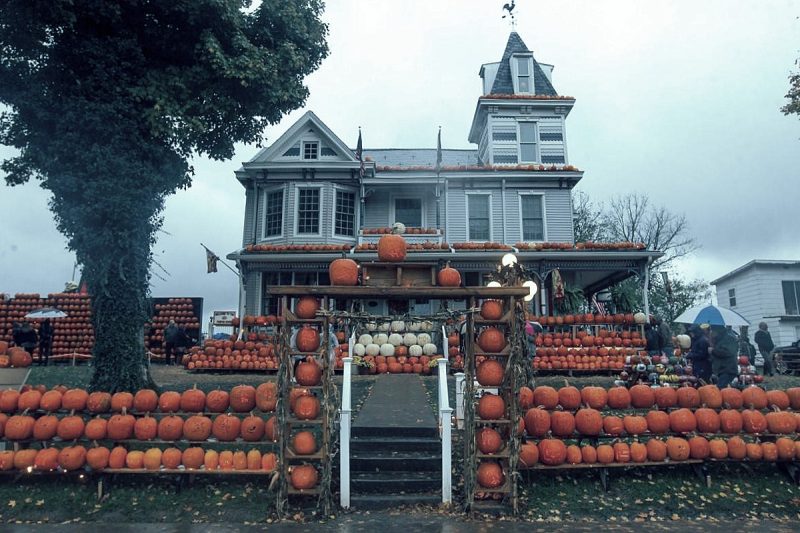
The traditional “jack-o’-lantern” came along later when an Old World tradition of carving lanterns from roots found a large Native American fruit suited to the purpose.
The result is an autumn symbol assembled from several histories—Indigenous agriculture, European folklore, and generations of American farm life. Traditionalists at heart, West Virginians celebrate the season with many pumpkins.
Pumpkins were here before West Virginia
The pumpkin is native to the Americas, and its history in the region dates back long before West Virginia became a state.
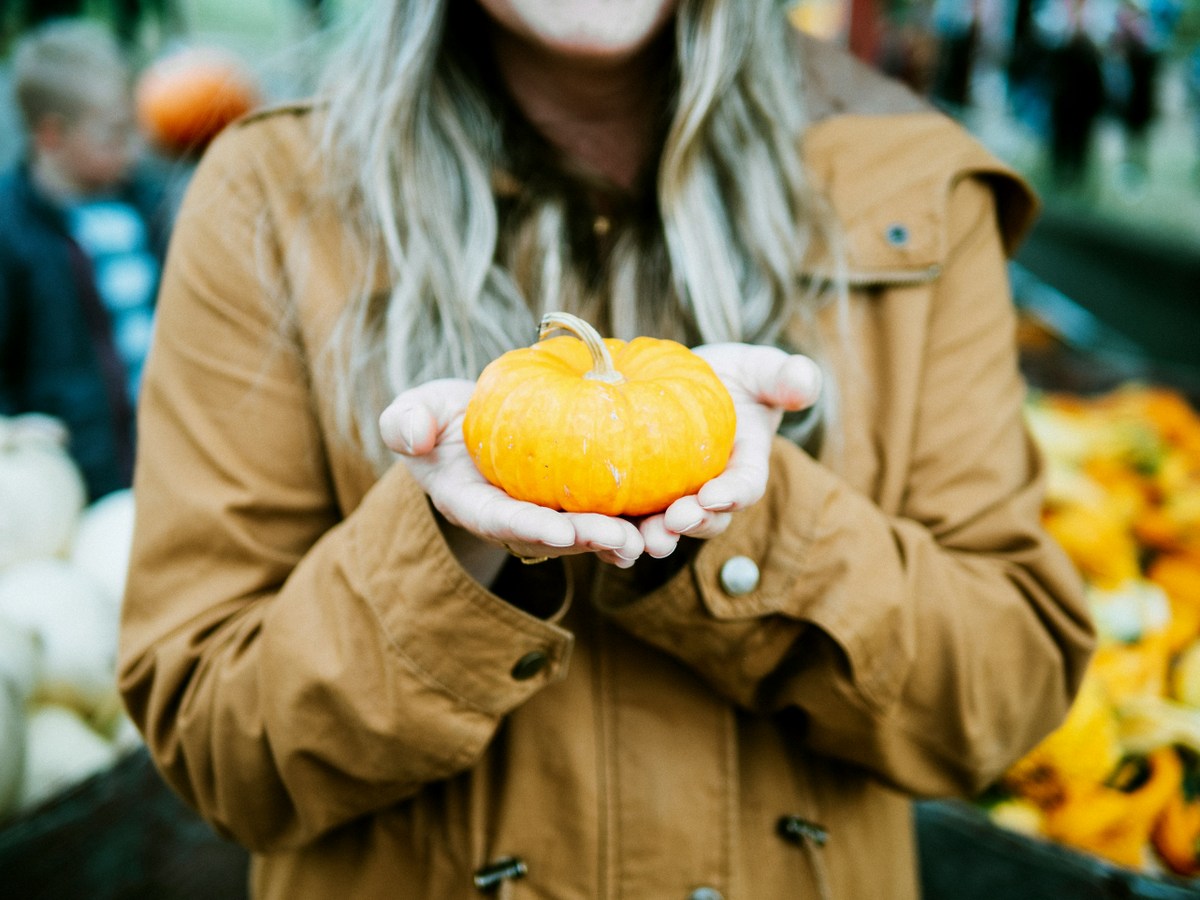
Native Americans living in what became West Virginia grew pumpkins and other squash alongside corn and beans, according to the West Virginia Encyclopedia’s history of the state’s foodways. They also hunted wild game and gathered nuts, fruits, and other forest foods.
For many Indigenous cultures, corn, beans, and squash were especially valuable because they complemented one another when grown together.
Corn provided a structure for climbing beans. Beans added nitrogen to the soil, while the broad leaves of squash shaded the ground, conserving moisture and inhibiting weeds.

Often described collectively as the “Three Sisters,” these crops also provided foods that could be eaten fresh or preserved for later use. Winter squash were particularly useful because their hard rinds allowed them to remain edible long after harvest.
When people of European descent settled in the region, they incorporated native foods into their diets. The West Virginia Encyclopedia notes that Indigenous people taught newcomers how to gather and preserve foods as settlers adapted to life in the Appalachian interior.
Pumpkins were therefore part of the region’s food culture centuries before anyone in West Virginia carved one into a Halloween face.
West Virginia’s Great Pumpkin Flood
One of the strangest surviving references to that early cultivation dates to 1753.
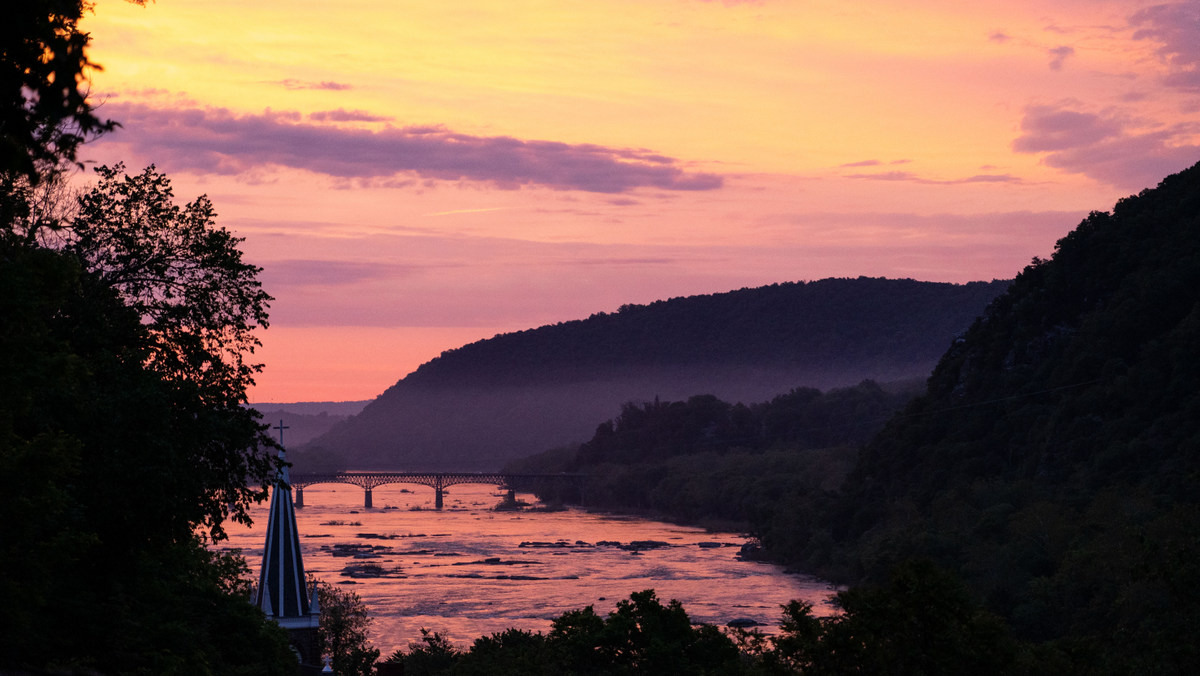
In October of that year, a flood along the Potomac and Shenandoah became known as the “Great Pumpkin Flood.”
The National Park Service includes the event in its history of Indigenous people in the Harpers Ferry area, citing accounts that described floodwaters carrying pumpkins from Native American farms.
Joseph Barry’s early 19th-century history of Harpers Ferry offers another version. Barry wrote that a smaller flood following a major 1748 Potomac flood became known as the “Pumpkin Flood” because it washed a large number of pumpkins from the gardens of Indigenous people living in scattered settlements along the rivers.
Whatever the flood’s precise scale, the name survived.
It also offers an unusually vivid glimpse into the landscape of what would become West Virginia. Before Harpers Ferry became an industrial center, before the federal armory was established there, and more than a century before West Virginia entered the Union, people cultivated pumpkins along its rivers in numbers large enough to become part of the historical memory of a flood.
Pumpkins became winter food on West Virginia farms
The pumpkin continued to serve a practical purpose as farms spread across West Virginia.
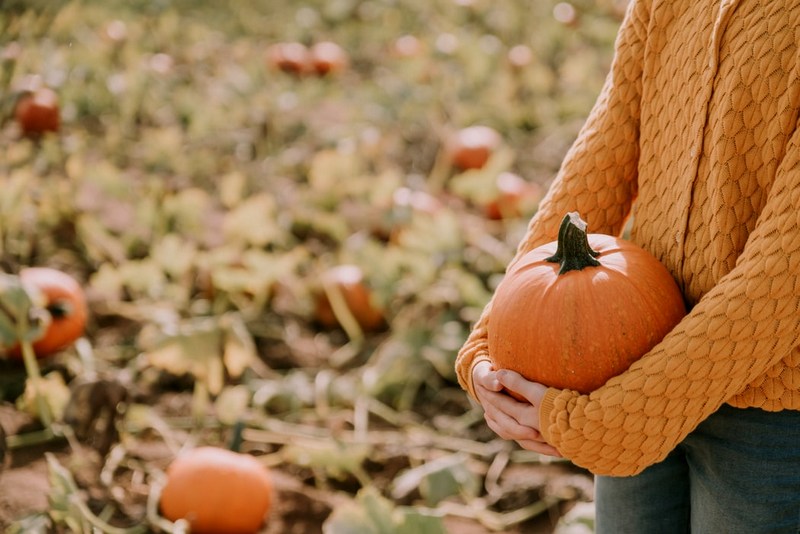
For families that depended on what they could grow, raise, and preserve, winter posed a fundamental problem. Gardens stopped producing. Fresh food became scarce. Much of what a household ate had to last for months after harvest. Pumpkins could wait.
Research published in West Virginia History on farm women from the 1880s through the early 20th century documents the extraordinary amount of food preservation required to sustain a farm household.
Records from West Virginia farm women show families canning hundreds of quarts of vegetables, fruits, and meats; making jams and jellies; curing meat; drying apples, peaches, corn, and beans; and storing produce through the winter.
Among the foods stored were turnips, beets, onions, apples, parsnips, carrots, cabbage, kale, potatoes — and pumpkin.
For generations of West Virginians, then, a pumpkin left after harvest was not merely ornamental. It represented food that could remain available after frost had killed the garden and winter had settled over the mountains.
That practical value helps explain why pumpkins and other winter squash remained familiar crops on Appalachian farms.
The pumpkin had a place in West Virginia long before Halloween gave it another.
The crop was American. The custom that transformed it into a glowing face came largely from across the Atlantic.
How the pumpkin became a jack-o’-lantern
Long before Americans began carving pumpkins, people in Ireland and other parts of the British Isles carved faces into turnips and other root vegetables.
The practice became intertwined with folklore, including versions of the tale of “Stingy Jack,” a trickster condemned to wander after death carrying a burning coal inside a hollowed turnip.
The name “Jack of the Lantern” eventually became jack-o’-lantern.
Immigrants brought lantern-making traditions to North America, where they found something much easier to carve than a turnip.
The pumpkin was large. It was hollow. Its rind could be cut with relative ease, and it ripened at precisely the time of year when autumn traditions were being celebrated.
The old lantern tradition and the native American pumpkin proved remarkably well suited to one another.
By the late 19th and early 20th centuries, the glowing carved pumpkin had become one of the most recognizable symbols of an American Halloween.
The transformation was complete: a crop cultivated in the Americas for food had absorbed European folklore and become an entirely new American tradition.
Pumpkins still grow across West Virginia
Pumpkins have hardly disappeared from West Virginia agriculture.
West Virginia University Extension has reported pumpkins being grown in every county in the state, often as crops marketed directly to consumers or incorporated into fall agritourism.

The state’s growers produce far more than the familiar orange carving pumpkin.
Varieties suited to West Virginia include giant pumpkins such as Atlantic Giant and Big Max, traditional carving pumpkins, small pie pumpkins, miniature varieties, and pumpkins that mature in shades of white, blue-gray, green, and red-orange.
Most require roughly three to four months of warm weather to mature, so planting in late spring and early summer suits an autumn harvest.
Growing them can require considerable room. Pumpkin vines may travel far beyond the spot where their seeds were planted, and the crop needs adequate moisture during flowering and fruit development.
Their susceptibility to late-summer drought and heavy rainfall also makes West Virginia’s terrain a challenge. WVU agricultural researchers have studied no-till pumpkin production partly because pumpkins are frequently grown on sloping land, where conventional cultivation can contribute to erosion.
Yet pumpkins remain a natural fit for the state’s growing agritourism industry. Pumpkin patches, corn mazes, farm markets and pick-your-own operations have transformed an old farm crop into an attraction in its own right.
In that respect, the pumpkin has changed roles without ever really leaving the landscape.
From survival crop to symbol of autumn
The pumpkin’s history in West Virginia is ultimately a story of reinvention.
It began as an Indigenous American food crop. It became part of the subsistence economy of later farm families who needed food that could endure through winter. European immigrants brought traditions and folklore that transformed it into the jack-o’-lantern. Modern farms turned it again into something new: a centerpiece of autumn tourism.
Even the Great Pumpkin Flood survives as evidence of just how far back that history reaches.
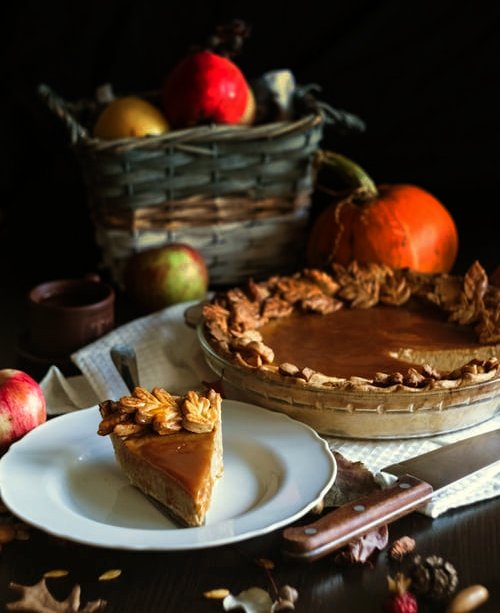
Today, a pumpkin may spend October sitting untouched on a porch, its practical value almost forgotten. Another may become a pie. Another will be hollowed out, given a face and illuminated by a candle or electric light. All three belong to the same long history.
So when jack-o’-lanterns begin glowing on West Virginia porches as darkness falls on an October evening, they represent something considerably older than Halloween — an American crop shaped by Indigenous agriculture, immigrant tradition, and generations of people who discovered that a pumpkin could be many things, including food, folklore, and, occasionally, something numerous enough to give a flood its name.
Growing up in WV, I had never heard the full story of pumpkin growing and jack-o-lanterns. Thanks. This article is being shared with some of my friends who have a lot to say about our state and are often critical. Have any of them ever visited WV? The answer is NO! I wish I had not lost my 5th grade West Virginia History book.