
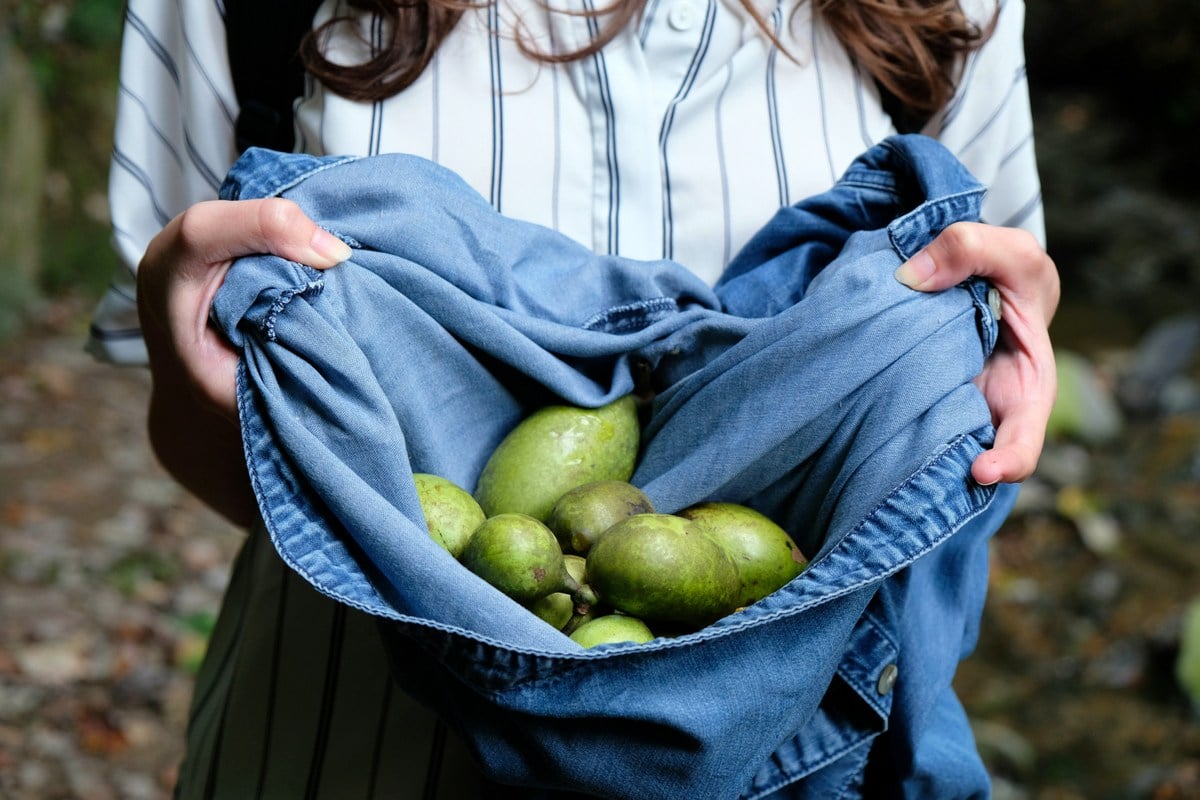
CHARLESTON, W.Va. — Eight West Virginia agricultural projects have received federal grants, including those focused on expanding forest farming, developing food products from native pawpaws, and helping small growers process their harvests.

The W.Va. Department of Agriculture announced the awards through the U.S. Department of Agriculture’s Specialty Crop Block Grant Program, which supports research, education, and marketing for fruits, vegetables, herbs, nursery plants, and other crops.
Agriculture Commissioner Kent Leonhardt says the grants help farmers explore valuable diversification opportunities.
“Specialty crops offer tremendous opportunities for West Virginia agriculture, particularly as we look for ways to expand and diversify production,” Leonhardt said.
“These grants support important research, education, and innovation that can lead to improved growing practices, new products, and expanded markets for West Virginia specialty crops.”
Researchers seek new uses for native pawpaws
West Virginia State University will receive $15,053.88 to study ways to process pawpaws, a native Appalachian fruit whose soft flesh and short shelf life complicate commercial distribution.
Researchers will experiment with freeze-drying pawpaw pulp, a process that removes moisture and could make the fruit easier to store and incorporate into manufactured foods.
The university also plans to develop food products and organize a community event to introduce more consumers to the fruit.

Pawpaws grow naturally throughout much of the eastern United States and are known for their custard-like flesh and tropical flavor. Although people have long gathered the fruit from the wild, its perishability has limited its commercial development.
Read also: Tiny West Virginia town celebrates America’s forgotten fruit at the Pawpaw Festival
Forest farming and food processing
The Yew Mountain Center will receive $49,250 to expand education and agritourism involving specialty forest crops.
The project will develop online and in-person training resources for growers interested in cultivating marketable plants and other products beneath forest canopies. Forest farming allows landowners to produce agricultural products while retaining woodland cover, potentially providing income without clearing land for conventional fields.
Linwood Alive will receive $35,500 to establish a health department-approved commercial kitchen where growers can process agricultural products into foods for sale.
Such facilities can allow small producers to manufacture products without independently financing commercial kitchens.
Research targets crop diseases and growing methods
The department will receive $74,971.88 to establish a greenhouse and laboratory research program focused on fungal diseases affecting tomatoes, peppers, and strawberries.

The project will also examine ways to prevent contamination by mycotoxins, toxic substances produced by certain fungi.
The West Virginia Military Authority will receive $50,000 for a two-year educational and research initiative through its Patriot Gardens program.
Participants will study herb production using hydroponic, aeroponic, and soil-based growing systems. Hydroponics uses nutrient-rich water, while aeroponics delivers nutrients to roots suspended in air.
The program will offer 23 courses for veterans, military families, and community participants covering cultivation, growing-system management, and harvesting.
Youth agriculture and farmers markets
West Virginia University will receive $14,954.43 for a two-year 4-H project in which young participants will establish a community garden and develop a food-based business.
With assistance from 4-H volunteers, participants will study crop production, food safety, preservation, branding, labeling, and marketing.
The West Virginia Food and Farm Coalition will receive $50,166.67 to help small and midsize farms obtain technical assistance and purchase supplies collectively.
The project will emphasize organic, regenerative, natural, and other sustainable growing practices.
The W.Va. Farmers Market Association will receive $31,762.76 to study crop availability, inventory, and sales at farmers’ markets during the 2027 and 2028 growing seasons.
Researchers will collect information during early, peak, and late seasons to help growers plan production and understand customer demand. The findings will also inform consumers about when locally grown crops are available.
The eight announced project awards total $321,659.62. The USDA allocated $360,145.60 to West Virginia under the program for fiscal 2026, although the department’s announcement does not account for the difference.
The department administers the federal program in West Virginia, and it is intended to benefit the specialty crop industry rather than provide startup funding to individual farms.