
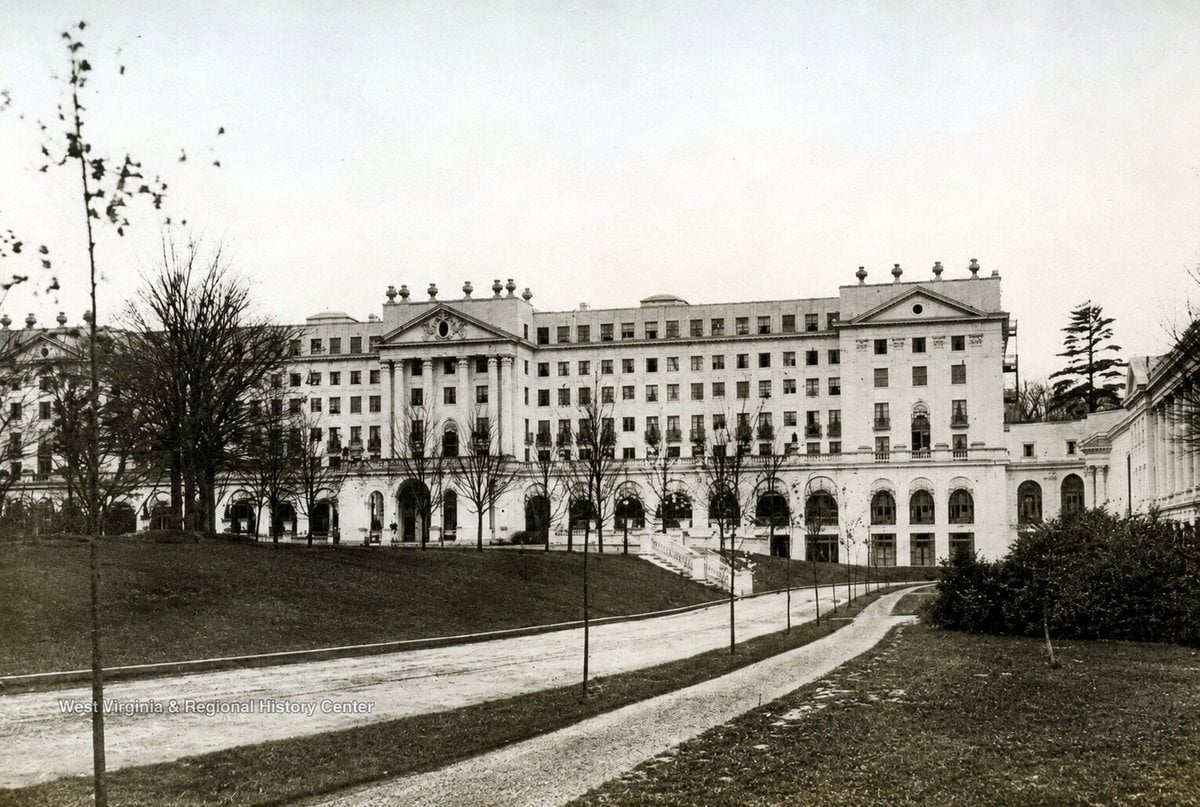
WHITE SULPHUR SPRINGS, W.Va. — The Greenbrier is entering another chapter in its remarkable history after Friday’s completion of a $500 million joint venture that gives a New York investment firm a controlling interest in the historic West Virginia resort.

Kennedy Lewis Investment Management will hold a 51% controlling interest in The Greenbrier, while the Justice family will retain a stake and representation on its management. The transaction follows months of litigation and financial uncertainty surrounding the property and is expected to provide capital to pay creditors and invest in the resort.
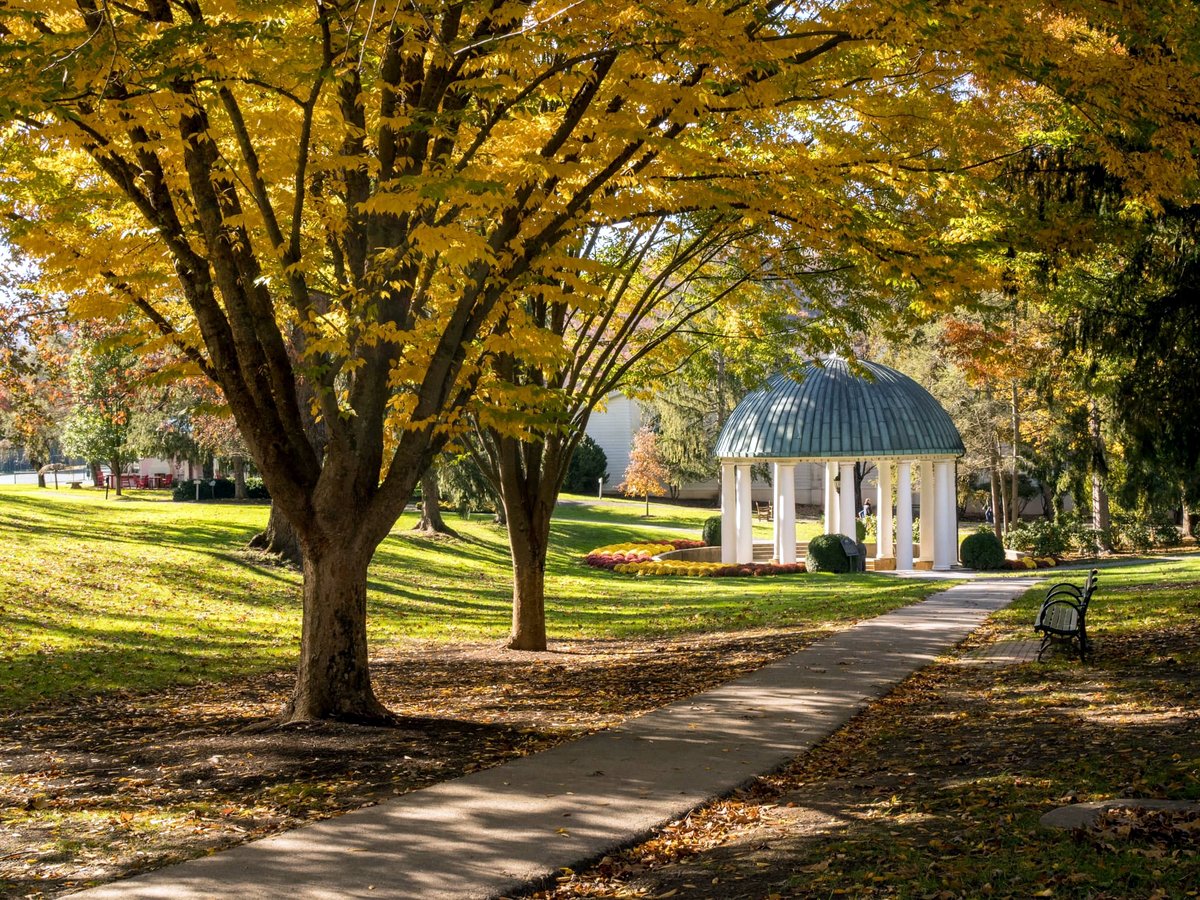
But ownership changes are only the latest development in a story that began nearly two and a half centuries ago.
Few hotels in America can claim a history spanning the American Revolution to the nuclear age. The Greenbrier began attracting visitors before the United States had a Constitution and later hosted presidents, served as a military hospital, and secretly sheltered a congressional bunker designed for the aftermath of nuclear war.
Here are five remarkable chapters in the history of one of West Virginia’s best-known landmarks.
1. The Greenbrier’s story began during the American Revolution
The Greenbrier traces its origins to 1778, when visitors began traveling to White Sulphur Springs for mineral waters believed to have medicinal properties.
That places the resort’s origins extraordinarily early in American history. The Revolutionary War was still underway, George Washington had not yet become president, and the Constitutional Convention was still nine years away.
White Sulphur Springs gradually became one of America’s fashionable watering places, drawing visitors who came to escape the summer heat and socialize as much as to take the waters. Politicians, military officers, and prominent families became part of the summer society that developed around the springs.
The modern Greenbrier grew from that tradition. Today, the resort encompasses about 11,000 acres in the southern Allegheny Mountains, but its history still begins with the mineral springs that brought travelers into this mountain valley nearly 250 years ago.
2. Twenty-eight U.S. presidents have visited
The Greenbrier’s relationship with American presidents is more extensive than a casual visitor might suspect.
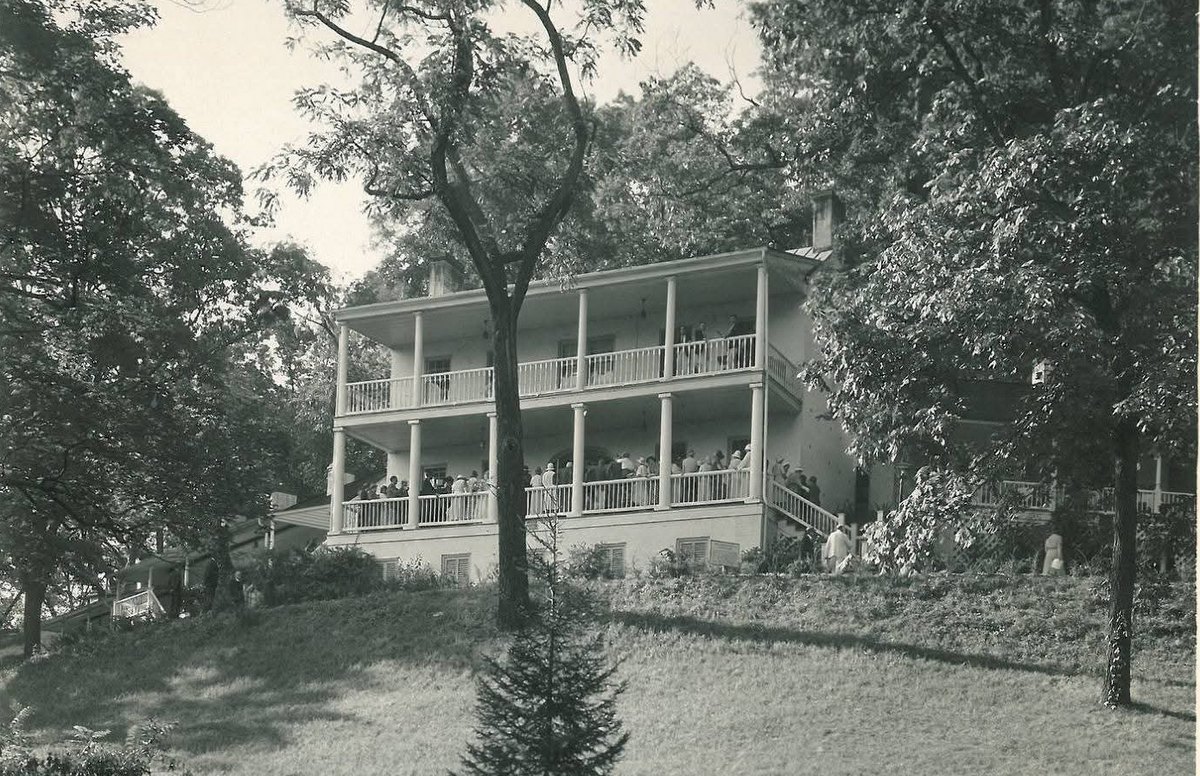
Resort officials say 28 U.S. presidents have visited White Sulphur Springs or The Greenbrier, beginning with James Monroe in 1815. According to the resort’s historical account, ten future, current, or former presidents visited before the Civil War, and seven of those visits occurred while the men were serving as president.
Martin Van Buren, John Tyler, and Millard Fillmore were among the presidents associated with the resort’s historic President’s Cottage. Federal documentation describes the building as a “summer White House” for the three presidents.
The presidential connection continued well into modern times. The Greenbrier says Gerald Ford visited 10 times, George W. Bush seven times, and Richard Nixon five times, although Nixon’s visits occurred while he was vice president. Bush was the most recent president to stay overnight, in 2003, while Donald Trump became the most recent sitting president to visit when he traveled there in 2018.
The long presidential tradition also foreshadowed an extraordinary Cold War role that would eventually connect The Greenbrier to every member of Congress.
3. Robert E. Lee helped produce the White Sulphur Manifesto here
Three years after the Civil War ended, former Confederate Gen. Robert E. Lee was among the prominent Southerners staying at White Sulphur Springs.

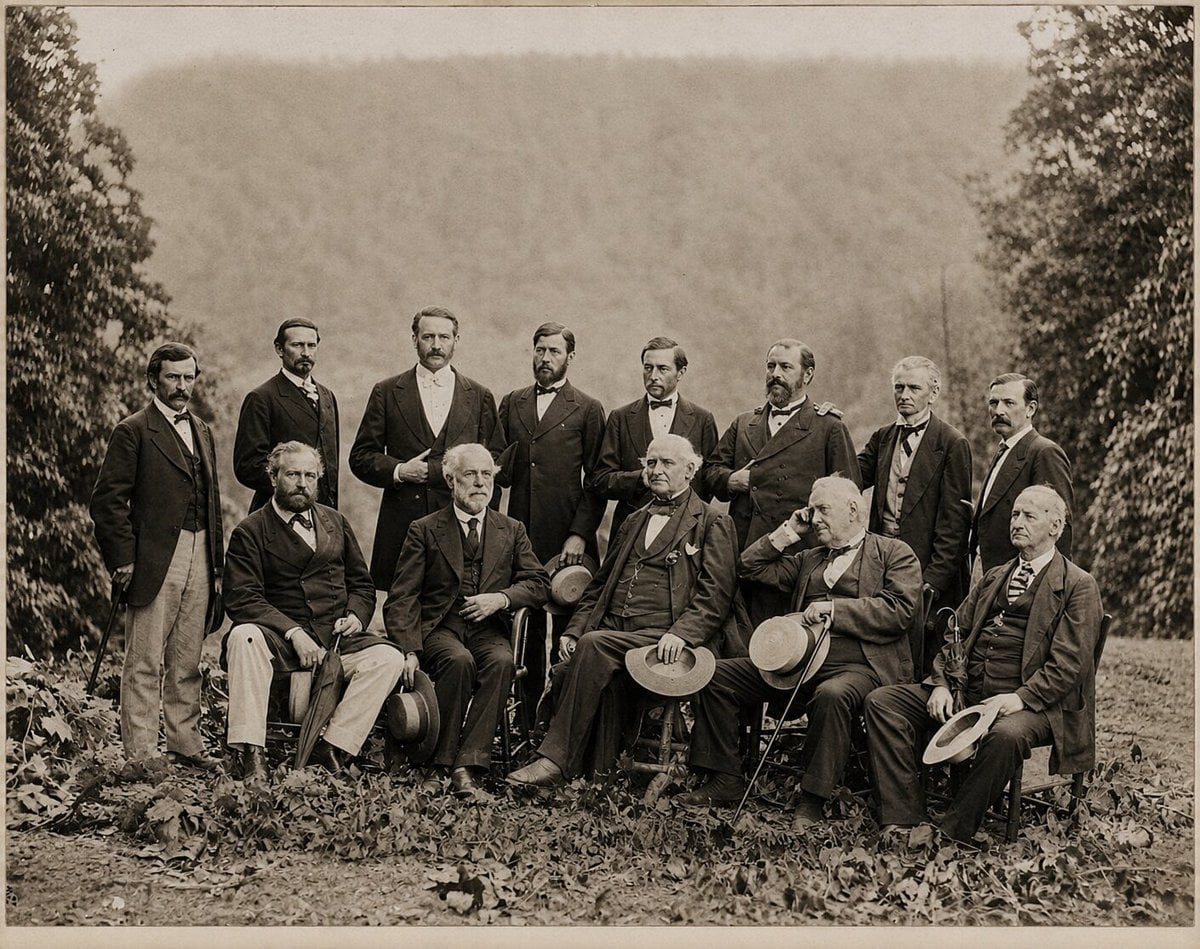
In August 1868, Union Gen. William Rosecrans approached Lee and other Southern leaders there to seek their views on relations between the sections and the political future of the former Confederate states. The resulting exchange became known as the White Sulphur Manifesto.
Lee and other signers acknowledged that the Civil War had settled the issues of secession and slavery and advocated restoring peaceful relations between North and South. But the document also reflected white Southern opposition to a central feature of Reconstruction: extending political power and voting rights to formerly enslaved Black Americans.
The episode gives the document a more complicated legacy than its reputation as a simple appeal for reconciliation. It also shows that White Sulphur Springs had become more than a fashionable vacation destination. It became a gathering place where influential Americans discussed some of the country’s most consequential political questions.
4. The luxury resort became a 2,000-bed Army hospital
Another national crisis transformed The Greenbrier even more dramatically during World War II.
After the United States entered the war, the resort initially housed German, Italian, and Japanese diplomats and their families. In 1942, the U.S. Army acquired the property and converted the luxury resort into Ashford General Hospital.
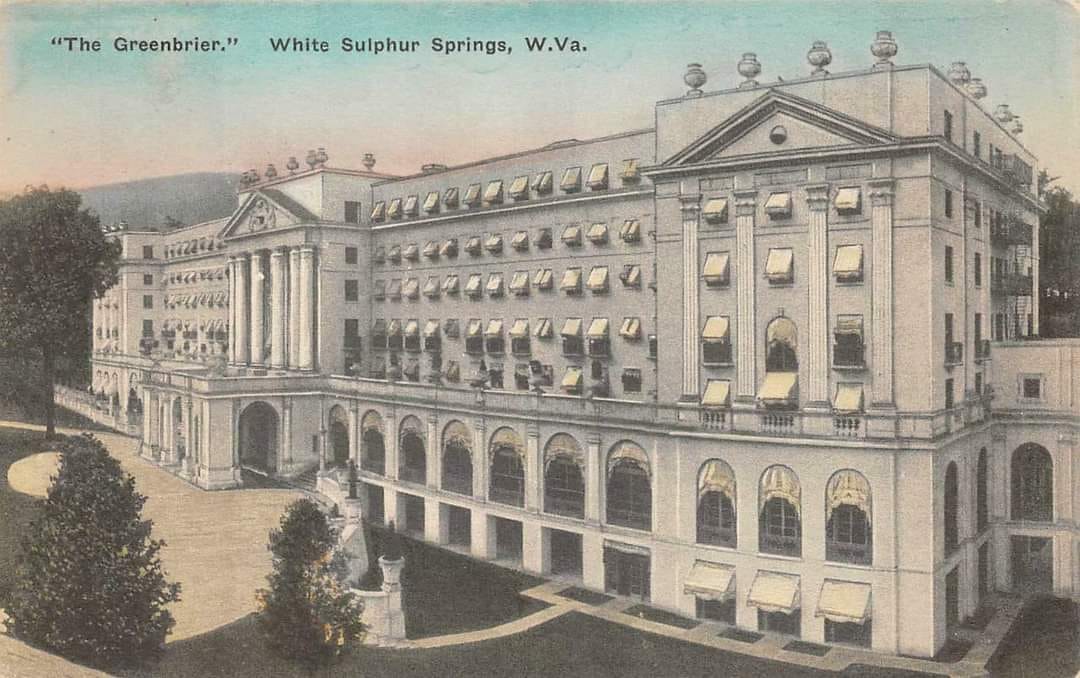
Guest rooms became hospital rooms, and the property became a 2,000-bed medical facility for American servicemen.
Between 1942 and 1946, Ashford General Hospital treated 24,148 soldiers. Notable patients included Gen. Omar Bradley and Gen. Dwight D. Eisenhower, the future president who had commanded Allied forces in Europe.
When the war ended, the Chesapeake and Ohio Railway reacquired The Greenbrier and faced the considerable task of converting a military hospital back into one of America’s premier resorts. It enlisted one of the country’s most influential interior designers to do so.
Dorothy Draper transformed the property with vivid colors, oversized patterns, bold contrasts, and theatrical interiors that became a Greenbrier signature. Her involvement extended well beyond choosing wallpaper and furniture; according to the resort, Draper oversaw details ranging from staff uniforms to matchboxes.
The Greenbrier reopened in 1948, and Draper’s design influence remains visible throughout the resort today.
5. A secret bunker for all 535 members of Congress was hidden beneath it
Perhaps no chapter in The Greenbrier’s history is more remarkable than the enormous secret concealed beneath the resort during the Cold War.
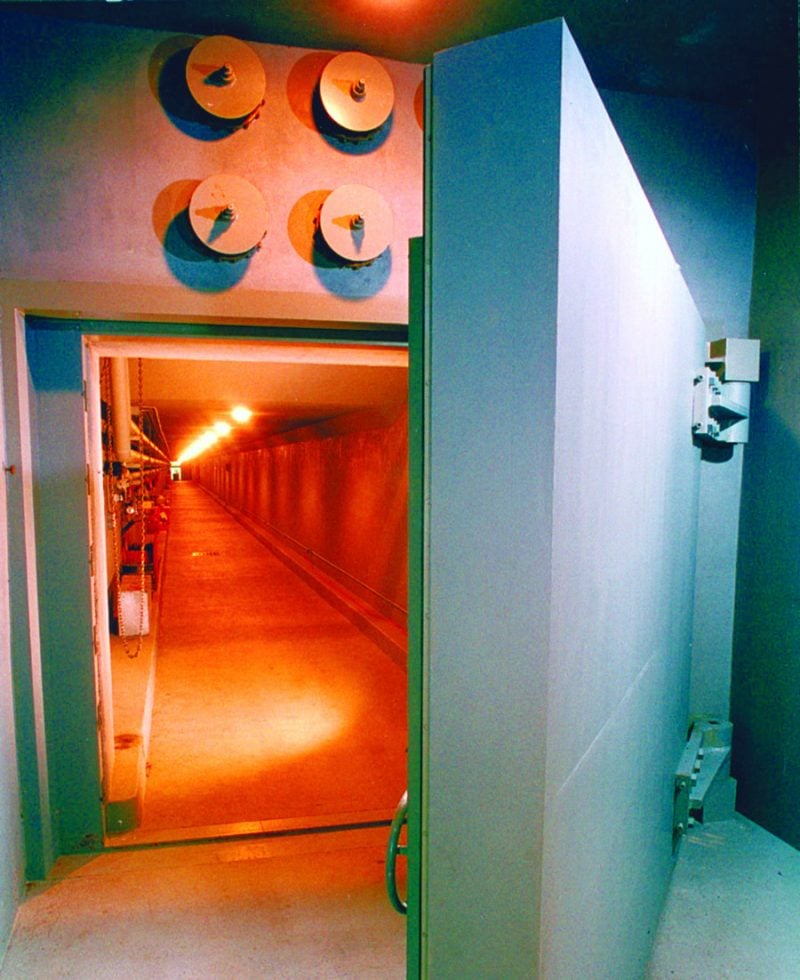
In 1957, amid fears that a nuclear attack could destroy Washington, the federal government began developing an emergency relocation center at The Greenbrier.
Its purpose was extraordinary: If the nation’s capital came under attack, all 535 members of the U.S. Congress could be evacuated to the facility so the legislative branch could continue functioning.
The underground complex, code-named Project Greek Island, was built alongside the resort’s above-ground West Virginia Wing. It contained spaces for congressional sessions, as well as dormitories and other facilities necessary to sustain hundreds of people underground.
The bunker was completed in 1962. According to the National Park Service, The Greenbrier was close enough to Washington to make evacuation practical, yet far enough to protect against an attack centered on the capital.
For approximately three decades, the facility remained ready for an emergency. Meanwhile, guests vacationed, played golf, and attended meetings at The Greenbrier, largely unaware that a secret emergency seat of the federal legislative branch was hidden beneath the resort.
Its existence became public in 1992, ending its Cold War mission.
Another chapter begins at The Greenbrier
The Greenbrier has endured extraordinary changes since the first visitors arrived at White Sulphur Springs in 1778. It survived the Civil War, was commandeered during World War II, became part of America’s secret Cold War infrastructure, and later faced bankruptcy and repeated ownership changes.
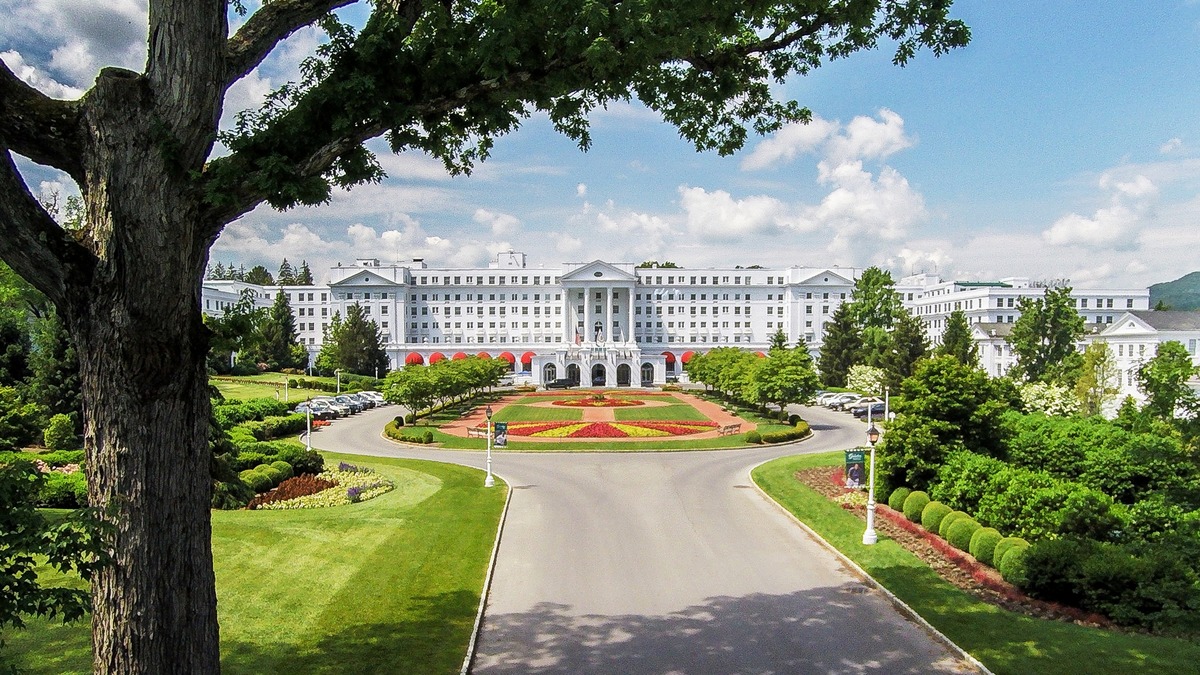
The Justice family purchased the resort in 2009. More recently, The Greenbrier became the focus of an extended financial and legal battle after roughly $289 million in outstanding loans tied to the resort were acquired by White Sulphur Springs Holdings, an affiliate of the parent company of Omni Hotels & Resorts. The company sought federal receivership, while the Justice family pursued its transaction with Kennedy Lewis.
With Friday’s closing, Kennedy Lewis now holds the controlling interest in the resort. Lloyd Nathan, whose career spans hospitality, gaming, real estate and development, has been appointed chairman of The Greenbrier’s newly constituted board. A filing Friday also sought dismissal with prejudice of the federal lawsuit over control of the property.
The ownership structure may be new, but reinvention is nothing new at The Greenbrier.

A mountain retreat that welcomed its first visitors during the American Revolution has survived the Civil War, two world wars, the Cold War, bankruptcy and nearly 250 years of change. Now another chapter is beginning.
Thank you for sharing this informative history. While I have always known of the Greenbrier, your article has deepened my understanding of the historical past of this resort. Let’s hope it can be preserved as it deserves.