
CHARLESTON, W.Va. — Hunters seeking an opportunity to pursue white-tailed deer in some of West Virginia’s most scenic public lands can now apply for a series of controlled lottery hunts designed to manage deer populations while protecting forests and native wildlife habitat.

The W.Va. Division of Natural Resources in Charleston has opened applications for its 2026 antlerless deer lottery hunts and controlled state park hunts, which provide limited access to areas where hunting is normally restricted or closely managed.
Unlike traditional hunting seasons that are open across much of the state, these hunts require hunters to be selected through a lottery because wildlife managers limit participation to achieve specific conservation goals.
Brett McMillion, director of the division, said that, as exclusive as the state park hunts are, their purpose is vital to park management.
“These lottery hunts are critical for managing West Virginia’s deer population and protecting natural habitats across the state,” McMillion said.
“By participating in these managed hunts, our hunters can play a role in conservation while gaining exclusive access to some of the most scenic public lands and state parks the Mountain State has to offer.”
Why are deer lottery hunts necessary?
Although white-tailed deer are one of West Virginia’s most recognizable wildlife species, unchecked populations can damage forests by consuming young trees before they mature. Heavy browsing also reduces habitat for songbirds and other wildlife while affecting forest regeneration.
Controlled antlerless hunts help wildlife biologists keep deer populations within levels the landscape can support. Harvesting does has a greater long-term effect on herd size than harvesting bucks because it directly reduces future reproduction.
These carefully regulated hunts are commonly used by wildlife agencies throughout the eastern United States to balance healthy deer populations with healthy forests.
Rare access to state parks
One of the most unusual aspects of the program is that successful applicants may hunt in portions of several West Virginia state parks that are otherwise known for outdoor recreation rather than hunting.
This year’s controlled state park hunts will be held at:
- Beech Fork State Park
- Pipestem Resort State Park
- Stonewall Resort State Park
- Twin Falls Resort State Park
These managed hunts are conducted during designated periods under strict supervision to reduce deer numbers where natural predators and traditional hunting opportunities are limited.
Additional lottery hunting areas
The W.Va. DNR will also issue a limited number of antlerless deer permits for designated counties and public lands where additional harvest is needed.
The 2026 lottery includes 13 permit areas:
- Boone County
- Camp Creek State Forest
- Daniels Ridge Wildlife Management Area
- Western Fayette County
- Northern Greenbrier County
- Greenbrier State Forest
- Northern Kanawha County
- Southern Kanawha County
- National Forest lands in Nicholas County
- National Forest lands in Pocahontas County
- National Forest and state lands in Randolph County
- Western Raleigh County
- Webster County
Application deadlines
Applications for antlerless deer lottery permits must be submitted by Sept. 4, with successful applicants able to check results beginning Sept. 15.

Applications for the state park lottery hunts close Aug. 31. Drawings will be conducted Sept. 3, and successful applicants will be notified between Sept. 8 and Sept. 25.
State park lottery applications require a $15 application fee and may include up to two hunters. Deer harvested during these controlled hunts do not count toward a hunter’s annual bag limit.
Hunters can apply, purchase licenses, and review regulations through the WVDNR’s online hunting portal.
About the W.Va. Division of Natural Resources
The W.Va. Division of Natural Resources manages the state’s fish, wildlife, forests, and outdoor recreation resources, overseeing more than one million acres of public land, including wildlife management areas, state forests, and other natural areas. In addition to setting hunting, fishing, and trapping regulations, the agency conducts wildlife research, restores habitat, operates fish hatcheries, maintains public access for outdoor recreation, and works to conserve the state’s diverse plant and animal communities for future generations.
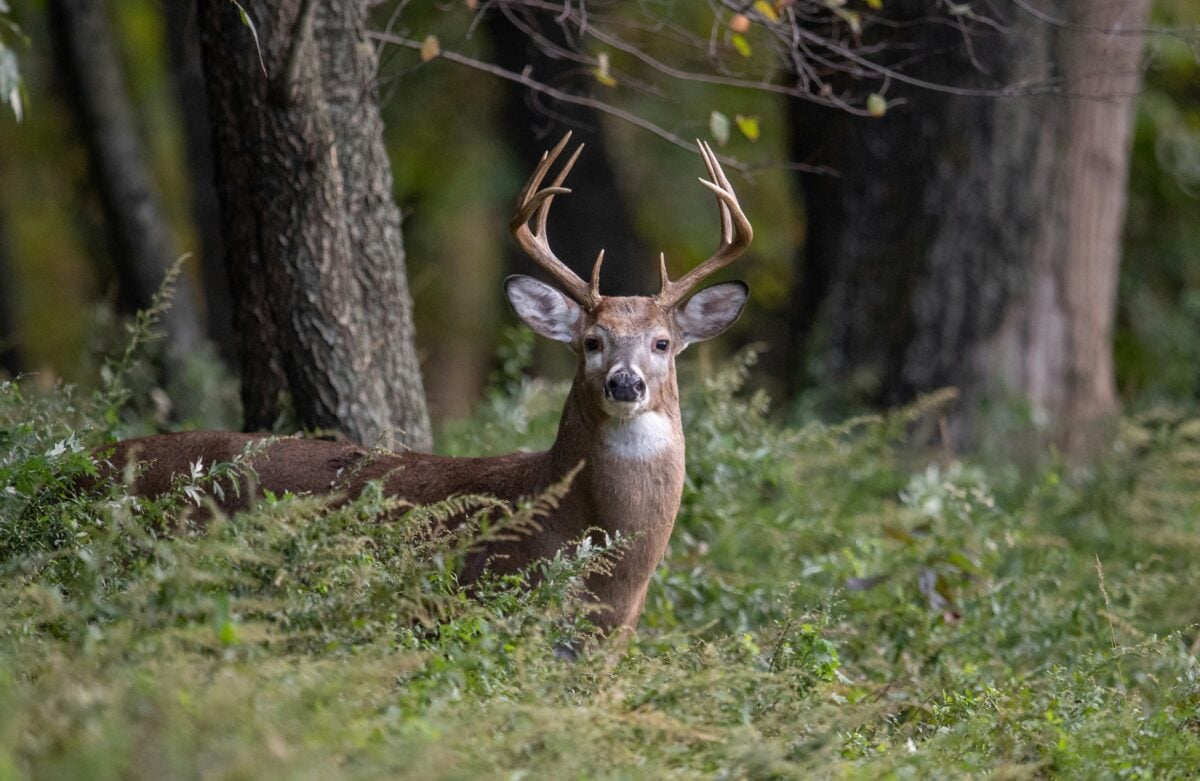
The picture at the top of this article is a buck not a doe!