
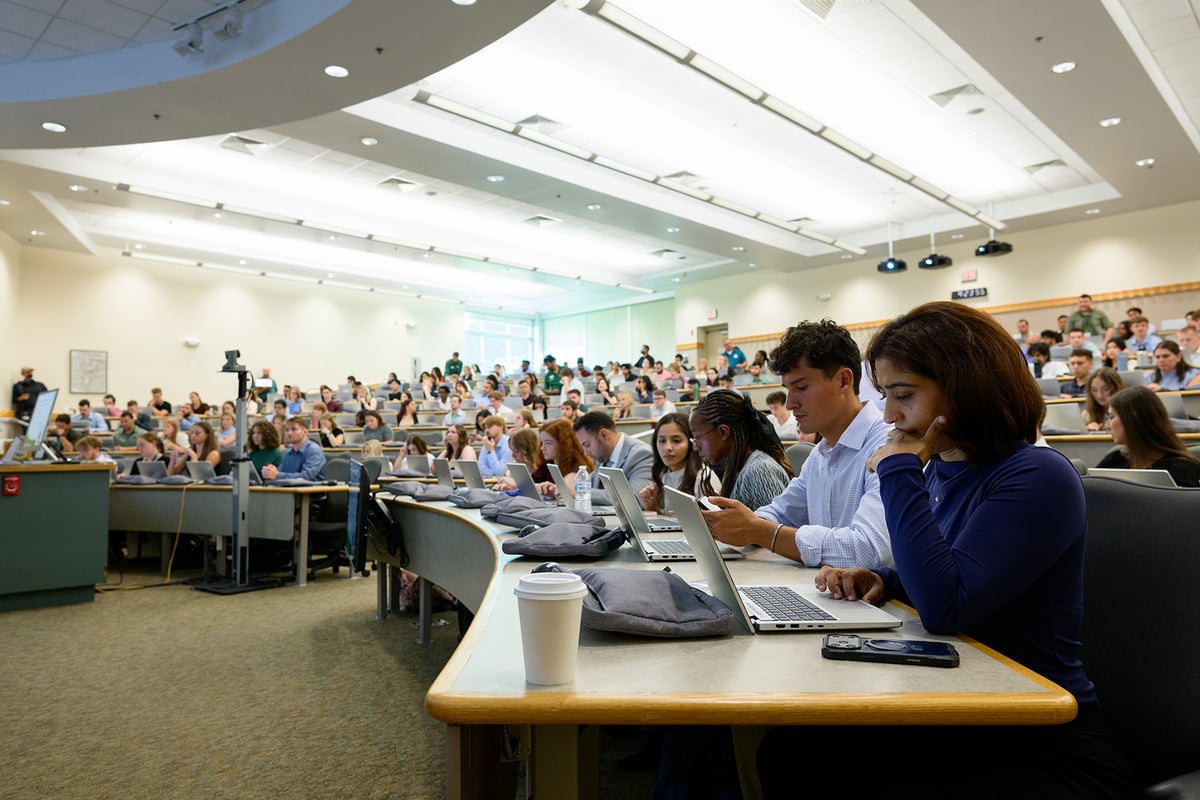
LEWISBURG, W.Va. — The West Virginia School of Osteopathic Medicine has enrolled the largest number of West Virginia students in its history, marking a milestone that school leaders say could help address the state’s long-standing shortage of physicians, particularly in rural communities.
The incoming Class of 2030 includes 210 first-year medical students, 79 of whom are West Virginia residents—the highest number of in-state students ever admitted to the Lewisburg-based institution.
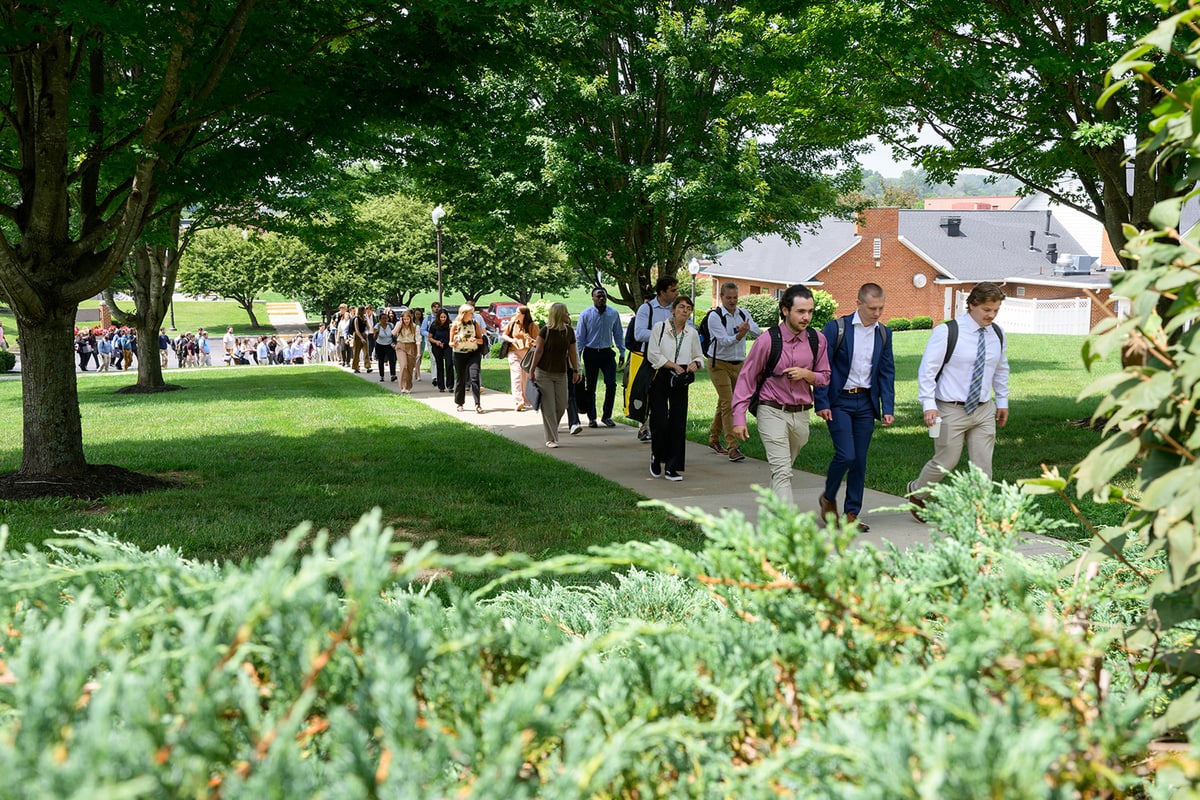
The school is the state’s largest medical school and is nationally recognized for training physicians in primary care and rural medicine. Many of its graduates remain in West Virginia or practice in underserved Appalachian communities, making the composition of each incoming class significant for the state’s future health care workforce.
Programs designed to keep West Virginians in medicine
School officials said the record enrollment did not happen by chance. It follows several years of expanded recruitment efforts aimed specifically at encouraging more West Virginia students to pursue medical careers close to home.
Among the initiatives are partnerships with colleges across the state, tuition assistance for qualifying West Virginia students and a master’s degree program that prepares students for the academic demands of medical school.
“The WVSOM Board of Governors and I are pleased that the school has enrolled the largest number of in-state students in its history,” school president James W. Nemitz said.
“The success of our biomedical sciences master’s degree program and the pipeline programs we have established with West Virginia undergraduate institutions bodes well for the future production of physicians who will serve the state.”
Interim director of admissions Mark Hinson said admissions staff intentionally adjusted recruitment strategies over the past several years.
“We made shifts in our program structure for recruitment and promotion to solidify WVSOM’s West Virginia enrollment and set it up for success going forward,” Hinson said.
Pipeline programs begin during college
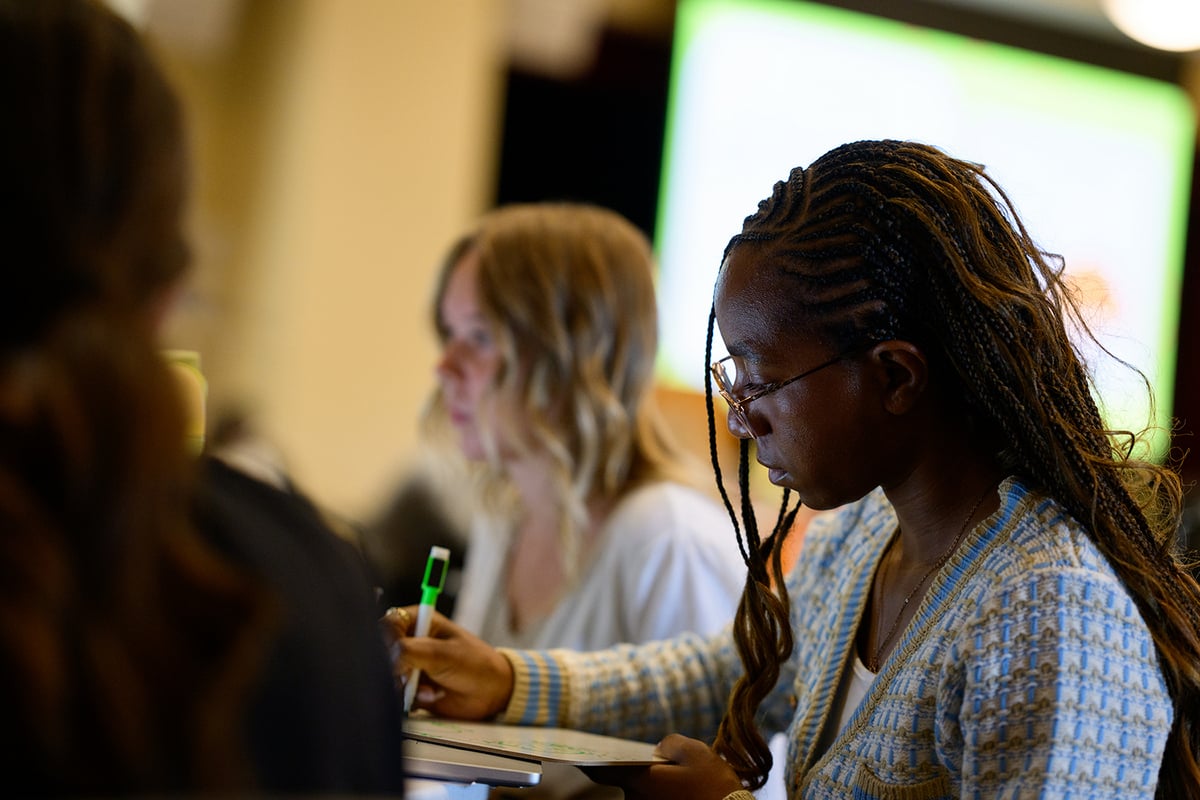
A major part of that strategy is the school’s Pre-Osteopathic Medicine Program, known as “POMP,” which partners with 12 West Virginia colleges and universities.
The program offers qualified students an early pathway to admission after completing academic requirements, allowing them to prepare for medical school with greater confidence and support.
Brian Griffith, a biomedical sciences professor who helped establish the program in 2013, said it is designed to encourage talented students from rural communities to remain in West Virginia for medical training.
“The program is designed to encourage talented students from rural West Virginia to choose WVSOM for their medical education by providing opportunities that support their path to becoming osteopathic physicians,” Griffith said.
Seventeen members of the incoming Class of 2030 previously participated in POMP while completing their undergraduate education.
Former participant Emily Shupe, now a member of the school’s Class of 2029, said the program reduced much of the uncertainty surrounding medical school admissions.
“Many students spend a large portion of their undergraduate education trying to maintain a certain GPA while studying for the MCAT and also trying to expand their resumes for medical school applications,” Shupe said.
“The POMP program provided direct access to WVSOM’s admissions team, offered guidance with any questions I had, and reduced the uncertainties and stress associated with the medical school application process.”
Master’s program expands quickly
Another factor driving enrollment has been the school’s Master of Science in Biomedical Sciences program, introduced during the 2024-25 academic year.
The nine-month program prepares students for medical school and other health professions while giving prospective physicians an opportunity to strengthen their academic foundation before entering the Doctor of Osteopathic Medicine program.
The program has grown rapidly, increasing from 24 students during its first year to 72 students entering this academic year.
School officials said the results have been encouraging. Seventy percent of West Virginia students who completed the program in 2025 went on to enroll in the school’s medical program. That figure increased to 84 percent for West Virginia graduates entering in 2026.
Hinson said admissions officials expected enrollment to increase but were surprised by the final numbers.
“We knew the numbers would be high, but I don’t think anyone anticipated we’d have this many,” he said. “It has been very successful.”
West Virginia has long struggled with physician shortages, particularly in rural counties where residents often travel long distances for medical care, according to the West Virginia Department of Health.
For osteopathic school officials, the record number of homegrown medical students represents more than an admissions milestone—it is an investment in the state’s future health care workforce and a larger pipeline of doctors who choose to build their careers in West Virginia.
It doesn’t matter how many docs you have, if you don’t take care of yourself. How about some personal responsibility to educate yourself and follow health guidance?