
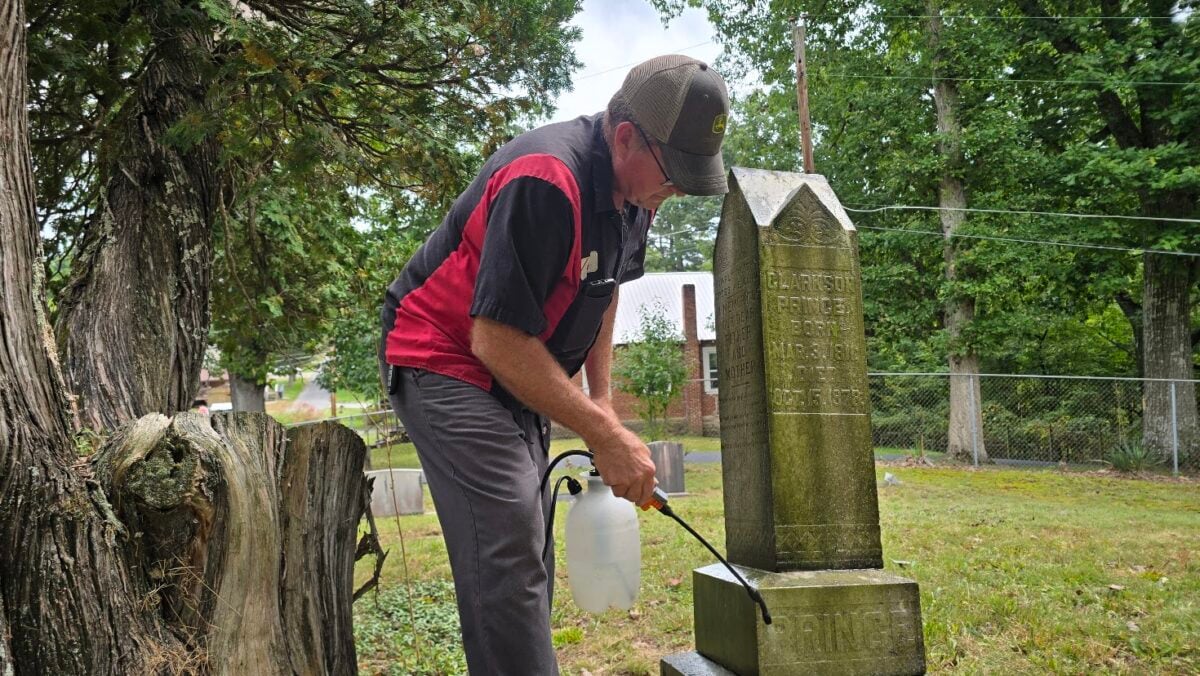
BEAVER, W.Va. — Gary Morefield was cleaning an old gravestone in a small cemetery in an Appalachian valley when he reflected on what such places can reveal.
“Cemeteries are like libraries,” he said. “You can learn the history of a place just strolling through.”
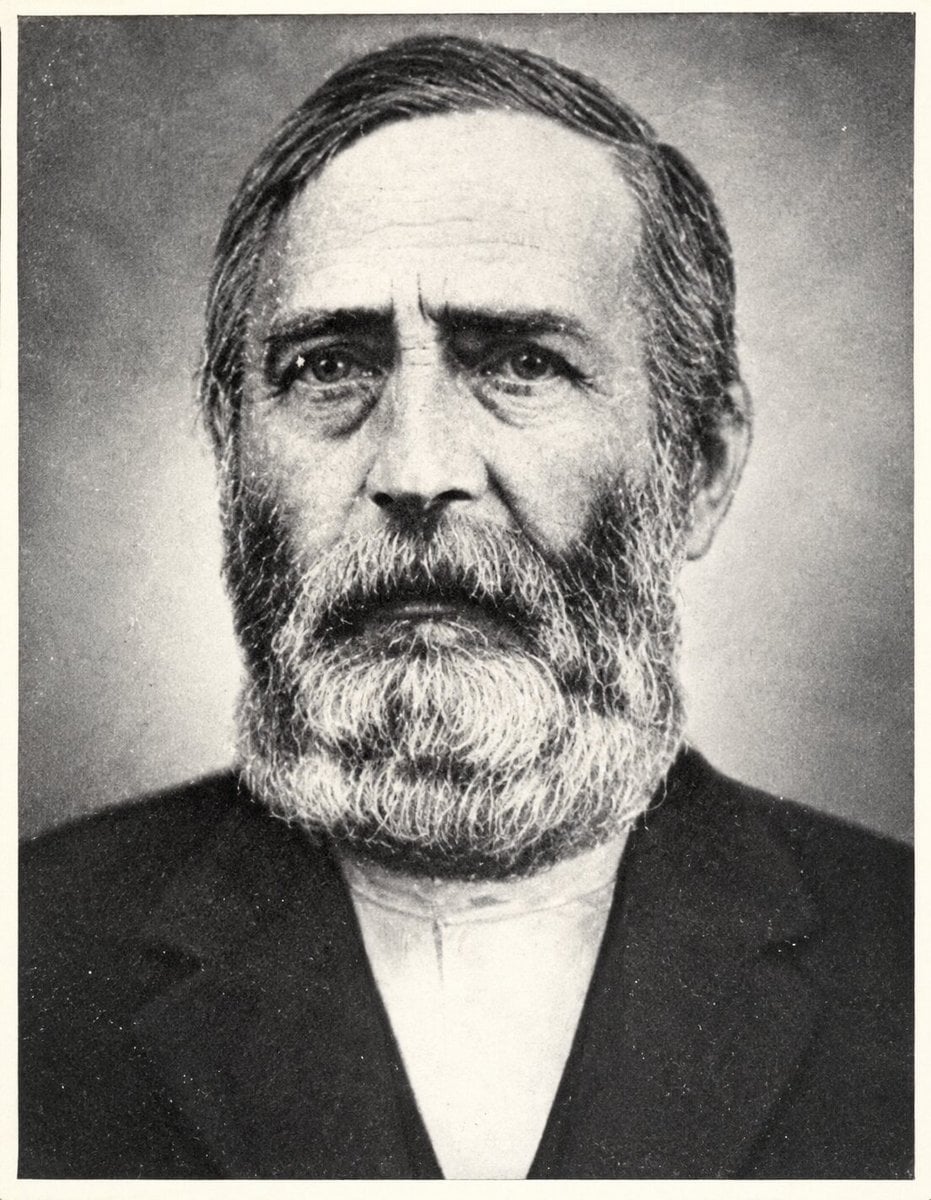
The stone belongs to Clarkson Prince, who came from Philadelphia to what is now Raleigh County, in southern West Virginia, in 1834. Prince wasn’t a poor pioneer searching for land, as Appalachian tales often describe. His family already owned a large tract here.
His first cousin, Alfred Beckley, arrived under similar circumstances, backed by extensive family landholdings. Both came from prominent eastern families and helped establish communities that survive today.
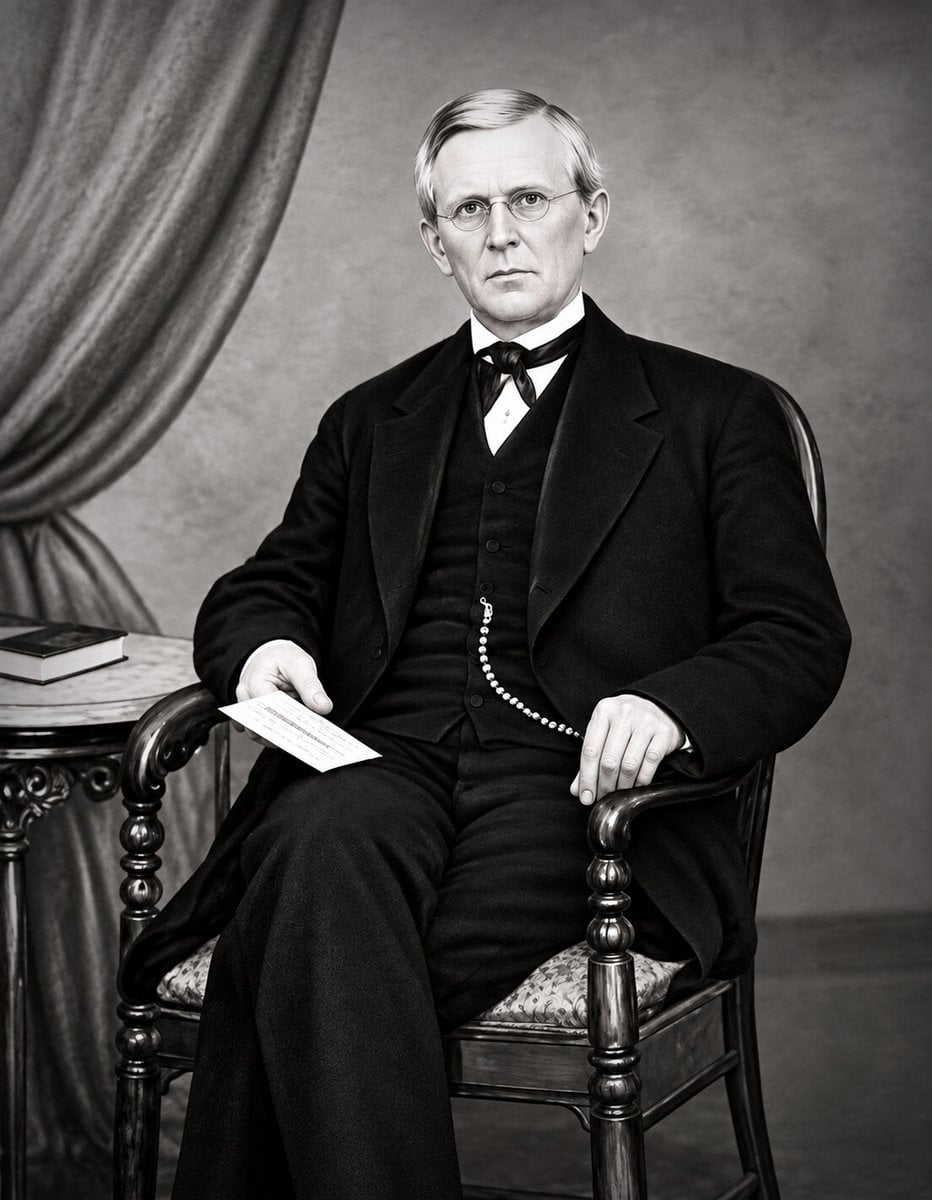
Their stories reveal an easily overlooked side of Appalachian settlement. Not everyone who came into the mountains arrived with little more than what they could carry. Some came with land, money, and connections.
A Philadelphia family comes to the mountains
Historian Jim Wood wrote in his 1994 book Raleigh County, West Virginia, that Clarkson Prince and his brother William came from Philadelphia “to look after large boundary of land belonging to their father, Isaac Prince.” Clarkson was about 23 when the brothers arrived.
They boarded at Henry Hull’s tavern at Shady Spring, an early settlement near present-day Beaver, and soon married into the Hull family. Clarkson married the Hull daughter, Susan, in 1835, while William married her sister, Margaret.
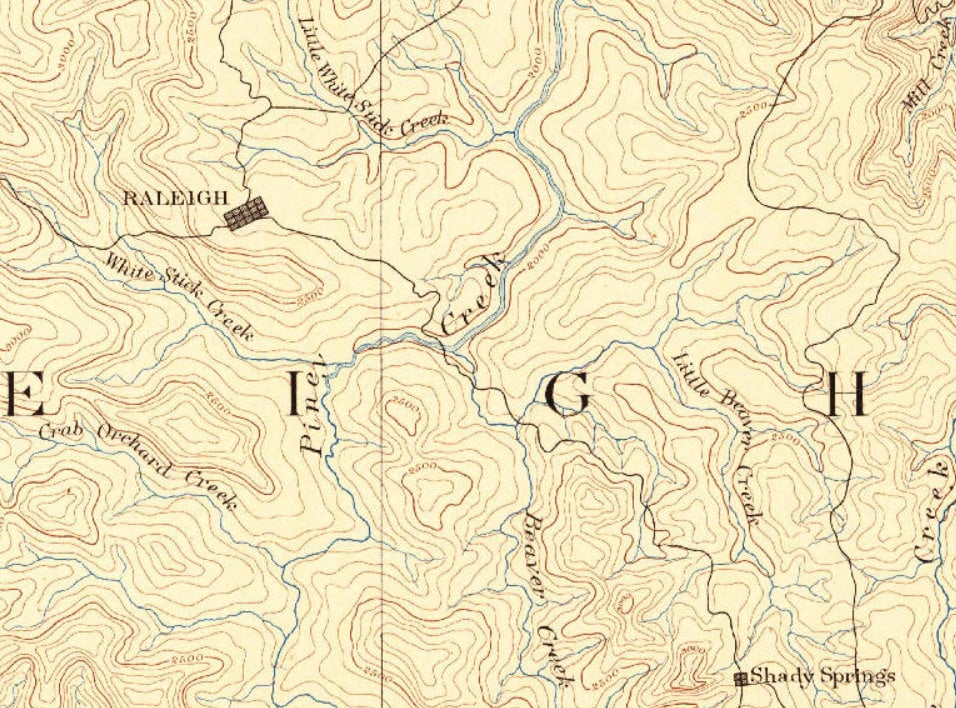
Clarkson settled at the forks of Beaver, where Big and Little Beaver creeks meet. A History of Shady Spring District, compiled by the Shady Spring District Woman’s Club in 1979, identifies them as Beaver’s first settlers.

Prince established a home, farm, and store near the Beaver forks. An 1842 sketch associated with Virginia engineer Claudius Crozet depicts the dwelling, barn, and store near the mouth of Little Beaver Creek, opposite a mill. Federal postal records also identify Prince as an early postmaster at Beaver Creek.
The location helps explain how the settlement developed. A road passed through the area, while the store, mill, and mail service gave travelers and neighboring families reasons to stop at the forks.
His cousin was establishing another town
Three miles away, Alfred Beckley was establishing another settlement. It became the city of Beckley, now one of the principal communities in southern West Virginia and a gateway to the New River Gorge region.
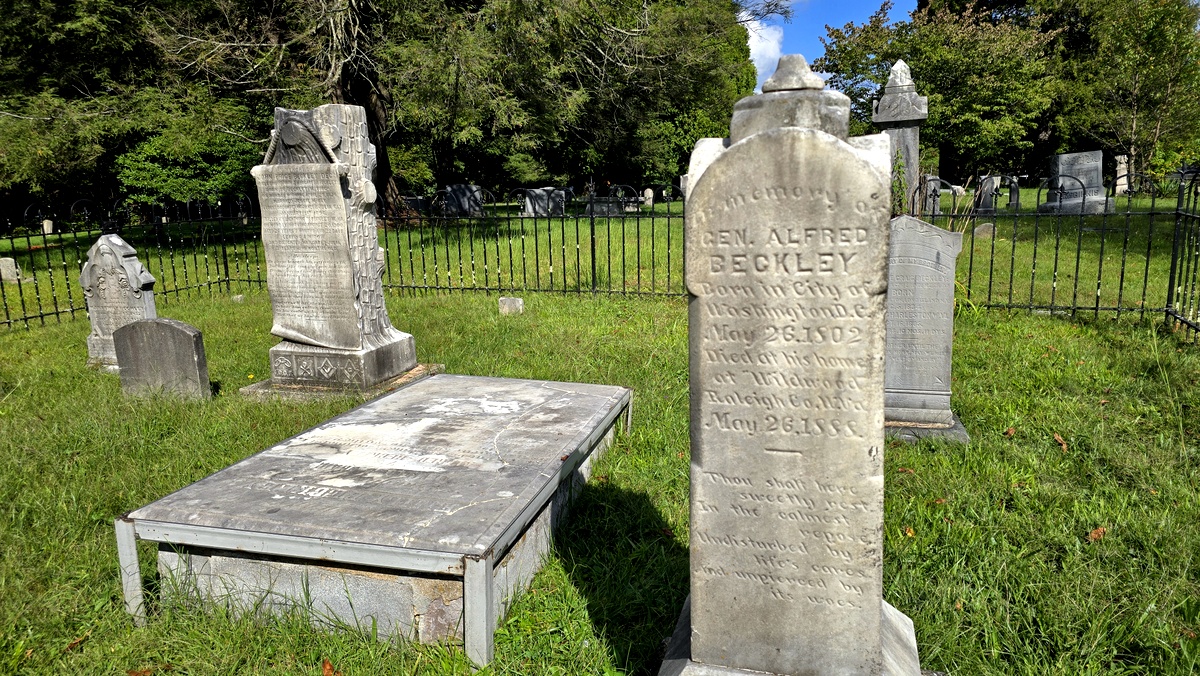
Now at age 34, Beckley grew up far from an isolated mountain frontier. His father, John James Beckley, had been the first clerk of the U.S. House of Representatives and the first Librarian of Congress. Alfred graduated from the U.S. Military Academy at West Point before coming into the mountains to develop his family’s land interests.
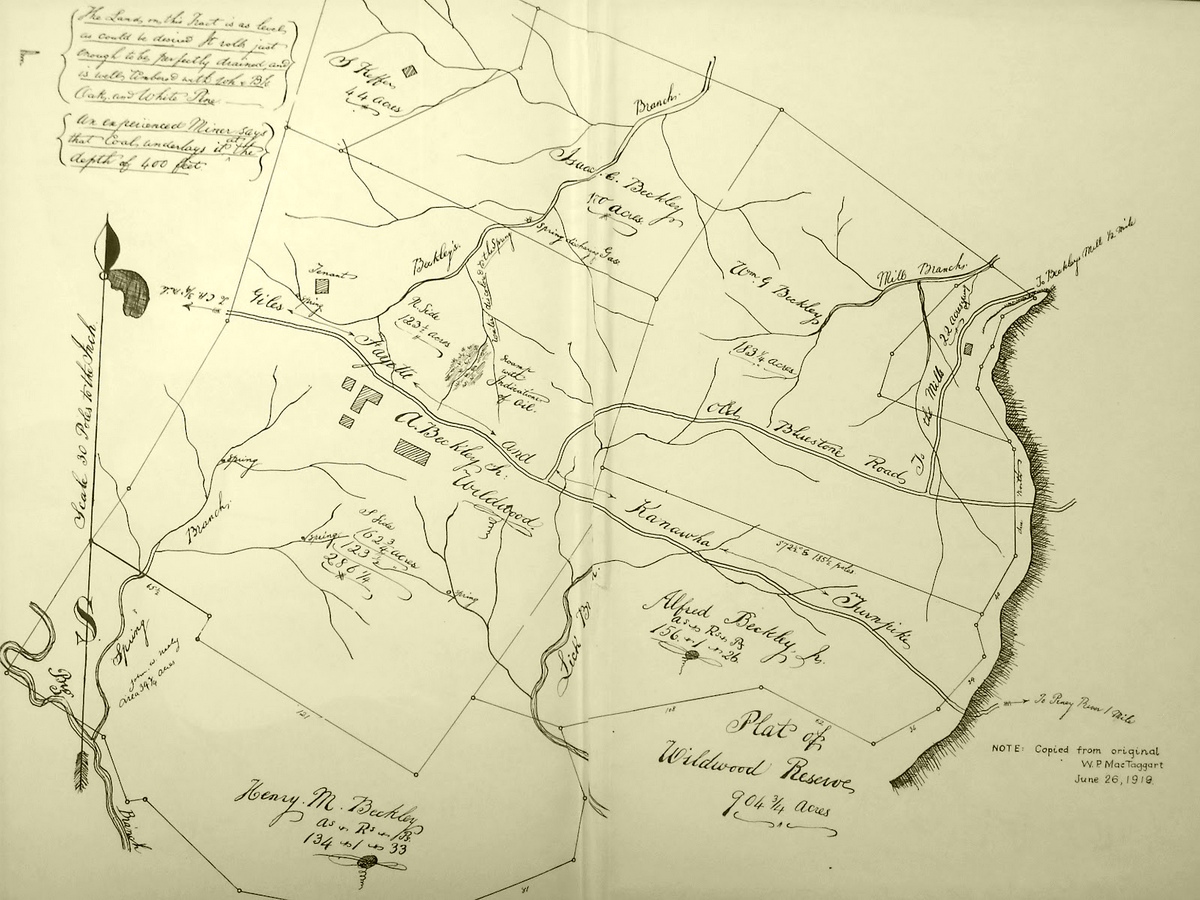
His mother was a Prince, making Alfred and Clarkson first cousins. Beckley much later recalled the few families living around him during his first years there, including “Clarkson Prince at forks of Beaver three miles.”
The cousins evidently knew each other well. Beckley wrote that Prince had named his double-log residence “Park Place,” though Beckley later changed the name to Wildwood.
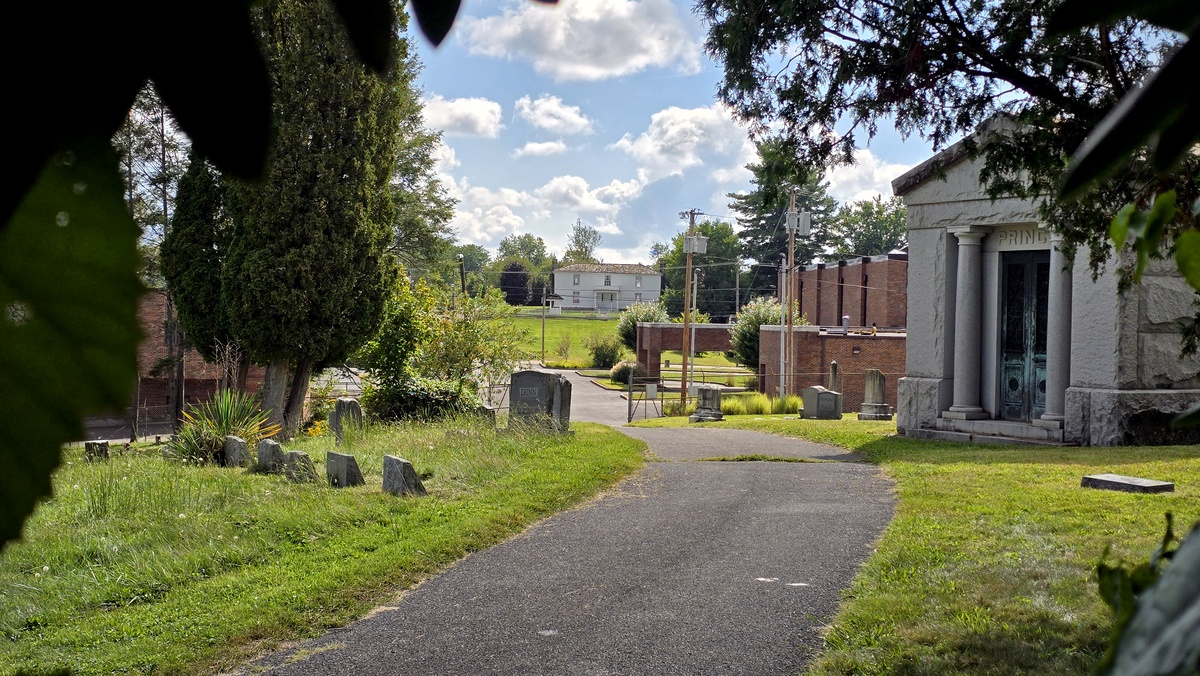
Their relationship also appears in the public record. When Virginia lawmakers formally established the town of Beckley in 1838, they appointed five trustees to oversee it—Alfred Beckley, Clarkson Prince, William Prince, John Bailey, and Richard McVey.

Morefield says three of the five belonged to the same extended family.
Wealthy investors were already looking west
The cousins’ arrival in the mountains was part of a much larger story, according to historian Barbara Rasmussen.
A West Virginia University professor, Rasmussen documented that story in Absentee Landowning and Exploitation in West Virginia, 1760–1920. Her research showed how wealthy investors and landowners from outside the region acquired enormous holdings beyond the Appalachian Mountains long before coal mining and railroads transformed West Virginia.
By 1805, about 250 people or interconnected interests each controlled at least 10,000 acres in the territory that would become West Virginia, according to the West Virginia Encyclopedia. Some controlled considerably more.
Western land had become an investment for prominent Americans generations before Prince and Beckley arrived. George Washington was among those who acquired extensive claims beyond the Appalachian Mountains.
The Beckley family’s interests were also enormous. Historical research prepared for the Beckley Mill site shows that Alfred’s father, John Beckley, and Andrew Moore acquired interests in a 170,038-acre land patent covering parts of what are now southern West Virginia’s Raleigh and Summers counties.
The same research identifies Clarkson’s father, Isaac Prince, as a Philadelphia merchant who helped finance his nephew Alfred in return for an interest in Beckley’s lands.
That broader history casts the two cousins in a different light. They were pioneers in the sense that they helped establish communities on an expanding American frontier, but they did not arrive without resources. Their families already possessed property, capital, and connections that extended far beyond the mountains.
The family’s connections reached the Caribbean
The Prince family’s history becomes even more international when traced another generation.
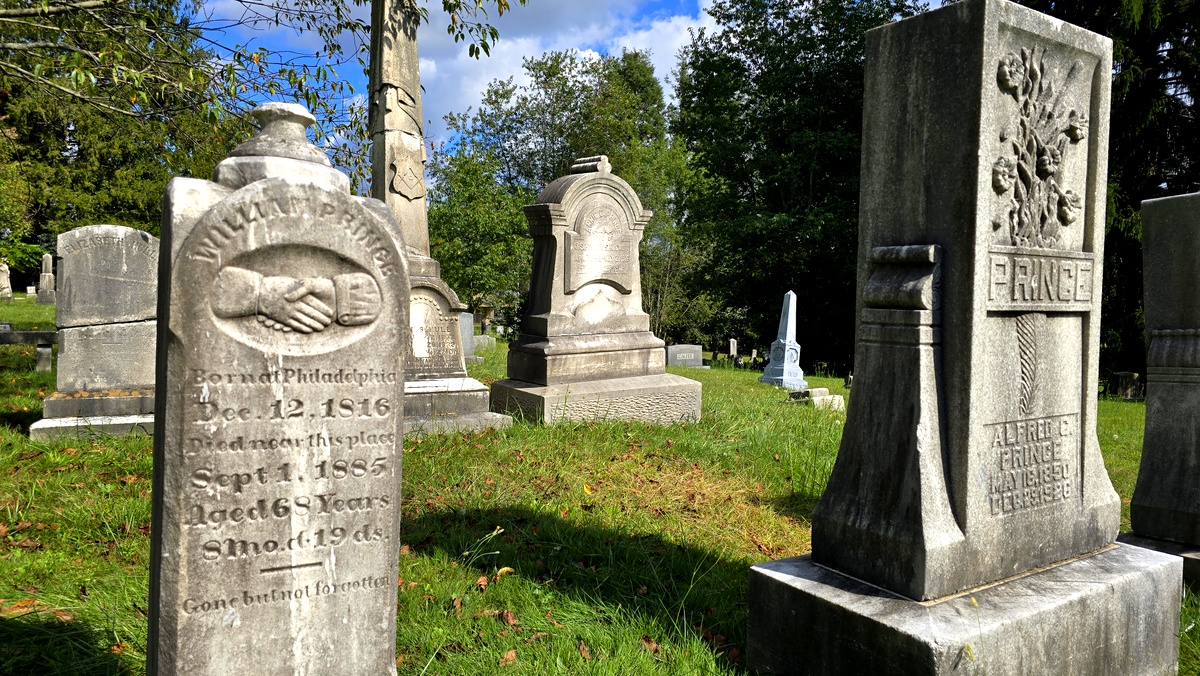
Clarkson’s mother, Mary Clarkson, belonged to a family with ties to the Caribbean. Her mother, Ann Amory, was born on the island of St. Kitts, where Mary’s parents married in 1787. Clarkson himself was reportedly born in the Caribbean in 1811.
Federal records also document an Isaac Prince serving as a U.S. consul at St. Barthélemy, another Caribbean island, during the early 1800s. The dates and circumstances align closely with Clarkson’s father, although the records found so far do not conclusively establish that they were the same man.
A third brother, Edwin Prince, later followed Clarkson and William from Philadelphia into the mountains and became Beckley’s first merchant. Wood wrote that Edwin accumulated a “large fortune” through merchandising and land speculation.
The family, remembered locally as Appalachian pioneers, was therefore connected to a much larger commercial world extending from the Caribbean through Philadelphia and into the American interior.
A landscape that survived
Clarkson and Susan Prince remained at Beaver, and their house stood for decades after their deaths before burning in 1915, according to the Shady Spring history. Farms were divided, roads changed, and development transformed much of the countryside around the forks.
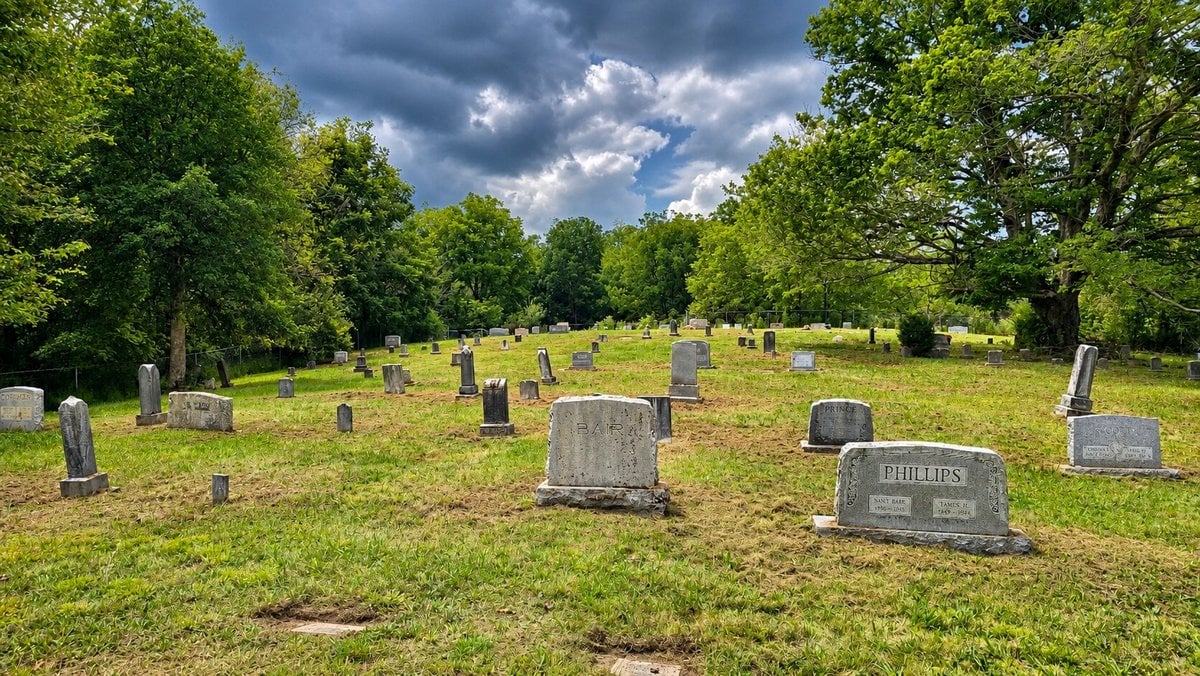
The cemetery is among the places that survived those changes. Morefield, a longtime trail builder who has worked to preserve historic landscapes in the region, said cemeteries deserve particular respect.
“They’re sacred places, like churches,” he said. “And they’re gardens at the same time. And, as is the case at Beaver, this is one of the last historical landscapes left.”
Prince’s grave connects that surviving landscape with a history that reaches far beyond this small Appalachian community. The name on the weathered stone leads to Philadelphia, the Caribbean, and the vast landholdings that drew eastern investment across the mountains nearly two centuries ago.
As Morefield suggested, a cemetery can be a library and a link to the ones who came before us.
I loved this article! Thank you