
WHEELING, W.Va. — For generations, ambitious chefs were expected to leave Appalachia to make a name for themselves. Big cities offered larger markets, broader audiences, and greater opportunities than West Virginia’s small cities and mountain towns.

But according to West Virginia food historian and chef Matt Welsch, that narrative is beginning to change.
Rather than leaving the state, some of West Virginia’s most accomplished chefs are opening restaurants in communities many outsiders would never expect—from a resort state park to a town of fewer than 2,000 residents. In doing so, they’re helping redefine Appalachian cuisine and giving travelers another reason to explore the Mountain State.
“The real story isn’t that talented people are leaving,” he said. “It’s that they’re relocating within West Virginia.”
The shift is unfolding quietly yet noticeably across the state, says Welsch, who is also the owner of the landmark Vagabond Kitchen in Wheeling.
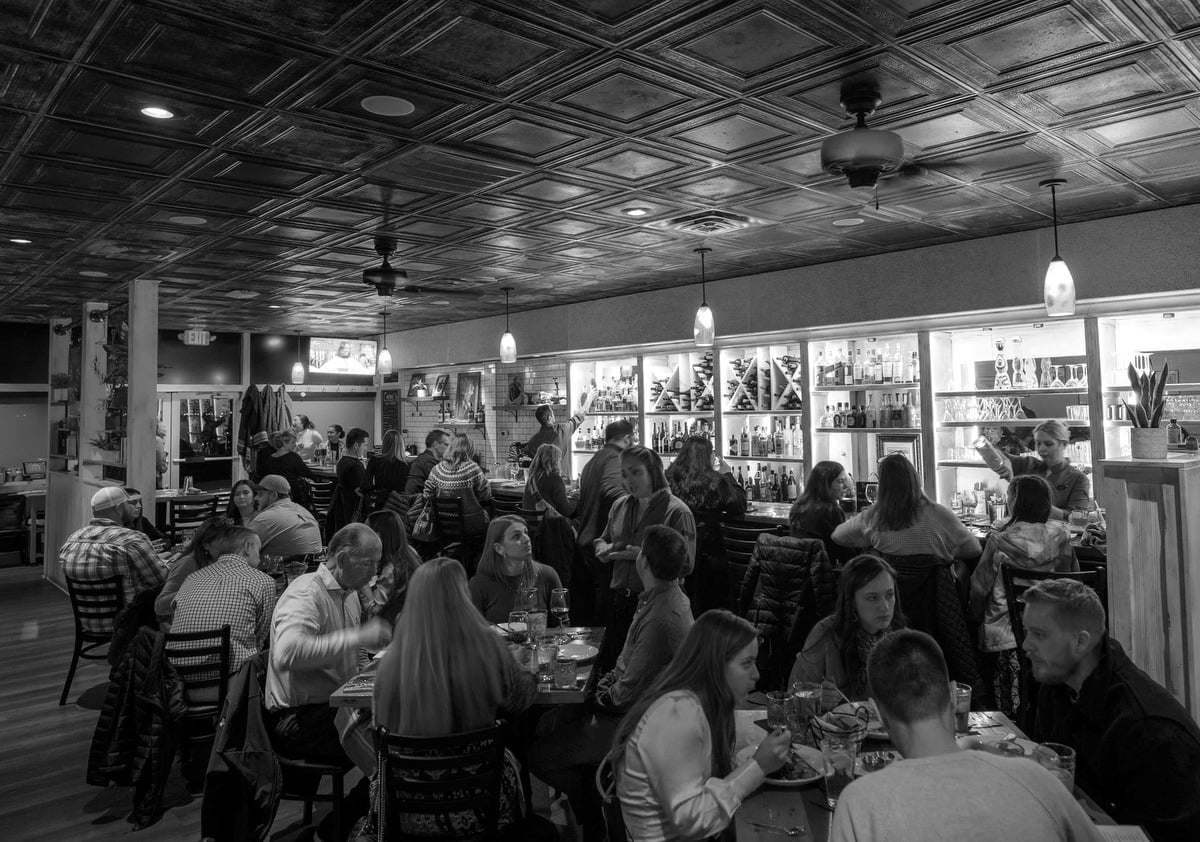
In Charleston, Chef Paul Smith has earned national recognition at 1010 Bridge while demonstrating that Appalachian ingredients can stand alongside the country’s finest regional cuisines.
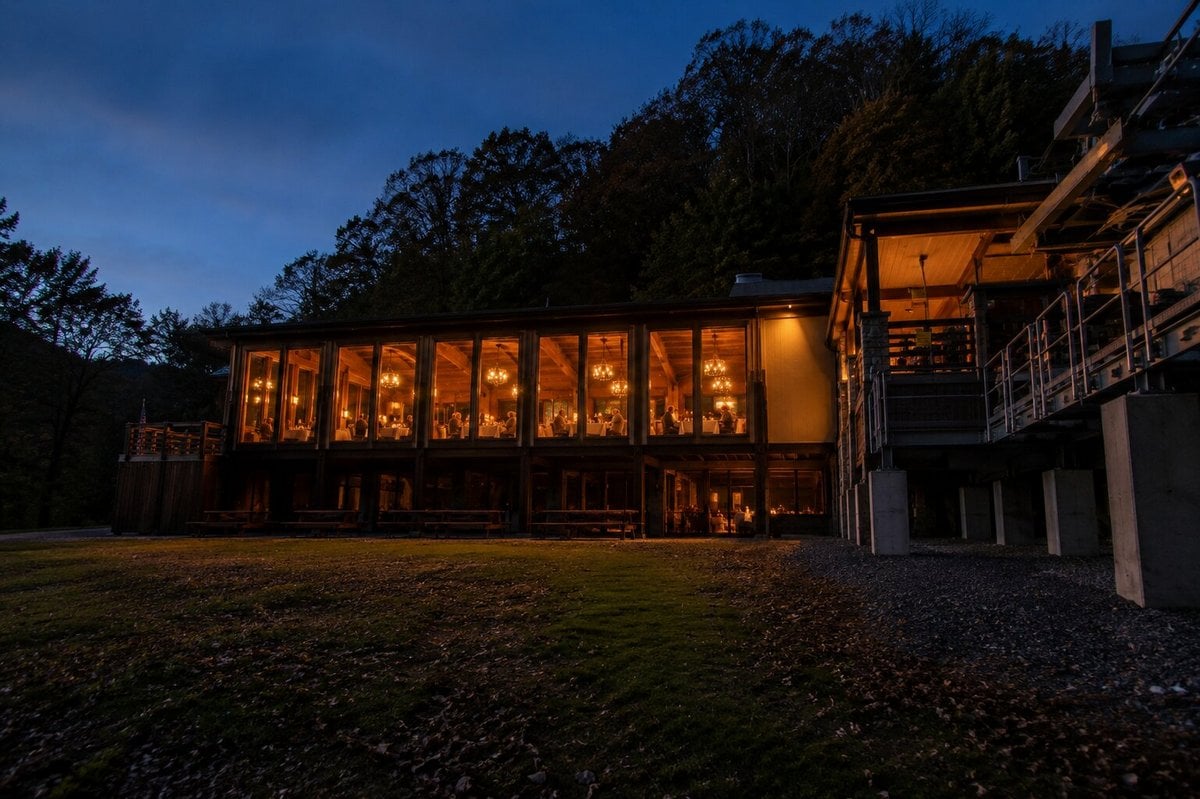
Near Hinton at Pipestem Resort State Park, Chef Marion Ohlinger left restaurant ownership behind to develop the culinary program at the park’s restored Mountain Creek Lodge, bringing sophisticated Appalachian cooking to one of the state’s premier outdoor destinations.
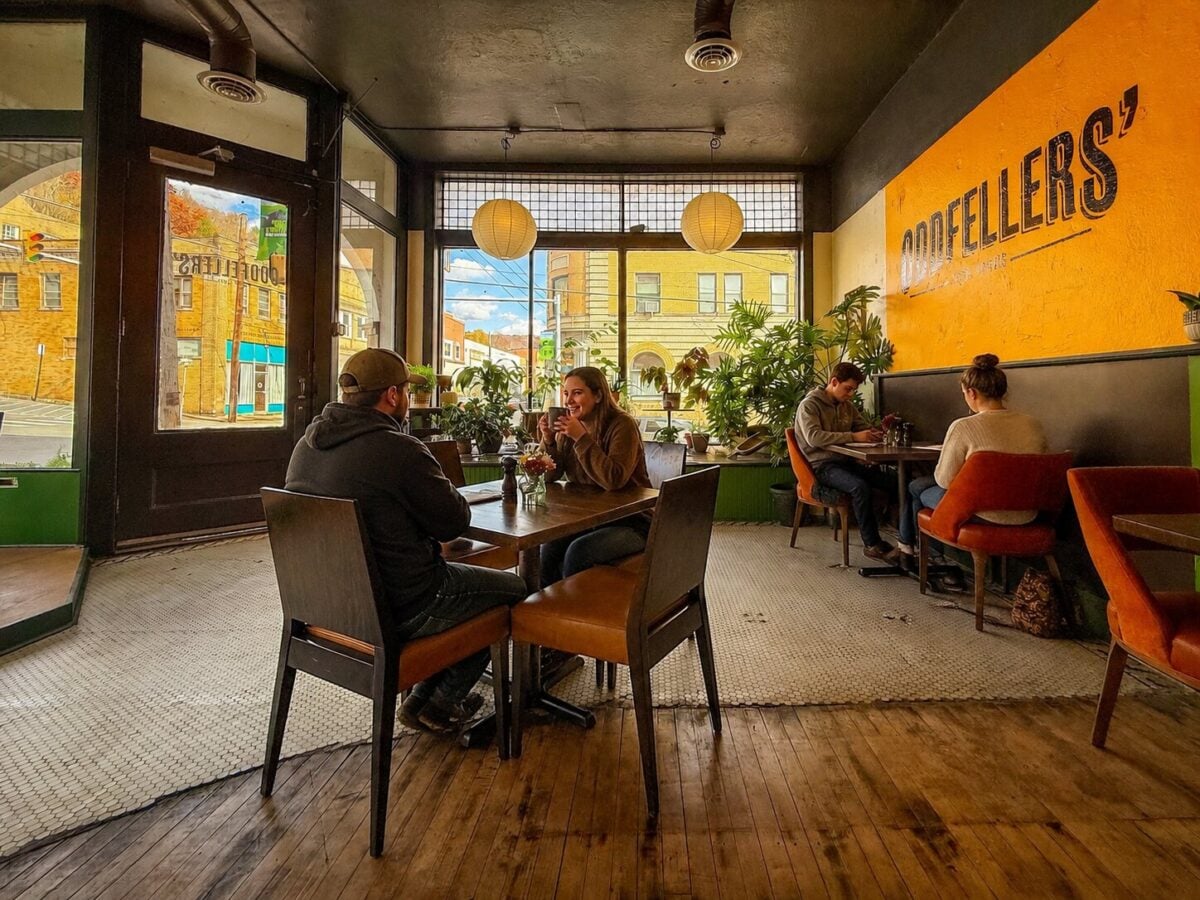
And in Richwood, a Nicholas County town tucked against the Monongahela National Forest, owner Eric Sebert opened Oddfellers’ Fine Foods, proving that exceptional food doesn’t require an urban address.
Together, Welsch said, they represent something larger than individual success stories.
“They’re investing where many people assume there’s nothing to invest in,” he said. “They’re helping demonstrate that West Virginia already has the ingredients, traditions, and talent to become a genuine culinary destination.”
A restaurant rooted in community
Few places illustrate that idea better than Richwood. Known historically for timber and surrounded by forests, rivers, and mountain recreation, the town has become increasingly popular with visitors exploring nearby trout streams, hiking trails, and scenic byways.
When Sebert decided to open Oddfellers’, he wasn’t chasing a larger market. “It’s almost like Richwood chose us,” Oddfeller’s Chef Libby Nolle said. “We really felt at home and welcomed by the community.”
The town embraced the project long before the first meal was served. Neighbors helped renovate the building, friends contributed skilled labor, and former students joined the restaurant’s staff. That sense of ownership continues today, with local residents supporting the restaurant alongside visitors arriving from across West Virginia and neighboring states.
Sebert said many guests drive an hour or more simply to dine there. The menu reflects his philosophy of approachable food prepared with exceptional care. House-baked bread, West Virginia-raised beef, locally sourced produce, and seasonal Appalachian ingredients share space with familiar favorites such as burgers, meatloaf, and fried bologna sandwiches.
The goal, Nolle said, has never been fine dining. Instead, it’s about serving food made from scratch that feels both welcoming and memorable.

Rediscovering Appalachian cuisine
For Welsch, the restaurants reflect something happening throughout the region. Traditional Appalachian cooking, once dismissed as simple mountain fare, is increasingly recognized for its depth and history.
The cuisine grew from Native American knowledge, European traditions, and generations of mountain families who relied on gardens, forests, and local farms. Ingredients such as ramps, pawpaws, trout, wild berries, and heirloom vegetables have sustained Appalachian communities for centuries.
Modern chefs aren’t abandoning those traditions. Instead, they’re applying classical techniques while preserving the flavors that define the region.
Ohlinger believes West Virginians themselves have sometimes lost touch with that culinary heritage. “The people who have never eaten a pawpaw or wild persimmon or squirrel gravy with biscuits far outnumber those who have,” he said.
Yet Ohlinger says he sees momentum returning. He points to culinary tourism in places such as Louisiana, Maine, and Oregon as evidence that regional food can become an economic engine.
“People plan trips to those places specifically to explore their culinary scenes,” Ohlinger said. “West Virginia has that same potential.”
Food as a destination
Smith believes restaurants do more than feed people. They give communities identity. “Locally owned restaurants give our towns a personality,” he said. “Food is one of the top reasons people travel now.”
He argues that visitors who discover restaurants such as Oddfellers often leave surprised not simply by the quality of the meal but by the community surrounding it.
For travelers, that experience fits naturally with what already draws millions of people to West Virginia each year. Many arrive to raft the New River Gorge, hike mountain trails, or fish cold Appalachian streams. Increasingly, they’re finding restaurants that tell the story of the region as clearly as its landscapes.
Welsch believes that the combination is one of West Virginia’s greatest strengths. Unlike destinations where restaurants are separated from the places that inspire them, West Virginia’s emerging culinary scene remains deeply connected to the mountains, farms, forests, and communities that produced it.
Visitors don’t simply eat Appalachian food. They experience the landscapes and traditions that shaped it. For Welsch, that’s what makes the state’s culinary revival different. It’s not about importing outside trends.
It’s about rediscovering what has always been here. As more chefs choose to build their futures in West Virginia rather than leave it, they are helping transform Appalachian cuisine from a regional tradition into a reason to visit, one memorable meal at a time.
What a great trend! Where was Alma Bea?? Is amazing
We’re not culinary school graduates, but pawpaws, ramps and wild berries have always been staples in our menu at the Orange Cat Cafe in Franklin.
Serving great fresh food and amazing ice cream aside, offering a space in which children and adults are encouraged to explore local history and create art that hangs on our walls in an atmosphere that welcomes shared stories has always been the mission, and has definitely increased community interest in new flavors and traditional tastes.