
CHARLESTON, W.Va. — West Virginia wildlife officials have launched a new online reporting system that allows residents and visitors to quickly report sick, injured or dead wild animals, giving state biologists another tool to detect disease outbreaks before they become widespread.

The W.Va. Division of Natural Resources announced Wednesday that it has begun using a new Wildlife Disease and Mortality Reporting Tool built on the ArcGIS Survey123 platform.
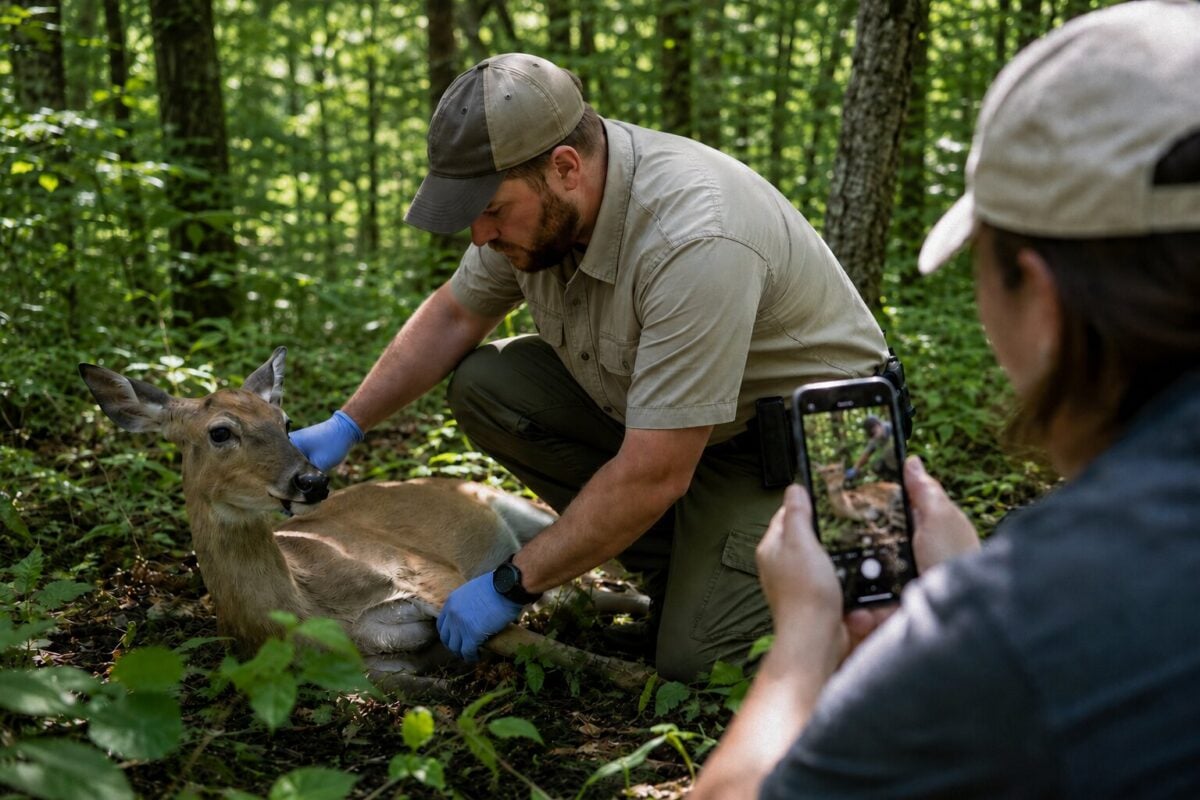
The online system allows users to submit reports from computers or smartphones, including photographs, locations and other details that can help specialists evaluate whether further investigation is needed.
Paul Johansen, chief of the division’s wildlife resources section in Charleston, says public participation can play an important role in identifying emerging diseases, particularly in remote areas where agency personnel may not immediately observe unusual animal deaths.
“This application will allow the public to report potentially sick or diseased wildlife, providing important information for resources specialists and biologists,” Johansen said.
“Although sick or diseased wildlife are rather uncommon overall, disease does sometimes occur among populations of wild animals. This application offers another way for members of the public to report their observations.”
Public reports help protect wildlife populations
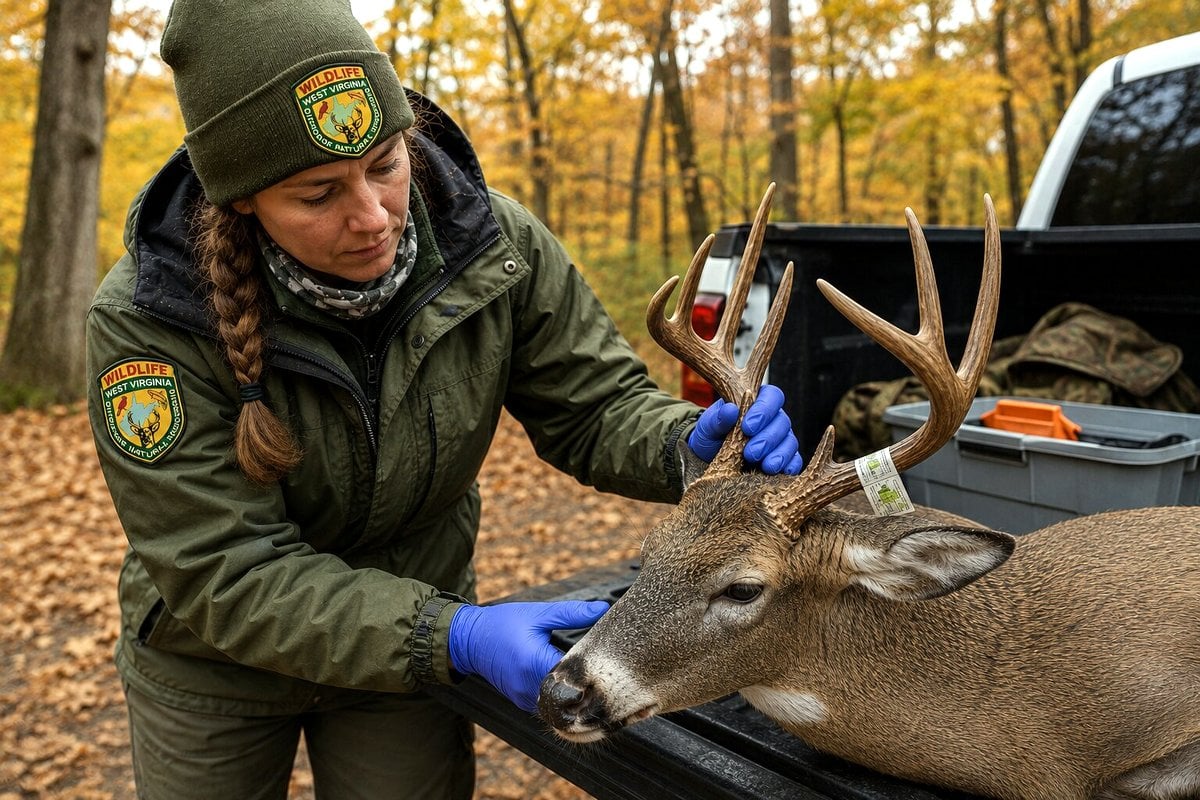
Diseases can affect a wide range of species, from deer and black bears to birds and smaller mammals. Early reports from hunters, hikers, landowners and other outdoor enthusiasts often help biologists identify localized problems, such as chronic wasting disease, before they spread.
The reporting tool allows users to upload photographs, pinpoint the location of an animal and describe what they observed. Staff will review submissions and determine whether additional field investigations are necessary.

“The wildlife resources section relies on timely reports of wildlife health events from the public across the state to help monitor population health,” Johansen said. “We encourage the public to report sightings of possibly sick animals.”
Not every sick animal needs to be reported
Officials note that not every encounter with a sick or injured animal indicates a disease outbreak. Wild animals may appear weak or disoriented because of injuries, old age, vehicle collisions, or natural causes. Even so, public reports can help biologists recognize patterns that might otherwise go unnoticed, particularly if multiple animals are affected in the same area.
Officials encourage people to observe animals from a safe distance and avoid handling those that appear sick or have died unexpectedly. Many diseases pose little or no risk to people, but some illnesses can affect domestic animals or, in rare cases, humans. Taking photographs and noting the location from a safe distance can provide investigators with valuable information without disturbing the animal or exposing people to unnecessary risk.
The reporting system is intended to strengthen the state’s ongoing wildlife monitoring efforts rather than replace them. Wildlife biologists routinely survey animal populations, but they rely on thousands of hunters, hikers, anglers, landowners and outdoor enthusiasts across West Virginia to alert them when unusual wildlife health events occur.
Officials say those observations can help the agency respond more quickly, improve its understanding of health trends and better protect the state’s diverse populations of mammals, birds and other native species.
Tool supplements local wildlife offices
The agency emphasized that the online reporting system is intended to supplement—not replace—its district offices, which will continue to accept disease reports and public questions during normal weekday business hours.
Officials encourage anyone who encounters an animal that appears sick or diseased, or that has died under unusual circumstances, to submit a report through the new online system or contact the nearest division district office directly.
The new reporting tool is available on the division website and is designed to improve the agency’s ability to monitor wildlife population health across the Mountain State.