
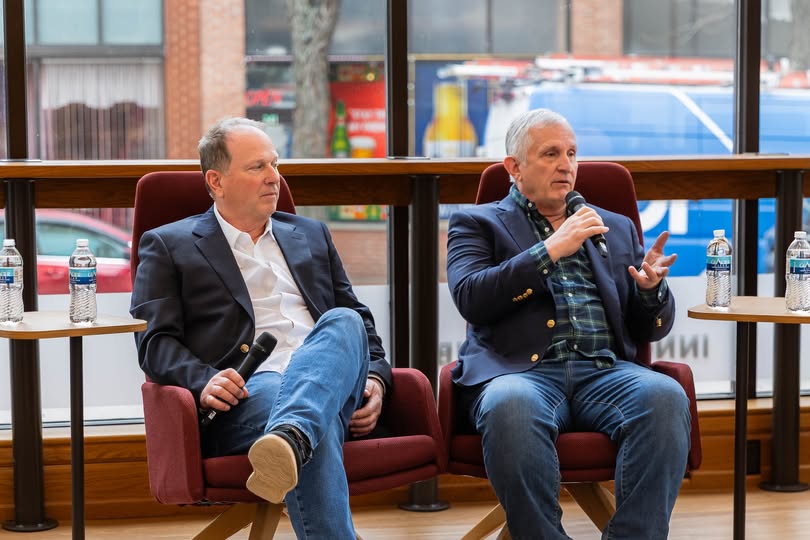
MORGANTOWN, W.Va. — West Virginia filmmakers have reached a milestone few would have imagined a decade ago.
Earlier this year, two films produced by the Morgantown-based Allegheny Image Factory—Gaslit and The Bad Guardian—simultaneously ranked among Netflix’s five most-watched movies in the United States, an achievement that producer Jeff Tinnell believes is unprecedented for a homegrown West Virginia production company.
“We actually had two movies in the Top Five on Netflix at the same time,” Tinnell told WVExplorer. “One was Gaslit, and number four was The Bad Guardian. I’m pretty comfortable saying that’s never happened for a West Virginia film.”
For Tinnell, the accomplishment signals more than streaming success. It suggests West Virginia is beginning to earn recognition not only as a place where films are shot, but as a place where they are conceived, produced, and brought to audiences around the world.
“We’re the first West Virginia-based, homegrown production entity to start seeing this kind of success,” he said.
Changing the Conversation
For decades, West Virginia has served as a backdrop for major productions, including Matewan, The Deer Hunter, and Super 8. But most of those projects were conceived and managed elsewhere.
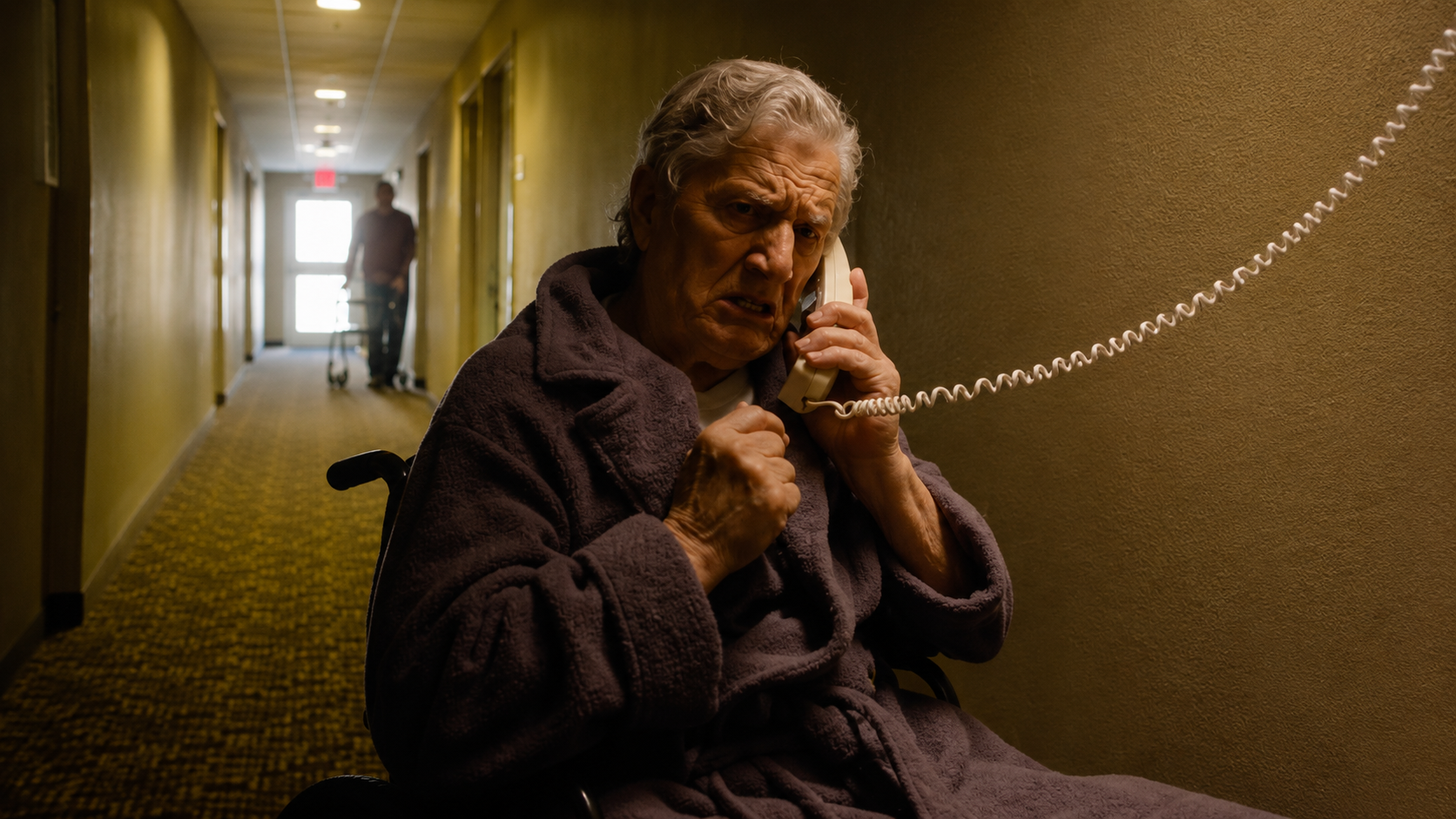
Tinnell believes today’s success is different because the films are being developed and produced by West Virginians. Just as important, he said, they are helping dismantle outdated stereotypes that still linger in parts of the entertainment industry.
One Hollywood executive once asked where film crews would stay if they worked in West Virginia. “They asked, ‘Where will people stay?’ I said, ‘In a hotel.’ Then they asked, ‘What will they eat?’ I said, ‘Whatever you want them to eat.'”
The assumptions reminded him of another experience early in his career, when someone expressed surprise that his family had electricity while he was growing up.
“You always get salted with those stereotypes,” he said. “Some of them are true, but they’re true everywhere. They’re not just true in West Virginia.”
Rather than arguing against misconceptions, Tinnell believes successful productions speak for themselves.
“Sometimes you can spend all the money you want trying to break a stereotype,” he said. “When you actually just do it, I think it’s more authentic.”
Building an Industry
Tinnell sees filmmaking as more than entertainment. He sees it as economic development. His company, Allegheny Image Factory, currently averages about four productions each year and hopes to increase that to six.
Those projects support hotels, restaurants, equipment suppliers, caterers, construction companies, transportation businesses, and hundreds of crew members.
“Our goal is to do up to six productions a year in West Virginia,” he said. “I think that’s great for us as a business, but I also think it’s great for the state.”
Rather than pursuing blockbuster productions costing hundreds of millions of dollars, he believes West Virginia occupies a more sustainable niche.
“I’m not really interested in having a hundred-million-dollar movie right now,” he said. “I’d be glad to take five- to ten-million-dollar movies that come into West Virginia.”
He also hopes to land a television series, which could provide steady work for local crews and help develop a larger workforce.
Why Productions Are Coming
Like many states, West Virginia offers tax incentives that make production more affordable. But Tinnell says incentives alone are not enough.
He credits the relationships his company has built throughout Hollywood and the experience his team brings to every project.
“The tax credit is an incentive,” he said. “But people also understand that we know what we’re doing and how to deliver quality.”
That reputation, he said, is attracting producers who might never have considered filming in West Virginia a decade ago.
Stories Worth Telling
Tinnell believes West Virginia offers something many other places cannot—authentic stories. He points to authors such as Davis Grubb, whose novel became The Night of the Hunter, as well as Pearl S. Buck, John Knowles, and the state’s rich tradition of folklore.
The Mountain State has also inspired stories about the Mothman, Men in Black legends, Gray Barker, frontier history, and countless Appalachian traditions.
“I think West Virginia is an untapped resource for creative stories,” he said.
Tinnell compared the opportunity to what bestselling author Stephen King accomplished for Maine. King’s novels, he said, made readers feel they already knew the state. “Think about what Stephen King did for Maine. It became a place people felt they knew because of it,” Tinnell said.
Tourism Beyond the Screen
The benefits extend beyond production. Tinnell says visitors increasingly travel to locations featured in movies, creating a growing form of tourism that communities across West Virginia can embrace.
Friends regularly send him photographs of visitors stopping at filming locations used in Feast of the Seven Fishes.
“Cinema tourism is a big deal,” he said. “People want to go see where movies were made.”

Just as fans visit Savannah, Georgia, to see locations from Forrest Gump, he believes West Virginia can become known for destinations featured in films produced here.
Keeping Young Talent Home
Perhaps the greatest opportunity, Tinnell believes, is giving young West Virginians a reason to stay. A growing film industry creates opportunities not only for actors and directors but also for writers, graphic artists, photographers, editors, carpenters, electricians, musicians, and entrepreneurs.
“It can help young people look at something and say, ‘Hey, I could stay here and pursue what I love,'” he said.
He does not suggest that filmmaking will transform West Virginia’s economy on its own. “It isn’t going to revolutionize West Virginia’s economy,” he said. “But it can give us a leg up. It shows we can compete.”
That message may ultimately be the most important legacy of The Bad Guardian’s success. Long before the credits roll, West Virginia is beginning to earn recognition not only as a beautiful place to film but also as a place capable of producing films that audiences around the world are watching.
Five Reasons West Virginia Could Become Appalachia’s Next Film Hub
Producer Jeff Tinnell believes West Virginia is reaching a tipping point. Based on his interview with WVExplorer, these are the biggest factors driving the state’s growing film industry.
1. National attention is changing perceptions

With Gaslit and The Bad Guardian both reaching Netflix’s Top Five this spring, West Virginia filmmakers have demonstrated they can produce projects that attract millions of viewers. Success on major streaming platforms is helping convince producers that professional-quality films can be made in the Mountain State.
2. Competitive tax incentives attract productions
Like most states competing for film projects, West Virginia offers production tax credits that reduce filming costs. Tinnell says incentives are often the first thing producers examine when deciding where to shoot, but they are only part of the equation.
3. Experienced local producers are opening doors
Tinnell credits decades of experience in Hollywood and long-standing industry relationships for bringing productions to West Virginia. Producers, he said, know his company can deliver quality work while taking advantage of the state’s scenery and incentives.
4. Film production supports dozens of local businesses
A movie set requires much more than actors and cameras. Hotels, restaurants, caterers, construction companies, equipment suppliers, transportation services, property owners, and local extras all benefit when productions come to town, spreading spending throughout the local economy.
5. Great stories create lasting tourism
People travel to visit places they’ve seen on screen. Tinnell says visitors already seek out filming locations used in his productions, much as travelers visit famous movie sites in Georgia or New Zealand. Combined with West Virginia’s rich history, folklore, mountains, and small towns, that growing interest could help attract visitors long after filming ends.
Hi Bob and Jeff! I’m Angie. Bob, you and I were on the yearbook staff at Monongah High School. I knew then that you would do well in making movies, because you showed creativity while on working on the yearbook. Thanks Bob and Jeff for superbly showing that our state is a great place to live.
So wonderful to hear a good story about West Virginia! I’ve lived here most of my life and have seen the beauty and goodness.