
CHARLESTON, W.Va. — Every autumn, millions of birds stream south across eastern North America, filling Appalachian forests, farm fields, and wetlands with migrants bound for warmer climates. Among them are mourning doves, American woodcock, Wilson’s snipe, and elusive marsh birds known as rails, whose annual journeys have long signaled the start of West Virginia’s migratory bird hunting season.

This week, the W.Va. Division of Natural Resources announced the 2026-27 hunting seasons for those species, setting dates and bag limits within annual frameworks established by the U.S. Fish and Wildlife Service.
Although the regulations are intended for hunters, they also coincide with one of Appalachia’s most remarkable seasonal wildlife events. West Virginia’s mountains, valleys, and wetlands provide important stopover habitat where migrating birds pause to feed and rest before continuing toward wintering grounds farther south.
Four very different migratory birds
The mourning dove is among the continent’s most familiar birds, known for its soft gray-brown plumage, slender build, and haunting, mournful call. In late summer and fall, doves gather in harvested fields and open countryside to feed on seeds before continuing their migration. While many remain in the southern United States year-round, large numbers move through Appalachia each autumn, making the species one of North America’s most popular game birds.
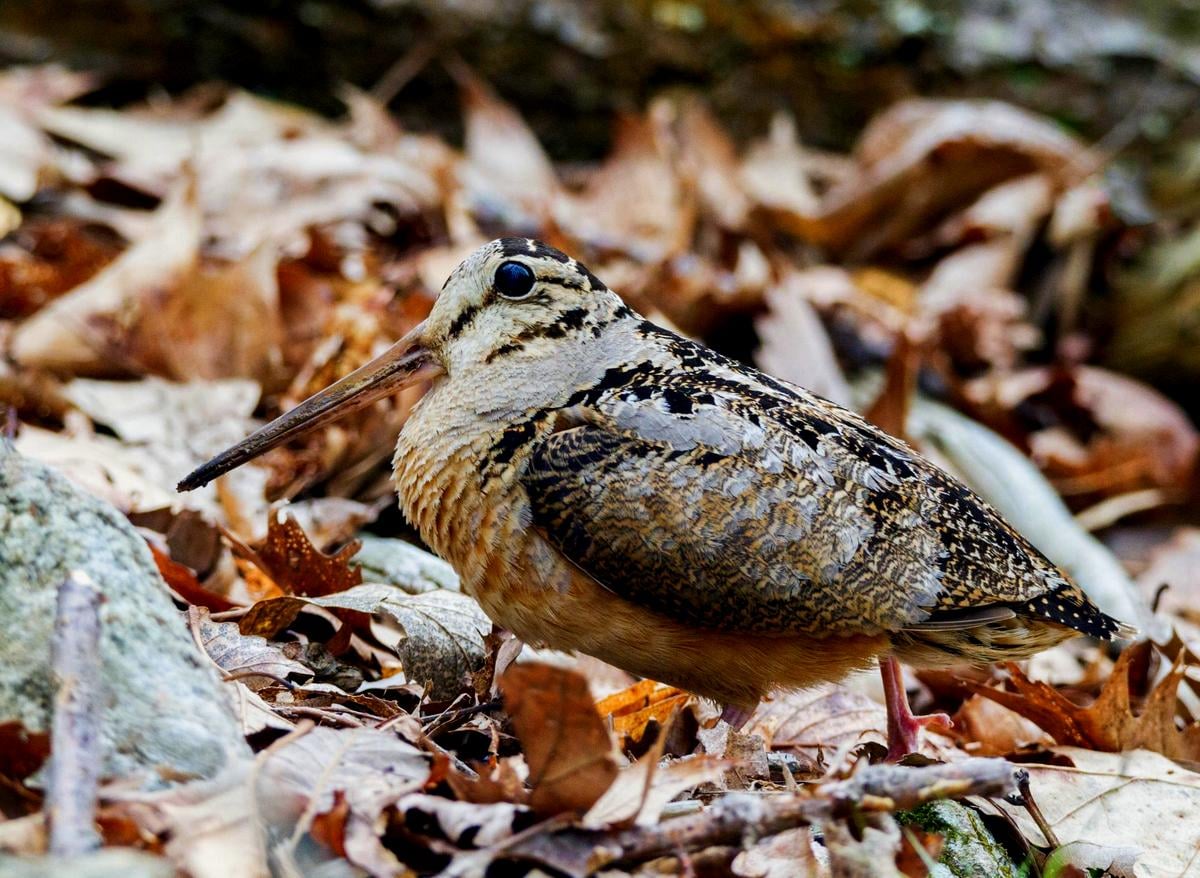
Far less familiar is the American woodcock, a small woodland shorebird unlike any other in North America. Nicknamed the “timberdoodle” by generations of hunters, the bird spends much of its time probing moist forest soils with its unusually long bill in search of earthworms. During spring courtship, males perform spectacular aerial displays at dusk, spiraling hundreds of feet into the sky before zigzagging back to the ground, producing distinctive whistling sounds with their wings. In autumn, woodcock migrate south through West Virginia’s young forests and stream bottoms.
Wilson’s snipe is another migratory shorebird, though it favors marshes, wet meadows, and muddy shorelines. Its exceptional camouflage often conceals it until the bird suddenly bursts into flight in a fast, zigzagging pattern. The species’ erratic escape has become so legendary that the mythical “snipe hunt” entered American folklore, although Wilson’s snipe is, of course, a very real bird that migrates across much of North America each year.
Sora and Virginia rails are among the most secretive birds in Appalachian wetlands. Rarely seen because they spend much of their lives hidden within dense cattails and marsh grasses, these chicken-sized birds migrate through freshwater marshes and shallow wetlands during spring and fall. Their presence often goes unnoticed except by experienced birdwatchers and hunters who know where to look and listen.
2026-27 hunting seasons
Mourning dove season will be divided into three segments:
Sept. 1-Oct. 11
Nov. 2-Nov. 15
Dec. 7-Jan. 10
The daily bag limit is 15 birds, with a possession limit of 45. Hunting hours on Sept. 1 begin at noon and continue until sunset. During the remainder of the season, legal shooting hours are one-half hour before sunrise until sunset.
Hunters planning to visit Stonewall Jackson Wildlife Management Area should note that portions of the area require a special permit on Sept. 1 and 2. Applications are due Aug. 1 through WVHunt.com.
The American woodcock season will be split into two segments:
- Oct. 17-Nov. 21
- Nov. 30-Dec. 8
The daily bag limit is three birds, with a possession limit of nine.
Wilson’s snipe season runs from Sept. 1 through Dec. 16, with a daily bag limit of eight birds and a possession limit of 24.
Sora and Virginia rail season extends from Sept. 1 through Nov. 9. Hunters may harvest up to 10 birds daily and possess up to 30.
Legal shooting hours for woodcock, snipe, and rails are one-half hour before sunrise until sunset.
What hunters need to know
Anyone hunting migratory game birds in West Virginia—including lifetime license holders and senior citizens—must possess a valid Migratory Bird Harvest Information Program (HIP) registration card in addition to any required hunting license.
HIP registration is available through WVHunt.com and participating license agents statewide. Complete 2026-27 migratory bird hunting regulations are available from the West Virginia Division of Natural Resources.