
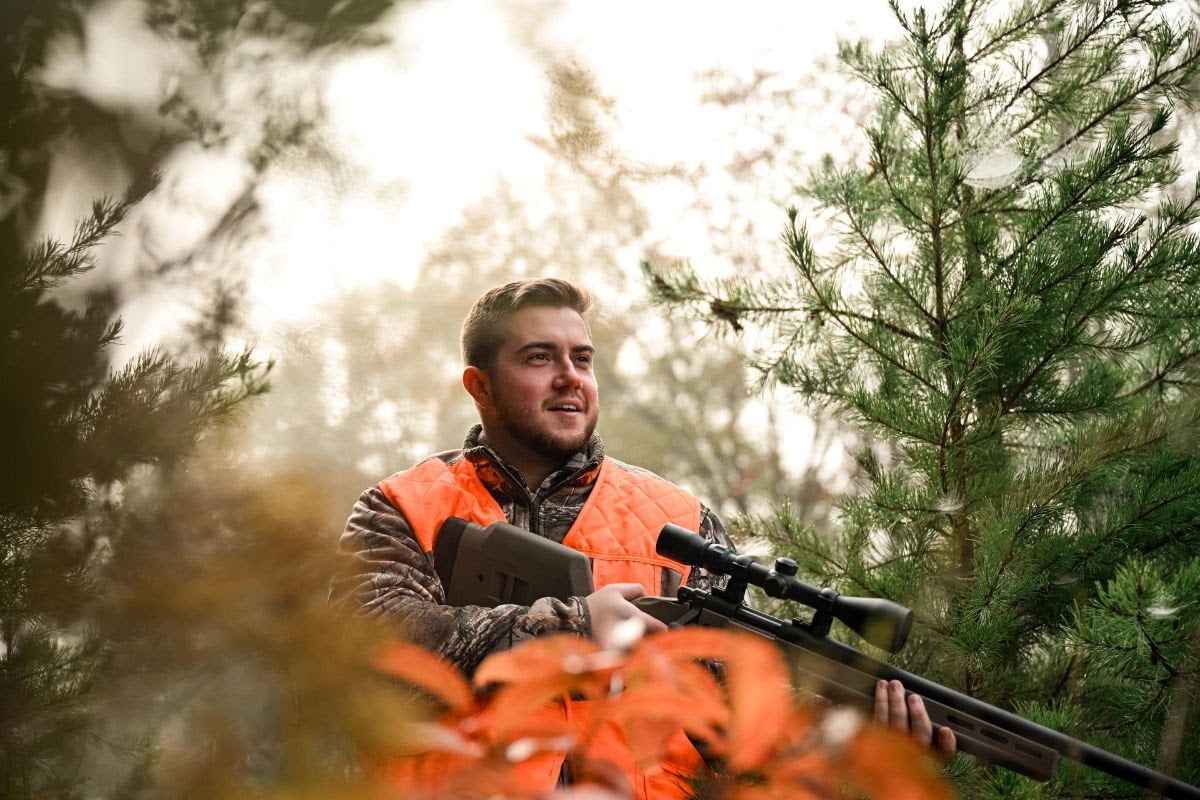
CHARLESTON, W.Va. — Hunters planning to head into West Virginia’s woods this fall should review the state’s newly released hunting regulations, as several changes could affect where, when, and how they hunt during the 2026-27 seasons.
The W.Va. Division of Natural Resources has released its annual Hunting and Trapping Regulations Summary, outlining season dates, licensing requirements, and notable rule changes for deer, bear, and turkey hunters.
Among the biggest changes is an expansion of hunting opportunities in four southern West Virginia counties. Hunters in Logan, McDowell, Mingo, and Wyoming counties may now harvest bear and turkey with any legally permitted weapon during the statewide Mountaineer Heritage Season, giving sportsmen additional flexibility during those hunts.
The agency has also expanded opportunities for young hunters. Youth hunters and hunters with Class Q permits may now harvest one antlered deer during the special split Youth and Class Q deer seasons, a change expected to provide additional opportunities for beginning hunters and those with qualifying disabilities.
Hunters should also pay close attention to adjustments affecting both big-game and small-game seasons, including changes to season dates and designated open counties. Because those changes vary by species and location, wildlife officials recommend reviewing the regulations carefully before making fall hunting plans.
Hunters urged to review regulations before opening day
Wildlife officials say reviewing the regulations before heading afield can help hunters avoid unintentional violations while taking advantage of new opportunities available this season. Season dates, legal hunting methods, and county-specific regulations can vary by species, making it important to confirm the rules before opening day.
Hunters should also verify that their licenses, stamps, and any required permits are current well in advance of the fall seasons, when license sales typically increase. Officials recommend carrying either a printed or digital copy of the regulations while hunting so questions about legal equipment, bag limits, or season dates can be answered quickly in the field.
Brett McMillion, director of the division, said hunters should register early for the 2026 hunting and trapping season.
“Hunting and trapping are a vital part of our state’s heritage, and these updated regulations are designed to sustain both our wildlife populations and our outdoor traditions,” McMillion said. “We encourage everyone to review this year’s summary and get their licenses early so they can head into the woods this fall fully prepared for a safe and rewarding season.”
The annual regulations summary serves as the official guide for hunters and trappers, detailing legal hunting methods, bag limits, licensing requirements, and season dates across the state.
Printed copies of the regulations will be available beginning July 1 from division district offices, license agents, the agency’s headquarters at the State Capitol in Charleston, and its operations center in Elkins. The complete regulations guide is also available online.
Hunters who have not yet purchased their 2026 hunting licenses and required stamps are encouraged to do so well before opening day to avoid delays as the fall seasons approach.
For many West Virginians, the annual regulations release marks the unofficial beginning of hunting-season planning, as sportsmen begin scouting, preparing equipment, and making arrangements for deer, bear, turkey, and small-game seasons that draw tens of thousands of hunters to the state’s forests.
Hunting remains a cornerstone of West Virginia’s outdoors
From the hardwood ridges of the Allegheny Mountains to the rolling forests of the Ohio Valley, West Virginia remains one of the East’s premier hunting destinations.
More than 12 million acres of forest, abundant public hunting land, and healthy populations of white-tailed deer, black bear, wild turkey, and small game continue to draw hunters from across the Mountain State and beyond each fall.
Wildlife officials say regulated hunting plays an important role in managing game populations while supporting conservation through license sales and excise taxes on hunting equipment.
As another hunting season approaches, the newly released regulations are intended to help ensure that sportsmen can enjoy West Virginia’s hunting traditions safely while helping preserve the state’s wildlife resources for future generations.
Read also: West Virginia’s wild turkeys have made one of America’s greatest wildlife comebacks
I’m been a little worried about the cotton tailed rabbits in Mercer county, I used to see them all the time but noticed the numbers has declined over the years, l not sure what happened but this needs looked into, I also noticed that I haven’t seen many grose of phinsent
Sounds too me like coyote population has probably increased and they’re killing the young which is hurting the rabbit population. They’re a killing machine and no good in my opinion. But that would be my 1st guess anyway.
It’s not the coyote that’s killing all the rabbits. It’s everyone with their tractors and brush hogs. No habitat for the rabbit to hide and raise young.
A season for Veterans on Veterans Day in state Parks would be good . It could be for older disabled Vets.
Did veterans get paid to serve? Did the veterans get drafted? Then they have been paid.
Did you serve ?
Why kill the bears why ? It breaks my heart. One day there will be no animals left.
Because wildlife management is important. We have cars on roadways, and diseases become rampant when populations become too dense
Seems in my state deers in my area a down 70 % so who ever is doing the counting needs to go back to school.
Not to many people shot does they wipe out the bucks.
This not having to personally check in game now is a joke! Lol into people freezer.
Huning days should start with bow then muzzle loader than high power.
Give the people who use rifles and then give them a muzzle loader.
Hunting is to political to be fair.
That’s a big issue should have to take a doe before you harvest a buck. No one understands how to manage a deer heard properly lol
I read the article about New Hunting Rules with dismay. I was hoping that the regulations might be upgraded to try to mitigate the severly out of control deer population in the Eastern Panhandle. We are overrun with them. I don’t know anyone who hasn’t hit at least one with their car, One woman has hit 6. It is impossible tp have a garden without an 8 ft fence. In Northern Jefferson Co. we had the highest confirmed incidence of Lyme’s Disease in the nation. I have had up to 5 deer living in my yard and the 4 adjoining lots and we live in town. Locally we call it Game Mismanagement. Neighboring States have taken steps to deal with the problem. For instance in Maryland, Buck hunters must take one or more does before they can hunt for antlers. A reduction of does helps reduce the population. Charleston seems oblivious to the problem at all. Lots of deer means lots of hunters paying fees. It’s an income stream to them. Something needs to be done about this. As usual Charleston does even know we are here in the Eastern Panhandle until Tax Time.
Why kill bears? It is incredibly cruel and awful!