
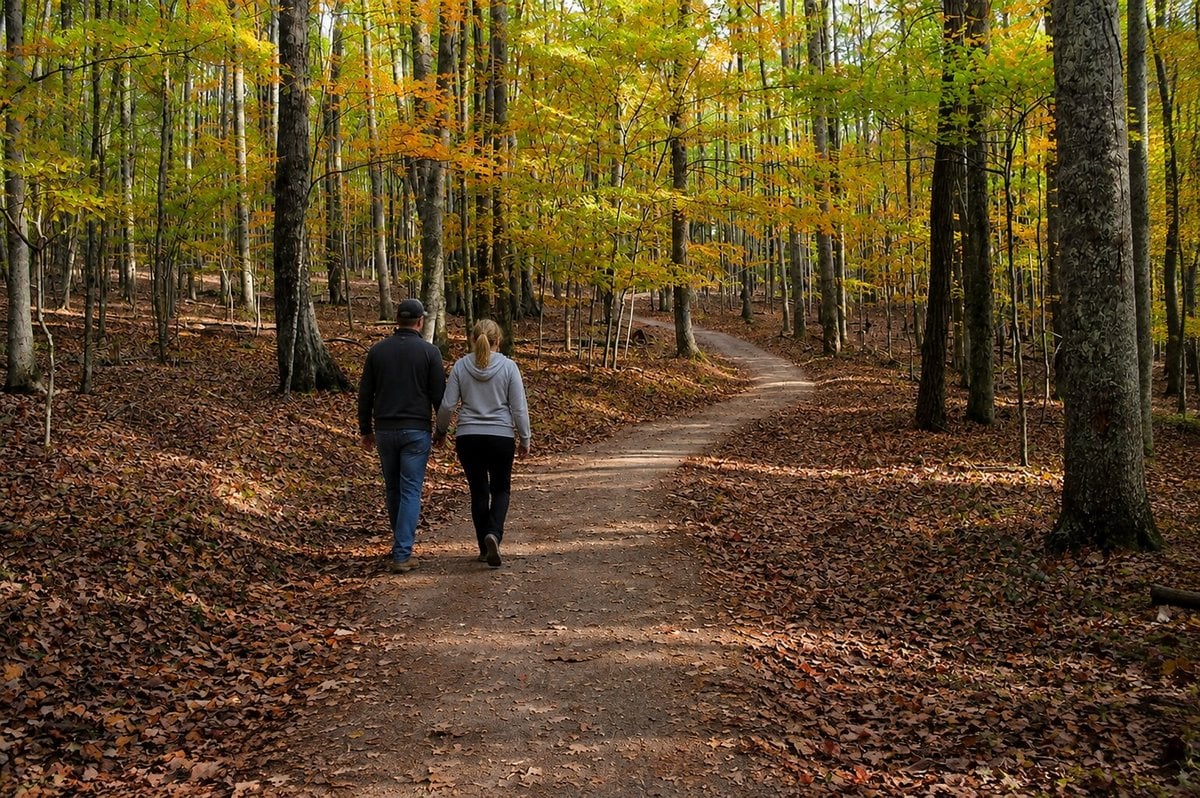
PIPESTEM, W.Va. — West Virginia communities seeking ways to attract residents, expand outdoor recreation, and turn existing natural and industrial resources into economic assets will be the focus of a statewide trails conference planned for November.
The West Virginia Trails Conference is scheduled for Sunday, Nov. 8, through Tuesday, Nov. 10, at Pipestem Resort State Park, with its principal conference sessions on Monday, Nov. 9.
Sam England, executive director of the nonprofit West Virginia Trail, said the organization views trail development as part of a broader effort to help communities improve their economies and quality of life.
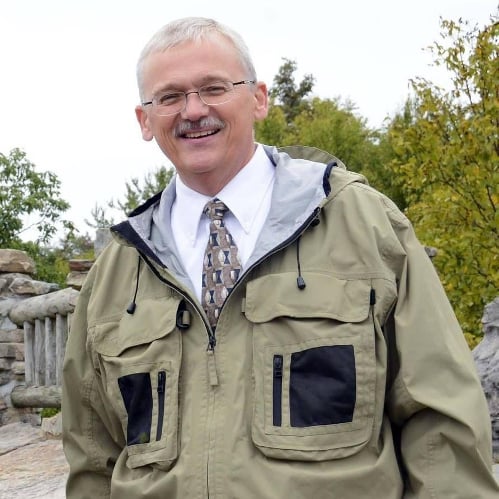
“Our ultimate goal as an organization is the community and economic benefit that trails bring,” England said. “That’s our purpose.”
England said the organization aims to help communities understand how trails can contribute to those benefits and to provide practical information to help them develop and maintain trail systems.
Most sessions will be held on Nov. 9, with field sessions planned for Sunday and additional workshops in development for Tuesday. England said organizers moved the conference out of September and October because those months are already crowded with conferences and other events statewide.
The agenda remains tentative as organizers continue to finalize sessions.
Why trails matter to West Virginia communities
England said trail development can support economic development, even in communities unlikely to attract a large industrial employer.
“I don’t believe that we can expect somebody like Toyota to come into every one of our counties and open up a brick-and-mortar factory,” England said. “Now, not that I don’t want that. I do, I do want that. But the likelihood is not there.”
Instead, England pointed to people whose jobs allow them to live in different locations.
“There are a lot of folks who can live anywhere because they work remotely,” he said. “And what they are looking for specifically is outdoor recreation, and primarily that means trails.”
England said communities can use trails as one element in creating places where people want to live. He also connected trail development with efforts to retain residents amid West Virginia’s population loss.
He said public trails can also provide places for residents to walk, exercise and explore without the cost associated with many other recreational activities.
England said access can be especially important in rural communities, where residents may live along highways that offer few safe opportunities to walk.
He recalled a recent trip to the R.D. Bailey Lake area in southern West Virginia, where homes along winding roads made him consider how difficult it is for some residents to simply get outdoors on foot.

“How do you go for a walk after dinner if you live in that kind of condition?” England said. “You can’t. Unless you get your car … [and] drive to a facility where there is one, and you use it.”
Conference will put trail building into practice
The conference will also address what happens after communities decide they want trails.
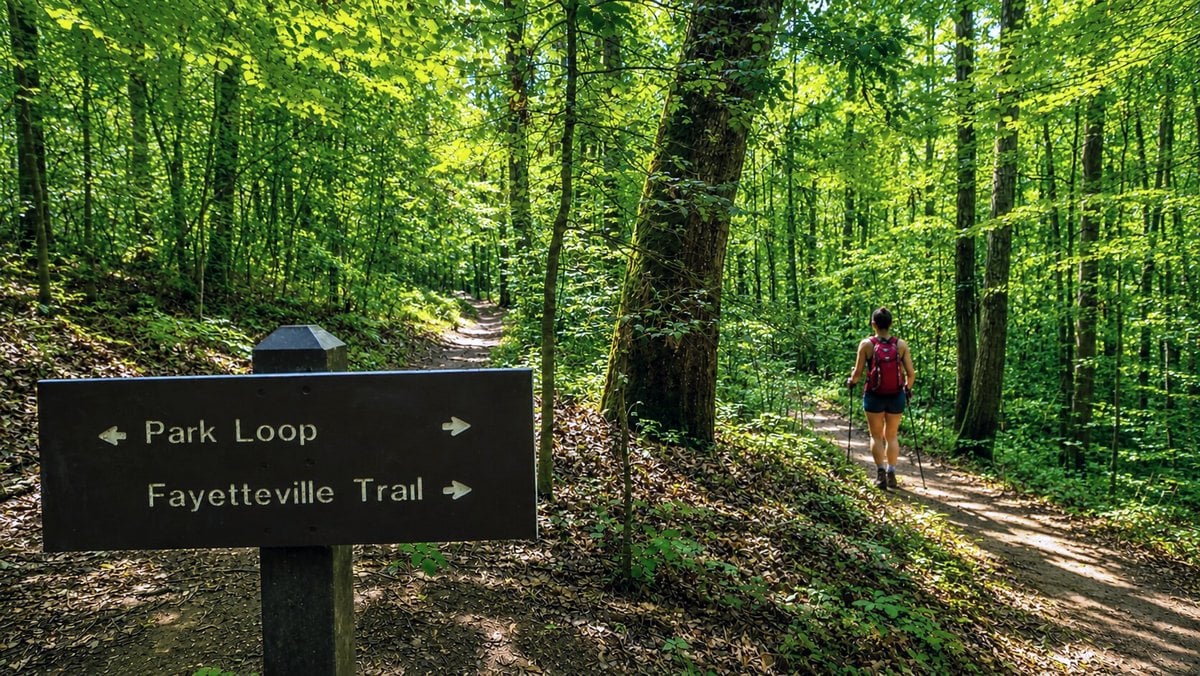
England said this year’s program will include a practical trails track devoted to trail assessment, design, construction, and maintenance, rather than focusing solely on development and funding.
England said the program is being developed with assistance from West Virginia University, state parks personnel, and professional trail builder Charlie Dundas of Tri-State Construction.
A Sunday field session is expected to take participants onto a trail to examine its condition and discuss how to assess and correct problems. Related breakout sessions on Monday are expected to address practical aspects of trail development and maintenance.
England said the track will culminate on Tuesday with an approximately six-hour field workshop in which participants will work with tools and receive practical instruction on surface trails.
“So it’s going to be hands-on,” England said. “This is what we’re looking at.”

Water trails and gravel routes
Other sessions will explore how communities can develop recreational routes using resources they already have.

A water trail track is being developed with assistance from members of the West Virginia Flatwater Trail Commission, according to England. He said establishing a water trail can sometimes begin with something as basic as identifying access points along an existing stream or river.
“You already got a stream, so it’s essentially finding access points,” England said.
Another session is expected to examine gravel cycling routes. England said David Landis, who has been working with convention and visitors bureaus around the state, will discuss how communities can identify and plan such routes.
England compared the concept to water trails because much of the underlying recreational resource may already exist.
“It’s a matter of recognizing it, mapping it, and then begin to market it,” he said.
Former industrial land could become recreation space
Another conference session is expected to examine the link between trails and West Virginia’s former industrial properties.
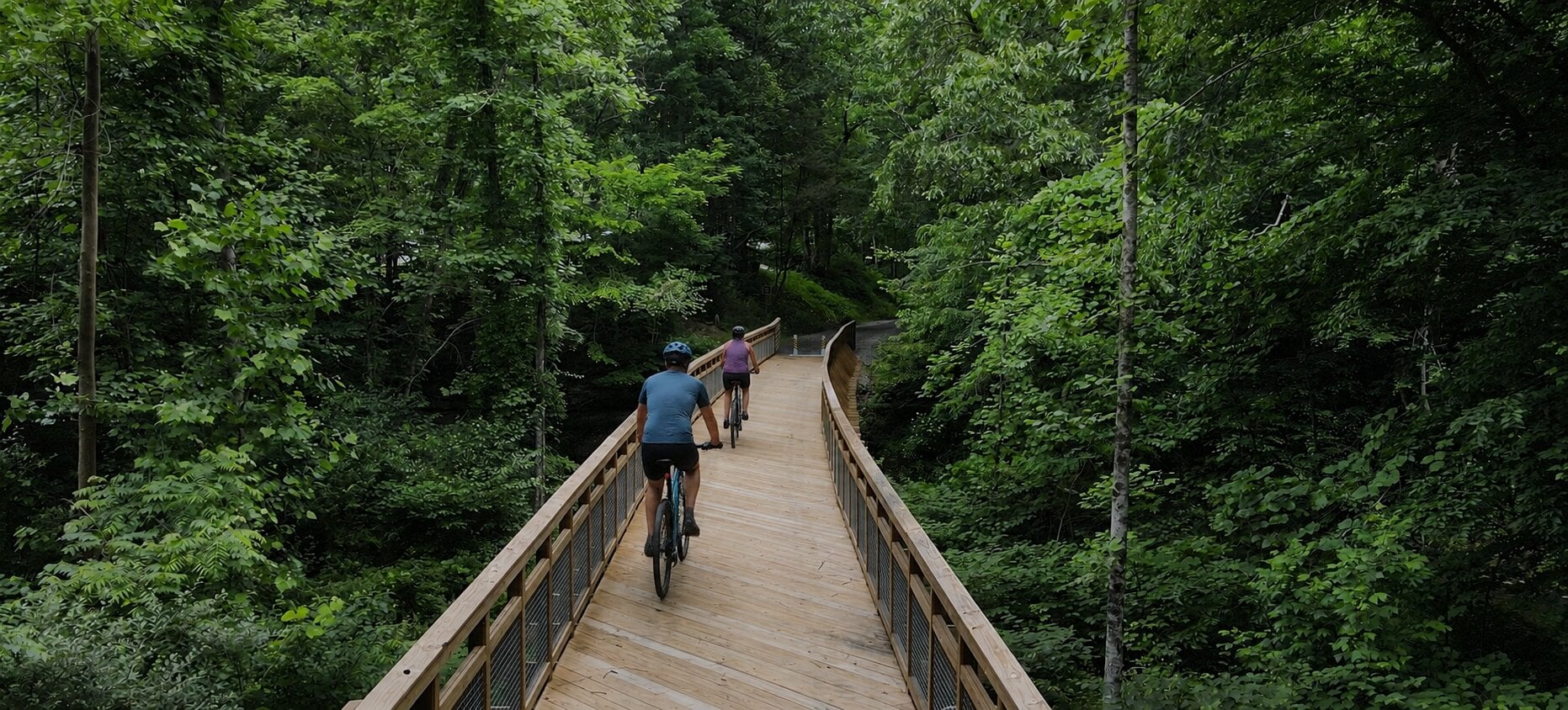
England said many communities contain brownfield sites, including properties along rivers, and that conference organizers want to bring people involved in brownfield redevelopment together with trail advocates to explore how some of those properties could become outdoor public spaces.
He said some former industrial properties that pose challenges for residential redevelopment may offer opportunities for public spaces connected by trails.
“We have the concept here that we want to work with the folks in the Brownfield arena to talk about how you can do that, and what’s involved, and how this can be a success for you,” England said.
Trail funding and state policy
Funding and public policy will also be part of the conference.
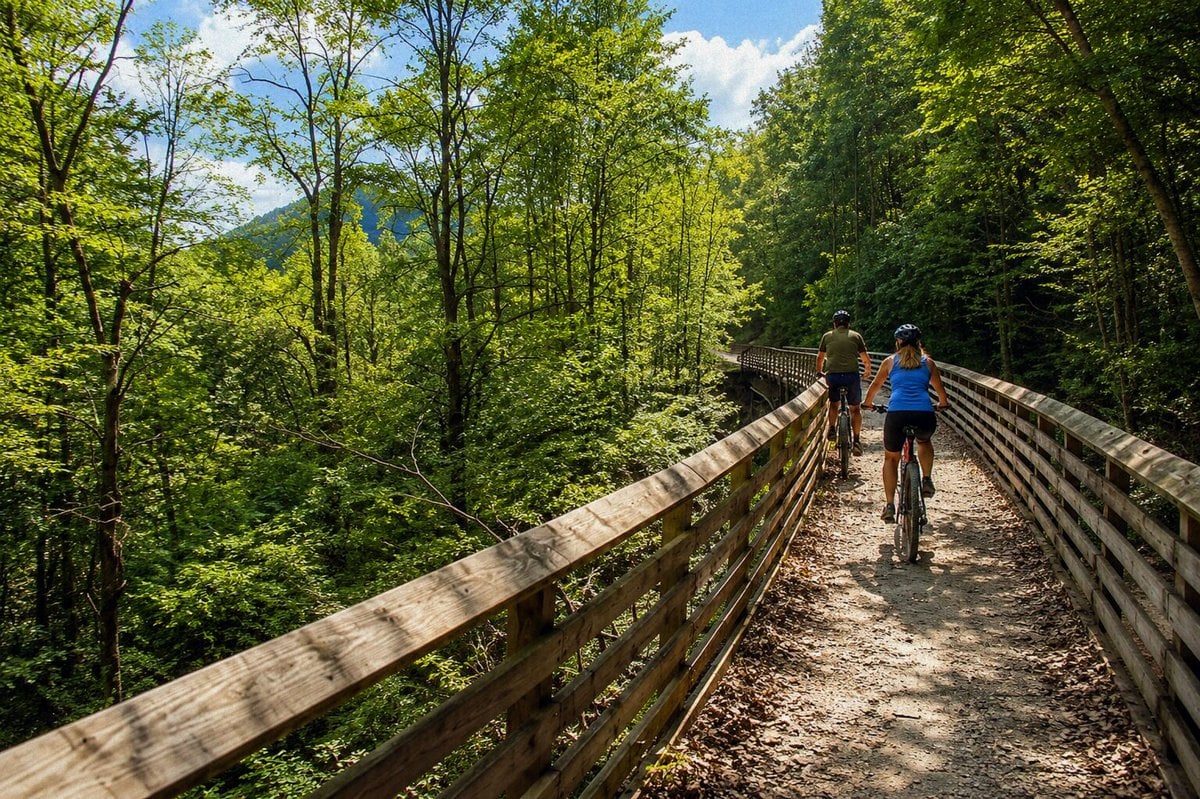
England identified the federal Recreational Trails Program and state Transportation Alternatives programs as important sources of support for trail projects in West Virginia.
He said Recreational Trails Program funding can support recreational trail projects, while Transportation Alternatives funding can support projects such as sidewalks, safe streets, and rail trails associated with walking and bicycling.
The tentative agenda includes an update on West Virginia’s Bicycle and Pedestrian Plan and the status of Recreational Trails Program and Transportation Alternatives funding. Other sessions are expected to address trail liability, bike-friendly communities, community development, and the relationship between community trail needs and state action.
How outdoor recreation has changed
England, whose career in West Virginia state parks began at Twin Falls in 1977, said the growing importance of trails reflects a broader shift he has observed in how people use the outdoors.
He recalled a time when families routinely used roadside picnic areas and children commonly engaged in unstructured outdoor play. Over the decades that followed, England said, he watched those patterns shift as organized recreation became increasingly important.
England said trails have become central to that recreation because they provide access to many outdoor activities.
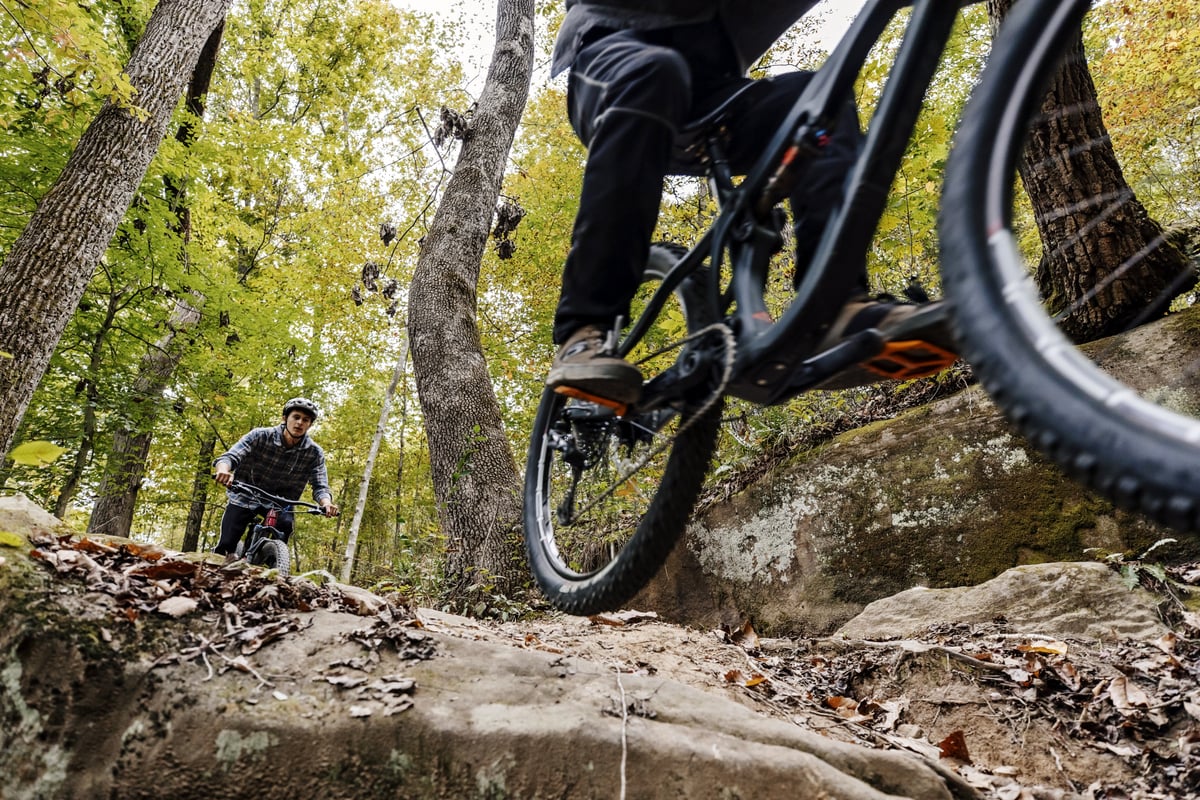
“If you’re going to go mountain biking, you’ve got to have a trail,” England said. “If you’re going to go climb on the rocks, you’ve got to have a way to get there.”