
WINFIELD, W.Va. — For generations, Putnam County was a place travelers passed through rather than a destination in itself. Positioned between the Charleston and Huntington metropolitan areas, the county became known for youth sports tournaments, shopping, and suburban growth rather than mountain adventures.
Today, that identity is changing. As West Virginia gains national attention for hiking, mountain biking, paddling, and other outdoor recreation, one of the state’s fastest-growing counties is quietly developing an outdoor culture of its own—one built around trails, community investment, and a vision that extends well beyond tourism.
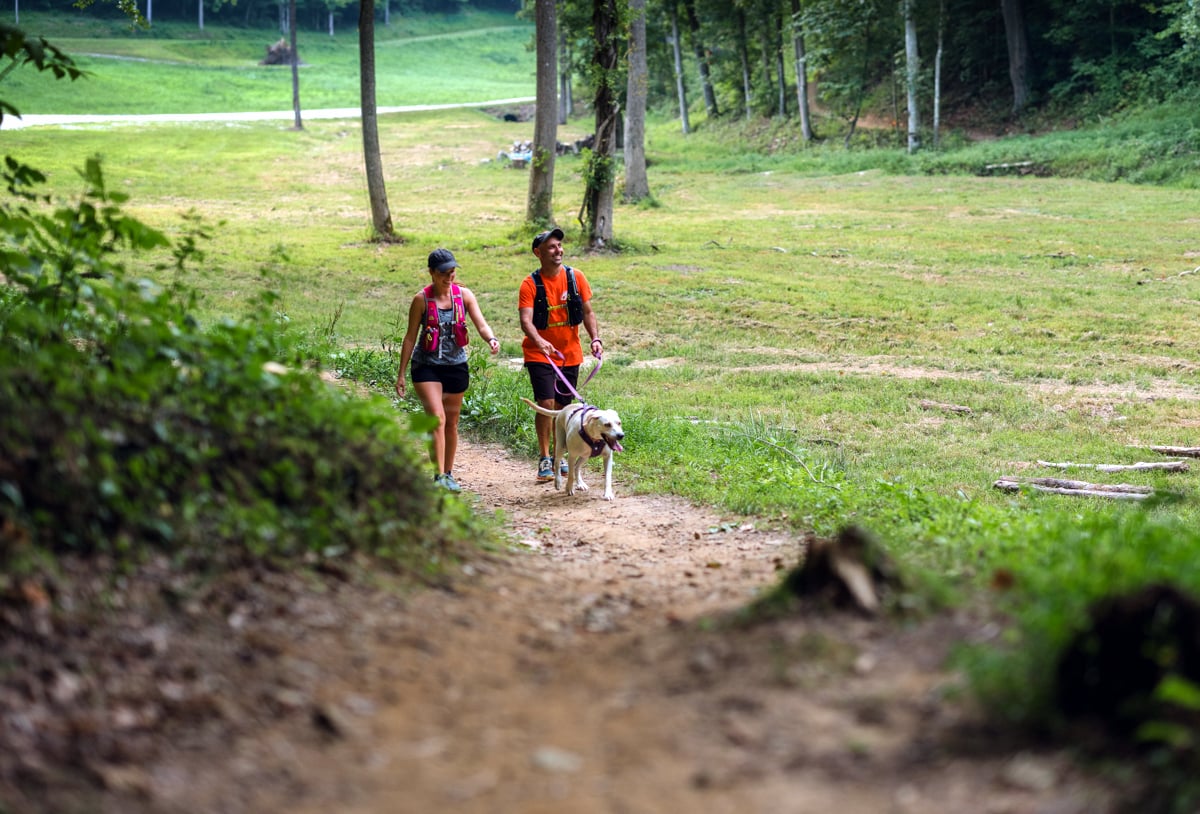
According to Kelli Steele, executive director of the Putnam County Convention and Visitors Bureau, between one in four and one in five visitors from outside the area now spend time exploring one of the county’s outdoor recreation sites, despite the county’s long-standing reputation as a suburban community rather than an outdoor destination.
“We have a growing number of outdoor recreation opportunities in Putnam County, and still ones that people aren’t familiar with or haven’t heard of,” Steele said.
The trend mirrors a broader transformation taking place across West Virginia. While iconic destinations such as the New River Gorge National Park and Preserve helped establish the state’s reputation for outdoor adventure, communities throughout the Mountain State are increasingly investing in local trails, parks, and greenways that improve residents’ quality of life while attracting visitors.
A change that outlasted the pandemic
Steele traces much of the county’s momentum to the COVID-19 pandemic. Like millions of Americans, many West Virginians discovered hiking and other outdoor activities when indoor gathering places temporarily closed. What many expected to be a short-lived trend instead became a lasting lifestyle.
“I think because of COVID, people who didn’t necessarily think of themselves as being outdoorsy spent time outdoors and learned to love it,” Steele said. “There’s just this growing hunger for outdoor recreation.”
Rather than fading, she said, that interest has continued to grow as West Virginia has become increasingly recognized as an outdoor recreation destination.
“I think West Virginia as a whole has become known already as an outdoor recreation destination,” Steele said. “Putnam County is a bit of a hidden gem still.”
Trails reshape the community
No project better illustrates that transformation than Meeks Mountain Trails in Teays Valley. Built almost entirely through volunteer labor, the trail system now encompasses more than 36 miles of hiking and mountain biking trails. Yet perhaps its greatest strength is not its size but its location.
Unlike many trail systems tucked deep into public forests, Meeks Mountain begins just steps from neighborhood businesses.
“The really cool thing about some of our outdoor recreation amenities is that they’re right in the heart of Teays Valley,” Steele said. “The trailhead is literally right across the street from a bike shop, restaurants, and a cold-pressed juice shop.”
Steele said businesses have continued to develop around the trailheads as more residents and visitors embrace outdoor recreation, creating a relationship in which trails support local commerce and local businesses, in turn, make the trails more attractive to visitors.
That connection, she believes, represents the future of outdoor recreation—not simply building trails, but integrating them into everyday community life.
More than one destination
Although Meeks Mountain has become one of the county’s signature outdoor recreation attractions, it is only one part of a rapidly growing network.
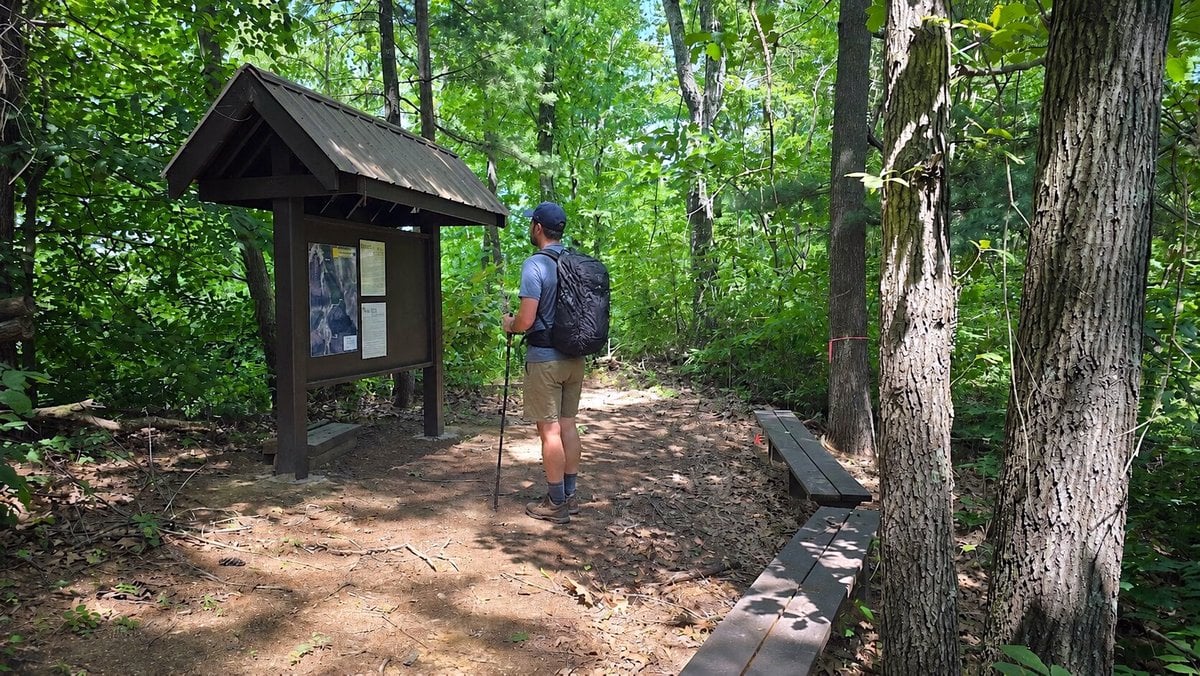
Walter Nature Preserve near Red House has benefited from improvements led by Rivers-to-Ridges and Putnam County Parks and Recreation, including trail maintenance, interpretive signs identifying native trees, and an educational curriculum that allows elementary students to learn while hiking.
“It’s been really fun to kind of see the work go into that particular trail because it’s in a lesser-served area of our community,” Steele said. “People still don’t quite know it’s there.”
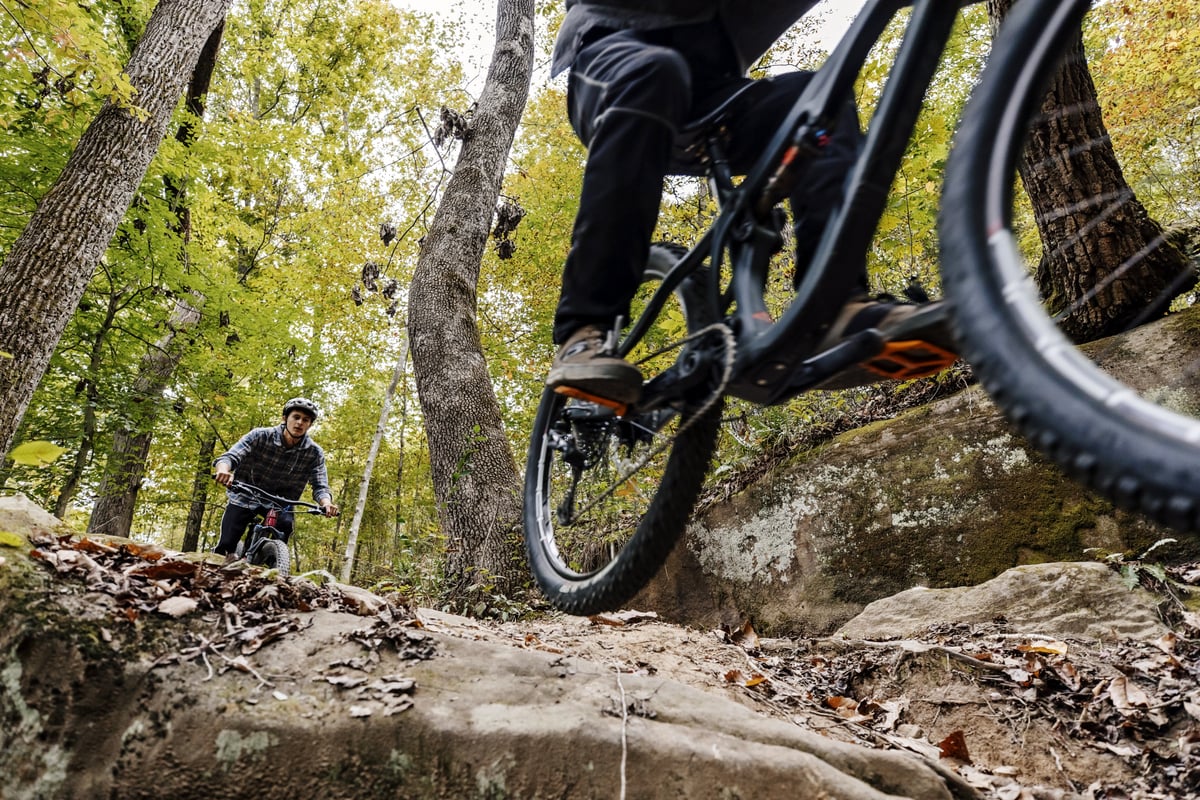
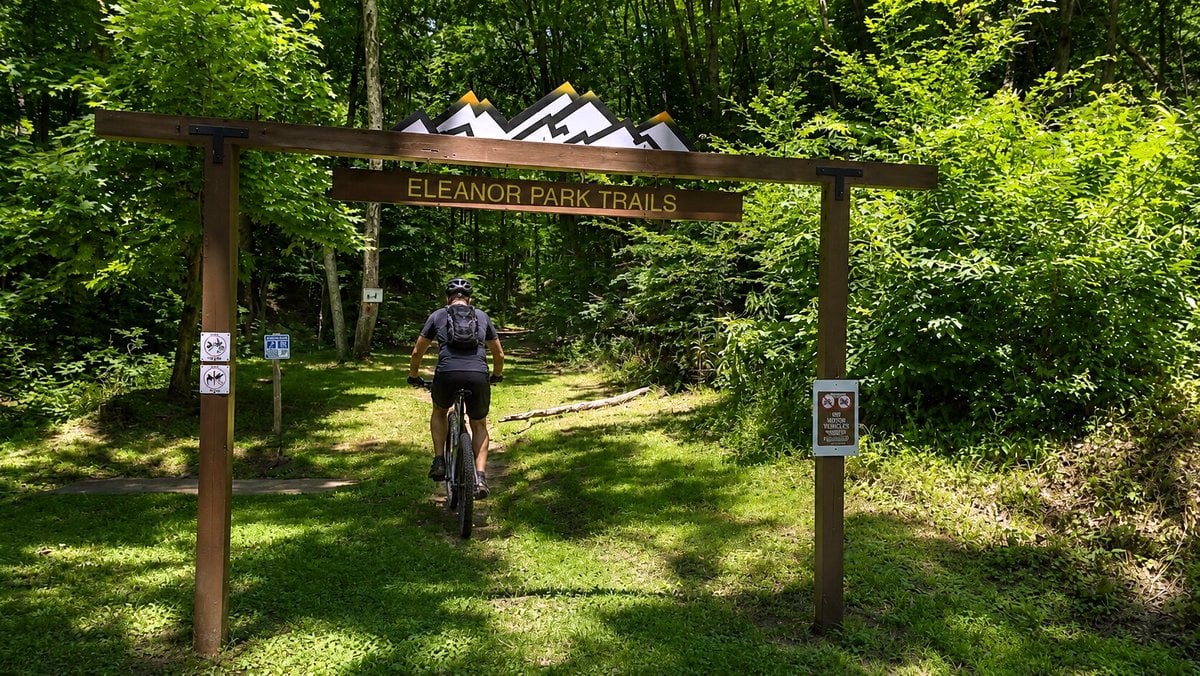
Mountain bikers also continue to enjoy the Eleanor trail system, which offers about 10 miles of riding despite recent rerouting following changes in private land ownership.
Nearby, the Ridenour Lake Preserve in Nitro provides another extensive trail network only minutes away, while the Mary Draper Ingles Trail follows a wooded route overlooking the Kanawha River.
Together, the trail systems place dozens of miles of hiking and mountain biking opportunities within a short drive of one another, giving visitors multiple options without leaving the county.
Outdoor recreation becomes economic development
Across West Virginia, trails are increasingly viewed as more than recreational amenities. Communities now see them as long-term investments that attract visitors, encourage entrepreneurship, and make towns more appealing places to live.
Steele sees that same evolution taking place in Putnam County. She points to growing interest from statewide organizations promoting the outdoor economy, as well as renewed stewardship among local volunteers who have improved existing parks and trail systems and built new ones.
“It’s just kind of created this culture of wanting to really be good stewards of our outdoor recreation assets,” she said.
The next step, she believes, is connecting those outdoor assets more directly with the communities surrounding them. “I also see the need for making our whole community more walkable and bikeable,” Steele said. “Connecting those trail systems with those businesses that benefit from trail users—that’s an ideal sort of thing that would happen.”
Imagine cyclists leaving Meeks Mountain for lunch in Teays Valley before returning to the trails, or families spending an afternoon hiking before visiting a local restaurant or café. Steele said that kind of connectivity would strengthen both the visitor experience and the local economy.
For Putnam County, the transformation represents more than a new tourism strategy. It reflects a broader shift in how West Virginia communities are thinking about growth, health, and economic development.
The state’s outdoor renaissance is no longer confined to whitewater rivers and rugged mountain landscapes. Increasingly, it is taking root in communities where residents can finish work, ride a mountain bike, walk a woodland trail, enjoy dinner at a neighborhood restaurant, and be home before sunset.
For a county once known primarily for sports tournaments and suburban convenience, that may become Putnam County’s greatest competitive advantage.