
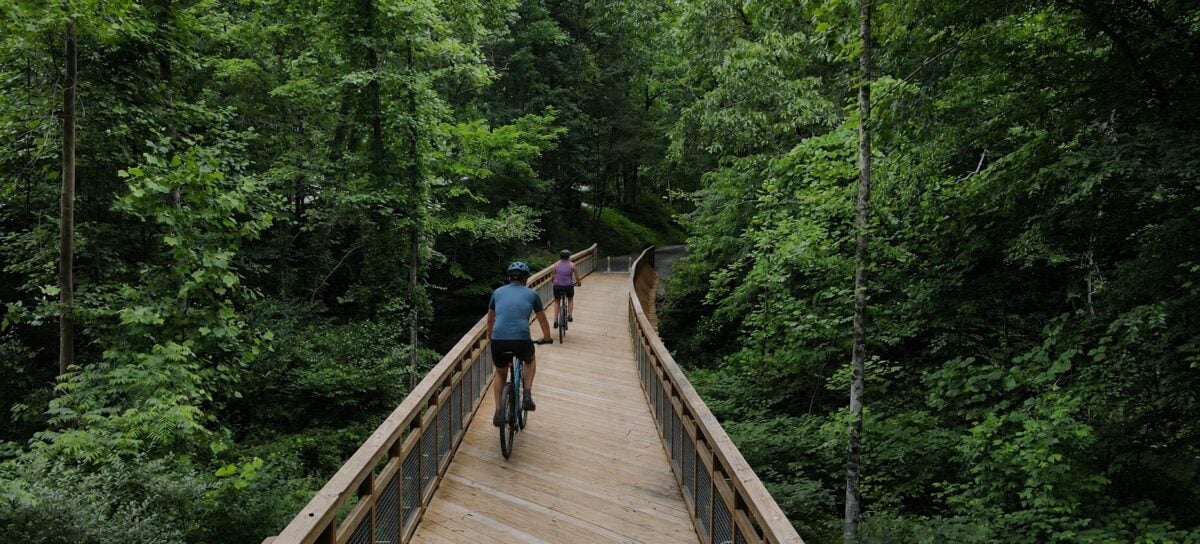
BECKLEY, W.Va. — Millions of travelers have heard of the New River Gorge National Park and Preserve, where one of the world’s oldest rivers cuts through the rugged Allegheny Mountains in southern West Virginia. Far fewer know the neighboring communities that surround it.
Among them is Raleigh County, home to the city of Beckley, the region’s longtime commercial center, whose economy was built on coal mining, railroads, and regional commerce. Today, county leaders see another future emerging—one built around parks, trails, lakes, and outdoor recreation that serves residents while encouraging visitors to explore beyond the national park’s boundaries.
That vision received symbolic recognition this month when the Raleigh County Commission proclaimed July as Parks and Recreation Month, highlighting the growing role parks and outdoor recreation play in the county’s future.
For Molly Williams, executive director of the Raleigh County Parks and Recreation Authority, the designation reflects years of work that extend well beyond maintaining playgrounds and ball fields.
“Our purpose,” Williams said, “was to provide quality recreation for Raleigh County residents and visitors.”
From gateway to destination
As America’s newest national park continues to draw visitors from around the world, Raleigh County is working to become more than simply a gateway community. Like many Appalachian regions adapting to economic change, local leaders increasingly view outdoor recreation as both an investment in quality of life and a long-term economic development strategy.
Rather than duplicating the same amenities from park to park, Williams said the authority wants each destination to develop its own identity.
“We’re not just cookie-cuttering our parks,” she said. “Every park has something unique to offer… We want to make sure we’re reaching different user groups and creating new activities for people who want to try new things.”

A trail that changed minds
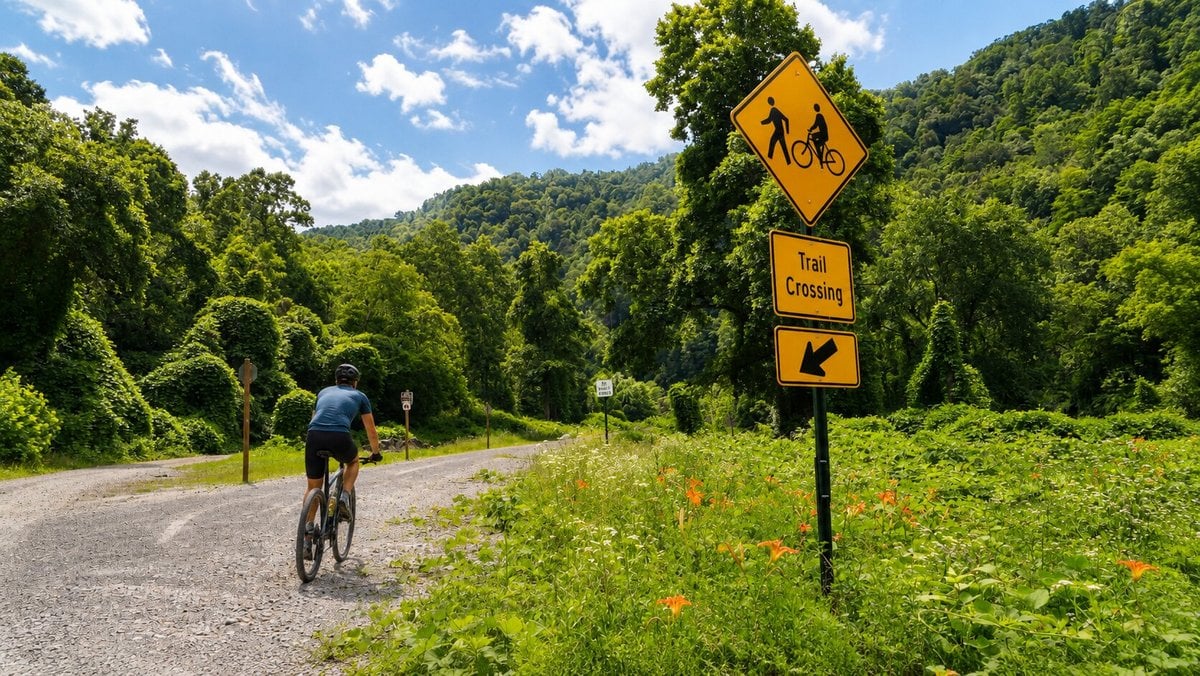
Perhaps no project better illustrates that changing philosophy than the Clear Fork Rail Trail in western Raleigh County. The trail has become one of the authority’s signature projects, though its beginnings were far less certain.
County officials at first questioned the value of accepting an abandoned railroad corridor in one of Raleigh County’s most remote communities. To many, it appeared to offer little immediate benefit, according to David Rotenizer, then an extension agent working to build the county’s resources in cooperation with the New River Gorge Regional Development Authority.
“The commission didn’t seem to fully understand why acquiring the corridor had economic potential,” Rotenizer said. “Thankully, all that’s in the past.”
That perception has changed dramatically, according to Williams. The authority recently secured another $2 million in grant funding, bringing total funding for the trail’s second phase to approximately $9 million. The next phase is expected to add roughly eight more miles to the existing trail and require the construction of major bridges and trestles.
Although the funding will not complete the entire trail, she said, it represents another significant step toward creating one of southern West Virginia’s longest rail-trail systems.
Building an outdoor recreation economy
The authority is completing its first comprehensive master plan while simultaneously launching a countywide branding and wayfinding initiative. Both efforts are largely supported through grants and are intended to make Raleigh County’s growing network of parks easier for residents and visitors to navigate.
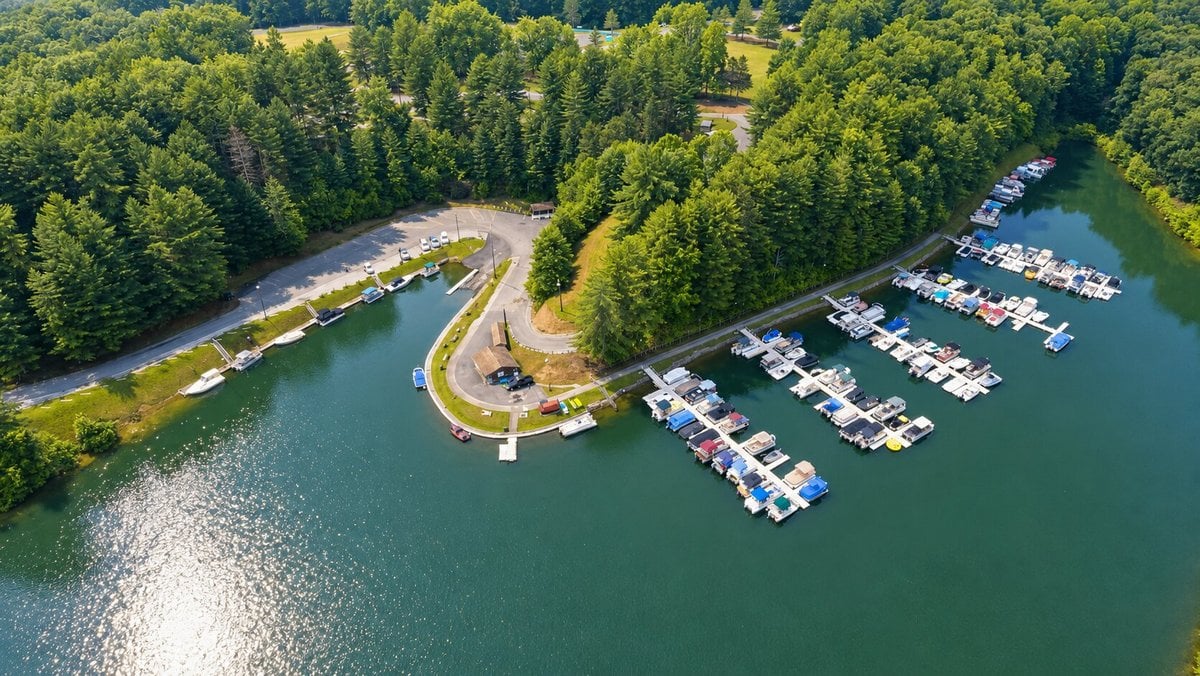
At Lake Stephens, one of the county’s most popular recreation destinations, officials are planning significant improvements as visitation continues to grow.

The county is designing a new visitor center near the park’s entrance after demolishing a longtime building that once served as a bait shop. At the same time, engineers are planning a new sewer system to accommodate future expansion, while recreation planners are developing an expanded trail network around the lake.
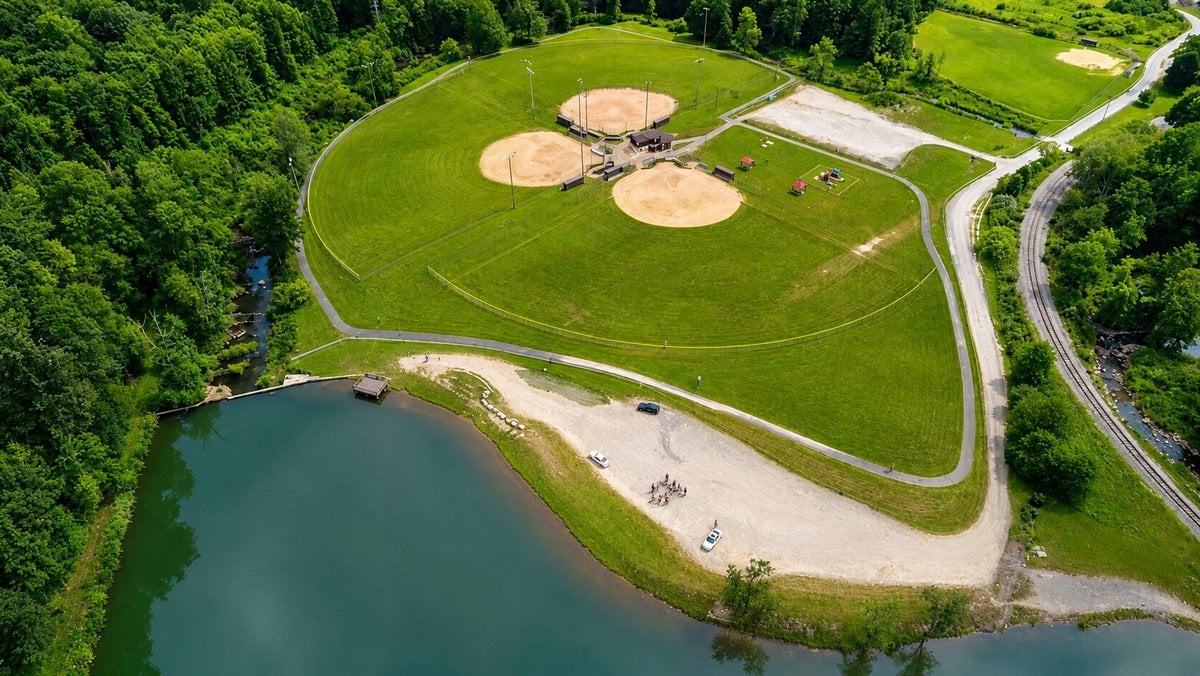
Other projects are also under consideration, including improvements at Dry Hill Park, playgrounds, facilities at the county’s 4-H camp, and additional recreational amenities identified through the master planning process.
Inspiring the next generation outdoors
Yet Williams believes some of the authority’s most important work may focus on people rather than infrastructure.
One of its newest initiatives, known as Youth Outdoor Adventure, introduces middle school students to activities including hiking, paddling, mountain biking, and climbing while teaching outdoor safety, equipment maintenance, and conservation principles.
The program grew in part from a countywide student survey that revealed many young people wanted more outdoor activities. Another finding particularly caught Williams’ attention.
Many students wanted activities they could participate in without having to form a competitive team first. “Not everybody’s going to make the cheer team, not everybody’s going to make the basketball, the football, and the softball team,” she said. “But these kids still want to play.”
The authority hopes those experiences will introduce young residents to opportunities available throughout their own county while helping prepare some for careers in West Virginia’s growing outdoor recreation economy.
Students will learn not only how to enjoy outdoor activities safely but also practical skills such as maintaining bicycles, caring for paddling equipment, and understanding different types of safety gear. Environmental stewardship, water resources, and Leave No Trace principles also form part of the curriculum.
The authority is also bringing recreation directly to communities through Raleigh Rolling Rec, a mobile trailer stocked with games and activities that travels from park to park. Another initiative, Movies on the Move, brings outdoor movie nights to county parks, encouraging families to spend time together outdoors.
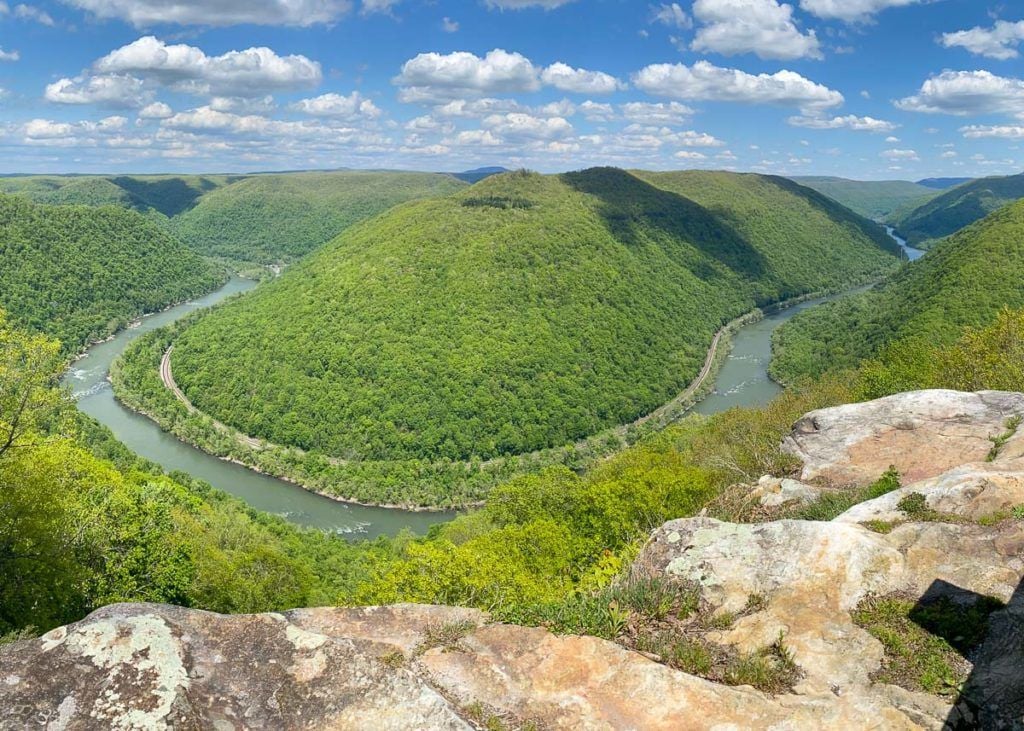
For visitors arriving from the New River Gorge, these investments may eventually provide new reasons to spend another day, or several more, in southern West Virginia.
For county residents, however, Williams says the goal remains much simpler. The county wants children and families to discover parks, trails, lakes, and forests that, for many, have always been close to home but not always fully appreciated.
As communities throughout Appalachia look beyond their industrial past, Raleigh County is betting that its future will be shaped not only by the world-famous national park next door but also by the parks, trails, and outdoor places that its own residents come to value first.
Any equestrian trails currently available or maybe in the future?