
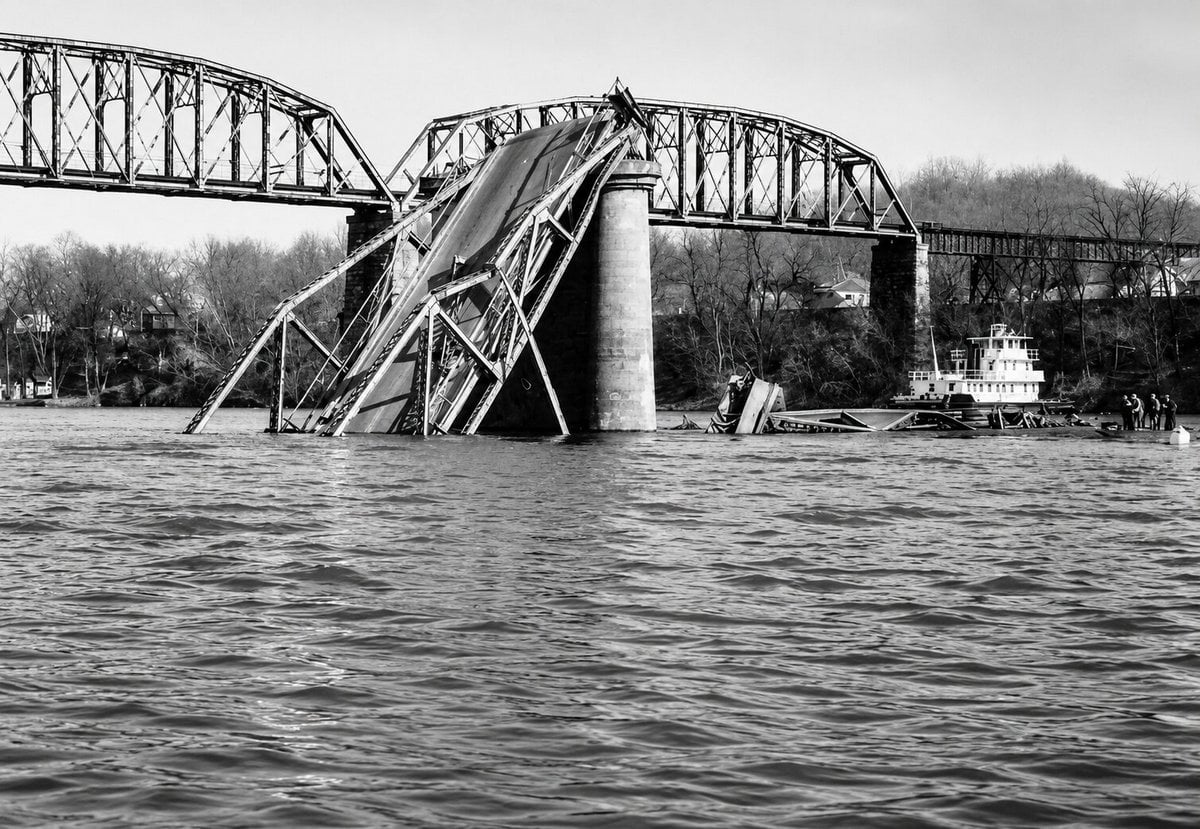
CHARLESTON, W.Va. — West Virginia’s mountains are often celebrated for their beauty, but they have also shaped some of the deadliest disasters in American history. Narrow river valleys have turned heavy rains into catastrophic floods. Rich coal seams fueled an industry that built communities while also exposing workers to extraordinary dangers. Tornadoes, blizzards, epidemics, explosions, and engineering failures have all left lasting scars across the Mountain State.

Many of these tragedies are remembered locally but remain little known beyond Appalachia. Together, they reveal how geography, industry, and human determination have shaped West Virginia for more than 150 years.
1. Hawk’s Nest Tunnel Disaster (1930–1935)
The deadliest disaster in West Virginia history did not happen in a single day.
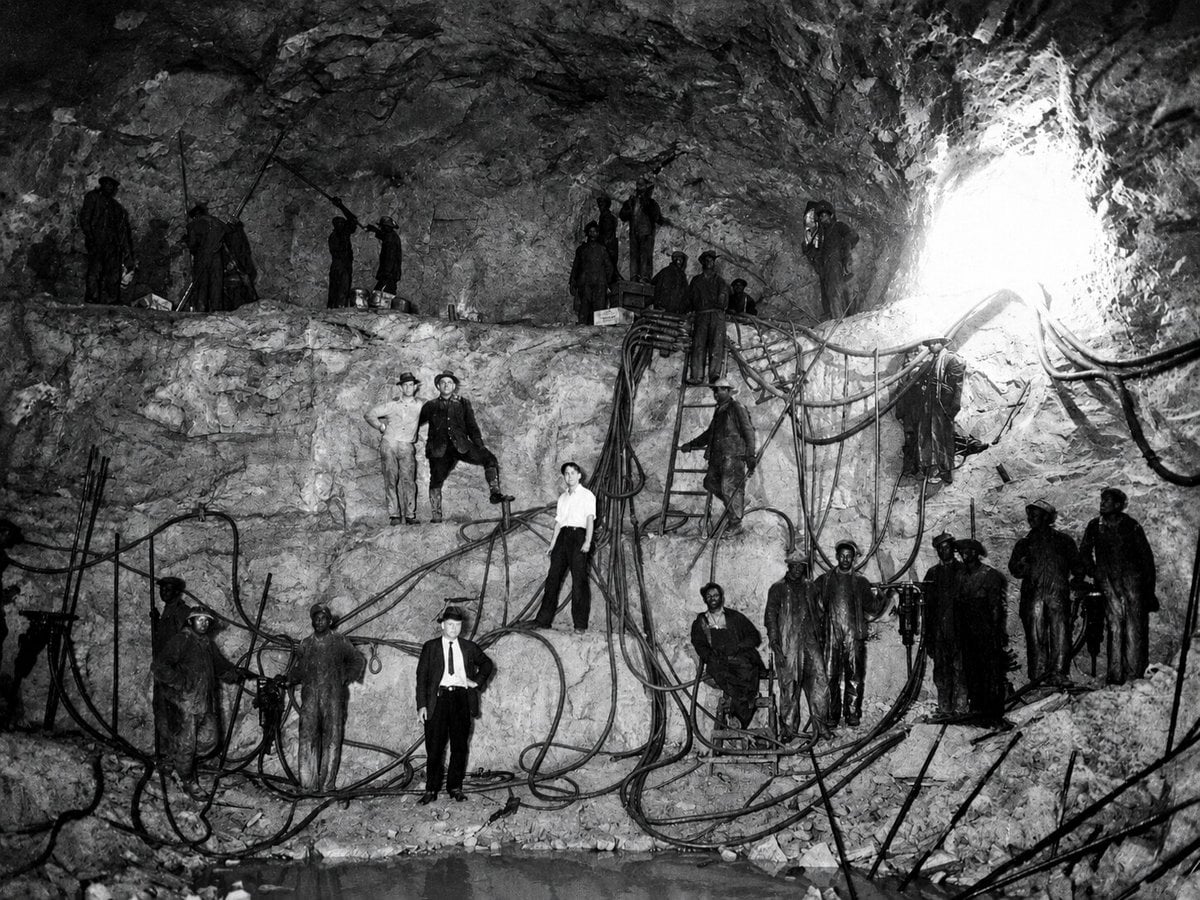
Thousands of workers, many of them African American laborers from the South, were hired to drill a three-mile tunnel through Gauley Mountain near the New River. The tunnel passed through nearly pure silica rock. Workers drilled with little or no respiratory protection while thick clouds of silica dust filled the air.
Within months, many began suffering from acute silicosis, an incurable disease that scars the lungs and slowly suffocates its victims. Hundreds died before construction was even complete, and many others died in the years that followed.
Although the official death toll was much lower, historians generally estimate that between 700 and more than 1,000 workers ultimately died, making Hawk’s Nest one of the worst industrial disasters in American history. The tragedy led to major changes in workplace safety and occupational health standards.
Despite these standards, West Virginia miners are suffering one of the most deadly epidemics of silicosis in history.
2. Monongah Mine Disaster (1907)
Just before 10:30 a.m. on Dec. 6, 1907, two connected coal mines exploded beneath the town of Monongah in north-central West Virginia north of Fairmont.
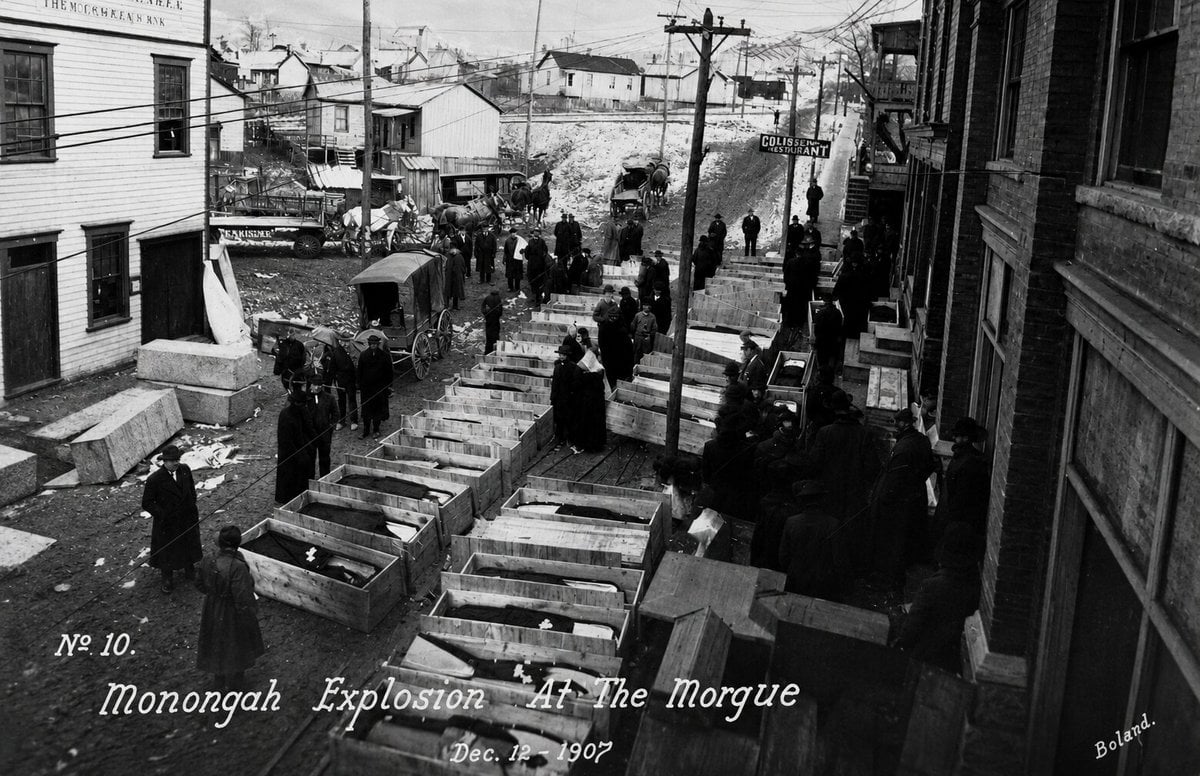
The blast was so violent that it shattered buildings above ground and sent flames shooting from the mine entrances. Rescue crews entered repeatedly despite the danger of additional explosions, but few miners survived.
Officially, 362 men and boys were killed, although historians believe the actual number may have been higher because many immigrant laborers were not recorded on company payrolls.
It remains the deadliest coal mining disaster in United States history and transformed mine safety regulations nationwide.
3. Buffalo Creek Flood (1972)
After days of cold, heavy rain in Logan County, three coal-waste impoundment dams owned by the Pittston Coal Company failed on Feb. 26, 1972.
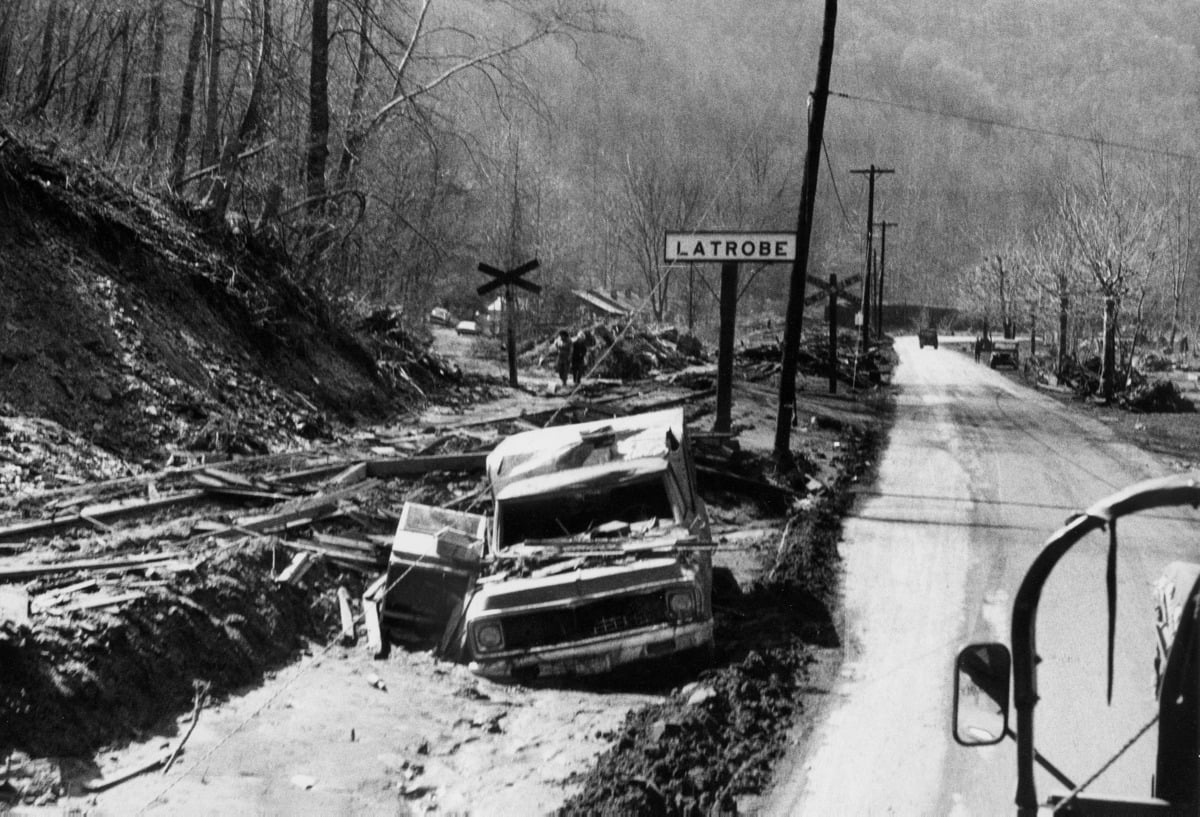
A wall of black water swept down the narrow Buffalo Creek valley, destroying or severely damaging 16 communities in only minutes.
The flood killed 125 people, injured more than 1,100, and left approximately 4,000 residents homeless.
Although rain triggered the event, the disaster resulted from the collapse of poorly constructed coal-refuse dams. The lawsuits and investigations that followed became landmark cases in American environmental and corporate accountability.

Congressional hearings following the disaster led directly to the National Dam Inspection Program, changing how dams are evaluated across the United States.
4. Shinnston Tornado (1944)
West Virginia rarely experiences violent tornadoes, making the events of June 23, 1944, especially remarkable.
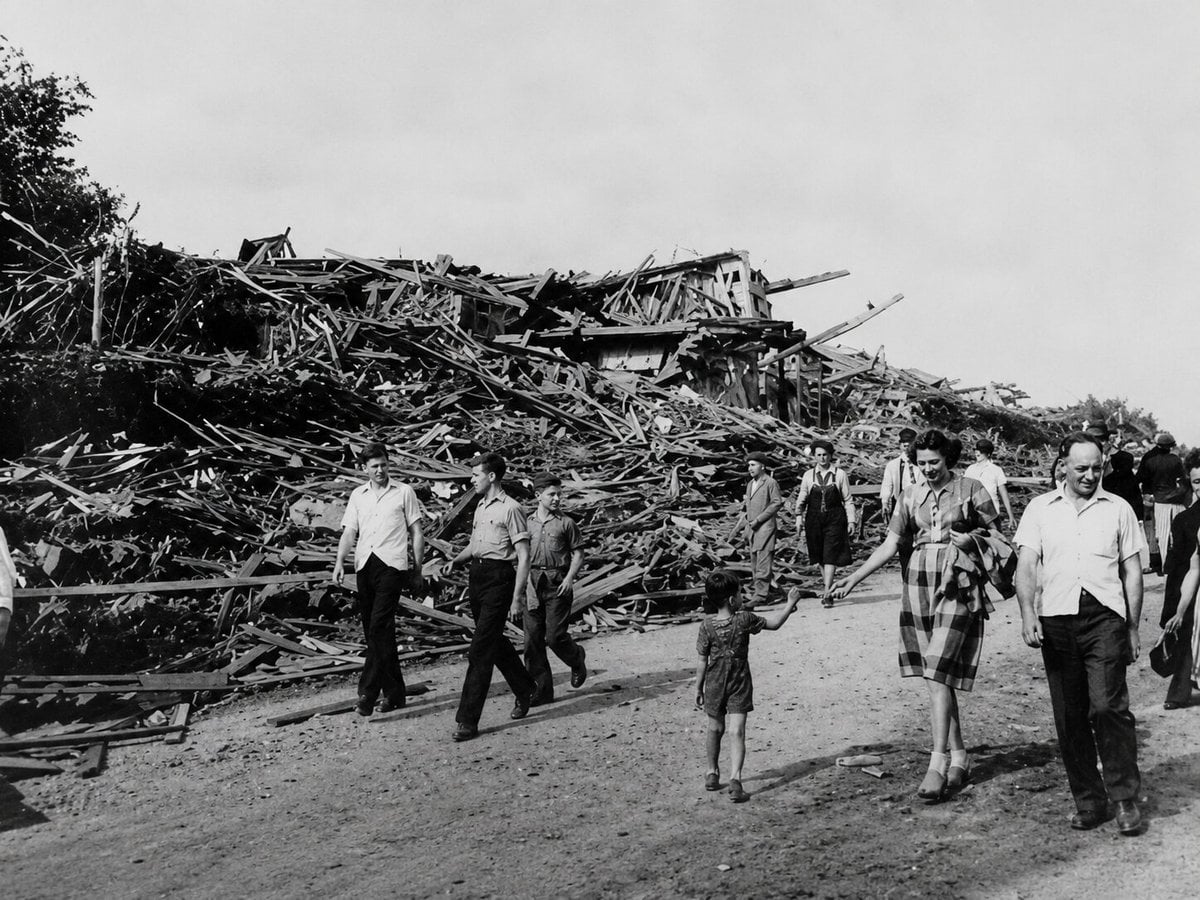
A powerful tornado struck Shinnston before carving a destructive path through Harrison County and into neighboring communities.
Entire neighborhoods were flattened. Homes disappeared from their foundations. Schools, churches, and businesses were reduced to piles of lumber.
The storm killed 103 people, making it the deadliest tornado in West Virginia history and one of the deadliest ever recorded in the Appalachian region.
5. Election Day Flood (1985)
A stalled weather system fueled by tropical moisture produced extraordinary rainfall across eastern and northern West Virginia during the Nov. 4–5 election.
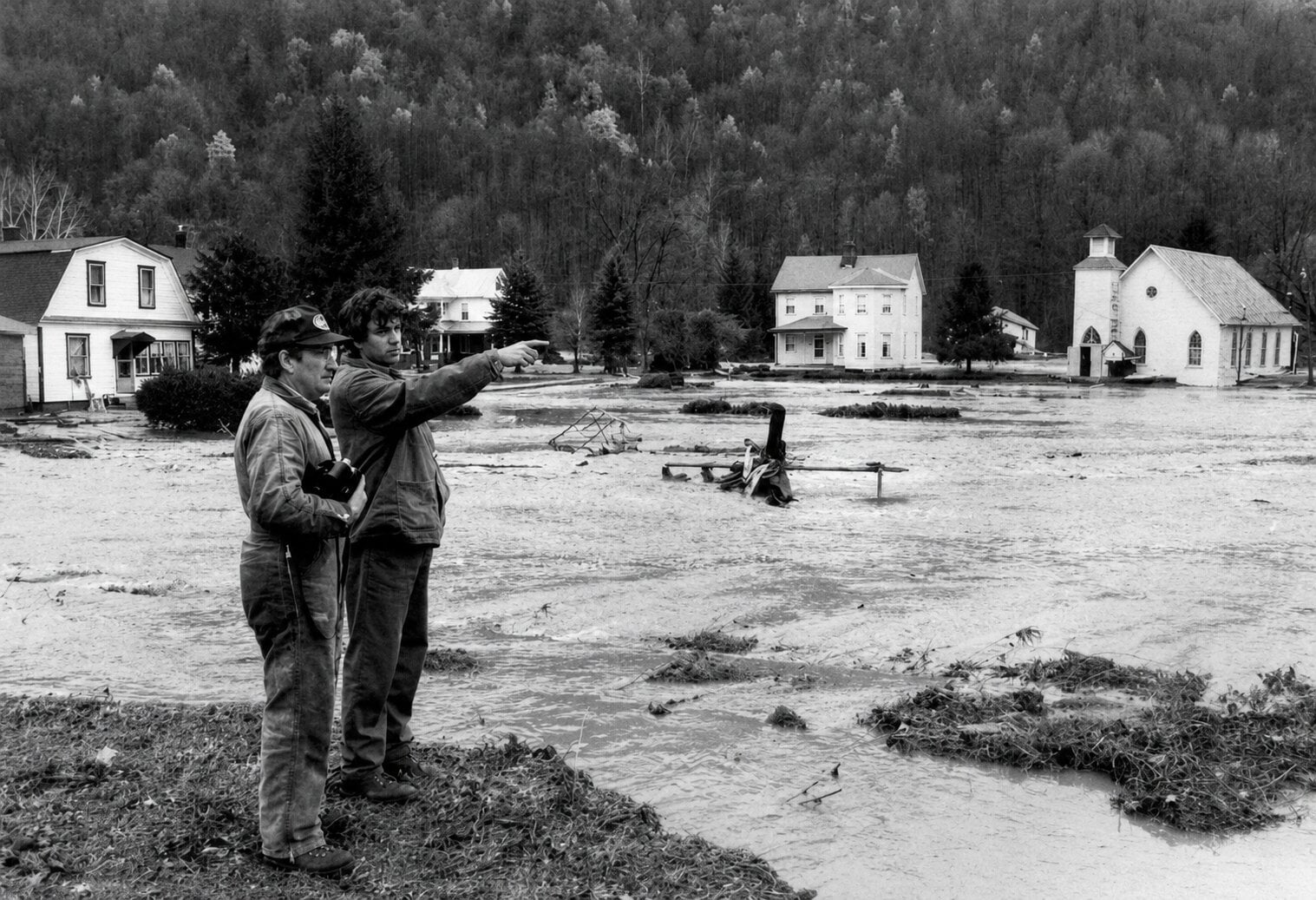
Rivers including the Cheat, Potomac, Greenbrier, Monongahela, and the South Branch of the Potomac rose with astonishing speed.
Communities such as Petersburg, Parsons, Rowlesburg, and Albright suffered catastrophic flooding. Entire downtown districts disappeared beneath muddy water.
Thirty-eight people died in West Virginia, while damage reached hundreds of millions of dollars. The disaster permanently changed flood forecasting and emergency management throughout the region.
The disaster prompted a multi-state federal emergency response, with President Ronald Reagan declaring disaster areas across West Virginia, Virginia, and Pennsylvania, making it one of the largest flood relief efforts in the eastern United States during the 1980s.
6. June Floods (2016)
On June 23, 2016, thunderstorms stalled over central and southeastern West Virginia, dropping more than 10 inches of rain in some communities within hours. Streams became raging rivers almost instantly.
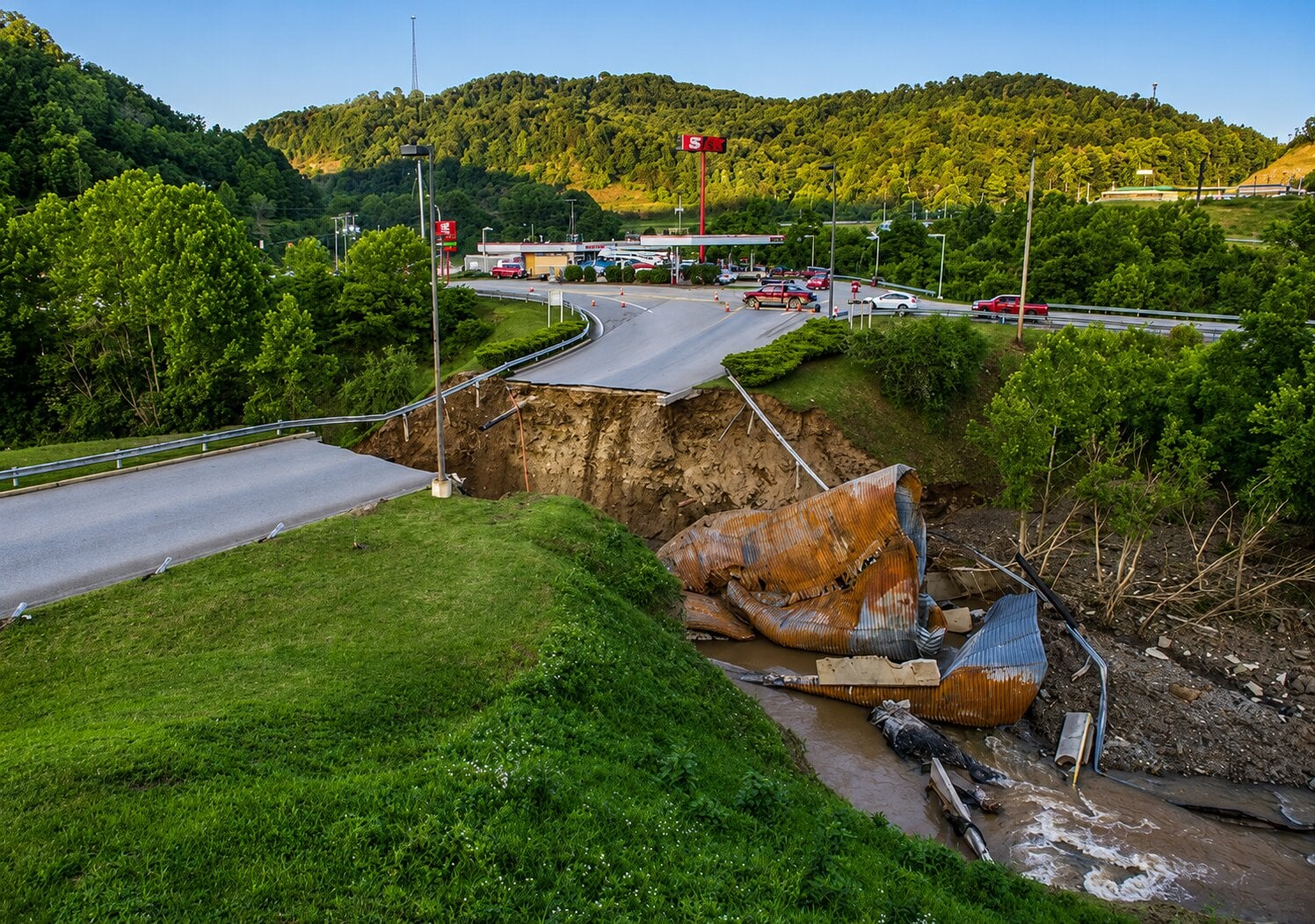
Rainelle, Richwood, Clendenin, White Sulphur Springs, and many smaller communities suffered devastating losses as homes, schools, churches, and businesses were swept away.
Twenty-three people lost their lives. Damage exceeded $1 billion, making it the costliest natural disaster in modern West Virginia history.
Recovery efforts continued for years as historic communities rebuilt their downtowns and neighborhoods.
Images of entire communities swept away were broadcast nationwide as the flooding prompted a presidential major disaster declaration and became one of the costliest natural disasters in modern West Virginia history.
7. Farmington Mine Disaster (1968)
An explosion rocked Consolidation Coal Company’s No. 9 Mine near Farmington on Nov. 20, 1968.
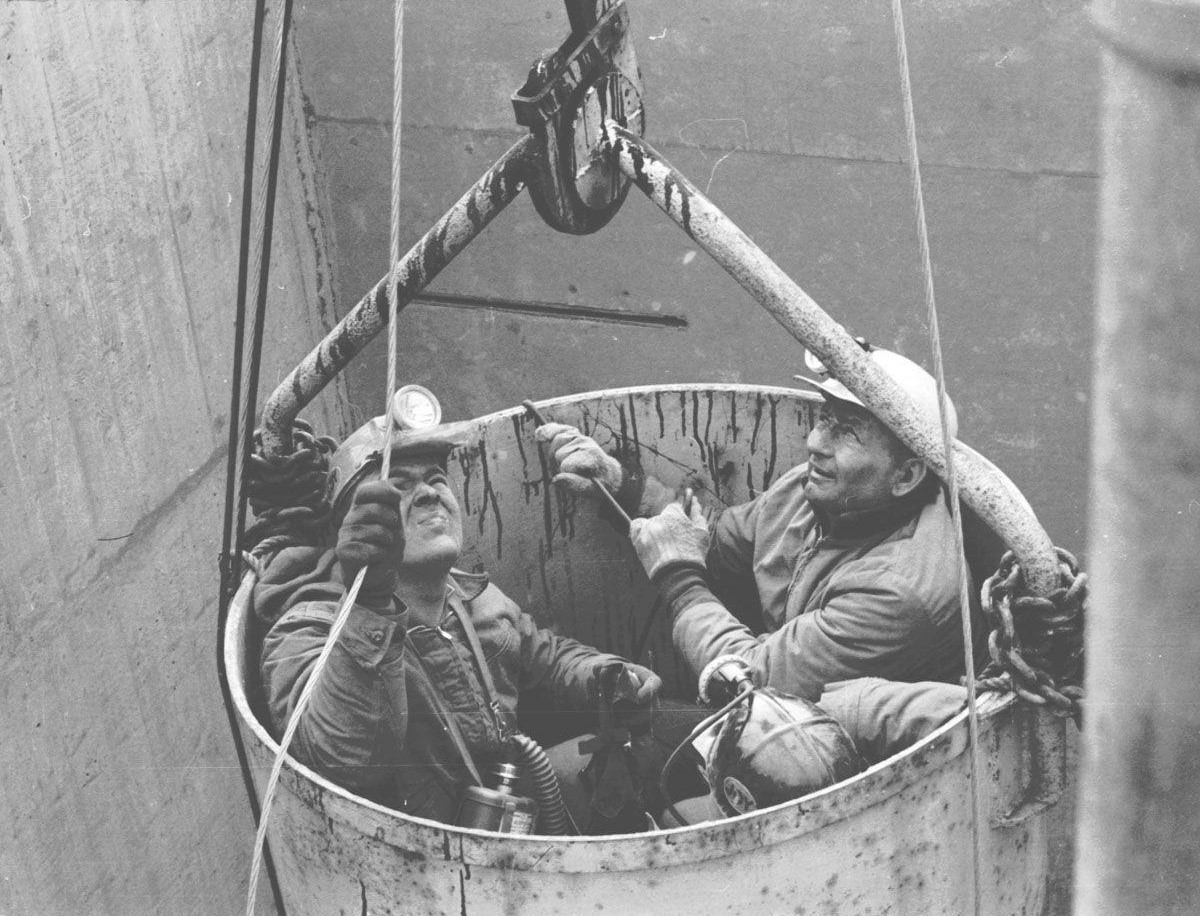
Seventy-eight miners escaped. Seventy-eight others never returned home.
The fire continued burning underground for months, forcing officials to seal the mine permanently before every victim could be recovered.
Public outrage over the tragedy became a major force behind the Federal Coal Mine Health and Safety Act of 1969, which dramatically strengthened mining regulations across the United States.
The nation’s deadliest mining disaster helped spur creation of the U.S. Bureau of Mines and reshaped federal mine safety oversight for decades.
8. Benwood Mine Disaster (1924)
Methane gas ignited inside a coal mine near Benwood in Marshall County on April 28, 1924. The explosion killed 119 miners almost instantly.
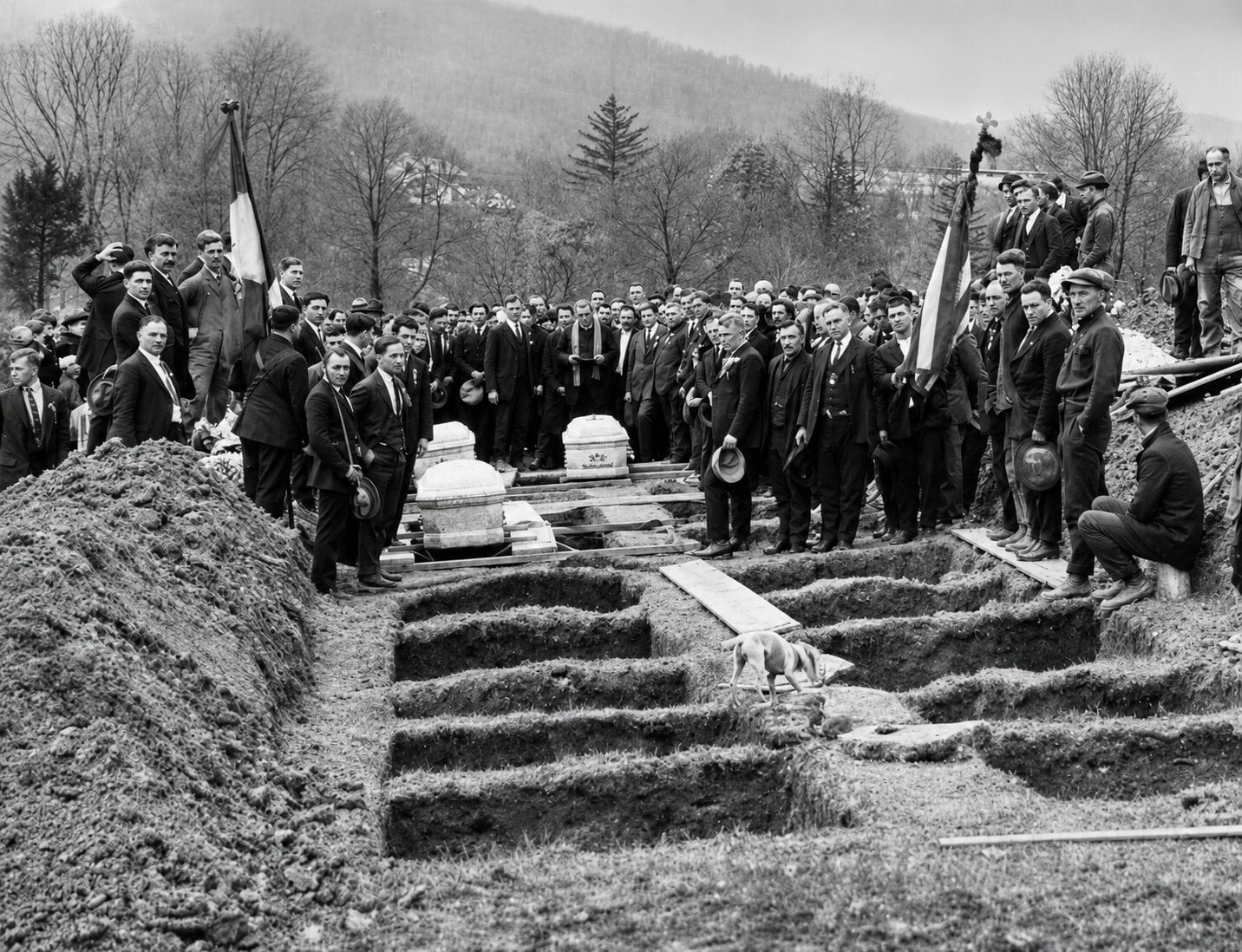
Families from numerous immigrant communities lost fathers, brothers, and sons in one of the deadliest mining disasters in state history.
Although overshadowed by Monongah, Benwood remains among West Virginia’s worst industrial disasters.
The explosion drew front-page coverage across the United States and helped intensify the national debate over mine safety in an era when fatal coal mine disasters regularly captured the country’s attention.
9. 1950 Thanksgiving Blizzard
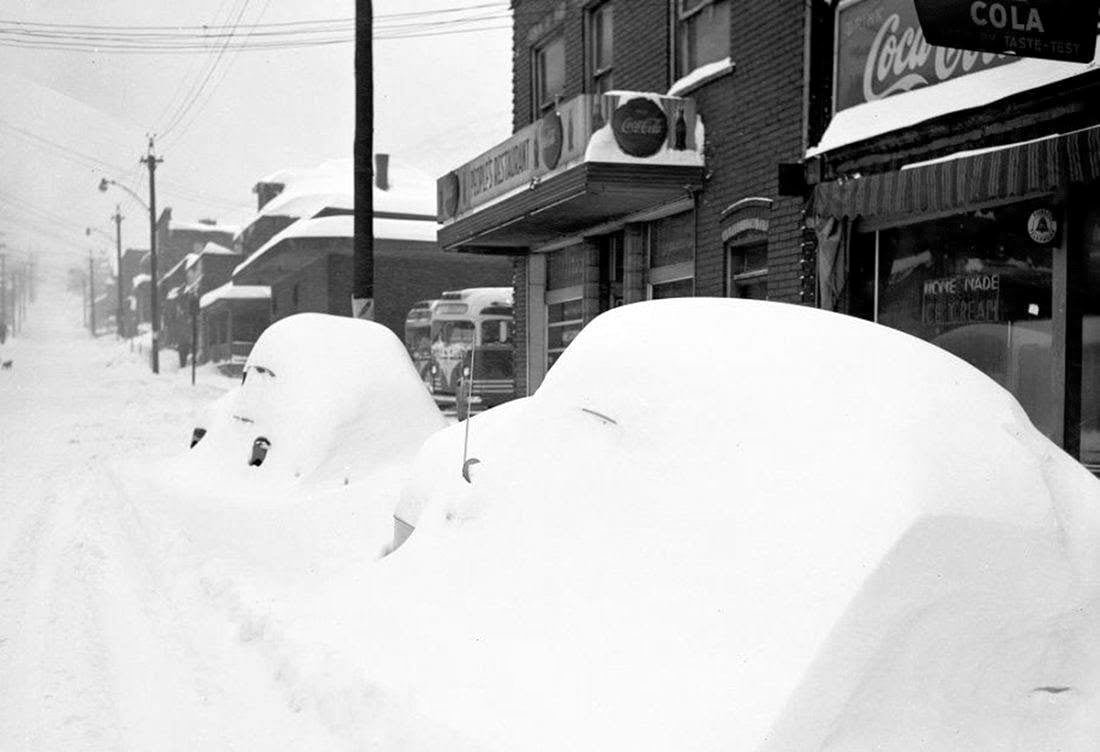
The Great Appalachian Storm of November 1950 brought hurricane-force winds, record snowfall, and bitter cold to West Virginia’s mountains.
Entire communities were isolated for days. Roads disappeared beneath massive drifts. Communication lines failed. Livestock perished, and rescue crews struggled to reach stranded families.
The storm killed dozens across the central Appalachian region and remains one of the worst winter weather disasters ever to strike West Virginia.
Although remembered in West Virginia for its record-breaking snowfall, the Great Appalachian Storm of 1950 crippled much of the eastern United States, prompting widespread emergency responses and becoming one of the most studied winter storms in American meteorological history.
10. Silver Bridge Collapse (1967)
At 5 p.m. on Dec. 15, 1967, the Silver Bridge connecting Point Pleasant, West Virginia, and Gallipolis, Ohio, suddenly collapsed during evening rush-hour traffic.
Forty-six people were killed as vehicles plunged into the icy Ohio River. Investigators determined that the bridge failed because of a tiny defect in a suspension eyebar that went undetected.
The collapse changed bridge inspection practices across the United States. Thousands of aging bridges were reevaluated, and modern federal inspection standards grew from lessons learned that day.
West Virginia Disasters
West Virginia has endured extraordinary hardship throughout its history, but these disasters also reveal another story—one of resilience. Communities rebuilt after floods swept away entire downtowns. Mining towns found ways to recover after unimaginable losses. Families preserved the memory of those who never came home, ensuring that future generations would understand both the risks their ancestors faced and the strength with which they responded.
Today, monuments, museums, historic markers, and annual commemorations across the state honor those lives. They remind visitors that behind every statistic was a family, a neighborhood, and a community forever changed and that many of the safety standards Americans now take for granted were written because of lessons learned through disasters in the mountains of West Virginia.
Marshall plane crash ?
Some serious flooding in Pocahontas and Greenbrier Counties in 1996. I thought the flood level was higher than the 2016 flood.