
MORGANTOWN, W.Va. — As tourism continues to reshape rural communities across Appalachia, researchers at West Virginia University in Morgantown are helping local leaders answer a difficult question: How can towns welcome more visitors without sacrificing the qualities that make people want to live there?
A new study led by West Virginia University Extension found that successful tourism is about more than attracting travelers. Communities that depend on tourism must also protect affordable housing, support working families, preserve natural resources, and maintain residents’ quality of life.

The findings come from the Tourism, Resiliency and Indicators for Post-Pandemic Planning (TRIP) project, a multi-state collaboration led by WVU Extension that is developing practical tools to help rural destinations make informed decisions about growth.
Tourism brings opportunities and new pressures
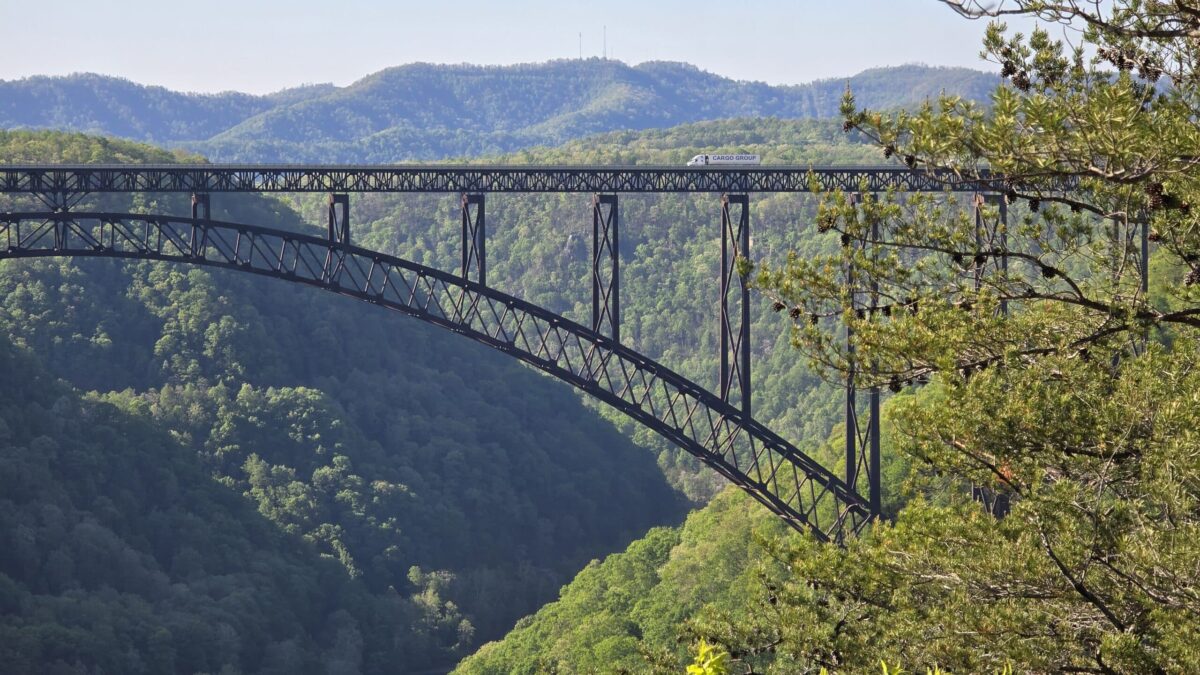
Across West Virginia, communities near destinations such as the New River Gorge, Monongahela National Forest, and other outdoor recreation areas have seen visitor numbers rise since the COVID-19 pandemic.
While that growth has boosted local businesses, it has also raised concerns about housing affordability, infrastructure, workforce shortages, and the long-term health of natural landscapes.
Doug Arbogast, a WVU Extension professor and rural tourism development specialist who leads the project, said many communities are seeking ways to balance those competing priorities.
“Post-COVID-19, we’ve seen a surge of interest from local destination leadership to better understand how to manage the economic, social, and environmental impacts of tourism,” Arbogast said.
He said the project is designed to help local officials identify reliable data to make evidence-based decisions that maximize tourism’s benefits while reducing unintended consequences.
Measuring sustainable tourism
In a recent study published in the journal Tourism Economics, researchers developed a sustainability index that measures tourism’s impact on counties across several dimensions, including:
- Economic well-being
- Social well-being
- Environmental health
Rather than examining a destination at a single moment, the index tracks changes over a decade, allowing researchers to see whether communities are becoming more or less sustainable over time.
The study found that counties with strong travel industries varied widely in their ability to balance growth with community needs. No destination excelled across every category, highlighting the complexity of managing tourism over the long term.
Researchers say publicly available government data can provide communities with a relatively inexpensive way to monitor trends, compare themselves with similar destinations, and identify emerging challenges before they become larger problems.
Mon Forest Towns become a living laboratory
Much of the project’s work in West Virginia centers on the Mon Forest Towns partnership, a coalition of communities surrounding the Monongahela National Forest.
Since 2018, WVU Extension specialists Doug Arbogast and Daniel Eades have worked with local leaders to identify the indicators that matter most to residents. According to Eades, conversations with community members consistently go beyond visitor spending.
“The economic impacts of tourism and recreation are often front of mind, but communities recognize that to be successful in the long run, they need to balance the social and environmental dimensions as well,” Eades said.
Residents frequently cite concerns such as living wages, affordable housing, and attracting young families.
Working with all 12 Mon Forest Towns, researchers are developing a monitoring platform that will allow community leaders to track changes over time and use that information to guide planning and public policy.
Helping rural destinations make smarter decisions
The project brings together specialists from:
- West Virginia University Extension
- Penn State Extension
- University of Vermont Extension
- University of New Hampshire Extension
- Northeast Regional Center for Rural Development
Researchers are combining government data with resident and visitor surveys, geographic analysis, and community input to build interactive dashboards that local leaders can use to plan future development.
The project also aims to develop methods that rural tourism destinations throughout Appalachia and across the United States can adapt.
Supported by the U.S. Department of Agriculture’s National Institute of Food and Agriculture, the initiative reflects a growing recognition that sustainable tourism requires careful planning, not simply more visitors.
For communities hoping tourism will strengthen local economies while preserving their identity, researchers say better information may be one of the most valuable tools.
Read more