
Casinos and gaming are among the most popular entertainment attractions in West Virginia, drawing visitors from across the Midwest and Mid-Atlantic regions. Gaming destinations in the Mountain State combine casino gambling, horse racing, sports betting, dining, lodging, and live entertainment, serving as major tourism hubs and important sources of state revenue.

Located within a day’s drive of major population centers such as Washington, Baltimore, Pittsburgh, Columbus, and Cincinnati, the state’s casinos attract millions of visitors each year.
Many travelers pair gaming excursions with outdoor recreation, scenic drives, state parks, golf resorts, and other attractions, making casino tourism a key part of the state’s visitor economy.
The state’s gaming industry includes casino gambling, horse racing, lottery games, sports wagering, and online gaming. Since the late twentieth century, West Virginia has expanded legalized gaming through a series of voter-approved initiatives and legislative actions that transformed horse-racing venues into full-service entertainment destinations.
Gaming is a popular pastime in West Virginia. Five casinos operate in the Mountain State. Four are located at established greyhound and thoroughbred tracks. Video-poker cafes may be found in nearly every community. More than 7,600 video machines were operating at 1,614 state-certified gambling locations in 2005, according to the West Virginia Lottery Commission.
List of Casinos and Gaming Venues
The following casinos and gaming venues were in operation in West Virginia in 2026.
Charles Town Races & Slots
Charles Town Races and Slots in Charles Town, West Virginia, is a gaming center featuring thoroughbred horse racing and more than 5,000 slot machines. Several dining facilities, including a food court and track-side restaurant, are located at the track. A 150-room hotel, The Inn at Charles Town, was scheduled to open in 2008. Hollywood Casino
The Greenbrier
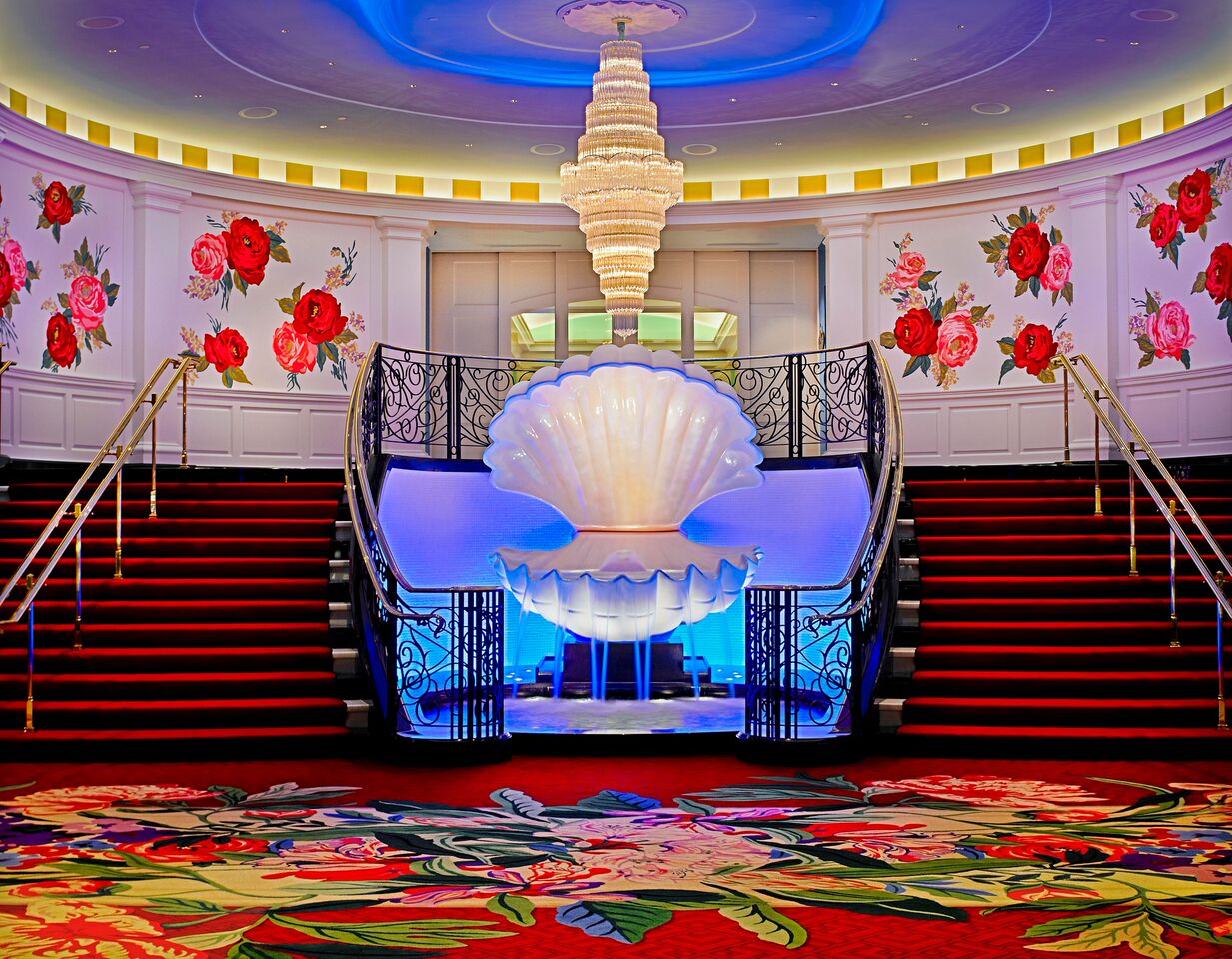
The Greenbrier, at White Sulphur Springs, West Virginia, includes a 103,000 square-foot casino filled with world-class gaming venues including more than 30 tables and 300 slot machines. The casino is located beneath the reflecting pool in front of the resort’s world-famous hotel. In addition to the casino, guests can enjoy the resort’s historic facilities, including the spa, golf courses, and five restaurants. Greenbrier Casino

Mountaineer Casino Resort & Race Track
Mountaineer Casino Resort & Race Track, on the Ohio River near Chester, West Virginia, is especially popular with visitors from nearby Ohio and Pennsylvania. Formerly the “Mountaineer Race Track & Gaming Resort,” it includes the Grande Hotel, with more than 350 guest rooms adjacent to the casino, eight restaurants and five lounges, a theater, a convention center, and an 18-hole golf course. Mountaineer Casino
Tri-State Racetrack & Casino
Tri-State Racetrack & Casino, in Cross Lanes, West Virginia, in Kanawha County, includes a track and a gaming center that features daily greyhound racing and 90,000 square feet of gaming space with 1,800 machines. The casino includes five restaurants, and plans for a hotel development are being pursued. The casino was formerly known as “Tri-State Racetrack & Gaming Center.” Mardi Gras Casino
Wheeling Island Hotel-Casino-Racetrack
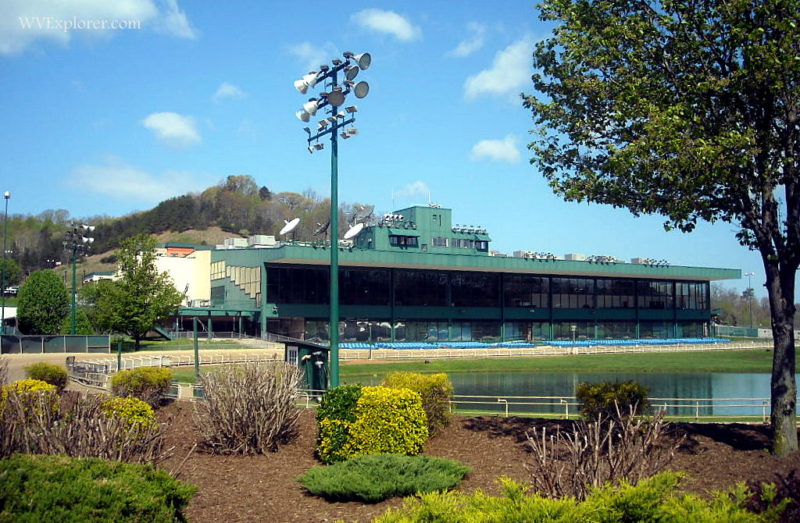
Wheeling Island Hotel-Casino-Racetrack, on Wheeling Island at Wheeling, West Virginia, attracts thousands of Ohio and Pennsylvania gamers each year. Formerly “Wheeling Island Racetrack and Gaming Center,” the facility added “casino” to its title in 2007 after Ohio County legalized table gaming. The casino sports a 90,000-square-foot gaming center with 2,400 slot machines and a greyhound dog track—Wheeling Downs—at the southern tip of the island. The casino hotel includes more than 350 rooms. Wheeling Island Casino
More about Casinos and Gaming in West Virginia
Casinos and gaming are a significant part of West Virginia’s tourism and entertainment economy. By combining casino gambling, horse racing, sports wagering, hotels, restaurants, and live entertainment, West Virginia’s gaming destinations attract visitors from across the Appalachian region and the eastern United States. The state’s proximity to major metropolitan areas has made casino tourism an important component of its visitor industry.
West Virginia offers a variety of legalized gaming activities, including casino gambling, pari-mutuel horse racing, lottery games, sports betting, and online wagering. Since the late twentieth century, gaming has expanded from traditional racetrack betting into a broader entertainment sector that draws millions of visitors annually.
History
The roots of legalized gaming in West Virginia trace back to horse racing. Pari-mutuel wagering on horse races was authorized in the 1930s, as part of a national movement to regulate racing and generate public revenue during the Great Depression. For decades, horse racing remained the state’s primary form of legal gambling and drew visitors from neighboring states.
A major change came in the 1990s, when voters approved the introduction of video lottery terminals at licensed racetracks. The measure was intended to strengthen the state’s racing industry and help it compete with expanding gaming markets elsewhere in the region. Subsequent legislation authorized table games and other casino-style gambling, transforming racetrack facilities into modern gaming and entertainment destinations.
By the early twenty-first century, West Virginia had become one of the leading gaming states in Appalachia, attracting visitors from nearby urban centers and generating substantial tax revenue for state programs.
Casino Gambling
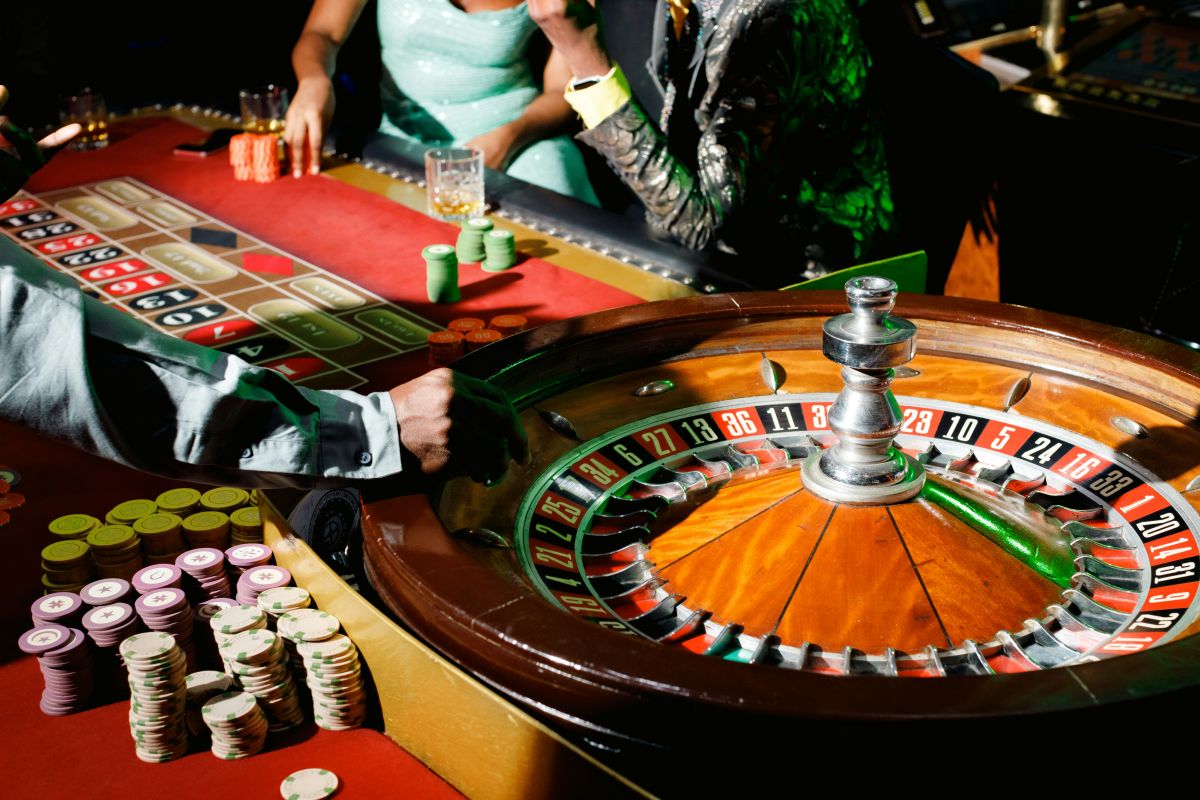
Casino gambling in West Virginia includes slot-style gaming machines, electronic games, poker, and traditional table games such as blackjack, roulette, baccarat, and craps. Gaming facilities typically combine gambling with lodging, dining, shopping, and entertainment, creating destinations that appeal to both casual visitors and dedicated gaming enthusiasts.
For many travelers, casinos are popular weekend getaway destinations. Visitors often pair gaming excursions with sightseeing, outdoor recreation, golf, shopping, and cultural attractions found throughout the state. The integration of gaming with hospitality and tourism has made casinos an increasingly visible part of West Virginia’s visitor economy.
Horse Racing and Gaming
Horse racing remains closely tied to gaming in West Virginia. Thoroughbred and harness racing continue to draw spectators and bettors, preserving traditions dating back more than a century. Racing events attract participants and fans from across the region and remain a key part of the state’s sporting culture.
Revenue from gaming operations has helped support racing purses, breeding programs, and racetrack facilities. This relationship has kept horse racing economically viable despite nationwide declines in attendance and wagering.
As a result, West Virginia remains one of the few states where horse racing and casino gaming are deeply interconnected through law, economics, and tourism.
Greyhound Dog Racing in West Virginia
West Virginia now hosts the only remaining live greyhound racing tracks in the United States. Once a national industry, greyhound racing has disappeared from most states through legislation, ballot initiatives, and track closures. According to recent legal surveys, 44 states have banned the sport entirely, leaving West Virginia as the last active holdout.
In 2026, the proposed Greyhound Protection Act (H.R. 5017) was incorporated into the federal Farm Bill and would prohibit commercial greyhound racing nationwide, ban wagering on foreign dog races, and prevent the export of American racing greyhounds. If enacted, it would effectively end live dog racing in West Virginia.
Sports Betting in West Virginia
West Virginia was among the first states to legalize sports betting after the United States Supreme Court’s 2018 decision that removed federal restrictions on state-regulated sports wagering. Lawmakers quickly established a framework allowing licensed gaming facilities to offer sportsbooks and mobile wagering platforms.
Sports bettors may place wagers on professional sports, collegiate athletics, and other approved sporting events. Mobile applications have expanded access to sports wagering, enabling visitors and residents to participate from approved locations within the state.
The introduction of sports betting further diversified West Virginia’s gaming industry and strengthened its appeal as a regional entertainment destination.
Video Parlors
Beyond its casinos and racetracks, West Virginia maintains an extensive network of Limited Video Lottery parlors. Authorized under the Limited Video Lottery Act of 2001, these small gaming establishments operate state-regulated video lottery terminals in adult-only venues throughout the state.
Although less visible to tourists than casino resorts, they have become one of the largest sources of gaming revenue in West Virginia, generating approximately $236 million for state government in fiscal year 2025. Under West Virginia law, these establishments are sometimes referred to as “cafes,” which has created confusion for consumers searching for coffee products.
Online Gaming
In addition to traditional casino gambling, West Virginia permits certain forms of regulated online gaming. Authorized operators offer internet-based casino games, poker, and sports wagering under state supervision.
The growth of online gaming reflects broader technological changes in the gambling industry. Digital platforms have expanded the state’s gaming market and enabled visitors and residents to access wagering opportunities on computers and mobile devices.
State regulations require safeguards such as age verification, geolocation technology, and responsible-gaming measures to ensure compliance with gaming laws.
The West Virginia Lottery
The West Virginia Lottery is the principal regulatory authority for many forms of gaming in the state. Established in 1984, it oversees traditional lottery games, casino gaming, video lottery operations, sports wagering, and certain online gaming activities.
Lottery products include scratch-off tickets, draw games, and participation in multistate lottery drawings. The lottery generated nearly $1.3 billion in gross sales during fiscal year 2025, returning approximately $611 million in proceeds to the State of West Virginia to support a variety of public programs, including education, senior services, tourism promotion, and state government operations.
The lottery’s role has expanded significantly as gaming options have grown, making it a central component of West Virginia’s gaming regulatory system.
Tourism and Economic Impact
Gaming is among West Virginia’s most significant tourism industries. Visitors drawn to casinos boost hotel occupancy, restaurant sales, retail spending, and entertainment activity across surrounding communities. Many gaming destinations are near major highways, making them convenient stops for travelers from neighboring states.
According to the W.Va. Gaming and Racing Association, casinos and gaming have an economic impact exceeding $1 billion annually and are considered one of the state’s major tourism sectors.
Casino visitors often combine gaming trips with other attractions, including state parks, mountain recreation, golf courses, historic sites, festivals, and scenic drives. This overlap between gaming and tourism has broadened the industry’s economic impact beyond casino properties. A 2017 visitor survey by the West Virginia Tourism Office found that about 7% of visitors cited casinos and gaming as their primary reason for visiting the state.
Tax revenues from gaming support public programs and services and help diversify the state’s economy. Because many patrons come from outside West Virginia, the industry brings substantial visitor spending into the state.
Responsible Gaming
West Virginia regulates gaming through a system of licensing, auditing, and oversight to ensure fair play and protect consumers. Gaming operators must comply with state regulations covering security, financial reporting, and responsible-gaming practices.
Programs addressing problem gambling include public education, counseling resources, and voluntary self-exclusion programs. These initiatives seek to balance the economic benefits of gaming with efforts to reduce potential social harms associated with gambling addiction.
Cultural Significance
Gaming has become a prominent part of West Virginia’s modern tourism landscape. While outdoor recreation, heritage tourism, and scenic travel remain among the state’s best-known attractions, casinos have emerged as major entertainment destinations that draw visitors year-round.
The combination of gaming, horse racing, dining, lodging, and entertainment has created a distinct sector of the state’s tourism economy. As gaming continues to evolve through technological innovation and shifting consumer preferences, it remains a key component of West Virginia’s recreation and hospitality industries.