
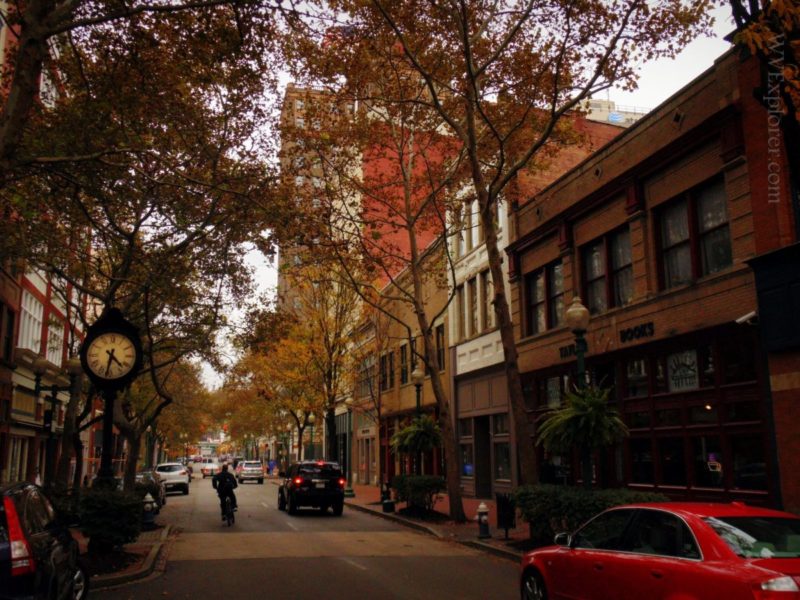
West Virginia historic sites preserve the stories of Indigenous peoples, frontier settlers, industrial workers, military leaders, and communities that shaped the Mountain State and the nation. From Civil War battlefields and coal-mining landmarks to historic railroads and preserved towns, West Virginia offers one of the most diverse collections of historic attractions in the Appalachian region.

Historic sites in West Virginia reflect centuries of human activity, including Native American habitation, European settlement, the rise of the timber and coal industries, transportation innovations, and the state’s unique role in the American Civil War. Today, many of these locations are preserved as museums, state parks, national historical parks, heritage areas, and landmarks listed on the National Register of Historic Places.
History of historic preservation in West Virginia
The movement to preserve historic sites in West Virginia gained momentum in the twentieth century as communities sought to protect important buildings, battlefields, archaeological sites, and industrial landmarks from deterioration and development.
Preservation efforts accelerated after the passage of the National Historic Preservation Act of 1966, which established procedures for identifying and protecting significant cultural resources. Today, hundreds of West Virginia properties are listed on the National Register of Historic Places, and several sites have been designated national historic landmarks for their exceptional historical importance.
Historic preservation organizations, local historical societies, state agencies, and the National Park Service continue to maintain and interpret many of the state’s most important historic resources. The Preservation Alliance of West Virginia is the central statewide organization dedicated to preservation. The W.Va. State Historic Preservation Office is the state government office that oversees public preservation initiatives.
National historic sites and parks
Among the most visited historic destinations in West Virginia is the historic district of Harpers Ferry. Situated at the confluence of the Potomac and Shenandoah rivers, Harpers Ferry played a critical role in American transportation, industry, abolitionism, and the Civil War. The town is preserved within Harpers Ferry National Historical Park and attracts hundreds of thousands of visitors annually.
The New River Gorge region contains numerous historic resources related to coal mining, rail transportation, and industrial development. Historic mining communities such as Kay Moor provide insight into life in the southern West Virginia coalfields during the late nineteenth and early twentieth centuries.
The Chesapeake and Ohio Canal National Historical Park extends into the Eastern Panhandle and preserves important transportation history associated with canal travel and commerce along the Potomac River.

Civil War historic sites in West Virginia
West Virginia occupies a unique place in Civil War history as the only state created as a direct result of the conflict. Following Virginia’s secession from the Union in 1861, western counties opposed the decision and eventually formed the new state of West Virginia in 1863.
Several important Civil War sites remain open to visitors today.
Harpers Ferry
Harpers Ferry National Historical Park is best known as the location of abolitionist John Brown’s 1859 raid on the federal armory. The event helped intensify national tensions over slavery and contributed to the outbreak of the Civil War.
Carnifex Ferry Battlefield
Located near Summersville, Carnifex Ferry Battlefield State Park preserves the site of an important 1861 engagement that helped secure Union control of western Virginia.
Droop Mountain Battlefield
Droop Mountain Battlefield State Park commemorates one of the largest Civil War battles fought within present-day West Virginia. The battle, fought in November 1863, marked a significant Union victory.
Rich Mountain Battlefield
Near Beverly, Rich Mountain Battlefield preserves terrain associated with one of the earliest significant Union victories of the war.
Coal Mining Historic Sites
Coal mining shaped the economy, culture, and communities of West Virginia for more than a century. Numerous historic sites interpret this industrial heritage.
Beckley Exhibition Coal Mine
The Beckley Exhibition Coal Mine allows visitors to tour a restored underground mine and learn about the experiences of coal miners and their families.
Kay Moor
Located within New River Gorge National Park and Preserve, Kay Moor preserves the remains of a once-thriving coal mining operation. Visitors can explore historic mine structures, coke ovens, and transportation facilities.
Whipple Company Store
The Whipple Company Store in Fayette County stands as one of the most significant surviving examples of a coal company store in Appalachia.
Matewan
The town of Matewan is closely associated with the famous Matewan Massacre of 1920, a pivotal event in the history of American labor relations and coal mining unionization.
Historic Railroad Sites
Railroads transformed West Virginia’s economy by connecting remote mountain communities to national markets.
Cass Scenic Railroad
Cass Scenic Railroad State Park preserves a historic logging railroad that once served the state’s timber industry. Steam locomotives continue to operate on routes originally constructed for industrial logging operations.
Durbin and Greenbrier Valley Railroad
Several historic rail excursions operate throughout the Mountain State, preserving railroad heritage while offering visitors access to scenic landscapes.
Thurmond
The historic town of Thurmond, located within New River Gorge National Park and Preserve, was once among the busiest railroad centers on the Chesapeake and Ohio Railway. Today, restored buildings interpret the community’s transportation history.
Historic Towns and Communities
Many West Virginia communities retain significant collections of historic architecture.
Lewisburg
Lewisburg features a well-preserved historic downtown district containing numerous eighteenth- and nineteenth-century structures.
Shepherdstown
Founded in 1762, Shepherdstown is among the oldest municipalities in the state and contains many historic buildings associated with the colonial and early national periods.
Beverly
Beverly played an important role in westward migration and Civil War campaigns. Its historic district includes numerous preserved structures dating to the nineteenth century.
Historic Buildings and Landmarks
Trans-Allegheny Lunatic Asylum
Completed in stages between 1858 and 1881, the Trans-Allegheny Lunatic Asylum is among the largest hand-cut stone masonry buildings in North America. The structure represents an important chapter in the history of mental health care.
Independence Hall
Located in Wheeling, Independence Hall served as the meeting place of the Restored Government of Virginia and played a crucial role in the creation of West Virginia during the Civil War.
West Virginia State Capitol
The State Capitol in Charleston is one of the state’s most prominent architectural landmarks. Completed in 1932, the building features a distinctive gold dome and serves as the seat of state government.
The Greenbrier
The Greenbrier resort has hosted presidents, diplomats, and notable guests for more than two centuries. Its history includes the construction of a secret Cold War congressional bunker beneath the hotel.
Native American Historic Sites
Long before European settlement, Indigenous peoples inhabited the region that became West Virginia.
The Grave Creek Mound in Moundsville is among the largest conical burial mounds in the United States. Constructed by Adena peoples more than 2,000 years ago, it remains one of the state’s most significant archaeological sites.
Numerous additional archaeological locations throughout the state reveal evidence of ancient settlements, trade networks, and ceremonial activities.
Historic Sites in the New River Gorge
The New River Gorge region contains one of the nation’s largest concentrations of preserved industrial and transportation history.
Historic sites include:
- Thurmond Historic District
- Kay Moor Mine Site
- Nuttallburg Coal Mining Complex
- Prince Historic District
- Historic railroad infrastructure along the New River
Together, these sites document the rise of the coal industry and the communities that developed around it.
Visiting West Virginia Historic Sites
Historic sites can be found throughout all regions of West Virginia, from the Eastern Panhandle to the southern coalfields and from the Ohio River Valley to the Allegheny Highlands. Many operate as museums, state parks, heritage centers, or protected historic districts.
Visitors interested in history tourism often combine visits to historic landmarks with outdoor recreation, scenic drives, cultural festivals, and heritage trails. This combination of history and natural beauty has made heritage tourism one of the state’s fastest-growing travel sectors.
Significance
West Virginia historic sites preserve the physical evidence of the events, industries, and people that shaped the Appalachian region and the United States. Whether exploring Civil War battlefields, historic coal towns, preserved railroads, ancient archaeological sites, or architectural landmarks, visitors encounter a rich and complex history that continues to define the Mountain State.
As preservation efforts continue, these historic sites provide educational opportunities, support tourism economies, and ensure that future generations can experience the stories that shaped West Virginia.
Select Historic Landmarks in West Virginia
- Adaland
- Alberts Chapel
- Alderson Bridge
- Alfred Beckley Mill
- Apollo Theatre
- Baltimore & Ohio Depot
- Barger Springs
- Beckley Courthouse Square Historic District
- Beckley Exhibition Coal Mine
- Bennett Hospital
- Berkeley Castle
- Big Bend Tunnel
- Blennerhassett Island
- Blue Sulphur Springs Pavilion
- Booker T. Washington High School
- Cain House
- Cameron City Pool
- Camp Caesar
- Campbell Mansion
- Campbellton
- Capon Springs
- Carnegie Public Library
- Carnifex Ferry Battlefield
- Cass Scenic Railroad
- Charleston Municipal Auditorium
- Circleville School
- Colonel Thomas Brown House
- Confederate Cemetery at Lewisburg
- Continental Clay Brick Plant
- Cottrill Opera House
- Daniel Boone Hotel
- E.B. Hawkins House
- Fairmont Masonic Temple
- Ferguson’s Rock
- Fort Scammon
- Fort Van Meter
- Gassaway Depot
- Gibson-Todd House
- Gilmer County Poor Farm Infirmary
- Glen Ferris Inn
- Governor Joseph Johnson House
- Governor Samuel Price House
- Grafton National Cemetery
- Grant County Courthouse
- Greenbrier, The
- Halliehurst
- Halltown Union Sunday School
- Harmony Cemetery
- Harrisville Grade School
- Hatfield Cemeteries
- Henry Clay Furnace
- Holley Hills Estate
- Hydroelectric Power Plant
- Indian Cave Petroglyphs
- Inn at Fowlerstown
- Kanawha Hotel
- Kay Moor No. 1 Coal Mine
- Kenwood
- LaBelle Iron Works
- Lick Run Plantation
- Light Horse Harry Lee Cabin
- Lost River General Store
- Madison National Bank
- Meadow River Lumber Building
- Meldahl House
- Memorial Arch
- Middle Mountain Cabins
- Millers Tavern
- Morgan (William G.) House
- Mount Saint Joseph
- Mud River Covered Bridge
- Mullens National Historic District
- Municipal Building of Bluefield
- New River Gorge Bridge
- Noah Snyder Farm
- Oglebay Mansion Museum
- Ohev Shalom Temple
- Old Clay County Courthouse
- Old Opera House
- Old Ravenswood School
- Old Sweet Springs
- Opequon Golf Club
- Organ Cave
- Page-Vawter House
- Pence Springs Hotel Historic District
- Peter Tarr Furnace
- Point Pleasant Battleground
- Pricketts Fort
- Putnam County Courthouse
- Quaker State Windmill
- Reber Radio Telescope
- Rich Mountain Battlefield
- Robey Theatre
- Ruddell General Store
- Saint Mary’s Orthodox Church
- Sandlick Sportsman’s Club
- Seneca Glass Company Building
- Shepherds Mill
- Smoot Theatre
- South Charleston Mound
- Stewart Hall
- Stewart’s Tavern
- Sutton National Historic District
- Terra Alta Bank
- The Beeches
- The Wells Inn
- Thornburg House
- Tomlinson Mansion
- Virginia Furnace
- Virginian Railway Yard
- War Memorial Building
- Wellsburg Wharf
- West Union Downtown Historic District
- West Virginia State Penitentiary
- Weston State Hospital
- Wheeling Custom House
- Wheeling Suspension Bridge
- Whipple Company Store
- William Post Mansion
- World War Memorial
- Z. D. Ramsdell House
Help us find new historic landmarks
Please let a member of our editorial staff know if you or your organization has recognized a culturally historic landmark that has not been included in our guide. Our editors are working continuously to complete this section.