Real estate in West Virginia includes a remarkable range of residential, commercial, agricultural, recreational, and undeveloped properties. Characterized by abundant natural landscapes, historic communities, and relatively affordable housing, the state’s real estate market has long attracted homebuyers, investors, farmers, outdoor enthusiasts, and retirees seeking property in rural and small-town settings.
West Virginia’s geography plays a significant role in shaping its real estate market. Its scenic mountains, river valleys, forests, and farmland create a variety of property types, including mountain homes, farms, hunting tracts, timberland, vacation properties, and residential developments. While much of its population is concentrated in urban centers such as Charleston, Huntington, Morgantown, and Wheeling, a substantial share of real estate activity occurs in rural areas and small communities.
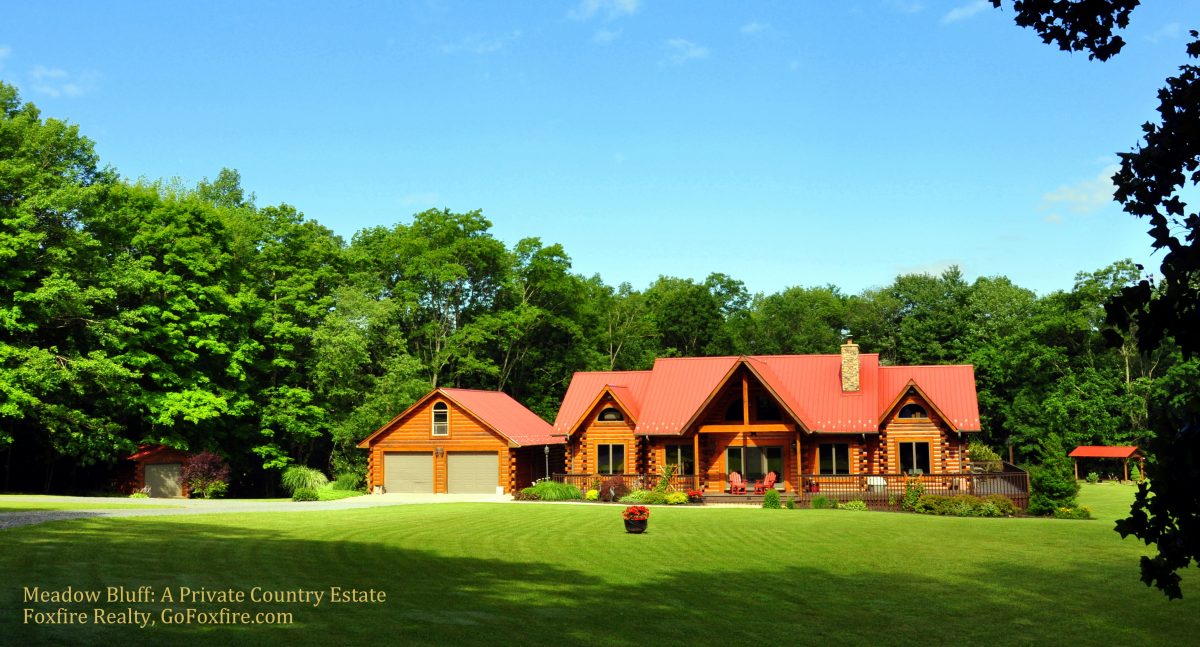
Since 2020, the remote work revolution has dramatically changed the state’s real estate market, according to David Sibray, a real estate agent with Foxfire Realty and publisher of West Virginia Explorer. “Rural benefits and proximity to major cities have changed the market in West Virginia in a manner real estate brokers haven’t witnessed in more than a century,” Sibray said.
Kanawha Valley
Including farms, hunting properties, and homes for sale in urban and suburban neighborhoods in and near Charleston, Saint Albans, Winfield, and Buffalo. Find out more about: Kanawha Valley Real Estate
Greenbrier Valley
Including farms, hunting and mountain properties, and homes for sale in suburban and historic neighborhoods in and near Union, Lewisburg, Alderson, and Hillsboro. Find out more about: Greenbrier Valley Real Estate
New River Gorge
Including farms, hunting properties, vacation properties, mountain properties, and homes for sale in and near Beckley, Shady Spring, Flat Top, and Fayetteville. Find out more about: New River Gorge Real Estate
Southern Coalfields
Including hunting properties, recreational properties, and homes for sale in historic neighborhoods in and near Welch, Logan, Pineville, and Williamson. Find out more about: Southern Coalfields Real Estate
Allegheny Highlands
Including farms, hunting properties, recreational properties, and homes for sale in historic neighborhoods in and near Elkins, Davis, Marlinton, Snowshoe, Thomas, and Seneca Rocks. Find out more about: Allegheny Highlands Real Estate
Ohio Valley
Including farms and hunting properties and urban and suburban homes for sale in and near Huntington, Point Pleasant, Ripley, Ravenswood, Parkersburg, and Saint Marys. Find out more about: Ohio Valley Real Estate
Potomac Branches
Including farms, hunting properties, and homes for sale in suburban and historic neighborhoods in and near Romney, Petersburg, Moorefield, and Keyser. Find out more about: Potomac Branches Real Estate
Northern Panhandle
Including farms and hunting properties and urban and suburban homes for sale in and near Wheeling, Weirton, New Martinsville, Moundsville, and New Cumberland. Find out more about: Northern Panhandle Real Estate
Monongahela Valley
Including farms, hunting properties, recreational properties, and urban and suburban homes for sale in and near Fairmont, Morgantown, Clarksburg, Grafton, Weston, and Kingwood. Find out more about: Monongahela Valley Real Estate
Eastern Panhandle
Including farms, resort properties, and homes for sale in suburban and historic neighborhoods in and near Charles Town, Berkeley Springs, Harpers Ferry, and Martinsburg. Find out more about: Eastern Panhandle Real Estate
West Virginia Heartland
Including farms, hunting properties, recreational properties, and historic homes in and near Glenville, Grantsville, Cairo, West Union, Elizabeth, Spencer, and Clay. Find out more about: West Virginia Heartland Real Estate
Understanding the West Virginia real estate market
West Virginia’s real estate market varies considerably from one region to another, giving buyers choices that range from city and suburban homes to country houses, historic properties, farms, mountain retreats, and large tracts of recreational land.

Housing remains comparatively affordable. The U.S. Census Bureau estimates the median value of owner-occupied housing in West Virginia at $162,600 for 2020–2024, while more recent market data reflect higher prices among homes being sold today. In August 2026, the statewide median sale price was approximately $256,000, according to Redfin.
Prices and property types can differ sharply by location. The Eastern Panhandle, within commuting and weekend-travel distance of the Washington metropolitan area, includes some of the state’s more active residential markets. Morgantown and the Monongahela Valley offer a different market shaped partly by West Virginia University, healthcare, and other regional employment.
Elsewhere, buyers can find country houses and acreage properties in rural valleys, farming communities, and mountain regions. Farms and larger tracts are found throughout the state, while forested properties may appeal to buyers interested in hunting, recreation, timberland, or greater privacy.
West Virginia also has established markets for vacation homes and recreational real estate. Communities near the New River Gorge, Canaan Valley, Snowshoe, and other mountain destinations attract buyers seeking cabins, second homes, vacation properties, and access to outdoor recreation. Historic communities including Lewisburg, Shepherdstown, Thomas, and Bramwell offer another distinctive market segment, with older homes and neighborhoods shaped by the state’s architectural heritage.
These market differences make location especially important when searching for property in West Virginia. A home in the Washington-oriented Eastern Panhandle can serve a very different purpose from a farm in the Greenbrier Valley, a mountain property near the New River Gorge, or a country house in one of the state’s less-populated interior counties.
For buyers comparing real estate across West Virginia, the regional guides above provide a starting point for understanding the communities, landscapes, property types, and housing markets found in different parts of the state.