
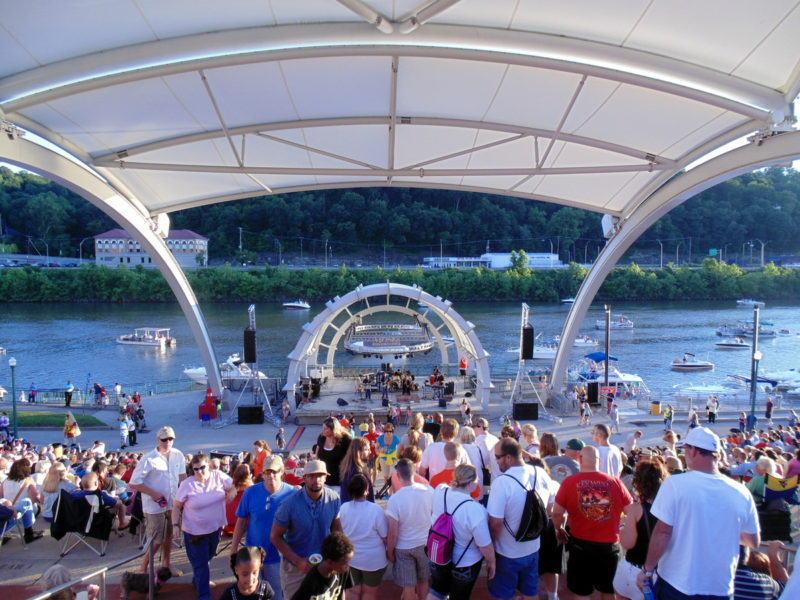
Theaters and performance venues in West Virginia include a wide range of facilities dedicated to music, theater, dance, film exhibition, live entertainment, and community events. From historic downtown playhouses and early motion-picture houses to modern performing arts centers, outdoor amphitheaters, concert venues, and drive-in theaters, these facilities have played an important role in the state’s cultural, social, and economic development. The diversity of West Virginia theaters reflects the state’s urban centers, small towns, tourism destinations, and longstanding traditions of music and performance.

History
The development of theaters in West Virginia followed national entertainment trends during the late nineteenth and early twentieth centuries. Opera houses, community auditoriums, and vaudeville stages appeared in many towns as centers for public gatherings, political speeches, traveling productions, and musical performances. The arrival of motion pictures in the early twentieth century led to the construction of numerous movie theaters in West Virginia, many of which became architectural landmarks and social hubs.
By the mid-twentieth century, television, suburbanization, and changing entertainment habits contributed to the decline of many traditional theaters. Nevertheless, many facilities have survived through restoration efforts, adaptive reuse projects, and community preservation campaigns. Interest in historic preservation has helped sustain many historic theaters in West Virginia, particularly those valued for their architectural significance and role in local history.
Historic Theaters in West Virginia
Historic theaters in West Virginia are among the state’s most recognizable cultural landmarks. Many were built during the golden age of theater and cinema, from the 1910s to the 1940s. These venues often feature decorative architectural styles such as Art Deco, Beaux-Arts, Classical Revival, and Spanish Colonial Revival.
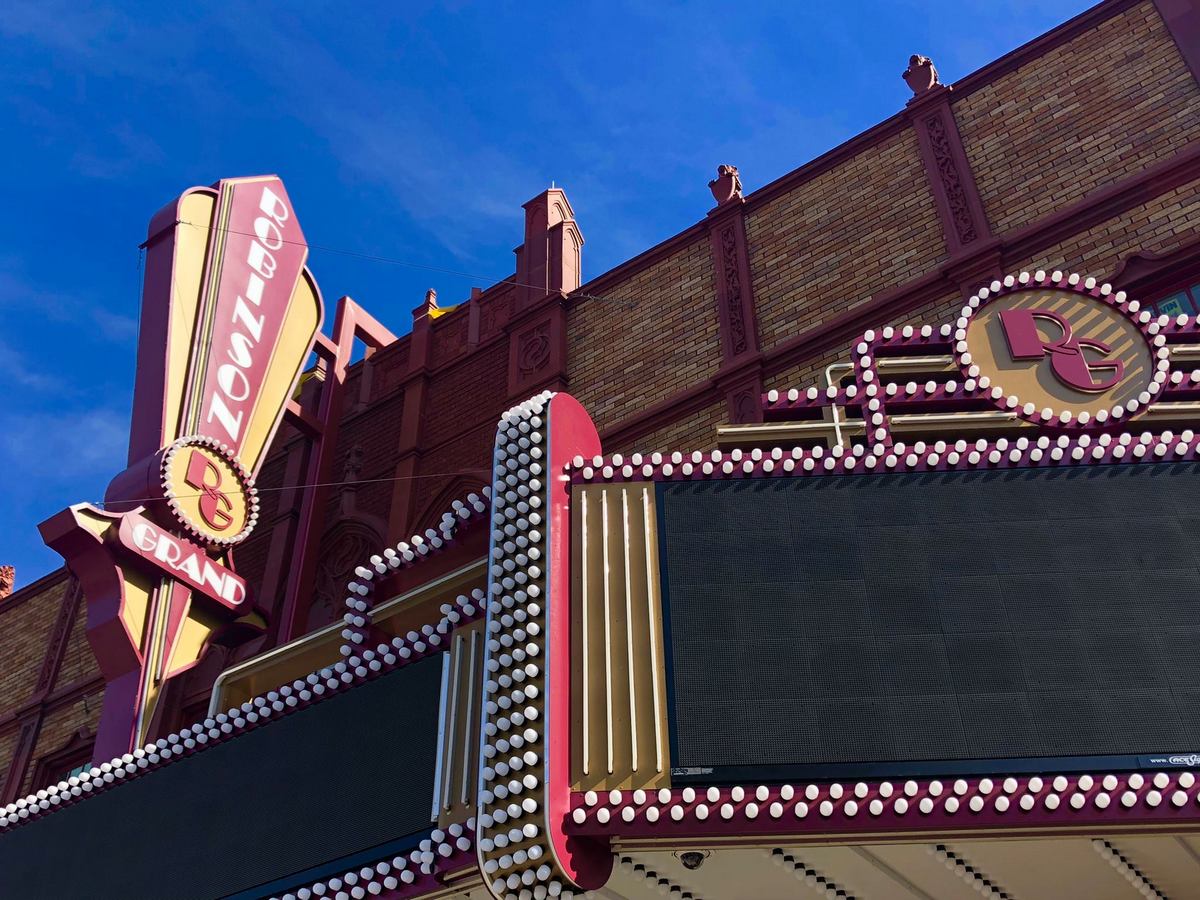
Historic theaters have served as gathering places for generations of residents, hosting live performances, films, civic events, and community celebrations. Preservation organizations, municipalities, and nonprofit groups have frequently partnered to restore aging structures and return them to active use. These efforts have contributed to downtown revitalization and heritage tourism throughout the state.
The Preservation Alliance of West Virginia, in cooperation with the W.Va. State Historic Preservation Office, has developed the W.Va. Historic Theater Trail.
Movie Theaters in West Virginia
Movie theaters in West Virginia have evolved significantly since the introduction of silent films. Early picture houses provided residents with access to entertainment and newsreels, while larger cinemas later introduced sound films, widescreen formats, and modern projection technologies. Movie theaters played a vital role in isolated sections of the state.
Today, movie theaters continue to operate in communities throughout the state, ranging from traditional single-screen venues to modern multiplex facilities. These theaters remain important entertainment destinations, particularly in regional shopping districts and population centers. In addition to mainstream films, some venues host independent productions, classic movie screenings, educational programs, and community events.
Drive-In Theaters in West Virginia
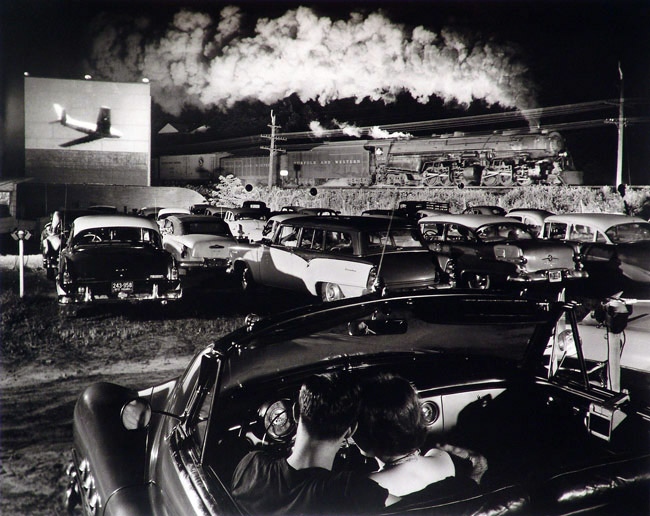
Drive-in theaters in West Virginia emerged during the automobile boom of the mid-twentieth century and became popular family entertainment destinations. Patrons could watch films from their vehicles while enjoying outdoor recreation and social gatherings.
Although thousands of drive-ins operated across the United States during their peak years, the number declined sharply after the 1970s. West Virginia retained several drive-in theaters, making the state part of a shrinking national tradition. Interest in nostalgia, family-oriented recreation, and outdoor entertainment has helped preserve drive-in theaters as distinctive attractions that continue to draw visitors from surrounding regions. Find out more about drive-in theaters in West Virginia.
Performing Arts Centers in West Virginia
Performing arts centers in West Virginia support a broad spectrum of cultural activities, including theater, dance, music, lectures, and educational programming. Many serve as anchors for arts organizations and provide professional-quality stages, rehearsal spaces, classrooms, and event venues.
Many collaborate with schools, colleges, community groups, and touring productions. Their programming contributes to cultural enrichment while supporting local economies through tourism, hospitality, and related spending. Such centers play an important role in expanding access to the arts in both urban and rural communities.
Amphitheaters in West Virginia
Amphitheaters in West Virginia offer outdoor settings for concerts, festivals, theatrical productions, and public events. These venues range from permanent structures designed for large audiences to seasonal performance spaces located in parks, recreation areas, and tourism destinations.
Outdoor performance venues are particularly suited to West Virginia’s mountainous landscape and scenic environments. They frequently host summer concert series, community celebrations, heritage festivals, and cultural performances that attract residents and visitors alike. Many are located in the state’s higher elevations, where even in summer a jacket or sweater may be needed due to cool evening temperatures.
Concert Venues in West Virginia
Concert venues in West Virginia support a vibrant music culture that includes Appalachian traditional music, bluegrass, country, gospel, rock, folk, jazz, and contemporary genres. Concert facilities vary widely in size and purpose, from intimate listening rooms and community halls to large arenas and outdoor festival grounds.
Music performances contribute significantly to the state’s cultural identity and tourism industry. Concert venues often serve as focal points for regional festivals, seasonal events, and touring entertainment, helping connect local audiences with performers from across the nation and beyond.
Cultural and Economic Importance
Theaters and performance venues contribute to West Virginia’s economy by attracting visitors, supporting hospitality businesses, and generating employment opportunities. They also enhance quality of life by providing spaces for artistic expression, community engagement, and cultural education.
Many communities view theaters, performing arts centers, movie theaters, amphitheaters, and concert venues as essential public assets. In addition to entertainment, these facilities frequently host civic gatherings, educational programs, charitable events, and local celebrations. Their continued operation reflects the enduring importance of the performing arts and public entertainment in West Virginia.