
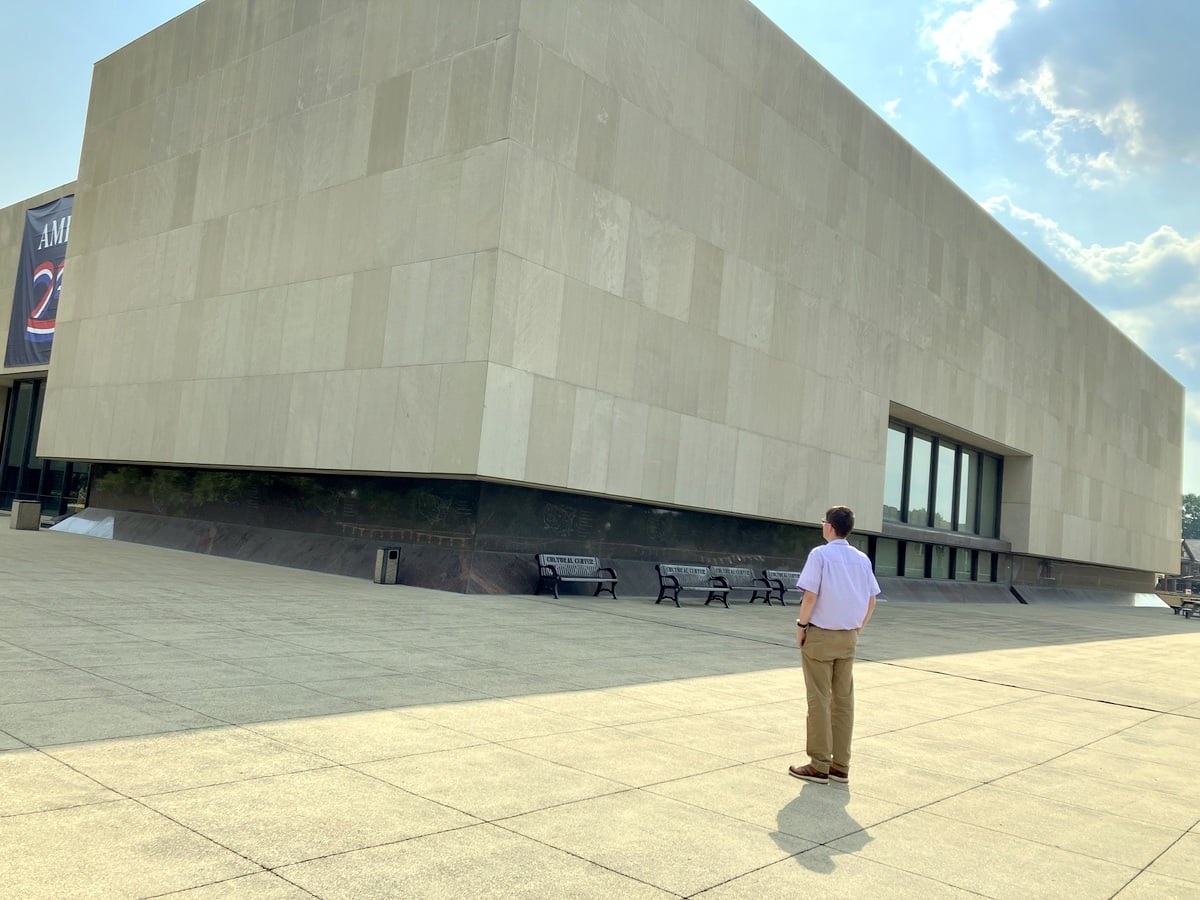
CHARLESTON, W.Va. — July marks not only the 250th anniversary of American independence but also the 50th anniversary of a modern Mountain State masterpiece—the West Virginia Culture Center.
This deceptively simple, large, gray, boxy, stone-clad building in Charleston houses some of the state’s most important cultural treasures. From museum exhibits and valuable documents to educational resources and the performing arts, it has provided significant public benefit to the state. Its 1976 opening fulfilled a need that had been decades in the making.
A vision more than 80 years in the making
Efforts to create a repository for the preservation and interpretation of West Virginia history date to the 1890s, when the West Virginia Historical and Antiquarian Society was organized to collect important documents and artifacts.
In 1905, the state legislature established the W.Va. Department of Archives and History. Led by the famed state historian Virgil A. Lewis, the department operated the official W.Va. State Museum and State Archives. From 1929 onward, both were housed in the new State Capitol building.
Outgrowing the Capitol
Museums and archives, by their very nature, are constantly expanding, and after four decades, the department had outgrown its space in the Capitol. By the late 1960s, the department faced a litany of problems—overcrowding, insufficient climate control, and a small, underpaid staff.
The archives had difficulty safely storing and organizing documents. The museum infamously had to turn down an offer to take the entire Headsville Post Office building, which was later displayed at the Smithsonian. Department leaders spent years pleading for more funding and space, with little success.
Arch Moore and Norman Fagan champion a new cultural landmark
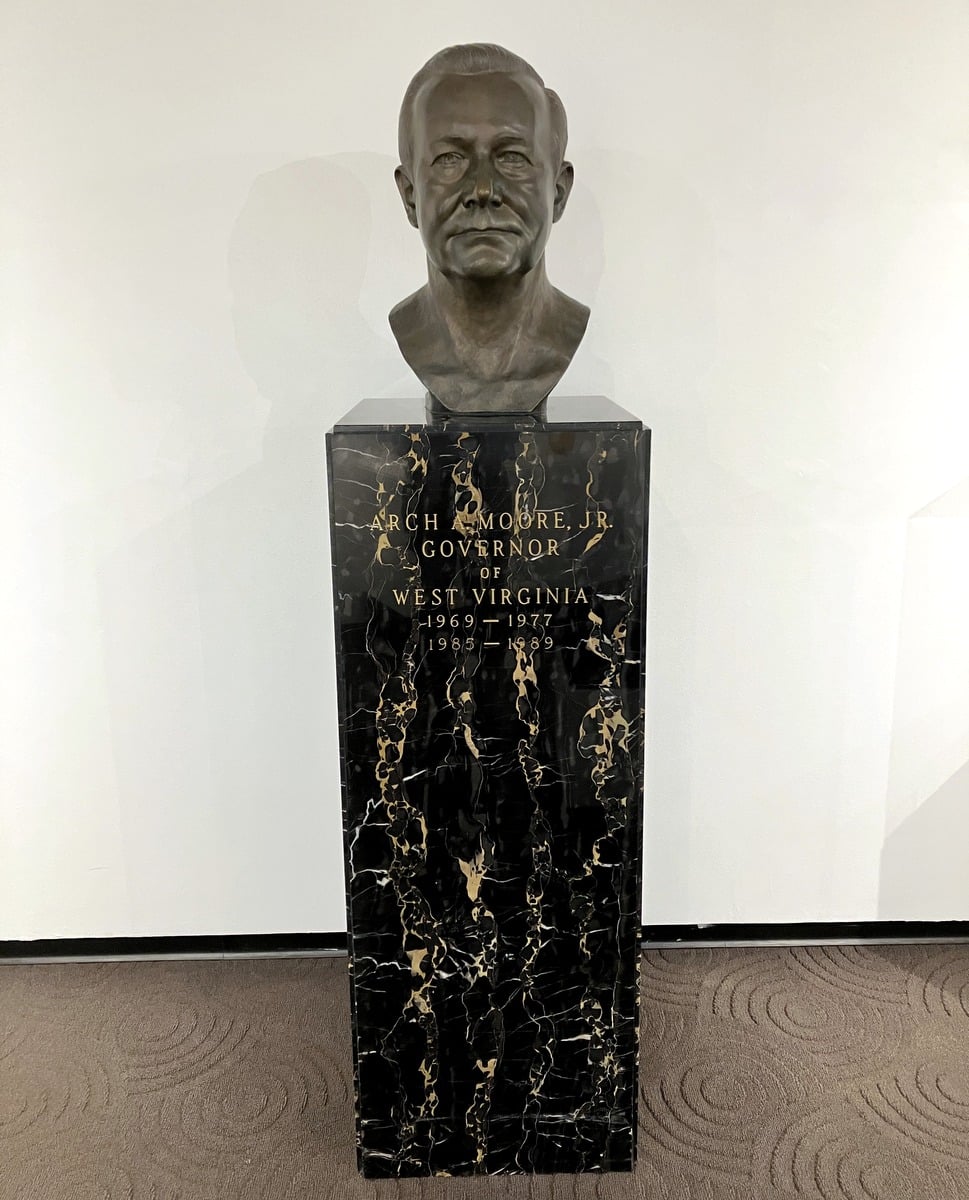
Things began to change in 1969 when Arch A. Moore, Jr., became governor. The controversial but politically savvy chief executive proved receptive to the idea of a new facility for the archives and museum. Early in his administration, Moore met with Norman L. Fagan, director of the West Virginia Arts and Humanities Council and a strong advocate for the proposal.
Fagan convinced Moore to support a new building that would not just showcase West Virginia history, but also the arts. According to Goldenseal magazine, Fagan told Moore, “The state museum is an embarrassment… You need a building that can house the museum, archives, library commission, and arts and humanities.”

The next several years were spent navigating hoops to secure funding for the construction and demolition of properties west of the Capitol to make room for the building. Moore and Fagan were inspired by the recent openings of the Ohio History Center in Columbus in 1970 and the Kennedy Center in Washington, D.C., in 1971. Each featured bold, modern designs and served as a state-sponsored venue for cultural enrichment. Moore and Fagan sought a similar resource for West Virginia.
Designing a modern home for West Virginia history
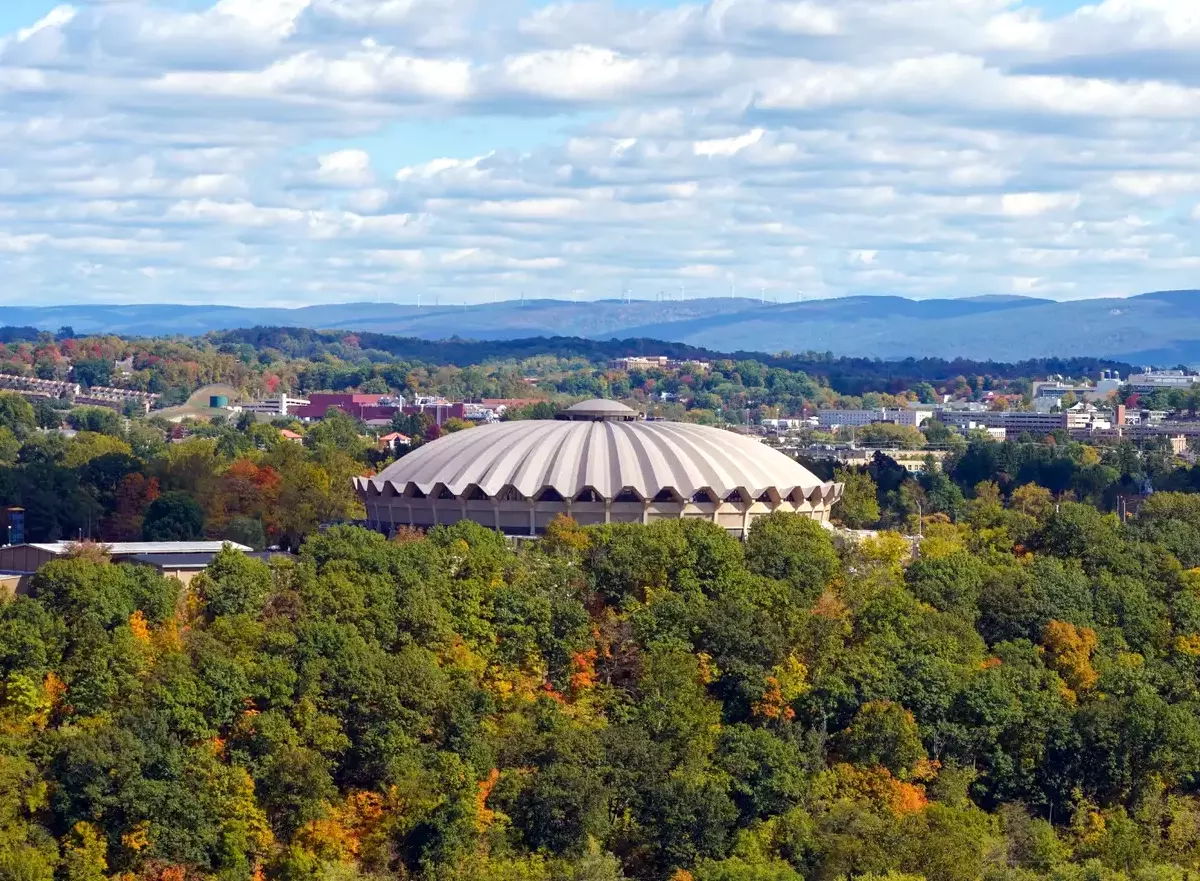
The Charleston firm of C. E. Silling and Associates was contracted to design the proposed center. Led by Cyrus “Cy” Silling and including other prominent architects such as Howard Johe, the company had produced a string of acclaimed modernist buildings. Some of their most prominent works included the West Virginia University Coliseum in Morgantown and the National Bank of Commerce in Charleston. Silling designed the new center in the Brutalist style.
Popular with governments and major institutions in the 1950s-1970s, Brutalism was an innovative if not polarizing style. It emphasized large, blocky shapes, clean lines, the visual display of structural elements, and heavy use of raw materials such as concrete on the exterior.
Perhaps not wanting something too visually extreme, Moore specifically required that the center’s design not overwhelm the adjacent Capitol building. As a result, Silling designed the new building to be lower to the ground, with a plain exterior and Indiana limestone cladding—the same material used on the Capitol.
“Archie’s Bunker” takes shape
Throughout the entire process, Governor Moore was heavily involved in the center’s development. He frequently visited the construction site, hand-picked marble used for the interior, and gave detailed tours of the facility to journalists. The press even took to calling the building “Archie’s Bunker.”
Moore was so closely associated with the center that his supporters later paid to install a large bronze bust of the governor on the second-floor balcony. Moore biographer Brad Crouser alleged that the bust’s pedestal was bolted to the floor so that future administrations could not remove it without inflicting expensive damage.
A bicentennial debut
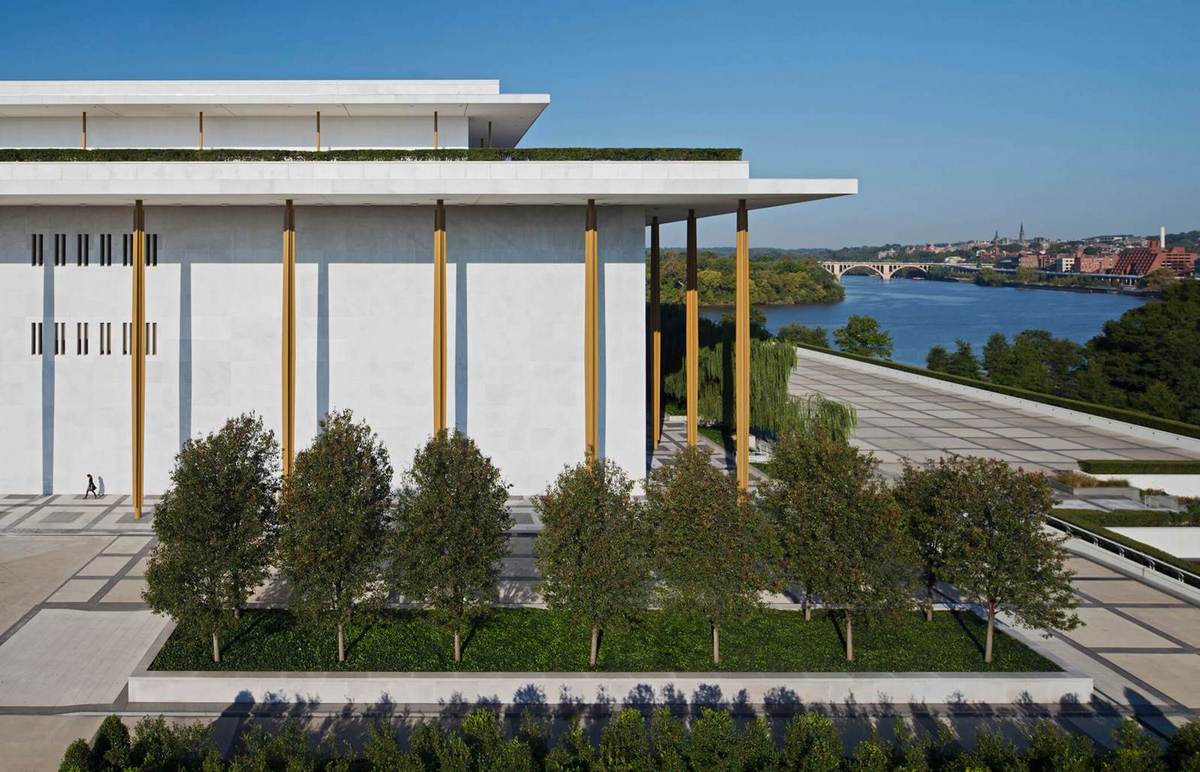
After three years of construction, the West Virginia Culture Center was finally finished by July 1976, helpfully coinciding with the American Bicentennial. In addition to a revamped state museum and spacious state archives, the building also housed the new West Virginia State Theater, the state library commission, a gift shop, and offices for the W.Va. Arts and Humanities Council, the W.Va. State Historic Preservation Office, and Goldenseal Magazine.
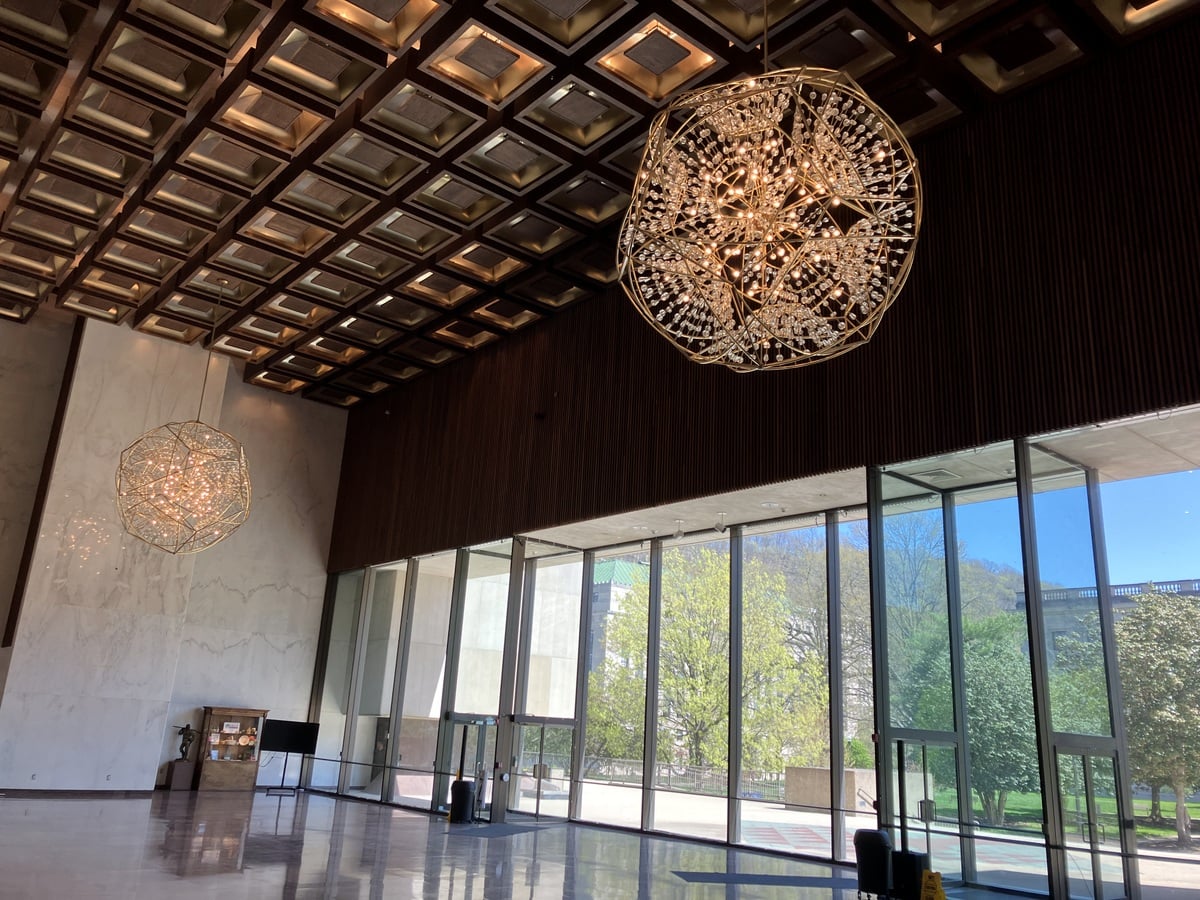
The centerpiece of the building was its great hall, a cavernous front lobby and event space with a forty-foot ceiling and an overlooking balcony. More classically ornate than the modern exterior, the hall was adorned with a red marble-tiled floor, white marble and oak-plank walls, and a gold-and-brown coffered ceiling. Dangling from this ceiling were two giant brass and crystal dodecahedron chandeliers. They were developed by artist Willy Malarcher, who was more well-known as an interior designer for Catholic churches.
Opening day draws 35,000 visitors
The center opened to much pomp and circumstance on July 11. Up to 35,000 visitors crowded inside to tour the museum and other new public amenities. They were also treated to refreshments, craft demonstrations, and twelve hours of live entertainment.
In his remarks during the official dedication ceremony, Gov. Moore memorably declared, “I’m proud to be a West Virginian,” triggering a standing ovation.
Norman Fagan, who had been appointed the center’s first director, boasted in a public statement that “We’re going to bury that syndrome once and for all that we are poor Appalachians with nothing to be proud of.”
Early success and lasting influence
While some observers criticized the building’s Brutalist design and the fact that construction ran several million dollars over budget, the center generally received widespread acclaim.
“There was much to see and admire in the modernistic structure,” wrote the Charleston Gazette, adding that “The enormity and splendor of the center bear little resemblance to the cramped museum in the Capitol basement.”
The museum and archives each rapidly expanded their collections thanks to the larger accommodations. Grant funding from the American Revolution Bicentennial Administration enabled the center to host a steady series of concerts and art exhibits during its first year of operation, drawing more than 30,000 visitors monthly. By its fifth anniversary, it was reported that a million and a half people had passed through the culture center’s doors.
In 1977, the state legislature combined the W.Va. Department of Archives and History with other agencies housed within the culture center to create the W.Va. Department of Culture and History. Later, this evolved into the W.Va. Department of Arts, Culture, and History, and in 2025, it was consolidated into the W.Va. Department of Tourism, which now operates the culture center.
Investing in the next 50 years
Earlier this year, the state authorized up to $150 million in revenue bonds to address years of deferred maintenance at the center.
The funds will cover essential renovation needs such as roof, window, and utility replacements, as well as cosmetic repairs, and will position it to remain a safe, useful asset to the state for generations to come.
A living part of West Virginia history
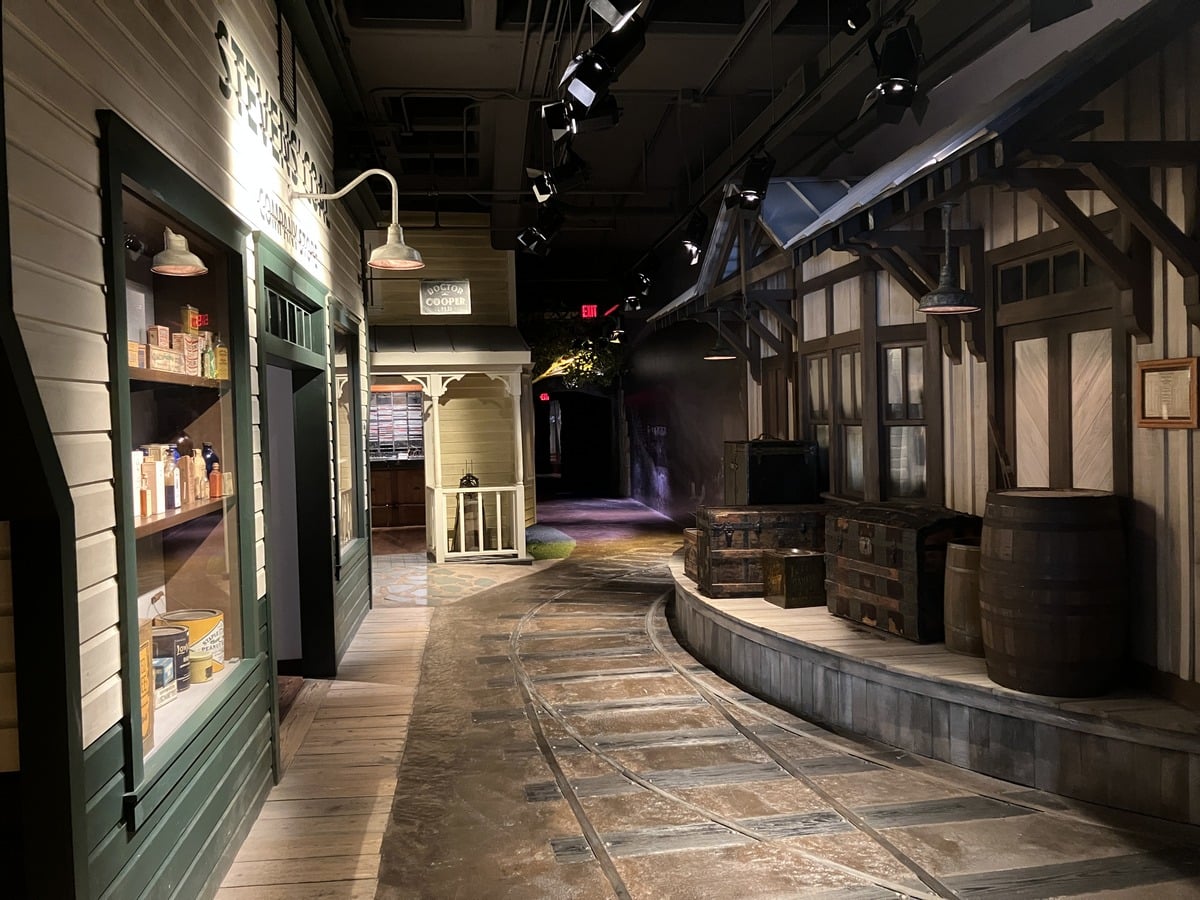
In its first half-century, the West Virginia Culture Center has left a strong legacy on the state’s cultural landscape. Thousands of researchers have utilized the state archives, while countless class field trips, tourists, and native mountaineers have explored the state museum.
Agencies such as the arts office and the W.Va. State Historic Preservation Office have distributed millions of dollars in grant funding for beneficial projects across the state. The center has also hosted state traditions such as the Mountain State radio show, Poetry Out Loud competitions, Golden Horseshoe ceremonies, and the annual Vandalia Gathering festival.
This venue, designed to share West Virginia’s history and culture, has now become a part of that history and culture itself.
Thanks, Cody, for a great article. All if this happened shortly before I got to WV so it puts things in perspective.
Very nice article. I enjoyed reading it.
Lovely story. My significant other is John D. Morris who together with his brother David were The Morris Brothers, the grand finale act for the Center’s opening. They appear in numerous issues of GOLDENSEAL. Arch Moore’s revolutionary idea that the culture and history of West Virginia should be celebrated, not hidden, has lived on in the various folk festivals throughout the state and Vandalia, which Norman Fagan developed from the Morris Family Old Time Music Festivals. Indeed, David Morris named the new festival “Vandalia”. There is a Vandalia award given each year, but there should, perhaps, be the Arch Moore award for institutions, citizens and government figures who go the extra mile to save West Virginia Culture and History.