
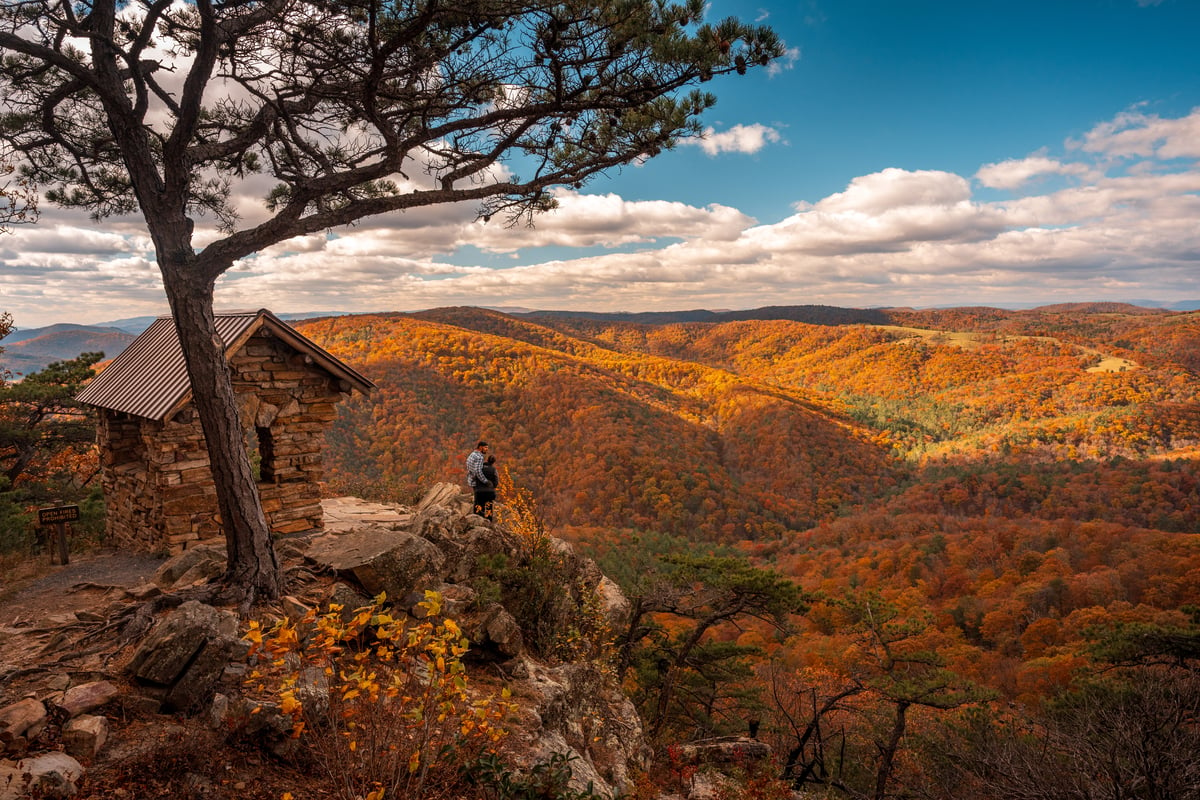
MORGANTOWN, W.Va. — Trying to predict the brilliance of West Virginia’s fall foliage weeks in advance may be harder than it looks, according to a forest scientist who says even seemingly unfavorable summers can produce spectacular autumn color.

Drought, heat, rainfall, and the condition of leaves entering autumn all matter. So do sunny days, cool nights, storms, and freezes as colors develop. But none of those factors alone determines what West Virginia’s forests will look like at their peak.
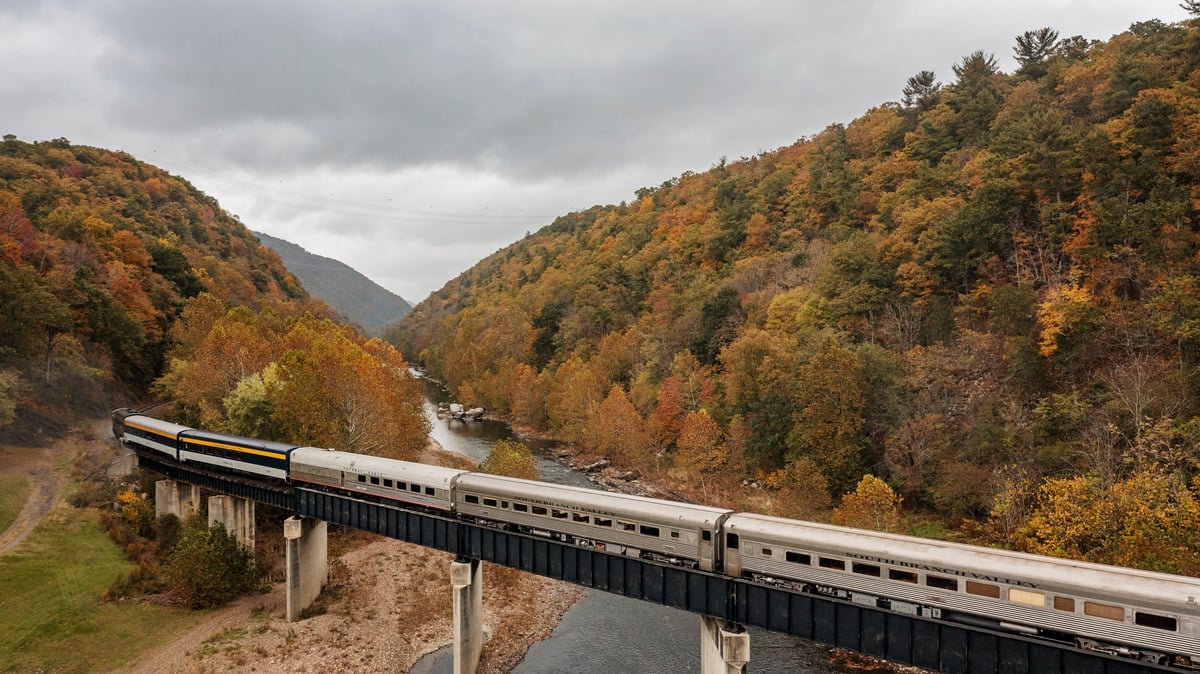
“We understand many of the factors that influence fall color, yet there are no hard-and-fast rules for predicting its intensity and extent across West Virginia,” said David W. McGill, a West Virginia University Extension professor and forest resources specialist.
McGill said he has seen years when drought or other weather extremes seemed likely to diminish the display, only for autumn to produce brilliant color. “There might be fewer reds and oranges in some years, but there always seems to be brilliance somewhere in our forests,” he said.
That unpredictability partly stems from West Virginia’s terrain. Rainfall, soil moisture, elevation, slope, and tree species can vary substantially over relatively short distances, meaning conditions that stress trees in one forest may have little effect on another.
Summer weather doesn’t tell the whole story
West Virginia experienced considerable warmth during the 2026 growing season, along with episodes of intense rainfall and severe weather, McGill said. But statewide rainfall totals don’t necessarily reflect what individual trees experienced.
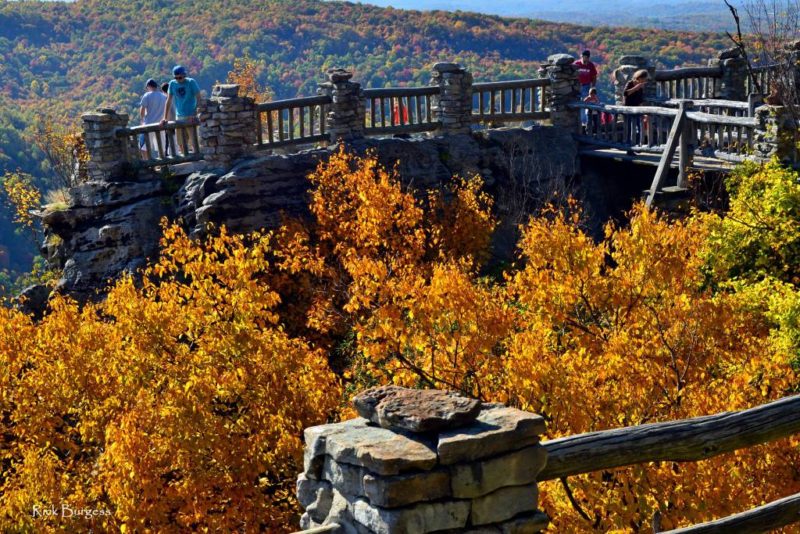
A heavy thunderstorm can deliver ample moisture to one watershed while leaving another comparatively dry. Trees in shallow, rocky soil may suffer moisture stress even as nearby trees have access to deeper, wetter soil. Heavy rain doesn’t necessarily undo damage from an earlier drought.
“Trees respond to conditions where they’re growing, and those conditions can vary tremendously across West Virginia,” McGill said.
Nevertheless, the condition of leaves entering autumn matters. Trees that maintained healthy foliage through the growing season can produce a good display, while severe drought, insect damage, or premature leaf loss can reduce it.
McGill said reports of dying oaks have come particularly from the Eastern Panhandle, with scattered reports elsewhere in West Virginia. Oak decline can involve stresses accumulated over several years, and drought damage can remain evident even after rainfall returns. For that reason, he cautioned against using stressed trees in one location to predict the foliage display across an entire region.
Why sunny days and cool nights matter
The familiar explanation that cold weather causes leaves to change color misses much of what happens inside a leaf.
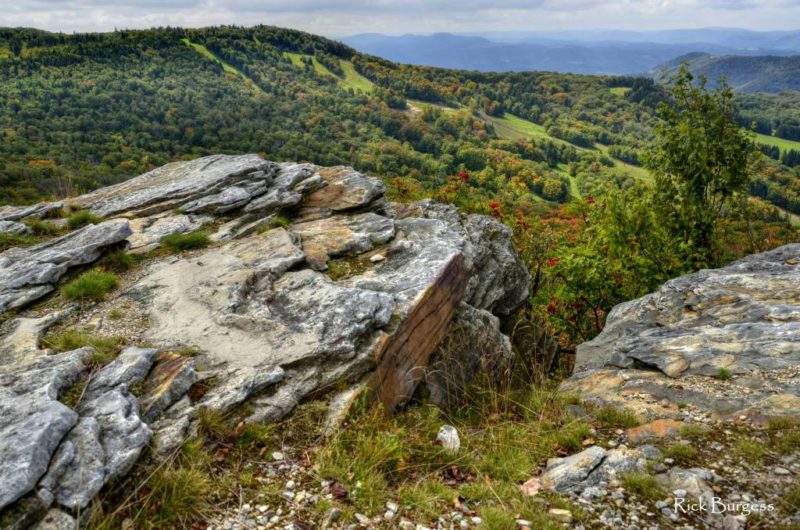
As days shorten, trees begin preparing for winter. Chlorophyll, the green pigment essential to photosynthesis, breaks down. As the green fades, yellow and orange pigments that were present in the leaf during summer become visible.
Many red colors develop differently. Trees, including maples, can produce pigments known as anthocyanins during autumn, and weather can influence how strongly those colors develop.
Sunny days let functioning leaves keep producing sugars, while cool, nonfreezing nights can slow the processes that use and transport those sugars. Under favorable conditions, sugar accumulation in the leaves can encourage red pigment production.
That is why sunny days followed by cool nights can favor brilliant reds. A hard freeze is another matter because it can damage leaf tissue and interrupt the color-development process.
Drought can help or hurt
The relationship between drought and fall color is similarly complicated, McGill said.
Moderate stress can sometimes be linked to stronger red coloration in certain species. Prolonged or severe drought, however, can interfere with photosynthesis, damage leaves, and cause them to turn brown or drop before reaching their peak color.
No simple threshold separates beneficial stress from damaging drought. Tree species, soil depth, rooting conditions, and the timing and duration of dry weather all matter, which is why a dry ridge and a moist Appalachian cove can produce very different displays during the same autumn.
Fall color generally moves down the mountains
Elevation is one of the more reliable guides to the progression of West Virginia’s fall foliage.
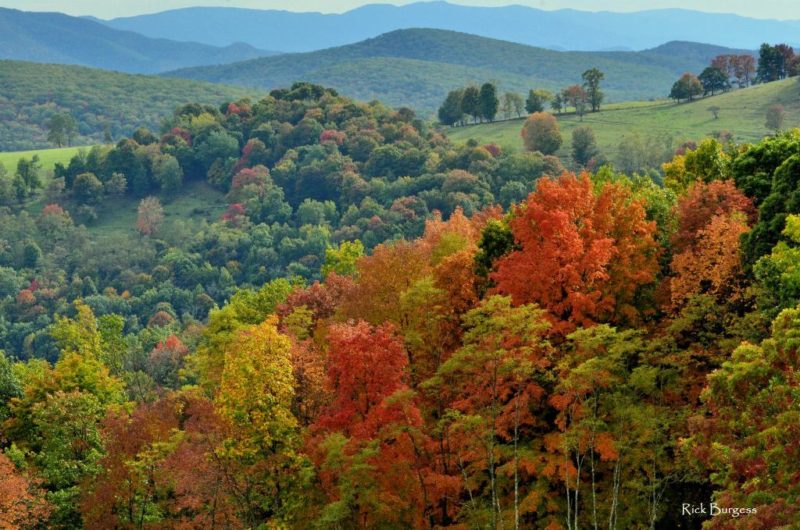
Higher elevations generally experience cooler temperatures and often begin changing earlier, McGill said. Broadly speaking, color then progresses toward lower elevations over several weeks, though different tree species follow different schedules. For example, a black gum or red maple at a lower elevation may begin turning before trees farther up a nearby mountain.
Elevation also shapes the forest’s composition. Cooler mountain environments support northern hardwood communities that include beech, birch, and maple. Oak-hickory forests are widespread at lower elevations, while red spruce becomes an important part of the landscape at some of West Virginia’s highest elevations.
Those forests produce different palettes and don’t merely change at different times, McGill said.
“Different forest communities have different palettes rather than simply better or worse color,” he said.
Northern hardwoods can provide yellows, golds, oranges and reds. Oak forests often change later, contributing rust, maroon, bronze, deep red, and brown, while evergreen spruce can provide a dark-green background against which hardwood colors stand out.
Some of the brightest leaves aren’t in the canopy
Maples and oaks may attract most of the attention, but McGill said some of West Virginia’s most brilliant autumn colors come from plants visitors might overlook.
Black gum is known for early reds. Yellow-poplar, birches, and hickories contribute yellows and golds, while sassafras can display several colors. Sumacs can produce intense reds and oranges, and Virginia creeper can turn deep maroon or bright red.
Even poison ivy can become surprisingly colorful. Its foliage can develop peach, orange, and deep-red shades and may climb trees or grow along fences. However, it can still cause a rash in autumn and after its leaves fall, so enjoy it without touching it.
“Sometimes the most brilliant colors aren’t overhead in the forest canopy,” McGill said. “They’re growing along a fence, climbing a tree, or right beside the trail.”
Why neighboring mountains can look different
Elevation is only one factor that determines what visitors see. The direction a slope faces affects sunlight and moisture, with a north-facing mountainside generally cooler and moister than a south-facing one. An exposed ridge also experiences different conditions than a sheltered cove.
Soils, available moisture, and the species growing on a particular slope add still more variation. Two neighboring mountains can therefore reach peak color at different times or display noticeably different color combinations.
West Virginia’s rugged terrain can also put several stages of the season within a single view.
“Neighboring Appalachian states share many of these features, but West Virginia’s extensive forest cover and steep terrain can put several forest communities and stages of color into one view,” McGill said.
What can spoil fall color at the last minute?
Even healthy leaves and favorable autumn weather don’t guarantee that colorful foliage will stay on the trees long enough for people to see it.
Wind is often the most obvious threat. A strong storm can strip leaves just as they’re approaching peak color, while an early hard freeze can damage leaf tissue before colors have fully developed.
Weather around peak color also matters. Sunny days and cool, nonfreezing nights generally favor the development of red pigments, while extended cloudy weather and warm nights may mean fewer brilliant reds.
That is one reason McGill remains cautious about forecasting foliage quality too far in advance.

What to watch as autumn develops
For those trying to judge the season for themselves, a full, healthy canopy entering autumn is encouraging because the trees still have leaves that can develop and retain color. Curled or brown leaves and premature leaf drop may signal stress rather than normal seasonal change.
A few early red maples or black gums shouldn’t be taken as a forecast for the entire state. Conditions can still change substantially before the broader forest reaches peak color.
Fall color is part of how deciduous trees prepare for winter. Chlorophyll breaks down, nutrients are recovered from leaves, yellow and orange pigments become visible, and some trees produce new red pigments. Eventually, a specialized layer of cells develops where the leaf stalk joins the twig, allowing the leaf to detach while a protective layer forms behind it.
The best displays require healthy foliage, favorable conditions for color development, and enough calm weather to keep leaves on the trees. That combination is difficult to forecast across a mountainous state where conditions can change from one ridge to the next.
“Regardless of whether a season is called spectacular, if you get out into the woods in the fall, you will undoubtedly find beauty somewhere,” McGill said.
Travelers can follow the state’s current fall foliage forecast and trip-planning information through the W.Va. Department of Tourism.