
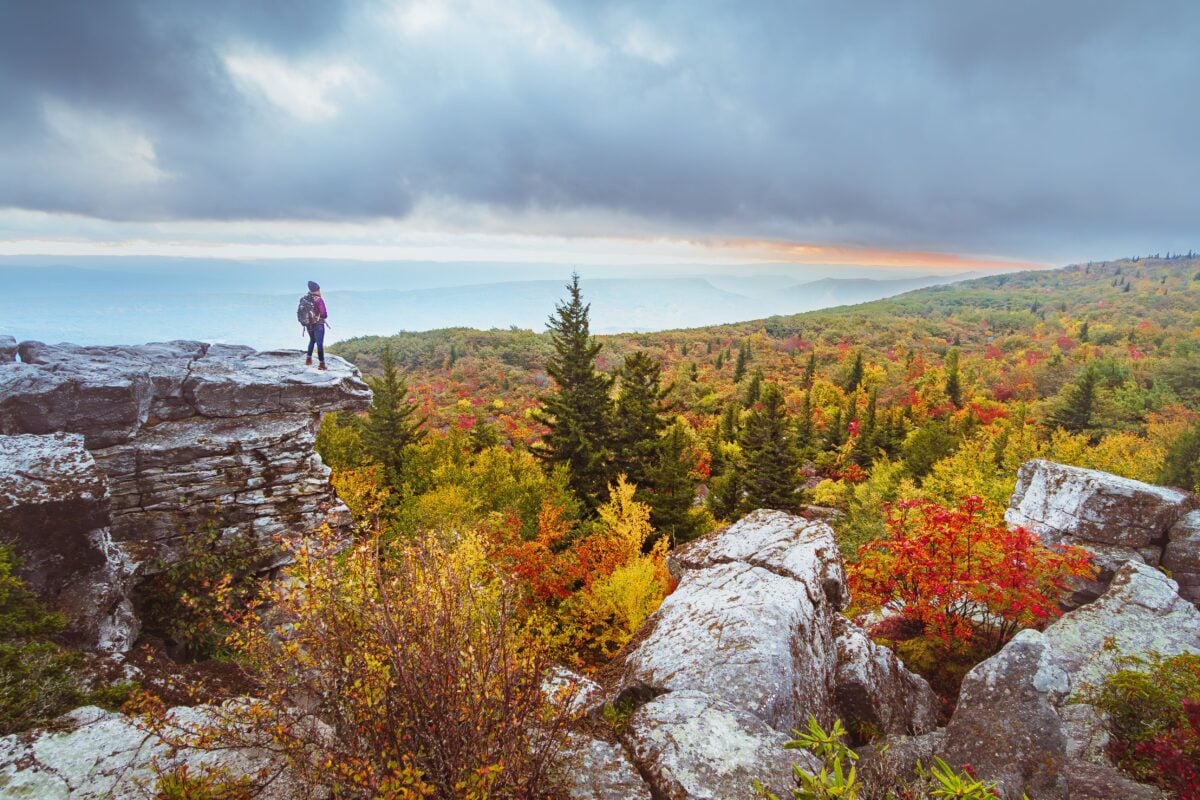
CHARLESTON, W.Va. — The first fall colors of 2026 are beginning to appear in West Virginia’s mountains, with the earliest changes being witnessed in some of the state’s highest-elevation destinations.
The W.Va. Department of Tourism reports that early color is emerging in Tucker and Pocahontas counties, where cooler mountain conditions typically give visitors some of their first opportunities to see autumn foliage in the state.
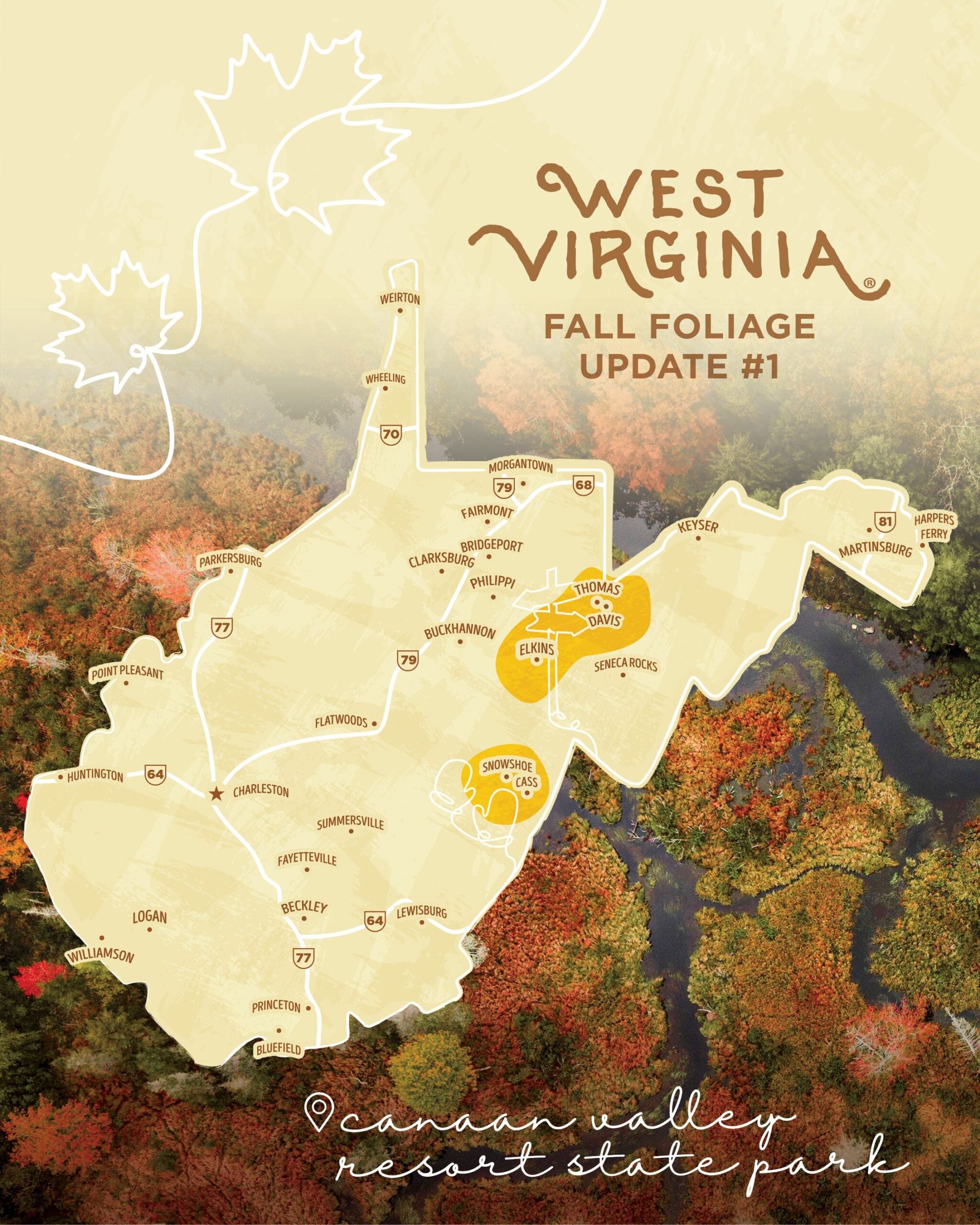
Destinations showing early signs of the season include Spruce Knob, Canaan Valley Resort State Park, Blackwater Falls State Park, Dolly Sods Wilderness, and Snowshoe Mountain Resort.
The development marks the beginning of a foliage season that will gradually spread from the higher mountains into lower elevations and valleys as temperatures cool and October advances.
Why fall color appears here first
Elevation helps explain why Tucker and Pocahontas counties are among the first areas to change.
Some of West Virginia’s highest terrain is concentrated in the Allegheny Mountains of the eastern part of the state. Spruce Knob, the state’s highest point, rises to 4,863 feet, while extensive areas around Dolly Sods, Canaan Valley, and Snowshoe stand thousands of feet above the state’s western valleys.
Cooler temperatures at those elevations can accelerate the seasonal changes already being triggered by shorter days. As chlorophyll production declines, the green color in leaves fades, and other pigments become visible, producing the yellows, oranges, and reds associated with autumn.
That also means travelers shouldn’t expect peak color across West Virginia simply because foliage has begun appearing in the mountains. Conditions can vary substantially with elevation, location, weather, and tree species.
Where to look for early West Virginia fall color
Tucker County offers several of the state’s best-known high-elevation foliage destinations. Blackwater Falls State Park combines changing hardwood forests with overlooks into Blackwater Canyon, while nearby Canaan Valley occupies one of the highest large valleys in the eastern United States.
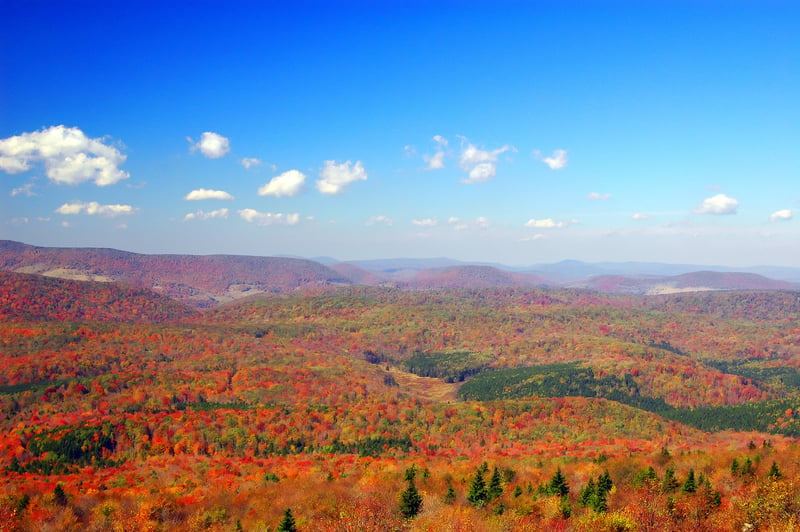
Dolly Sods Wilderness, farther east, rises above 4,000 feet in places and is known for an unusually windswept landscape of heath barrens, rocky overlooks, and high-elevation forest.
In Pocahontas County, travelers can climb to the observation tower atop Spruce Knob or visit Snowshoe Mountain, where the resort village sits at roughly 4,800 feet.
The state is encouraging travelers to combine foliage trips with other fall attractions. Droop Mountain Battlefield State Park in Pocahontas County, for example, is among the stops on the state’s West Virginia Paranormal Trail, which combines historic sites and longstanding ghost stories and legends.
Several mountain destinations also feature the state’s “Almost Heaven” swings, including Snowshoe Mountain, Canaan Valley Resort State Park, Blackwater Falls State Park and Camp Pioneer.
Tourism Secretary Kayla Kessinger said the state hopes the changing leaves will encourage both residents and out-of-state travelers to explore West Virginia this fall.
“We are so excited to welcome visitors to West Virginia this fall to discover the beauty that is Almost Heaven,” Kessinger said. “Our state has so much to offer, and we encourage locals and visitors alike to escape the noise and relax somewhere in West Virginia.”

West Virginia foliage will continue moving south and downhill
The first color in the high mountains is only the beginning of West Virginia’s fall foliage season.
Because the state varies dramatically in elevation, autumn color does not arrive everywhere at once. Higher and cooler locations generally change earlier, while lower valleys can remain green after mountain forests have developed substantial color.
That progression can extend the state’s foliage-viewing season across several weeks, giving travelers opportunities to follow autumn from the Allegheny highlands into lower portions of West Virginia.
The Department of Tourism plans to issue weekly foliage updates during the season and is asking residents and visitors to share photographs using the #AlmostHeaven hashtag and by tagging West Virginia Tourism on social media.
Travelers can also follow the state’s fall foliage updates and trip-planning information at the West Virginia Department of Tourism’s fall travel website.