
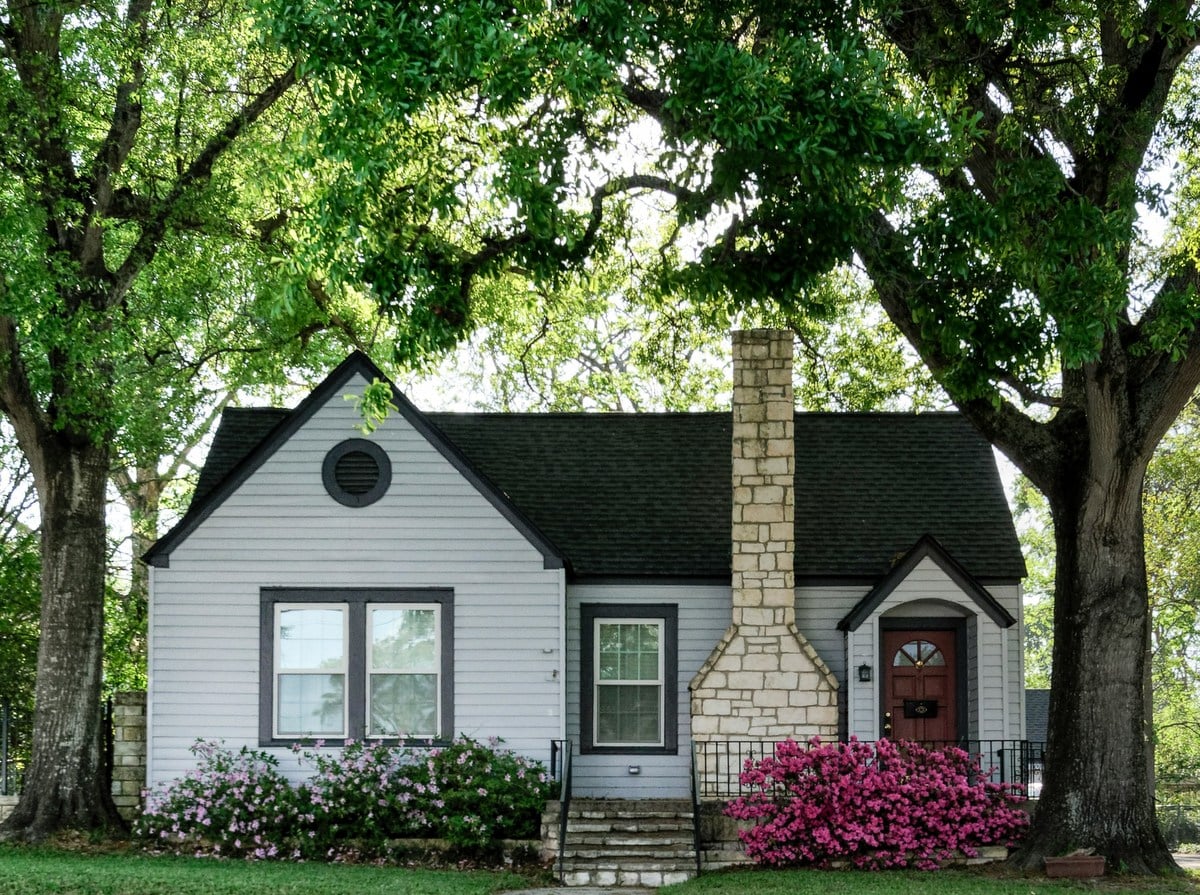
MORGANTOWN, W.Va. — West Virginia’s wooded mountains and tree-lined neighborhoods are among the natural attractions drawing new residents, and research suggests that mature shade trees can also add thousands of dollars to home values, lower energy bills, and make neighborhoods more comfortable during summer.
But those benefits are not shared equally. A 2021 national study found that lower-income neighborhoods had an average of 15.2 percent less tree cover than wealthier neighborhoods and experienced summer land-surface temperatures approximately 2.7 degrees Fahrenheit higher.
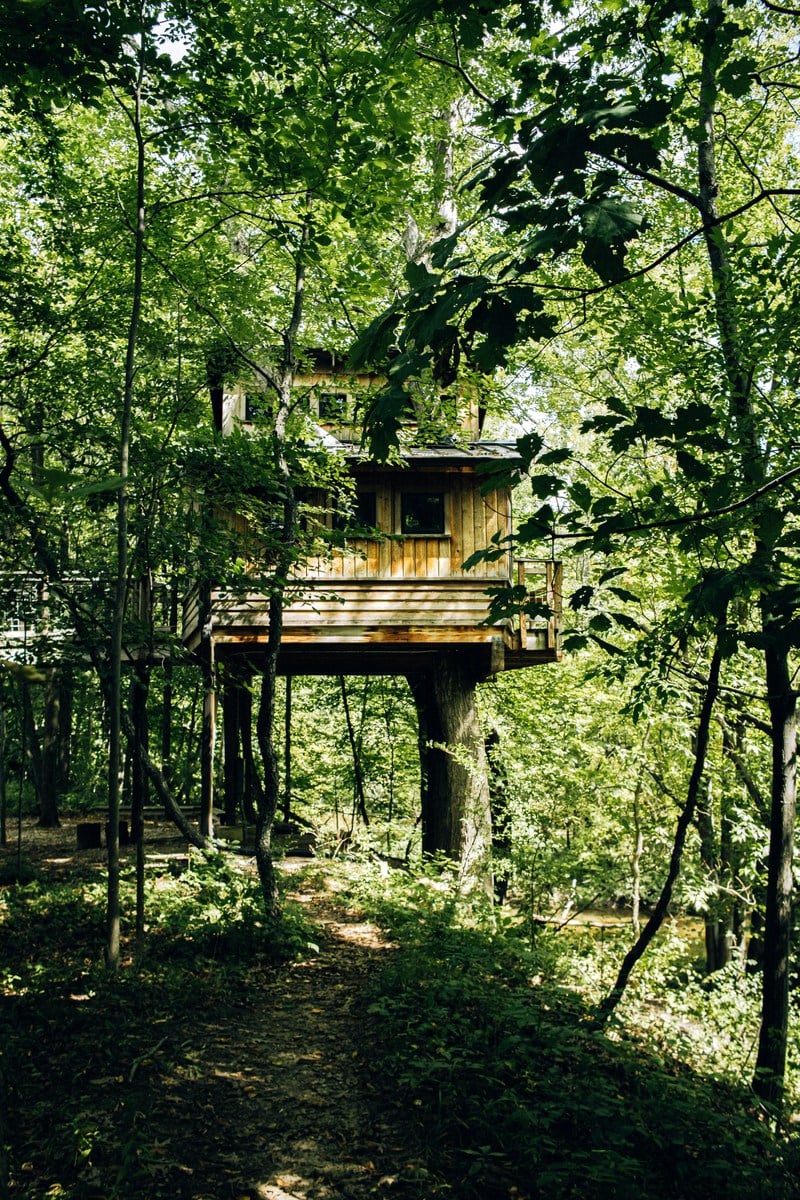
“This is a widespread, almost universal trend in U.S. cities,” Robert McDonald, a scientist with The Nature Conservancy and an author of the 2021 study.
The researchers examined 5,723 communities with a combined population of approximately 167 million people. Their findings underscore the economic value of preserving mature trees, particularly in places such as West Virginia, where natural surroundings are an important part of the appeal to homebuyers and remote workers.
How much do shade trees increase property values?
U.S. Forest Service research has found that residential trees can measurably increase home prices.
In Portland, Oregon, researchers found that street trees growing in front of or near houses added an average of $8,870 to their sale prices. Those properties also spent approximately 1.7 fewer days on the market, according to findings published in 2010 by the Forest Service’s Pacific Northwest Research Station.
A tree growing along a public right-of-way added an average of $12,828 to the combined value of houses within 100 feet. Although those figures reflect Portland’s housing market during the period studied, they demonstrate the financial value buyers can place on residential tree cover.
“In Portland, the benefits of street trees significantly outweigh their maintenance costs,” researchers Geoffrey Donovan and David Butry wrote in their 2010 study published in Landscape and Urban Planning.

The financial benefits may also extend to rental properties. In a separate Portland study, Donovan and Butry found that a street tree growing in the public right-of-way was associated with an increase of approximately $21 in monthly rent. The finding suggests that trees can increase rental income for property owners, although higher rents may also raise housing costs for tenants.
Trees also affect homeownership costs. In Sacramento, California, Forest Service researchers found that trees planted on the south and west sides of houses reduced summertime electricity bills by an average of $25.16 during the study period.
Another forest service study estimated that a properly positioned, 25-foot-tall tree could reduce annual heating and cooling costs by 8 to 12 percent under modeled conditions. Actual savings depend on climate, building design, tree species, and placement.
Why tree-lined neighborhoods stay cooler
According to the U.S. Environmental Protection Agency, trees cool developed areas through shade and evapotranspiration, the process by which plants release water vapor into the atmosphere.

Their canopies prevent sunlight from heating roofs, sidewalks, and streets, while evapotranspiration provides additional cooling as water evaporates from leaves. These effects help moderate the urban heat-island phenomenon, in which buildings and paved surfaces absorb heat during the day and release it after sunset.
Trees also intercept rainfall and reduce pressure on stormwater systems. According to the EPA, leaves and branches capture rainwater, while tree roots help water infiltrate the soil, reducing the amount that flows into storm drains.
The cooling benefits are particularly important for residents without adequate air conditioning and for people vulnerable to extreme heat. The national tree-cover study measured land-surface temperatures rather than the air temperatures residents experience, but its findings document a substantial relationship between neighborhood income, tree cover, and exposure to summer heat.

Why wealthy neighborhoods have more trees
The unequal distribution of shade trees reflects decades of residential development and investment.
Wealthier neighborhoods were often developed with larger lots, landscaped yards, and enough space for trees to reach maturity. Lower-income neighborhoods, particularly those near industrial and commercial districts, frequently have more pavement, smaller planting areas, and greater competition for space.
Historical housing discrimination also contributed to these differences. The 2021 national study identified residential segregation, historic redlining, and suburban development as factors associated with unequal tree coverage.
“The disparities in urban tree coverage that we see today are a direct result of systemic racism, particularly historic race-based housing policies,” Lincoln Larson, an associate professor at North Carolina State University, said in a 2023 university report.
Redlining and other discriminatory housing practices restricted investment in many neighborhoods occupied by Black and other minority residents. Their long-term consequences included differences in housing wealth, infrastructure, and neighborhood conditions.
The researchers found that the relationship between income and tree cover remained statistically significant even after accounting for population density and development intensity. Neighborhoods with larger proportions of non-Hispanic white residents also generally had more tree cover, independently of income.
The ability to maintain established trees can reinforce these disparities over generations. Property owners and municipalities with sufficient resources can protect trees during construction, maintain their health, and replace those lost to storms or disease. In communities with limited maintenance budgets, they may remove mature trees without replacement.
These patterns are not universal. Some older working-class neighborhoods retain substantial tree cover, while expensive new subdivisions may have few mature trees. Nevertheless, the national research found a consistent relationship between neighborhood wealth and the amount of shade provided by trees.
Why the findings matter in West Virginia
The link between natural surroundings and residential desirability matters in West Virginia, where state-supported relocation initiatives have made outdoor recreation a central selling point.
The Ascend WV residential relocation program, developed through a partnership involving West Virginia University and the Brad and Alys Smith Outdoor Economic Development Collaborative, offers qualifying remote workers financial incentives and recreational opportunities to relocate to the Mountain State.
The program promotes access to mountains, rivers, and trails as part of the appeal of living in West Virginia. According to a July 2026 report, it had attracted more than 700 remote workers and more than 1,500 new residents, including family members, since its launch in 2021.
The program shows the role natural surroundings can play in relocation decisions, particularly for workers whose jobs don’t require them to live near a traditional office.
National research also suggests that communities can benefit from protecting natural features within their residential districts. A West Virginia town may be surrounded by forested mountains while its streets, parking areas, and residential developments have comparatively little shade.
Established trees can improve the appearance and comfort of those neighborhoods, although the studies do not establish a specific property-value premium for tree cover in West Virginia.
Can planting trees increase neighborhood property values?
Research suggests that planting trees can contribute to higher residential property values, although the financial effects may take years to develop.
A 2021 study published in Forest Policy and Economics examined 57,985 trees planted in Portland between 1990 and 2019. Researchers found that tree planting was associated with higher neighborhood home prices, but the relationship generally did not become statistically significant until at least six years after planting.
The association strengthened as trees aged. Researchers estimated that each additional tree was associated with a $131 increase in a census tract’s median home sale price after six years and a $265 increase after 12 years. Those figures describe neighborhood-level statistical relationships, not guaranteed increases in individual property values.
A separate 2023 study of New York City’s MillionTreesNYC program found that additional street trees increased nearby residential property values by an estimated 1.1 percent, or about $6,000 for the average property examined.
The New York researchers also identified relatively small changes in neighborhood demographics associated with tree planting, including an increase in wealthier and more highly educated residents.
Higher property values can benefit homeowners, but they can also drive up housing costs for renters. Urban forestry programs intended to improve lower-income neighborhoods may therefore need to be coordinated with efforts to preserve housing affordability.
Why planting trees requires community support
Even when trees provide measurable economic and environmental benefits, residents may be reluctant to accept new plantings.
In Louisville, Kentucky, the nonprofit Louisville Grows initially encountered an acceptance rate of about 10 percent in lower-income neighborhoods. After years of building relationships with residents and community leaders, the organization increased that rate to about 30 to 40 percent, according to research discussed by North Carolina State University.
Residents’ concerns included maintenance responsibilities, fallen leaves, pollen, and potential property damage. Larson, who has studied community participation in urban forestry, said successful programs must address those concerns before expecting residents to welcome new trees.
“Many people do want trees in their neighborhoods,” Larson said. “But it takes a lot of time to cultivate relationships.”
The Louisville experience suggests that local governments and nonprofit organizations may achieve better results by consulting residents about tree species, planting locations, and maintenance responsibilities.
What would it cost to close the tree-cover gap?
The national tree-cover study estimated that lower-income urban neighborhoods had approximately 62 million fewer trees than higher-income neighborhoods after accounting for population density.
Researchers calculated that eliminating the disparity through planting and natural regeneration would require approximately $17.6 billion, based on costs at the time of the study, and would benefit roughly 42 million residents.
Planting costs represent only part of the investment. Young trees require adequate soil, water, and protection from damage, while their long-term survival depends on species selection and maintenance.
The Arbor Day Foundation recommends considering mature height, canopy spread, growing conditions, and proximity to buildings and utility lines before planting. Trees placed beneath power lines or too close to structures can become expensive maintenance problems over time.
Protecting existing mature trees is especially important because newly planted replacements may require decades to provide comparable shade. Construction, street improvements, and residential development can permanently eliminate established canopies when projects do not incorporate trees into planning.
For communities seeking to improve residential property values and neighborhood conditions, the research provides evidence that tree preservation and planting can contribute to long-term improvements. Financial benefits vary by location, but established tree canopies are an asset that can be expensive and time-consuming to replace.