

West Virginia Explorer has never been a traditional newsroom. Since its founding in 1999, our publication has operated as a virtual newsroom—a collaborative network of editors, journalists, photographers, historians, and contributors working from communities across West Virginia and beyond.
Long before remote work became commonplace, we recognized that reporting on an entire state did not require everyone to sit in the same office. It required curiosity, communication, and a shared commitment to telling the stories that matter.
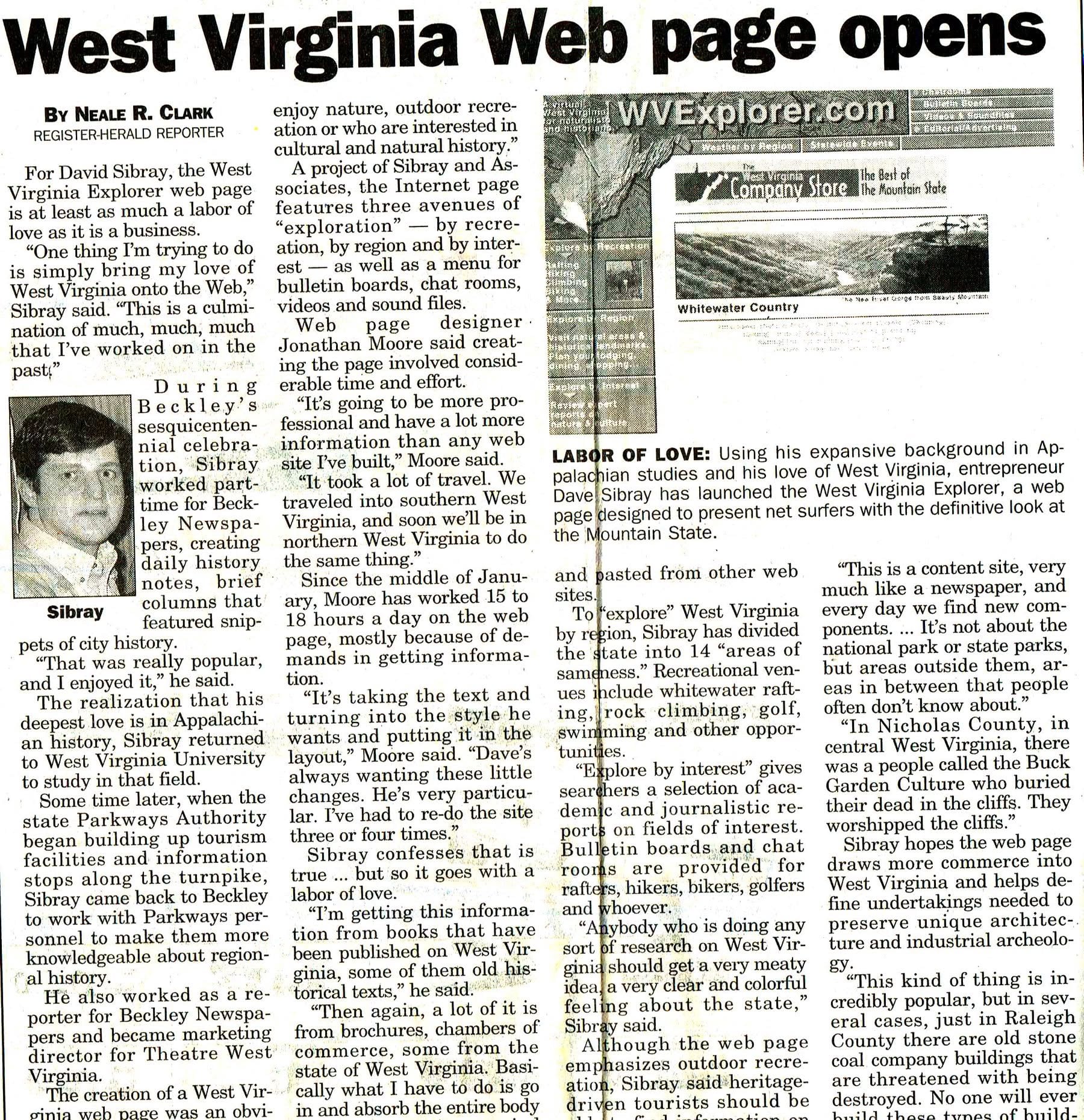
For more than a quarter century, this approach has allowed us to cover West Virginia from the perspective of the places where people actually live.
Built Around the State, Not an Office
West Virginia is a geographically diverse state with mountain communities, industrial cities, river towns, college campuses, national parks, and rural counties often separated by hours of travel. A centralized newsroom can struggle to maintain meaningful connections with all of them.
A virtual newsroom allows our contributors to remain close to the communities they know best. Rather than reporting through a single regional perspective, our journalists bring local knowledge, historical context, and relationships that often lead to more informed reporting.
When news develops in one corner of the state, we are often already connected to people there.
Experience Before Distance
Our newsroom relies on modern communication tools, collaborative editing systems, cloud publishing, and regular editorial discussions to coordinate coverage. Story ideas, photographs, interviews, research, and edits flow efficiently among contributors, regardless of location.
Distance has never been a barrier to collaboration. In many cases, it has been an advantage.
Because our contributors remain embedded in their communities, they identify emerging stories, local traditions, restoration projects, tourism developments, and community concerns that might otherwise receive little attention.
Flexibility Creates Better Journalism
A virtual newsroom lets us respond quickly to changing events while dedicating more of our resources to reporting rather than maintaining a physical office.
Instead of investing in large headquarters, we invest in journalism—travel, photography, research, technology, and editorial development. That flexibility helps us publish timely news alongside the in-depth travel, history, outdoor recreation, and heritage features that have become a hallmark of West Virginia Explorer.
It also allows experienced contributors to continue reporting from wherever they live, whether that is a courthouse town, a mountain valley, a university community, or another state with close ties to West Virginia.
A Collaborative Editorial Process
Although our contributors work remotely, every published article follows a consistent editorial process.
Stories are reviewed for accuracy, clarity, grammar, style, and fairness before publication. Editors work closely with writers to verify facts, enhance context, and ensure articles meet the publication’s editorial standards. Images, captions, links, and supporting information undergo a similar review before appearing on the site.
Working virtually does not mean working independently. Every article reflects collaboration among writers, editors, photographers, researchers, and technical staff who share responsibility for the final result.
Technology That Supports Storytelling
Digital publishing has evolved dramatically since West Virginia Explorer first appeared online in 1999. Our newsroom has evolved with it.
Today’s publishing systems allow reporters to file stories from nearly anywhere, photographers to upload images directly from the field, editors to review articles in real time, and readers to receive breaking news almost immediately. This technology enables us to reach audiences across West Virginia, throughout the United States, and around the world while maintaining an efficient, organized, and transparent editorial workflow.
Serving Readers Wherever They Are
Our readers span the state, not just a single city or county. They include lifelong West Virginians, former residents, travelers planning their next visit, students researching the state’s history, outdoor enthusiasts, business leaders, and families exploring communities across the Mountain State.
A virtual newsroom reflects the same broad perspective. By working from many locations rather than a single headquarters, we remain connected to the people and places that make West Virginia unique. This approach enables us to report on breaking news while preserving local history, highlighting outdoor recreation, documenting community life, and introducing readers to destinations they may never have known existed.
Proven Since 1999
When West Virginia Explorer launched in 1999, few news organizations operated without a traditional office. A fully digital publication supported by a distributed editorial team was still relatively uncommon.
More than two decades later, remote collaboration has become standard across journalism, publishing, and many other professions. What was once an innovative approach is now a widely accepted model for producing high-quality journalism.
For West Virginia Explorer, however, the philosophy has remained unchanged. Our newsroom exists wherever our journalists are asking questions, gathering information, documenting history, and telling the stories of West Virginia. The tools have changed. The mission has not.