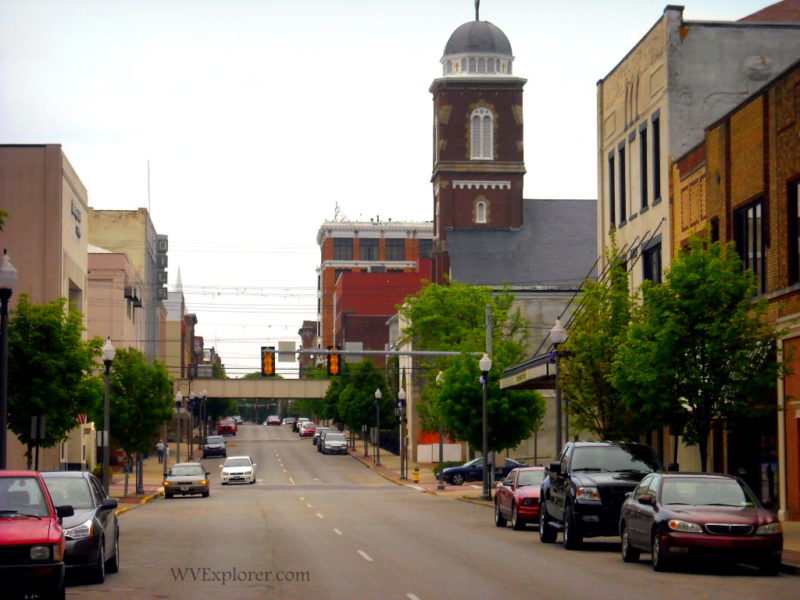
Parkersburg, West Virginia (WV), the county seat of Wood County, was chartered in 1820 and named for Alexander Parker, whose daughter donated the land for the courthouse.
Hotels and taverns first attracted travelers to the locale, and planters were attracted to the flat, fertile grounds along the Ohio River above and below the mouth of the Little Kanawha River. It initially grew as a port and was known as “Newport” until 1810. It has long been among the largest cities in the state.
After the discovery of industrial uses for petroleum in the mid-1800s, the town became an important shipping and processing center for oilfields upstream in the Little Kanawha River valley. It’s one of the largest cities in West Virginia.
Lodging near Parkersburg, West Virginia
History
Parkersburg developed as an important transportation and industrial center in the nineteenth century. The area was first settled in the late 1700s and was originally known as “Newport” before being renamed for Revolutionary War officer Alexander Parker. Because of its location along the Ohio River, it quickly became a hub for river commerce, steamboat traffic, and trade moving between the eastern United States and the expanding western frontier. By the mid-1800s, it had become one of western Virginia’s most significant towns.
The arrival of the railroad further accelerated the city’s growth. In 1857, the Baltimore & Ohio Railroad reached Parkersburg, connecting the Ohio River to eastern markets and helping transform the community into a major shipping point. During the Civil War era, it strongly supported the Union and played a role in the movement that led to the creation of the state of West Virginia in 1863. It later became known for manufacturing, glass production, the chemical industry, and oil and gas development, all of which helped shape the economy of the upper Ohio Valley throughout the late nineteenth and twentieth centuries.
Today, it remains the largest city in the Ohio Valley region in West Virginia and serves as a center for tourism, healthcare, education, and government. Historic sites such as Blennerhassett Island Historical State Park preserve the city’s early river history, while downtown revitalization efforts have focused on riverfront development, local businesses, and cultural events. Although manufacturing has declined from its peak, the city continues to maintain its identity as a historic river community closely tied to transportation, industry, and West Virginia’s development.
Parks & Public Recreation
Parks and recreation have long played an important role in the quality of life in Parkersburg. The city maintains a variety of public parks that provide playgrounds, sports facilities, walking trails, picnic shelters, river access, and community gathering spaces. The Parkersburg Parks and Recreation Department oversees many of these facilities, while Wood County and the state of West Virginia maintain additional nearby recreational areas. Parkersburg City Park is the city’s largest and best-known park, featuring a swimming pool, splash pad, athletic courts, playgrounds, picnic shelters, and the Cooper Log Cabin Museum.
Other popular parks include Point Park along the Ohio River waterfront, Southwood Park on the south side of the city, and Fort Boreman, which overlooks the confluence of the Ohio and Little Kanawha rivers from a historic Civil War site. Nearby attractions such as Blennerhassett Island Historical State Park and Mountwood Park expand recreational opportunities with hiking, boating, camping, fishing, and historical interpretation. Additional public parks in the Parkersburg area include Friendship Park, Bicentennial Park, Corning Park Boat Launch, Fort Neal Park, Johnson T. Janes Park, and Quincy Park.
Neal Island, upstream of Parkersburg, is protected as part of the Ohio River Islands National Wildlife Refuge. Blennerhassett Island, downstream, is home to Blennerhassett Island Historical State Park.
Public parks in Parkersburg and the surrounding area include:
- Parkersburg City Park
- Point Park
- Southwood Park
- Fort Boreman Historical Park
- Fort Neal Park
- Friendship Park
- Quincy Park
- Bicentennial Park
- Corning Park Boat Launch
- Blennerhassett Island Historical State Park
- Mountwood Park
These parks offer a range of amenities, including playgrounds, picnic shelters, sports courts, swimming pools, walking trails, fishing areas, river access, historical sites, and scenic overlooks.
Dining & Retail
Dining and retail are vital to the economy and culture of Parkersburg and the surrounding Ohio Valley region. The city offers a mix of locally owned restaurants, regional favorites, national chains, antique stores, boutiques, and shopping centers that serve residents and visitors alike. Downtown Parkersburg has seen renewed interest in recent years, with restaurants, coffee shops, specialty stores, and entertainment venues helping revitalize the historic business district along Market Street and the Ohio River waterfront. Grand Central Mall and nearby commercial corridors provide larger retail options, while small businesses throughout Wood County continue to play a major role in the local economy.
The region’s dining scene reflects both Appalachian traditions and broader Midwestern and Southern influences. Visitors can find classic diners, Italian restaurants, barbecue, bakeries, riverfront dining, and locally owned cafes throughout the area. Nearby communities such as Vienna, Williamstown, and Marietta offer additional shopping and dining options, making the Mid-Ohio Valley a regional destination for tourism and commerce. Seasonal festivals, farmers’ markets, and downtown events also support local businesses and attract visitors from across the region.
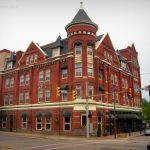
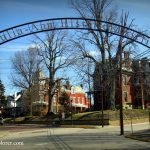
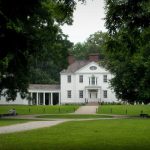
Photos of Parkersburg & Vicinity

Location
Parkersburg is located on the I-77 and US-50 expressways, approximately 75 miles north of Charleston, West Virginia, and 75 miles west of Clarksburg, West Virginia. Vienna, West Virginia, and Williamstown, West Virginia, are nearby.

Map of Parkersburg, West Virginia
Regional Information
Parkersburg is located in the Mid-Ohio Valley Region in northwestern West Virginia.
Latest Parkersburg News
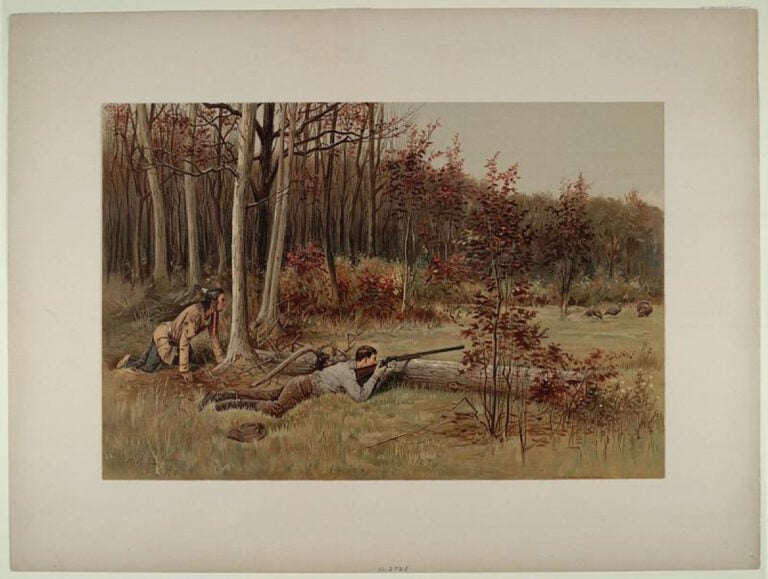
America’s wild turkey hunting tradition returns to West Virginia forests

Fewer acorns could mean more deer sightings for West Virginia hunters this fall
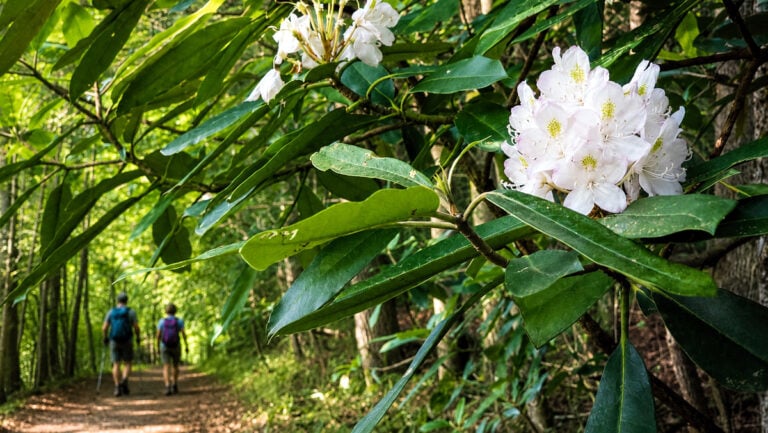
Nearly $20 million in upgrades coming to West Virginia state parks

Nearly 40 years later, a cult horror film made in West Virginia is returning to theaters

West Virginia initiative aims to teach 15,000 students how to turn ideas into businesses