
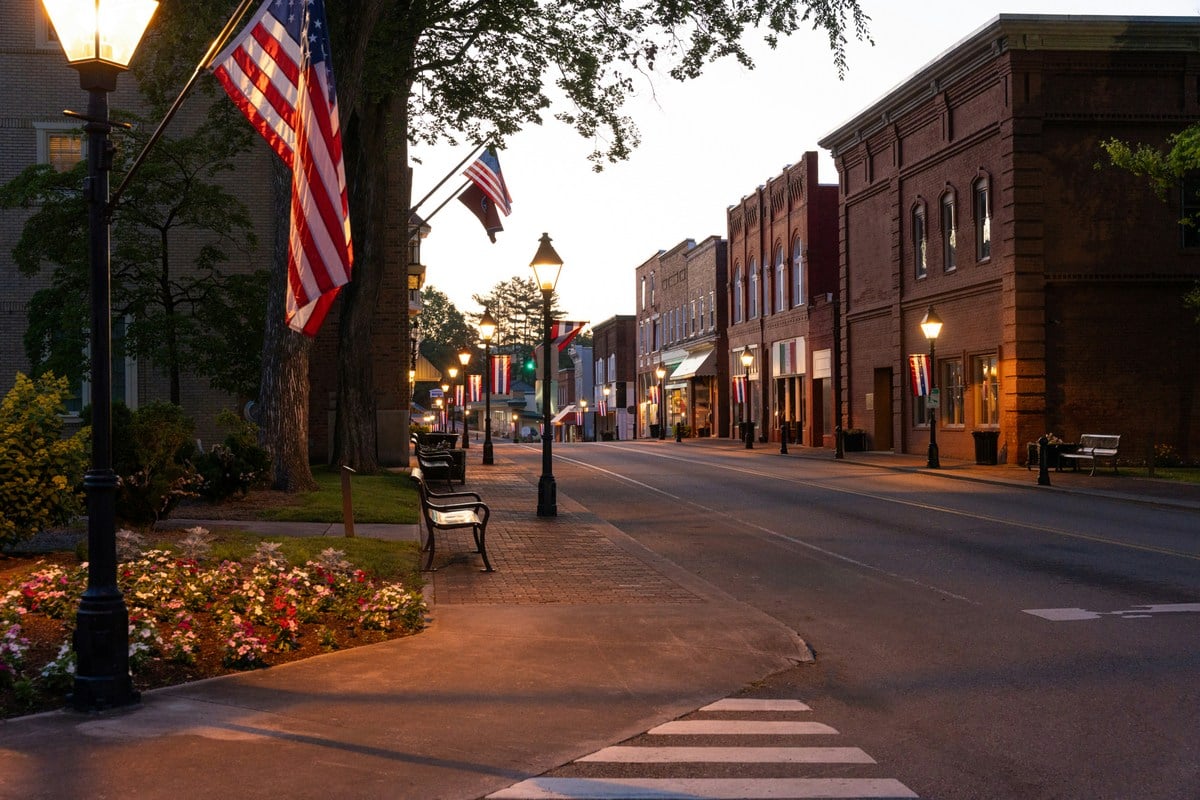
LEWISBURG, W.Va. — Historic buildings, from New England mill towns to Appalachian downtowns, could become easier to restore under bipartisan legislation that would expand one of the nation’s most successful redevelopment incentives.
U.S. Sen. Shelley Moore Capito has joined lawmakers from both parties in sponsoring the Historic Tax Credit Growth and Opportunity Act of 2025, a measure designed to expand access to federal historic rehabilitation tax credits and encourage investment in aging buildings across the United States.
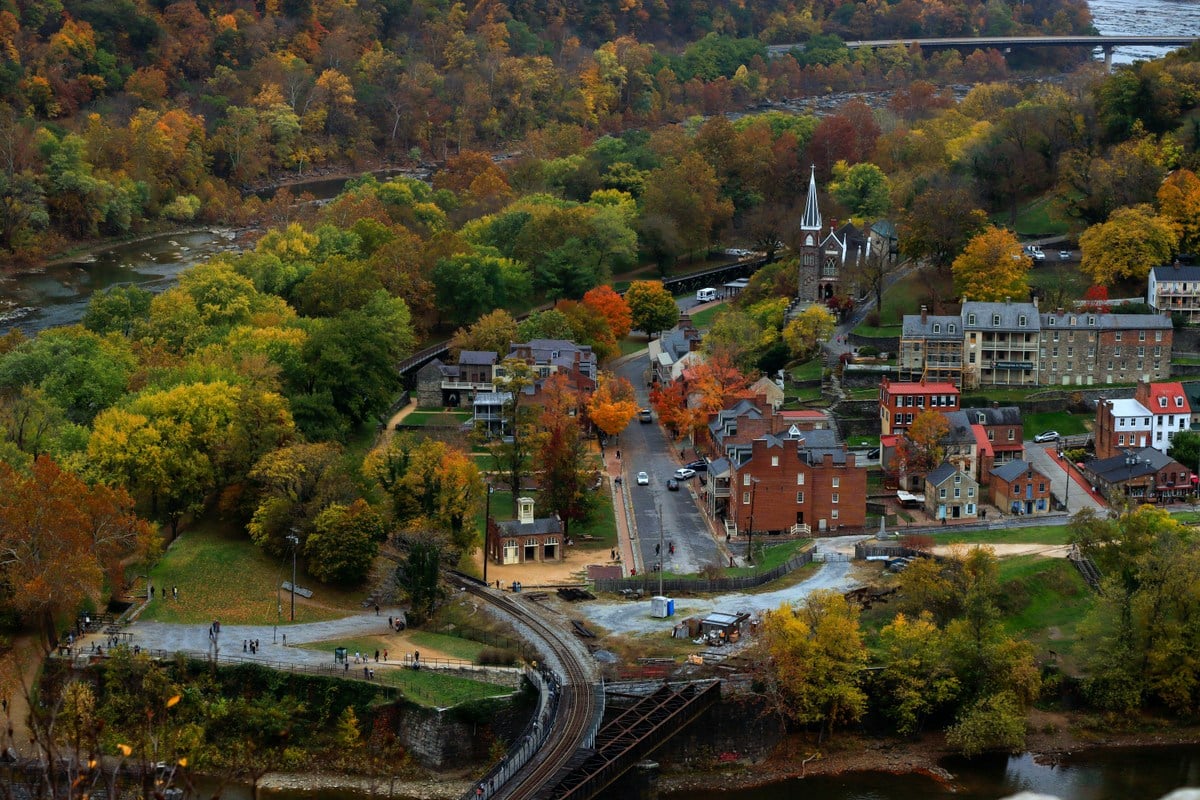
Supporters say the legislation could help communities transform vacant schools, warehouses, hotels, theaters, factories, and commercial buildings into housing, offices, restaurants, community facilities, and tourism destinations while preserving the architectural character that makes many towns distinctive.
Carol Quillen, president and CEO of the National Trust for Historic Preservation, says the historic tax credit can revolutionize small towns across the country.
“The federal historic tax credit is one of our most powerful tools for historic preservation, economic development, and community revitalization,” Quillen said. These investments support small businesses, create housing, and generate economic opportunity while building community connection and engagement.”
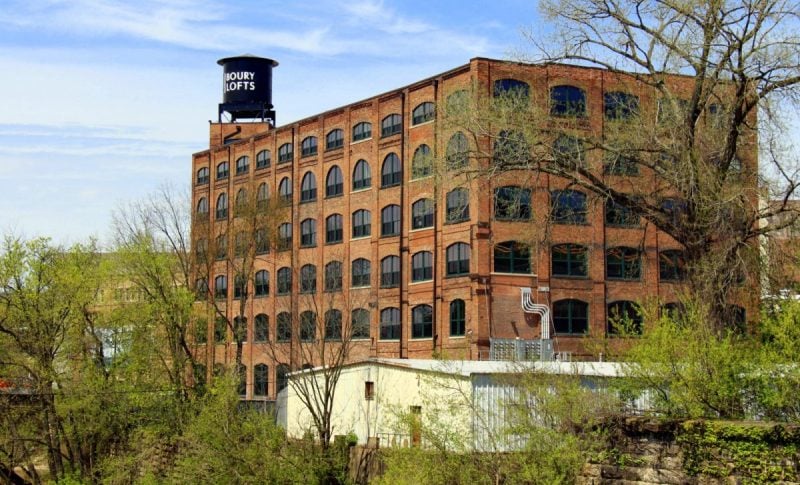
The proposal arrives as many redevelopment projects face growing financial hurdles. Rising construction costs, higher interest rates, labor shortages, and tighter lending standards have made it increasingly difficult to finance rehabilitation projects, particularly in smaller communities where property values may not justify the costs of extensive renovation.
Historic tax credits are solving the problem on the local level, Capito says, providing money for businesses investing in their hometowns.
“West Virginia has such wonderful history and architecture, and we’ve seen successful investments across our state through the revitalization of historic properties for new businesses or apartments,” Capito said.

“The historic tax credits bring to life some of our most recognizable structures, and we should make it easier for these investments to take place—not harder.”
The legislation would create a new 30 percent transferable tax credit for qualifying small and rural projects, lower rehabilitation thresholds that currently exclude many projects, and expand access for nonprofit organizations, including arts centers, health-care facilities, workforce training providers, and community service organizations.
A Proven Economic Development Tool
Federal historic tax credits have long been regarded as one of the nation’s most successful preservation and redevelopment programs. Since its creation in 1976, the incentive has helped finance the rehabilitation of tens of thousands of historic buildings and has leveraged billions of dollars in private investment across the country.
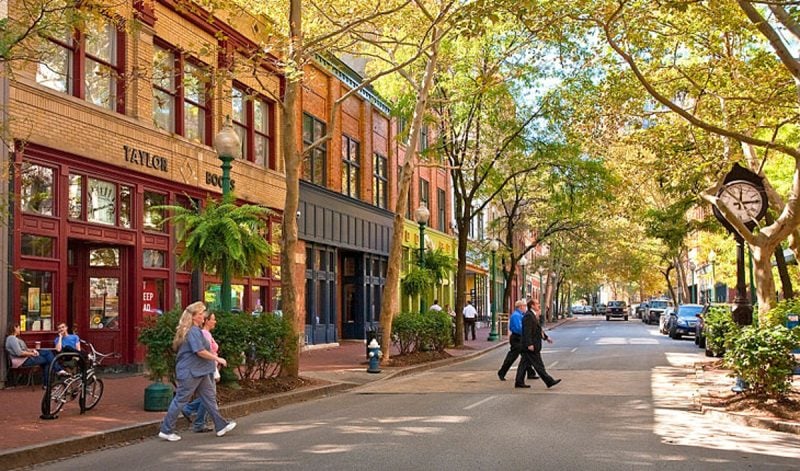
Unlike many government development programs, historic tax credits are designed to attract private capital by offsetting the additional costs of restoring older buildings. Advocates argue that the credits often determine whether a project moves forward or remains financially out of reach.
Examples can be found nationwide, where former hotels have been converted into apartments, abandoned factories have been transformed into mixed-use developments, and historic commercial buildings have been rehabilitated for new businesses. In many cases, these projects catalyze broader downtown revitalization.
Why the bill matters
Supporters say one of the most important changes would make smaller projects eligible for assistance.
Under current rules, many rehabilitation projects fail to qualify because renovation costs must exceed a complex investment threshold tied to a building’s value. The proposed legislation would lower that threshold, making it easier for smaller downtown buildings and rural redevelopment projects to participate.
Preservation advocates argue that the current requirements often favor large urban developments, leaving many small-town projects without access to the same financing tools.
The bill would also make it easier for tax-exempt organizations—including museums, community centers, arts organizations, health-care providers, and workforce development programs—to benefit from the credit.
West Virginia’s leadership role
Although the legislation would apply nationwide, West Virginia has emerged as one of the country’s most successful examples of how historic rehabilitation incentives can drive economic development.
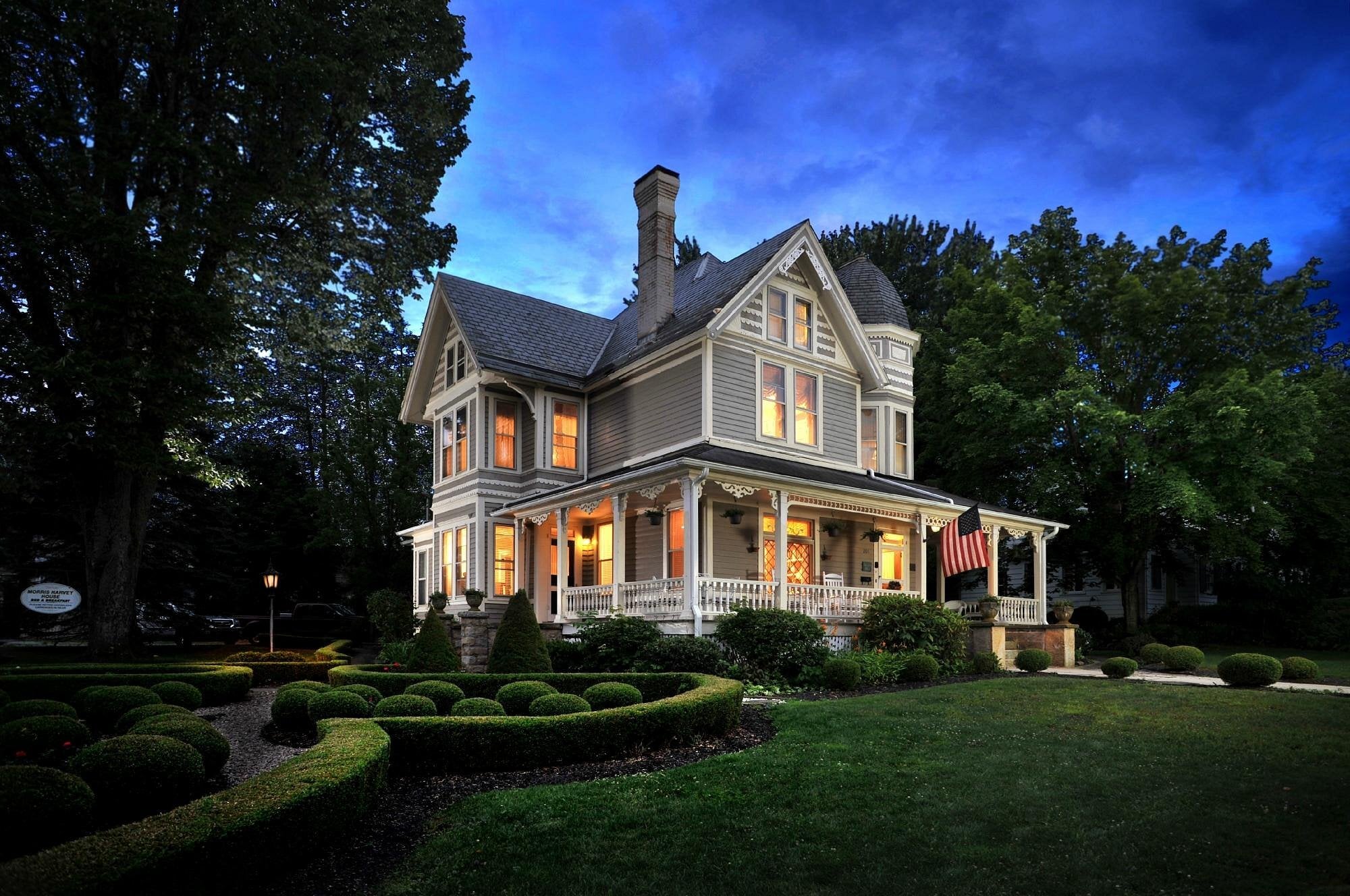
For decades, developers, preservationists, and state leaders have used historic tax credits to encourage investment in commercial districts, tourism destinations, industrial landmarks, and historic neighborhoods.
The state has repeatedly strengthened its preservation incentives, helping attract redevelopment capital to communities that might otherwise struggle to compete for investment.
David Sibray, publisher of West Virginia Explorer and an agent with Foxfire Realty who specializes in historic and tourism-related properties, said historic tax credits have helped change the way investors view older buildings.
“Across America, some of the best development opportunities are not vacant fields on the edge of town,” Sibray said. “They’re the historic buildings already standing in the center of our communities.”
Sibray said historic buildings are increasingly recognized not only as cultural assets but also as economic assets.
“Historic tax credits help investors see possibilities where others see obstacles,” he said. “They can make the difference between a landmark being abandoned for another generation and its becoming apartments, offices, restaurants, hotels, or community spaces.”
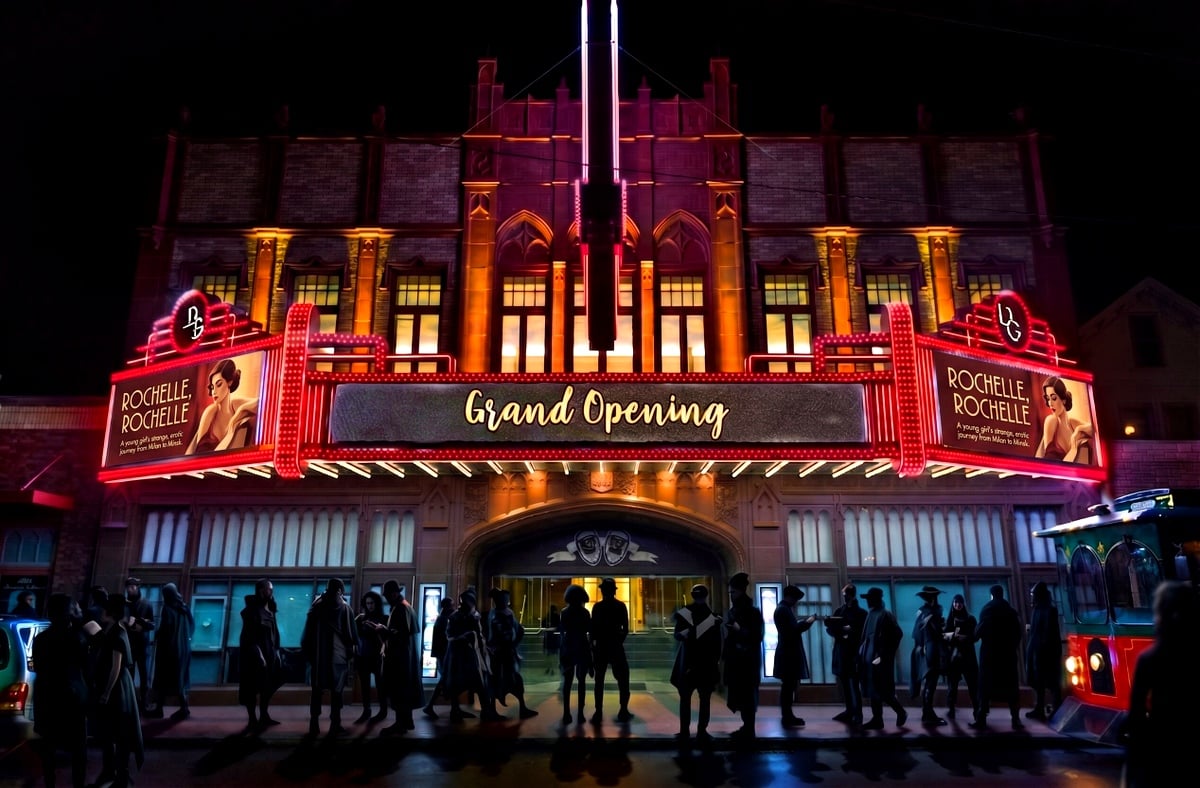
He said West Virginia’s experience shows that preservation and economic development often go hand in hand.
“West Virginia has spent decades proving that preservation is not simply about saving old buildings,” Sibray said. “It’s about creating jobs, attracting visitors, strengthening downtown property values, and giving communities a reason to invest in themselves.”
Across the Mountain State, historic tax credits have supported projects ranging from downtown commercial rehabilitations to the restoration of hotels, theaters, industrial buildings, and mixed-use developments that now serve as anchors for local economies.
“Some of the most successful redevelopment projects in West Virginia began with a building many considered beyond saving,” Sibray said. “Historic tax credits helped change the financial equation.”
Housing, tourism, and community revitalization
Supporters argue that the benefits of historic rehabilitation extend beyond preservation.
Restored buildings often become housing in communities facing shortages, provide space for small businesses, support tourism economies, and help preserve the character that attracts residents and visitors alike.
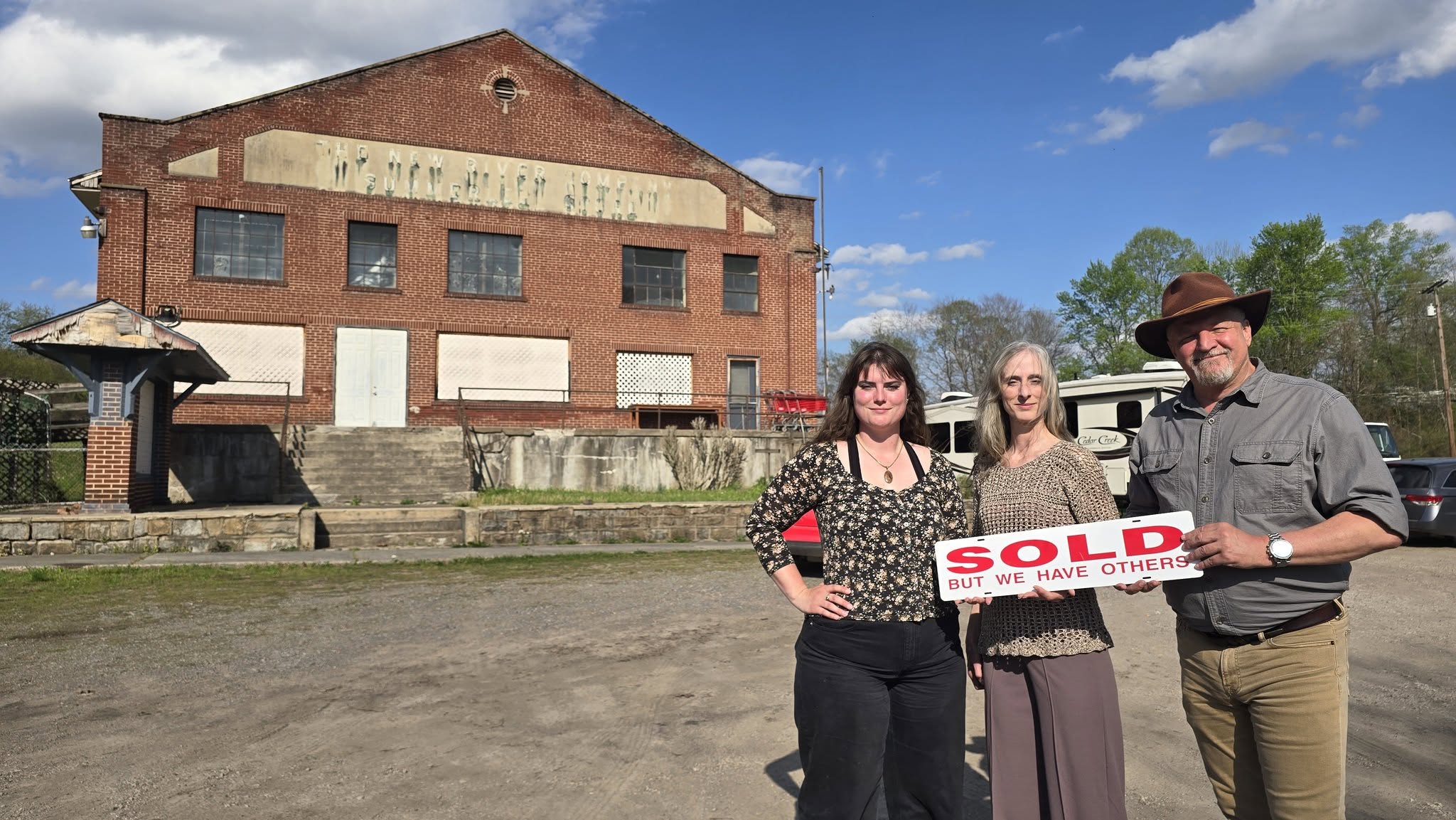
Because rehabilitation projects are often located in existing downtown districts, they also encourage investment in infrastructure and business corridors that already serve communities.
Sibray believes the legislation reflects a broader national recognition that historic buildings can play a central role in economic growth.
“The cheapest building to build is often the one that’s already standing,” he said. “When we preserve a historic building, we’re preserving craftsmanship, community identity, and decades of investment that would be nearly impossible to replace today.”
He said the debate ultimately concerns how communities choose to invest in their future.
“What Congress is really debating is whether America wants to continue investing in the places that make our towns unique,” Sibray said. “Historic tax credits have proven they can turn preservation into economic development.”
The legislation has drawn bipartisan support from senators representing both urban and rural states. If approved, supporters say it could spur a new wave of investment in historic properties nationwide while helping communities preserve the buildings and landscapes that define their heritage.
The full text of the legislation is available S.1459: Historic Tax Credit Growth and Opportunity Act of 2025.
Where to Learn About Historic Tax Credits in West Virginia
Property owners, developers, nonprofits, and community organizations interested in rehabilitating historic buildings can find information and assistance through several organizations:
1. West Virginia State Historic Preservation Office
The W.Va. State Historic Preservation Office administers federal and state historic preservation programs in West Virginia and serves as the primary point of contact for historic rehabilitation tax credits.
The office can help determine:
- Whether a building is historic or eligible
- Whether a property is located in a historic district
- What rehabilitation standards apply
- How to begin the tax credit application process
Website: West Virginia SHPO Tax Credit Information
2. Preservation Alliance of West Virginia
The Preservation Alliance of West Virginia provides technical assistance, educational resources, workshops, and guidance for owners of historic properties. Website: Preservation Alliance of West Virginia
3. National Trust Community Investment Corporation
The National Trust Community Investment Corporation specializes in historic tax credit financing and offers extensive information about federal tax credit programs. Website: National Trust Community Investment Corporation
4. Main Street West Virginia
Main Street West Virginia works with communities across the state to revitalize traditional downtown business districts through historic preservation, economic development, design assistance, and community planning. Local Main Street programs can often help property owners identify preservation resources, redevelopment opportunities, and potential historic tax credit projects. Website: West Virginia Mainstreet
Very interesting article! West Virginian communities have many old vacant abandoned buildings that could use some TLC. I just hope the legislation will be affordable for those would love to repair a historical building and turn it into a business.
This would be a great help to downtown Morgantown.