
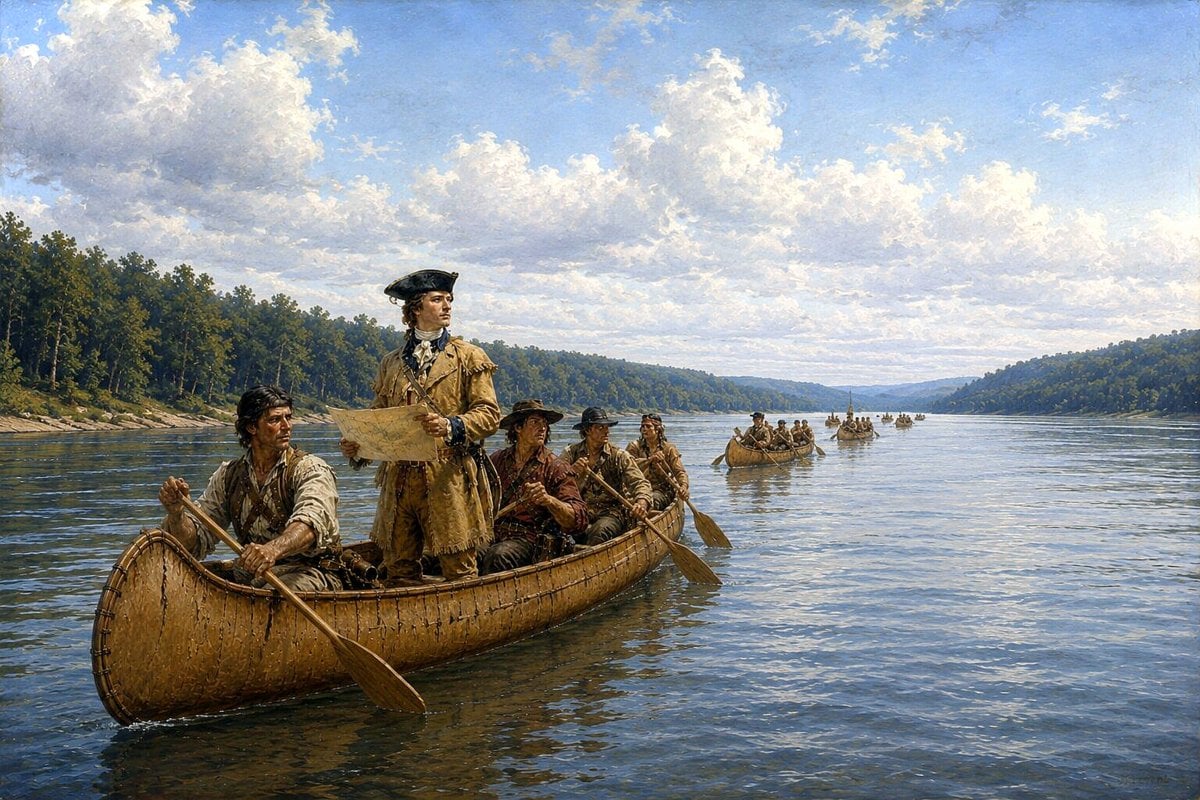
CHARLESTON, W.Va. — Long before West Virginia became America’s 35th state, it came remarkably close to becoming something very different—Britain’s 14th colony.
Only a few years after Britain’s victory in the French and Indian War, influential English politicians, wealthy land speculators, and prominent Americans—including Benjamin Franklin—proposed creating a new colony west of the Allegheny Mountains.
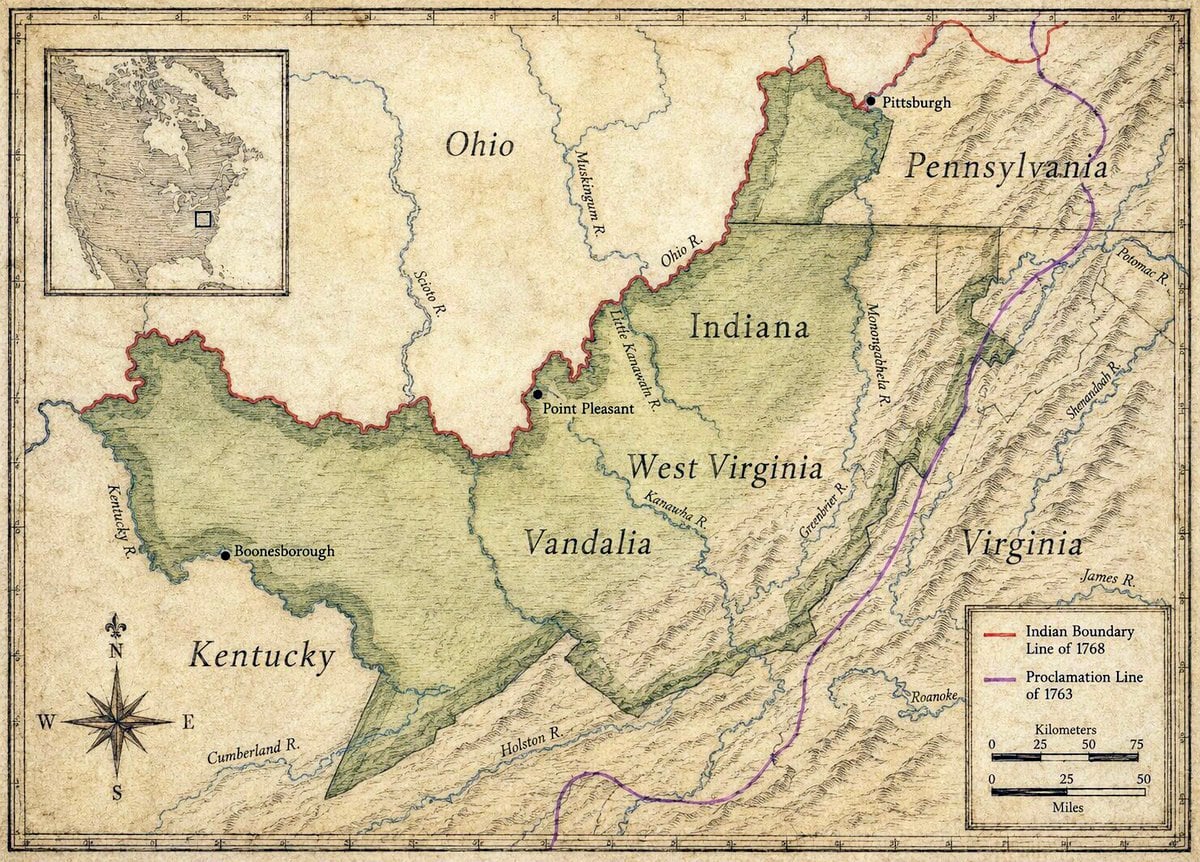
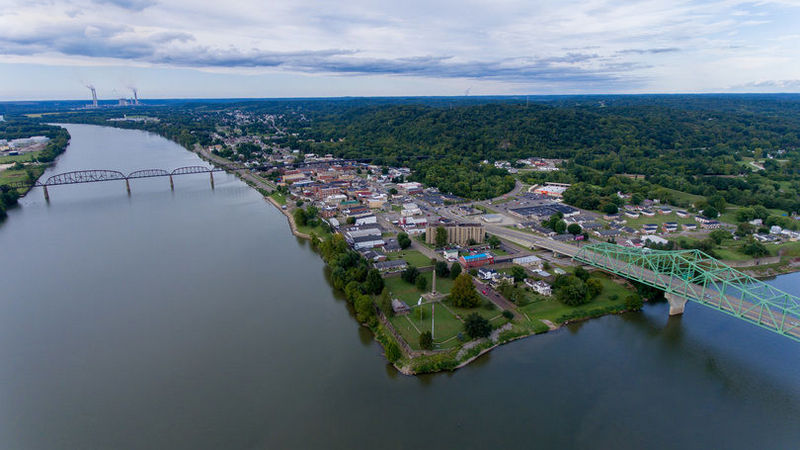
Had history taken a slightly different course, nearly all of present-day West Virginia might have entered history not as part of Virginia but as the separate British colony of Vandalia, with its capital at Point Pleasant.
The plan advanced far enough that a royal charter was reportedly prepared and awaiting approval. Then the growing conflict between Great Britain and its American colonies overtook events. The American Revolution ended the proposal before it could become reality.
A new colony beyond Virginia
Britain’s victory in the French and Indian War in 1763 dramatically reshaped North America. France surrendered its claims east of the Mississippi River, opening vast new territories to British settlement.
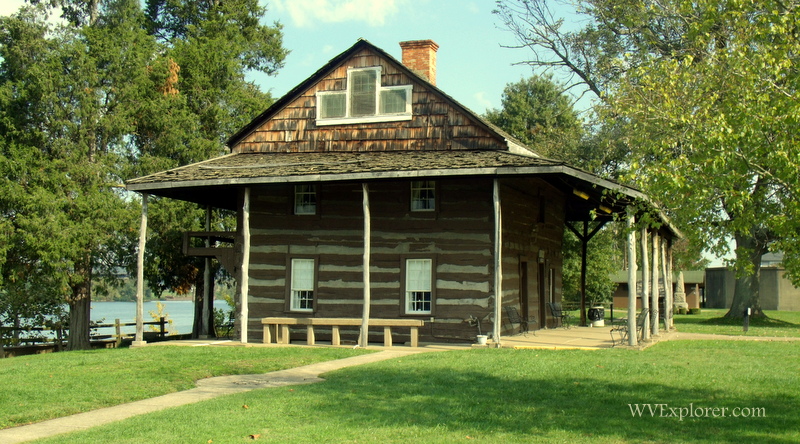
Almost immediately, investors saw opportunity in the Ohio Valley. A group of influential British and American businessmen organized what became known as the Great Ohio Company—also called the Vandalia Company—to secure millions of acres and establish a new colony beyond Virginia’s western frontier.
The proposed colony would have spanned nearly all of present-day West Virginia and parts of neighboring states. According to one plan, Point Pleasant, where the Kanawha River joins the Ohio River, would have served as the colonial capital, though other proposals favored Pittsburgh.
The colony’s proposed name, Vandalia, was chosen largely as a political compliment. Supporters hoped to win favor with King George III by honoring Queen Charlotte, who claimed descent from the ancient Vandal people of Europe.
A colony that nearly became reality
For generations, the proposal has often been remembered as little more than an interesting footnote. Yet historians argue it came much closer to success than many realize.
In Pages from the Past, West Virginia historian George Summers described how the proposed colony advanced through the British government until only the worsening political crisis between Britain and its colonies intervened.
“The charter was prepared and was ready for signature of the Crown officer,” Summers wrote, “when the events of the revolution thickening upon them, it was suspended and cut off.”
Summers later recalled remarks by jurist George W. Summers (1804–1868) shortly after West Virginia achieved statehood in 1863, noting that the region “was within an ace of accomplishment” of becoming a separate British colony nearly a century earlier.
Historian Granville Davisson Hall reached much the same conclusion in The Rending of Virginia, describing the Vandalia proposal as one of the most significant unrealized political plans in the region’s colonial history.
George Washington saw opportunity
The proposal also drew the attention of one of colonial America’s largest landowners. George Washington had accumulated more than 20,000 acres along the Ohio and Kanawha rivers and recognized that a new colony would likely increase the value of western lands.

In August 1773, Washington advertised thousands of acres for lease in newspapers published in Alexandria and Baltimore, highlighting fertile farmland, abundant fish and wildlife, navigable rivers, and easy transportation to eastern markets.

Perhaps most notably, he assured prospective settlers that they could “enjoy and cultivate the lands in peace and safety, notwithstanding the unsettled counsels respecting a new colony on the Ohio.”
The advertisement reflected widespread optimism that the region’s political future would soon be settled.
Read also: Before he was president, George Washington explored the Ohio Valley of today’s W.Va.
Revolution changed everything
Instead, events moved rapidly toward war. As tensions between Britain and its colonies escalated in the early 1770s, the proposed colony slipped down the government’s list of priorities. By the time armed conflict erupted at Lexington and Concord in 1775, the idea had effectively died.
The lands intended for Vandalia remained part of Virginia until they later became parts of Kentucky and, after the Civil War, West Virginia.
Other proposed names also disappeared with the abandoned plans. Among those considered in various colonial schemes were Indiana, Transylvania, Westsylvania, Appalachia, and Kanawha. The name “West Virginia” would not emerge until the state’s constitutional convention nearly a century later.
The name survives today

Although the proposed colony never took shape, the name Vandalia endured on the American map. Communities bearing the name were founded in several states during the 19th century, including Vandalia, Illinois, which served as that state’s capital from 1819 to 1839, as well as towns in Ohio, Michigan, Missouri, and Pennsylvania.

Most took their name from the abandoned colonial proposal or from the romantic appeal the name had acquired during the nation’s westward expansion.
West Virginia has preserved the connection more directly than anywhere else. Since 1977, the state has celebrated its traditional music, dance, crafts, and folklore each Memorial Day weekend at the Vandalia Gathering at the State Capitol in Charleston.
The festival takes its name from the nearly forgotten colony, serving as a reminder of one of the state’s most intriguing “what-if” moments in colonial history.
Had Britain’s royal charter been signed before the revolution overtook the empire, the map of early America—and the history of West Virginia—might have looked very different. Instead of joining the Union nearly a century after independence, much of today’s Mountain State could have entered history as Britain’s forgotten 14th colony.
Read also
I always wondered why that name stuck around! It really has no real connection geographically to anything. Legislators were just trying to suck up to a mad British king!