
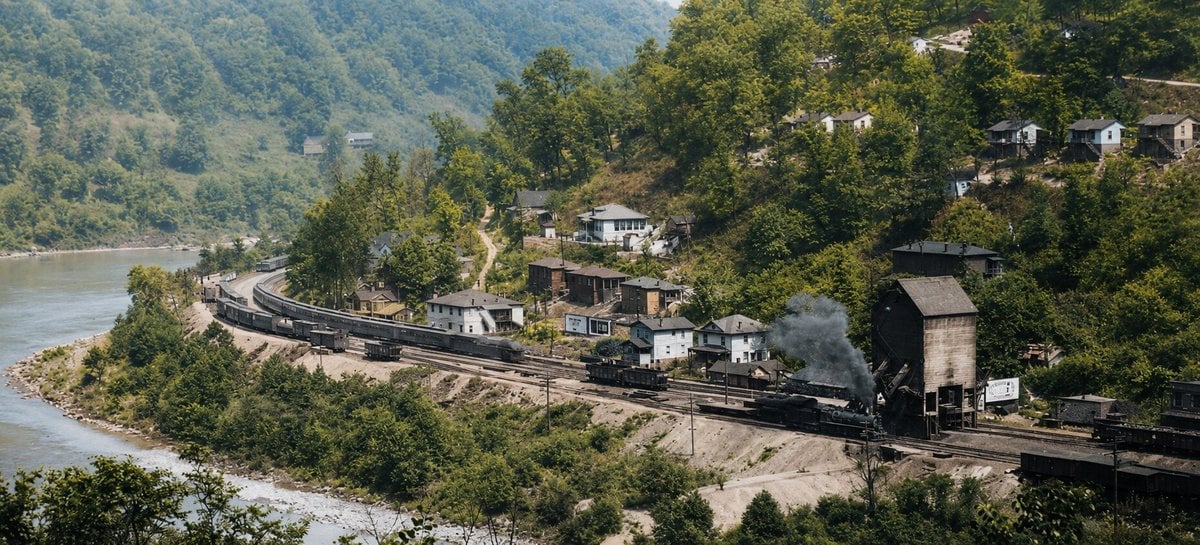
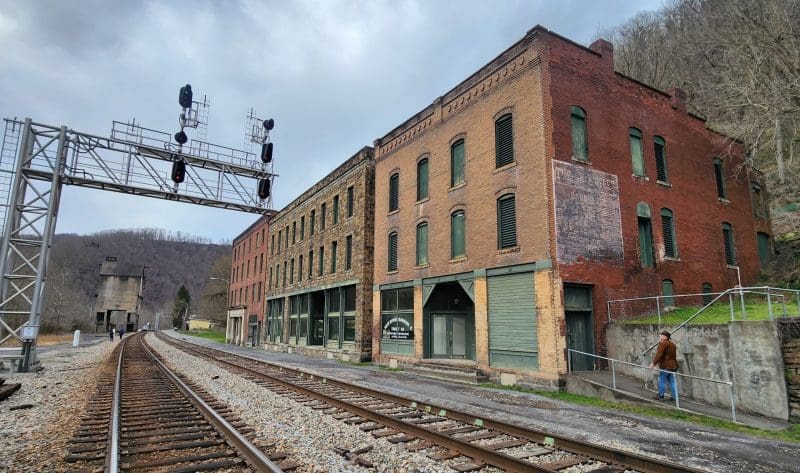
THURMOND, W.Va. — The Thurmond Town Council has voted to pursue pro bono legal representation for a lawsuit against the U.S. Department of the Interior, escalating a dispute over plans by the National Park Service to demolish historic buildings in the nationally recognized railroad town.
The council passed a motion directing the town to seek an attorney to act on its behalf as plaintiff and pursue a temporary restraining order intended to halt demolition of historically significant structures while the dispute proceeds.
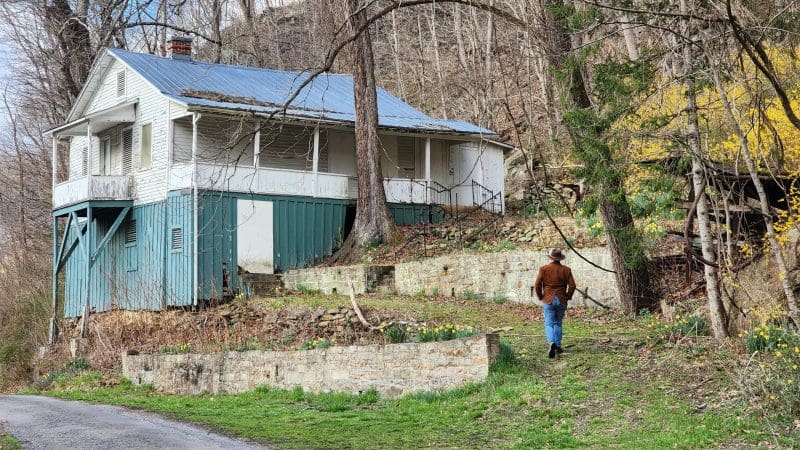
The action follows months of concern among residents and preservationists over the park service’s plans for deteriorating structures within the Thurmond Historic District, which has been listed on the National Register of Historic Places since 1984.
“I think it’s unfortunate that it had to come to this,” said Holly Clark, president of Preservation Thurmond, a nonprofit organization advocating for the preservation of the town.
“Preservation Thurmond will always stand on the side of saving our heritage, particularly after hearing the outcry from our community not to tear these structures down.”
The council vote does not itself initiate litigation or obtain a restraining order. It directs the town to seek pro bono counsel to pursue those actions.
The move toward litigation comes as Preservation Thurmond is simultaneously working within another avenue for preservation provided by the park service—finding people or organizations willing to lease and rehabilitate some of the threatened historic properties.
Park service official suggested promoting leases
Clark said the leasing campaign followed a recent conversation with Acting Superintendent Eric LaPrice.

“On a recent call with Acting Superintendent Eric LaPrice, I asked how Preservation Thurmond could be of help to the Park,” Clark said. “Mr. LaPrice suggested that we help spread the word about leasing.”
The Fayetteville-based organization subsequently prepared three documents explaining the federal leasing process and the requirements prospective lessees could face—a one-page guide to leasing historic structures, information for prospective lessees, and a more comprehensive guide to federal historic-structure leasing.
“By publishing these three documents, Preservation Thurmond seeks to disseminate information to any and all who would be able to put forth a viable lease proposal,” Clark said.
The documents identify four structures for which leasing could play a role—the Tom Kelly House in the Thurmond Historic District and the Dun Glen Ark, Dun Glen Boat Storage Rack and Dun Glen Mini Ark.
According to Preservation Thurmond’s summary of the park service’s selected action, the Tom Kelly House, Boat Storage Rack and Mini Ark will be demolished if viable lease proposals are not received. The Dun Glen Ark is to be retained, although the park service will consider a viable proposal to lease it.
Preservation Thurmond emphasizes that its leasing materials are not official park service publications. The organization says the comprehensive guide was assembled from the park service’s “Finding of No Significant Impact” and publicly available federal laws, regulations, and policies governing the leasing and treatment of historic properties.
A prospective lessee would generally need to identify a proposed use, prepare a rehabilitation plan consistent with the Secretary of the Interior’s Standards for the Treatment of Historic Properties, and demonstrate the financial capacity to rehabilitate and maintain the building. Under the leasing framework outlined by Preservation Thurmond, the lessee would assume responsibility for repairs, maintenance, and improvements.

Federal leasing policy allows the cost of required rehabilitation to be considered when establishing fair-market rent, meaning substantial investment by a lessee can reduce the rent owed.
The leasing effort follows a separate proposal unveiled in July by New River Gorge Historical Society President Jennings Berry, who has advocated adaptive reuse of threatened historic structures through partnerships with businesses, nonprofit organizations, universities and local governments rather than relying exclusively on federal funding.
The leasing mechanism is significant because federal historic-preservation law specifically provides for adaptive reuse of government-owned historic properties. Preservation Thurmond’s guide summarizes federal law as directing agencies to consider alternatives, including adaptive reuse, for historic property they own but no longer need for current or planned uses, when practicable.
Park Service policy likewise encourages leasing as a means of keeping historic buildings preserved and maintained when the agency cannot otherwise afford their upkeep, according to the guide.
Park-commissioned study recommended preservation and stabilization
The current decision to demolish historic buildings also stands in notable contrast to recommendations contained in a historic-resource study the park service commissioned only a few years earlier.
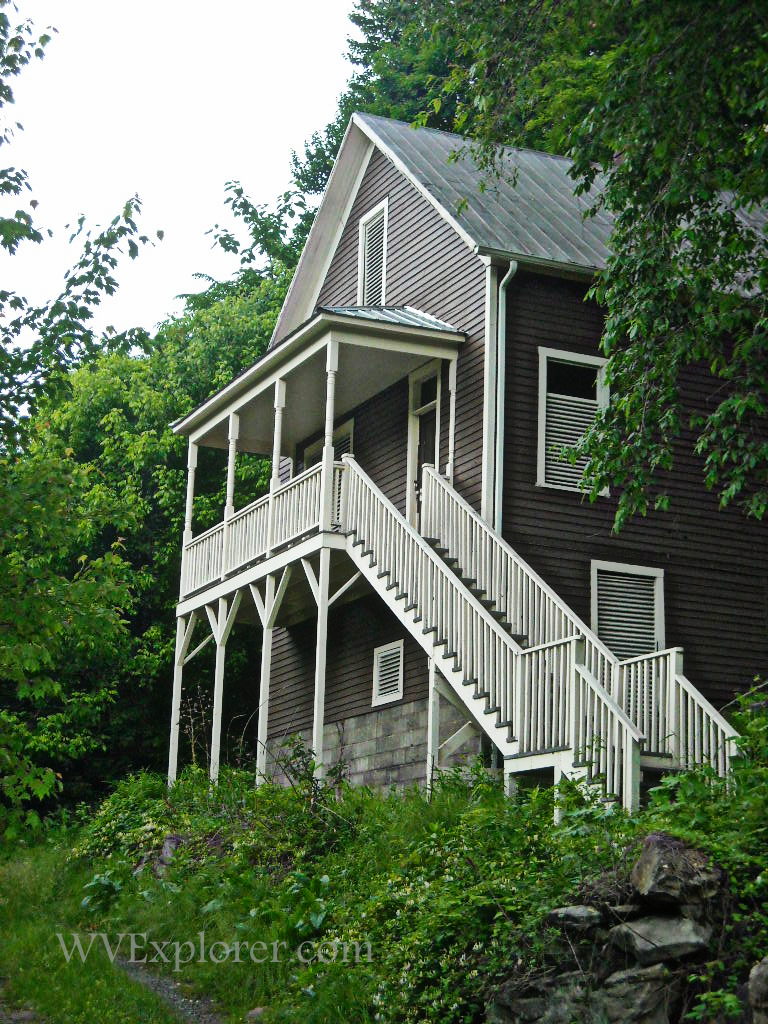
Bratslavsky Consulting Engineers and Aurora Research Associates conducted the survey in 2022 as the park service evaluated dozens of properties it owned throughout New River Gorge National Park and Preserve. The work included treatment recommendations for 13 contributing structures within the Thurmond Historic District.
The consultants found that the majority of those 13 resources retained historic integrity but needed basic maintenance, including vegetation clearing, repairs to building envelopes, and cleaning and repair of gutters.

The report identified the Billy McGuffin Garage and Phillip A. McClung House as the strongest candidates for demolition because of diminished significance and integrity. It also noted that historic-preservation consultation had already been completed for demolition of the deteriorated Erskine Pugh Rental House.
For the remaining buildings in that group, the recommendation was different. “Preservation/stabilization is recommended for the remainder of the buildings,” the consultants wrote.
They called for immediate repairs to keep water, vegetation, animals and trespassers out of the structures, followed by routine maintenance, preservation training for park employees and a comprehensive management plan for long-term stewardship of the Thurmond National Register Historic District.
The consultants described Thurmond as a “unique intact example of a historic coal and railroad town in the New River Gorge” and noted that most similar communities had either deteriorated into ruins or disappeared completely.
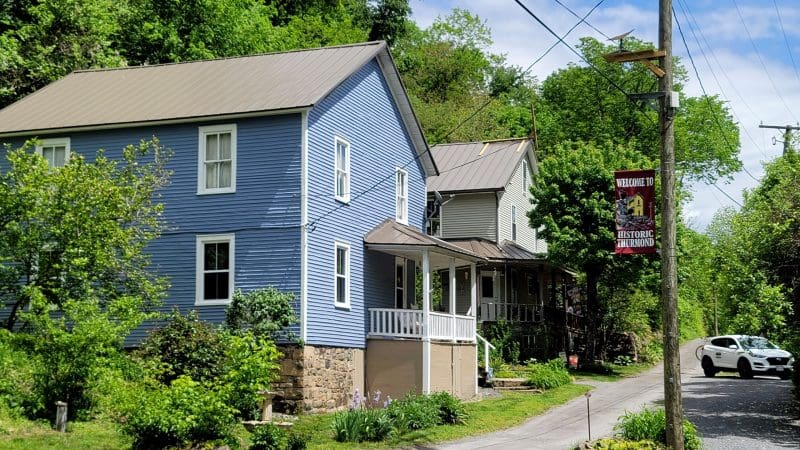
They also warned that the condition of the buildings would continue to worsen without intervention. “If action is not taken to regularly maintain and utilize these structures, the residences of Thurmond will continue to deteriorate until they are beyond saving,” the report said.
During its field survey, the consulting team found that historic resources generally suffered from lack of regular maintenance, water infiltration through roofs and windows, destructive vegetation and vandalism. Because many houses were built against steep slopes, drainage from the mountainside also threatened rear walls and foundations.
The recommended remedies included cleaning and repairing gutters, fixing or temporarily covering damaged roofs, repairing windows and doors, clearing vegetation and hazardous trees, improving drainage, treating pests and improving security.
Several of the buildings had previously received extensive repairs and stabilization around 2009 with American Recovery and Reinvestment Act funding. The consultants reported, however, that by 2022 the properties were again showing signs of gradual deterioration and vandalism.
The report went beyond recommending repairs. Its authors concluded that regular use could provide the most effective means of preserving Thurmond’s historic buildings over the long term.
“The single most effective way to ensure preservation of historic buildings is to see that they are regularly occupied and used,” the consultants wrote, while acknowledging that adaptive reuse would require substantial investment in repairs, roads, water and sewer service, internet connectivity and other infrastructure.
Park service subsequently approved demolition
The park service subsequently reached a different conclusion about the long-term management of a number of historic structures in Thurmond and elsewhere in New River Gorge National Park and Preserve.
The original environmental assessment considered removing 19 historic structures and one modern addition throughout the park. Federal planning documents cited deterioration, safety concerns, vandalism, and the continuing cost of maintaining and securing buildings that were not needed for park operations.
Following public comment, the park service modified the proposal, removing the Marilyn Brown House, Thurmond Ice House, and Dun Glen Ark from the demolition list and providing a potential leasing route for several other structures.
In its final decision, the park service acknowledged that removing contributing structures at Thurmond would have a long-term adverse effect on the historic district. The agency concluded, however, that deterioration had already compromised aspects of the buildings’ historic integrity and that demolition would allow money and staff resources to be redirected toward other historic resources.
The agency also proposed leaving foundations in place where practicable to help visitors understand the locations and relationships of buildings that had been removed.
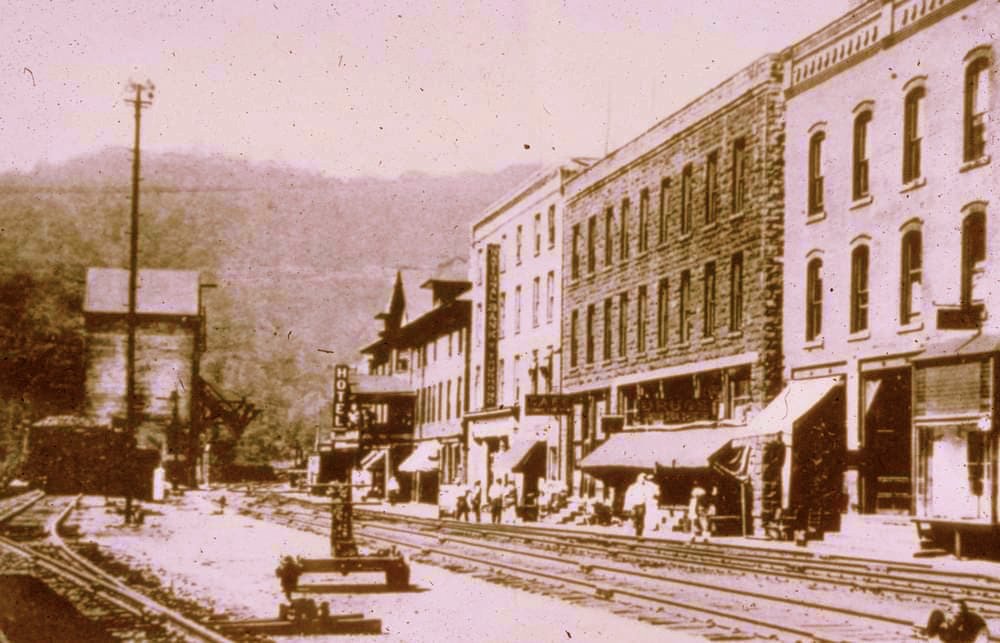
That reasoning is now at the center of the dispute between the federal government and preservation advocates, who argue that Thurmond’s historical importance derives not simply from a handful of landmark buildings but from the collection of houses, commercial structures, railroad facilities and other resources that together allow visitors to understand how the community once functioned.
An unusually intact railroad town
Thurmond developed around the Chesapeake and Ohio Railway and became an important railroad and coal center in the New River Gorge during the late 19th and early 20th centuries.
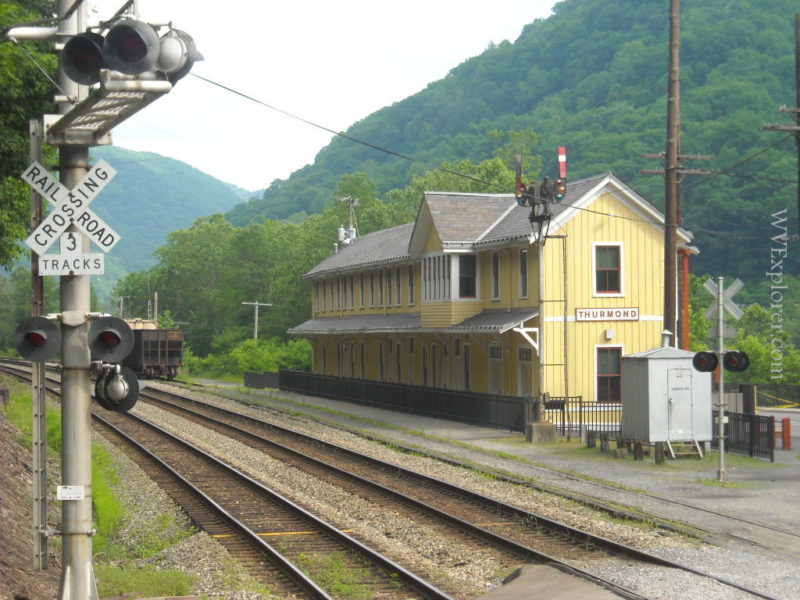
Its surviving built environment distinguishes it from many other industrial communities in the gorge that disappeared or were reduced to ruins following the decline of the region’s coal and railroad economy.
The park service’s own commissioned study emphasized that unusual survival when recommending a comprehensive management plan for Thurmond and considering possible interpretive, administrative, commercial, residential and service uses for its historic properties.
The town is now pursuing two markedly different approaches to preventing further losses.
At the suggestion of the acting superintendent, Clark said her organization is attempting to find prospective lessees willing and financially able to rehabilitate historic structures the Park Service no longer wants to maintain. At the same time, the Thurmond Town Council is preparing to seek legal counsel to ask a federal court to stop the demolition program itself.
For a town whose surviving buildings have become the principal physical record of its railroad-era history, the outcome could determine how much of that record remains standing.
Great in depth reporting
Trump and his Thugs need to keep their hands off the further destruction of our National Parks!!!!
Totally agree!!
I was born, raised & lived in West Virginia until I was 56 years old when I moved to be closer to my children in Missouri. But I sure do miss my beautiful WV. Unfortunately, most of the people I knew have died except for some of my 1963 DCHS high school friends.I enjoy reading most of the articles in the wvexplorer.
Please never commercialize Thurmond ! It’s perfect as is..
I visited Thurmond for the 1st time years ago with a special friend. I was enthralled by this little town with so much history. The fact that people had lived there & prospered, built homes & raised families was so important & is still important. I traveled by AmTrak one year & the train went to Thurmond, it was almost like becoming one of the people who had lived there or visited there & traveled by train to get there. I love this little town. Please keep it as intact as possible & don’t commercialize it. Visitors & tourists can be drawn there without having to commercialize the town.
I worked in tourism and state tourism. I have been to Thurmond several times. Lately it seems we are more than willing to destroy our history. This saddens me but also makes me angry. Once destroyed, our history can’t be replaced. Unless it is unsafe and can’t be fixed, upgrade the history. Once gone, it’s gone forever.
Its sad, ,but what do you expect? You don’t get to go around for decades allowing these structures to rot, then cry when someone comes to tear them down. No one is coming to save them. No one is going to drop the hundreds of thousands of dollars to bring these structures up to code, even with the concessions involved in historic housing. Which also adds great expense because partially original building materials and craftsmanship must be used. You let a whole town rot, you can’t expect people in this economy to “lease” these buildings.. to do exactly what with?
I grew up in Harvey, just a few miles from Thurmond. Please do not allow government interference in the history of West Virginia. This administration has destroyed so much already.
Being a TDS victim doesn’t help your case. 70% of your fellow West Virginians voted for the guy. A group should reach out directly.
The park service also wants to tear down the prince brothers store located in prince. This is a two story building..I was in prince not long ago. This building would take a lot of money to restore. It is close to the highway. I hope they dont tear it down. My great grand father got his first job at this store after coming in here from virginia in the late 1800s.