
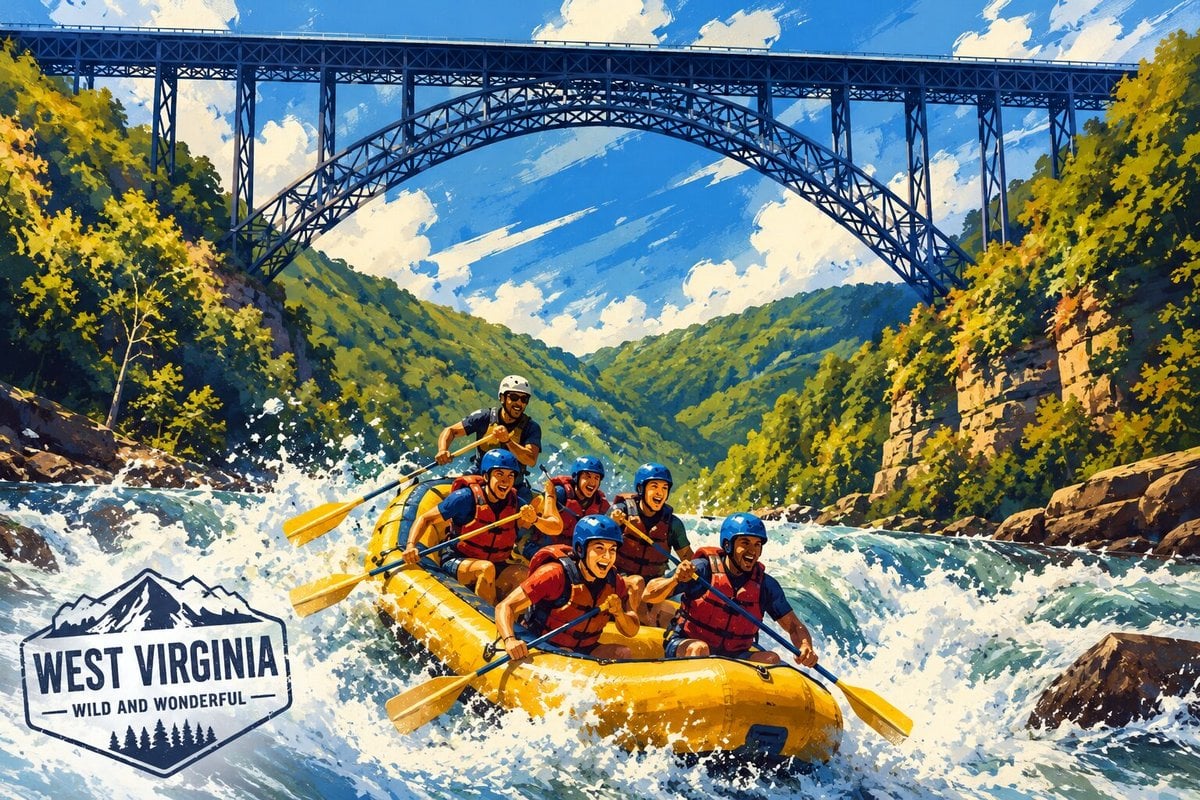
FAYETTEVILLE, W.Va. — Travelers planning a whitewater rafting vacation in the East have no shortage of options. Pennsylvania is known for the Youghiogheny. Tennessee has the Olympic-tested Ocoee. North Carolina offers the Nantahala and French Broad.
So why do experienced paddlers—and so many first-time visitors—keep choosing West Virginia?
Ask the state’s rafting outfitters and tourism leaders. Their answers are remarkably consistent. Nowhere else in the East offers the same combination of world-class whitewater, breathtaking scenery, outdoor adventure, and nationally recognized rivers, all in a single destination.
From easy family floats on the New River to the legendary rapids of the Gauley River, West Virginia delivers one of the nation’s most complete whitewater experiences. Add America’s newest national park, scenic trails, rock climbing, ziplining, Appalachian culture, adventure resorts, and rafting, and it becomes only the beginning of the vacation.
“While those states also offer unique rafting experiences, West Virginia is by far the premier whitewater rafting destination in the East,” said Heather Johnson of River Expeditions. “Plus, a trip to West Virginia affords the opportunity to visit America’s newest national park—the New River Gorge National Park and Preserve. The park offers fun and adventure for all ages and abilities.”
Industry leaders say that’s what truly sets West Virginia apart. Visitors don’t come for just a day on the river. They come for an adventure that stretches from the whitewater to the mountaintops, from small-town main streets to campfires beneath some of the darkest skies in the eastern United States.
More whitewater rafting in one place
Skip Heater, of New & Gauley River Adventures, said West Virginia’s advantage begins with geography.
“West Virginia has the highest concentration of rapids of any state in the nation that can be run without traveling long distances,” Heater said.

That matters for visitors planning a rafting vacation. In many states, a trip may center on a single river or stretch of water. In West Virginia, travelers can choose from a network of commercially rafted rivers, including the New, Cheat, Gauley, Potomac, Shenandoah, Tygart Valley, and others, depending on the season, water levels, location, and experience.
The New and Gauley rivers remain the state’s best-known whitewater destinations. The New River offers trips ranging from relatively gentle family floats to big-water rapids through the New River Gorge. The Gauley River, especially during fall releases from Summersville Dam, is known internationally for powerful whitewater and some of the most challenging commercially rafted rapids in the United States.
That range gives West Virginia an advantage that goes beyond difficulty. It allows outfitters to match trips to families, first-time rafters, adventurous beginners, returning visitors, and experienced whitewater enthusiasts.
Trips for families, beginners, and thrill seekers
Lisa Strader, executive director of the Southern W.Va. Convention and Visitors Bureau, said the strength of West Virginia rafting is not just that the state offers high-adventure trips. The region offers something for nearly every type of visitor.
“Having the best whitewater opportunities on the East Coast means more than just providing access to high-adventure trips,” Strader said. “It means having a diverse menu of adventures for families with kids as young as five, white-knuckle trips for those who seek that surge of adrenaline, and everything in between.”
That “everything in between” may be the key to West Virginia’s appeal.
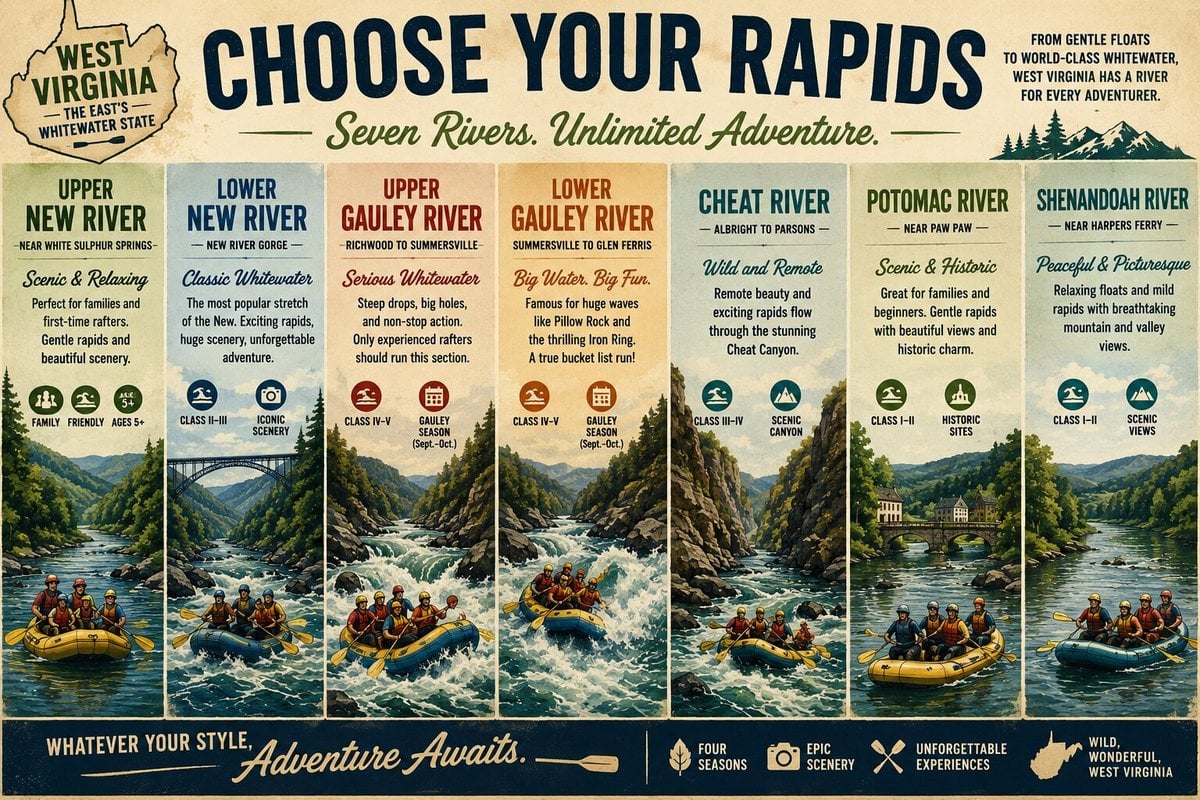
A family with young children may choose a scenic float on calmer water. A group of first-time rafters may want the excitement of the Lower New River, while experienced paddlers may plan an entire trip around the Gauley.

Travelers unsure which river best fits their interests can explore WVExplorer’s Whitewater Rafting Travel Guide, which compares West Virginia’s major rafting destinations, trip styles, and seasonal opportunities.
Others may build a vacation that includes rafting one day, hiking or climbing the next, and exploring Fayetteville, Hinton, Summersville, Lansing, Oak Hill, or other nearby communities.
Strader said the setting and quality of the experience are consistent across those different kinds of trips.
“The one thing that is consistent from the floats to the Class V rapids is the beauty of the region, the rivers, and the excellent quality of our outdoor adventure companies and the highly trained guides that they employ,” she said.
The New River Gorge changed the vacation
The redesignation of the New River Gorge as a national park and preserve has also changed how many travelers view West Virginia.
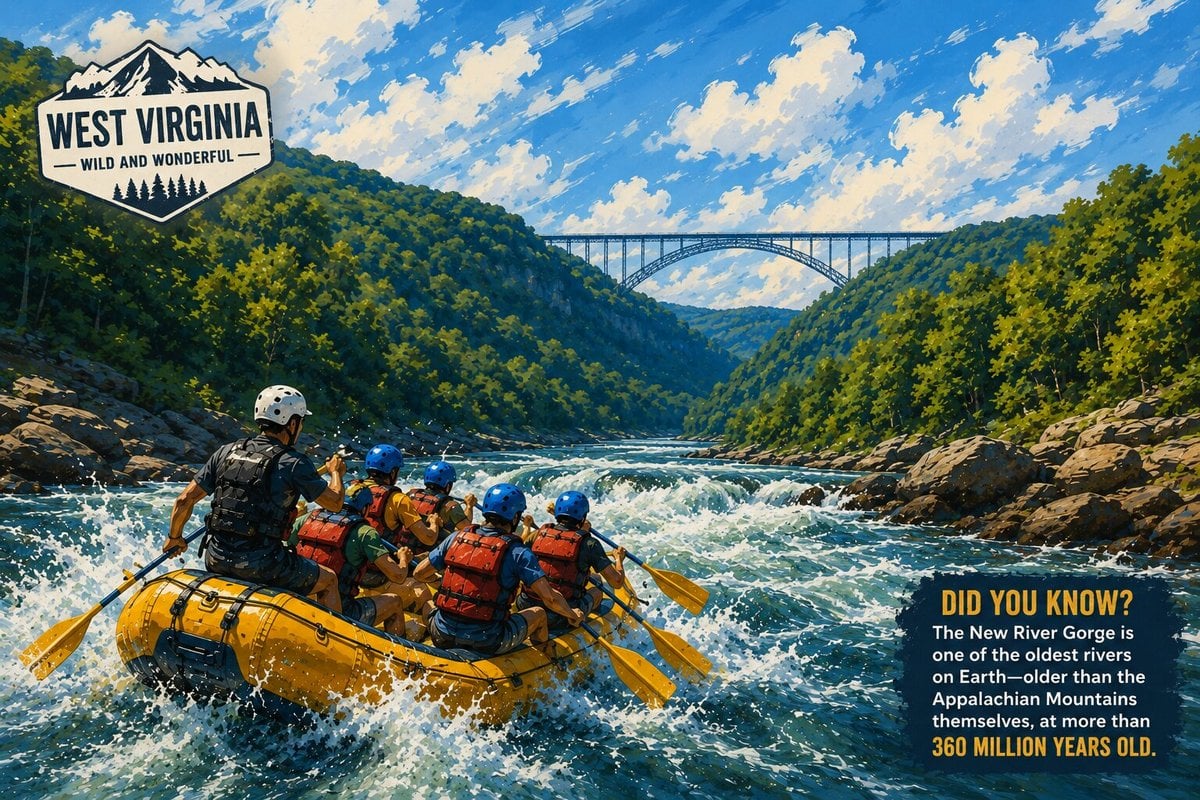
For decades, the New River Gorge has been famous among rafters, climbers, hikers, and paddlers. But national park status gave the region a new level of recognition among travelers who may never have considered southern West Virginia for a summer vacation.
Johnson said that distinction gives West Virginia a major advantage. A rafting trip here is not only a river trip. It can also be a trip to a national park.
Visitors can raft below the New River Gorge Bridge, hike to overlooks, visit historic coal towns, explore trails, book cabins or campgrounds, and experience a region where outdoor recreation has become central to the local economy.
For many travelers comparing destinations, that matters. Tennessee, North Carolina, Pennsylvania, and Virginia all offer strong whitewater experiences. But West Virginia’s best-known rafting region is tied directly to one of the newest and most visible national parks in the country.
More than a rafting trip
Rob Dobson, of West Virginia Adventures, said that when travelers compare West Virginia with other eastern rafting destinations, the differences are not found only on the river.
“When people think about a rafting vacation, they often compare West Virginia to destinations in Tennessee, North Carolina, Pennsylvania, or Virginia,” Dobson said. “What makes West Virginia different is that rafting here is only part of the experience.”
Dobson said the New River Gorge region combines whitewater, scenery, culture, food, music, small towns, and other outdoor adventures in a way that few eastern destinations can match.
“The New River Gorge is America’s newest national park, and nowhere else in the East combines world-class whitewater, breathtaking mountain scenery, rich Appalachian culture, and outdoor adventure quite like this region,” he said. “In a single weekend, visitors can raft legendary rivers like the New and Gauley, hike scenic trails, cross the New River Gorge Bridge, explore charming mountain towns, enjoy local food and music, and experience some of the most beautiful landscapes in the country.”
That broader vacation appeal is important because many travelers are no longer looking for a single activity. They want a full weekend or multi-day itinerary.
In West Virginia, a rafting trip can be paired with rock climbing, ziplining, mountain biking, fishing, hiking, scenic drives, live music, local dining, or visits to historic sites. That variety helps the region compete not only with other rafting destinations but also with broader outdoor vacation markets across the eastern United States.
One river, many experiences
Dobson said the New River itself is part of what makes the state unusual.
“The rafting itself is also unique,” he said. “The New River offers everything from family-friendly adventures to exciting Class IV and V rapids, making it perfect for first-time rafters and experienced paddlers alike. Few destinations can provide that range of experiences on one river.”
That flexibility helps explain why the New River has remained central to West Virginia tourism. The Upper New is commonly used for families, younger rafters, and first-time trips. The Lower New, which passes through the heart of the gorge, offers larger rapids, dramatic canyon scenery, and views of one of the state’s most recognizable landmarks.
The Gauley adds another level to the state’s whitewater identity. During scheduled fall releases, the river draws visitors from across the country for a short, intense season that has become one of the signature events in American rafting.
Together, the New and Gauley allow West Virginia to market itself to different audiences at different times of the year.
Guides help tell the story
West Virginia’s rafting industry also depends heavily on guides, many of whom do more than steer boats through rapids.
Dobson said the personal nature of guided trips is part of what visitors remember.
“At West Virginia Adventures, we believe the difference is personal,” he said. “We’re a family-owned, veteran-owned company, and our goal is to treat every guest like they’re part of the family. Our guides don’t just take you down the river. They share the history, wildlife, stories, and hidden gems that make this place special.”
That point is echoed across the industry. Guides often serve as interpreters of the landscape, explaining the river, the geology, local history, wildlife, former mining towns, and the culture of the gorge.
For out-of-state visitors, that can turn a rafting trip into an introduction to West Virginia itself.
Why West Virginia competes so well
The eastern United States has no shortage of rafting destinations. The Ocoee River in Tennessee is known for fast, exciting day trips. The Nantahala in North Carolina is popular with families and beginners. The Youghiogheny in Pennsylvania has a long whitewater tradition. Virginia offers scenic rivers and paddling opportunities tied to the Blue Ridge and Appalachian highlands.
West Virginia’s advantage, industry leaders say, is the concentration of experiences.
A visitor does not have to choose among scenery and rapids, family trips and expert-level whitewater, or outdoor adventure and a complete mountain vacation. In southern West Virginia, those experiences are close together.
The result is a destination where rafting can serve as the centerpiece of a larger trip.
For families, it may be the first whitewater adventure. For experienced rafters, it may be a return to the Gauley. For national park travelers, it may be the most memorable way to experience the gorge. For others, it may be the beginning of a broader discovery of West Virginia’s mountains, rivers, food, music, and small towns.
Dobson summed up the argument simply. “You can find whitewater in a lot of states,” he said. “What you won’t find anywhere else is the combination of adventure, hospitality, scenery, and authentic mountain culture that makes a rafting vacation in West Virginia unforgettable.”
Read More: Visitors keep making this mistake when visiting the New River Gorge