Morgantown, West Virginia, is a university city on the Monongahela River in the hills of northern West Virginia. Home to West Virginia University, it is the county seat of Monongalia County and a regional center for education, medicine, business, dining, entertainment, and outdoor recreation.

With a population estimated at 30,293 in 2025, Morgantown is West Virginia’s third-largest city. The university strongly influences the city’s character, and its Morgantown campus enrolled 23,532 students in fall 2025.
For travelers, Morgantown combines a historic downtown and major university campus with a riverfront trail system and easy access to the forested mountains and Cheat River country east of the city.
The combination of educational and recreational facilities, plus access to the Pittsburgh metropolitan area and the Monongahela National Forest, helps make the city one of the most desirable population centers in the Mountain State.
Map of Morgantown, West Virginia
Things to do in Morgantown
Much of Morgantown’s visitor activity is concentrated downtown, around West Virginia University, and along the Monongahela River.
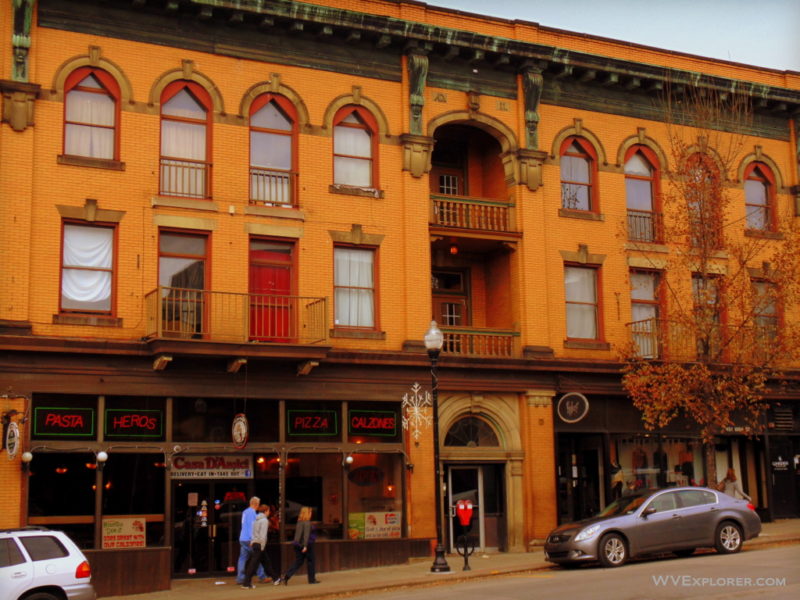
High Street forms the traditional commercial spine of downtown, where restaurants, shops, nightlife, historic buildings, and the Metropolitan Theatre are within walking distance of the university’s downtown campus.
Along the Monongahela River, Hazel Ruby McQuain Park includes the Ruby Amphitheater and provides access to the Caperton Trail. The paved trail passes through Morgantown as part of the Mon River Rail-Trail System.
The regional rail-trail system offers another way to explore the city and surrounding countryside. The Mon River Trail and Caperton Trail follow the Monongahela, while the Deckers Creek Trail begins near the riverfront and climbs eastward along Deckers Creek toward Preston County.

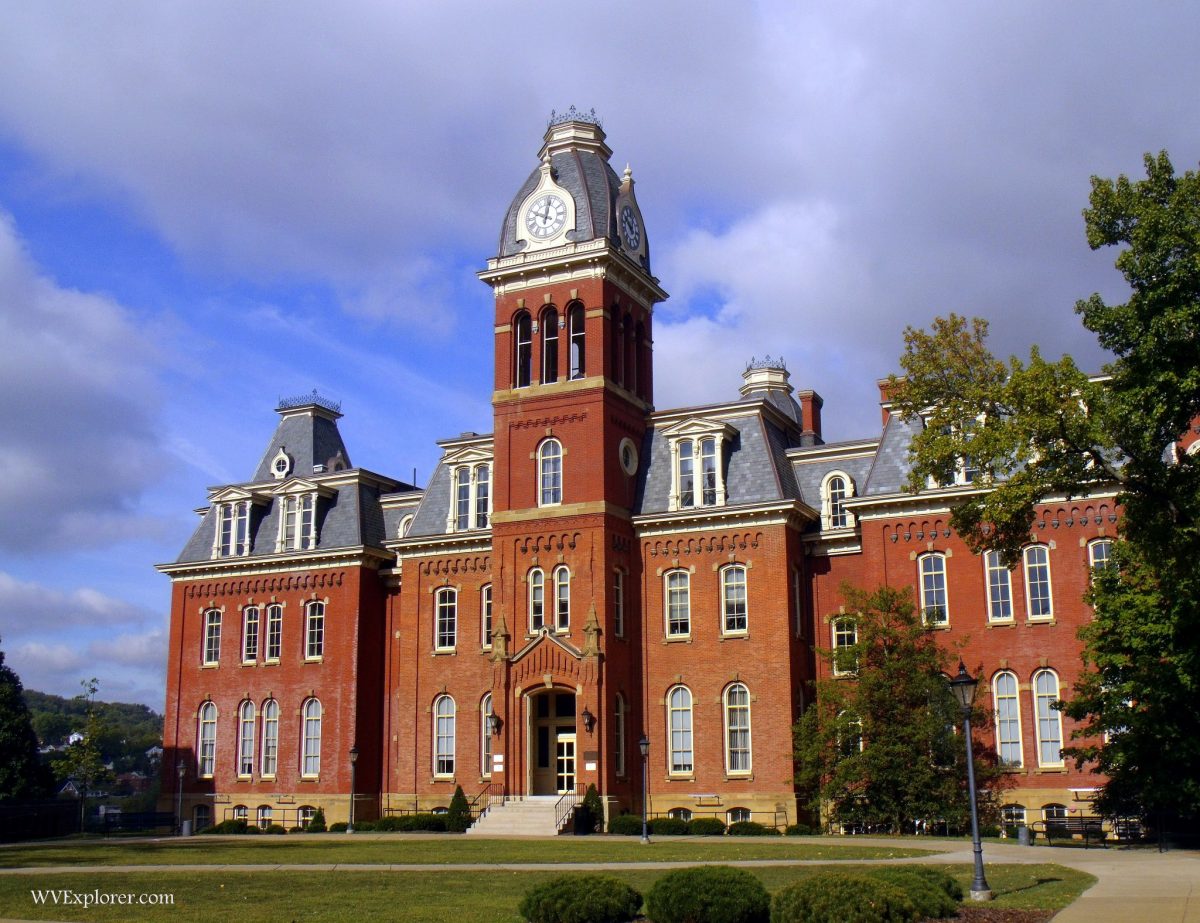
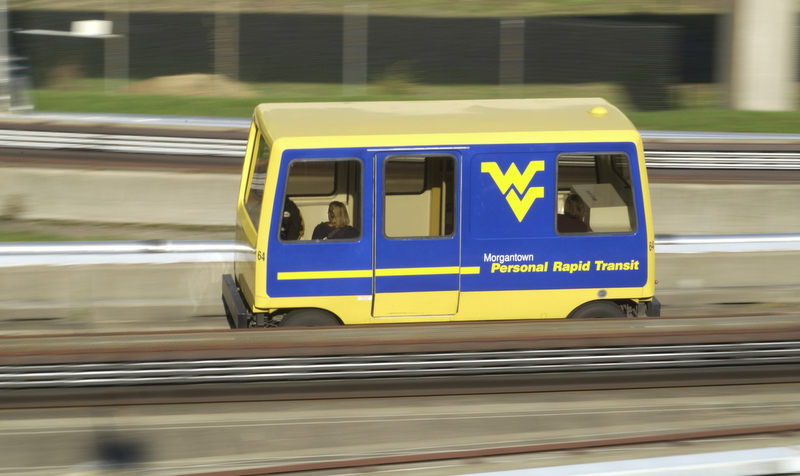
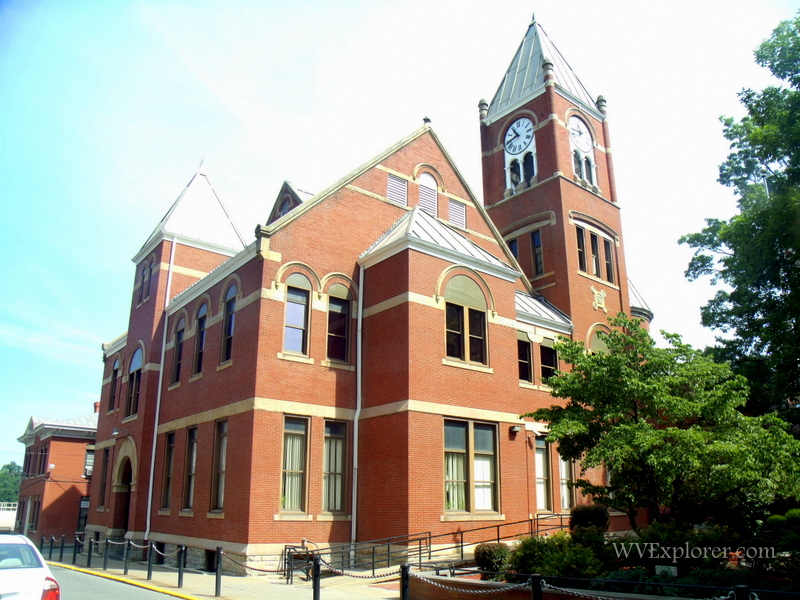
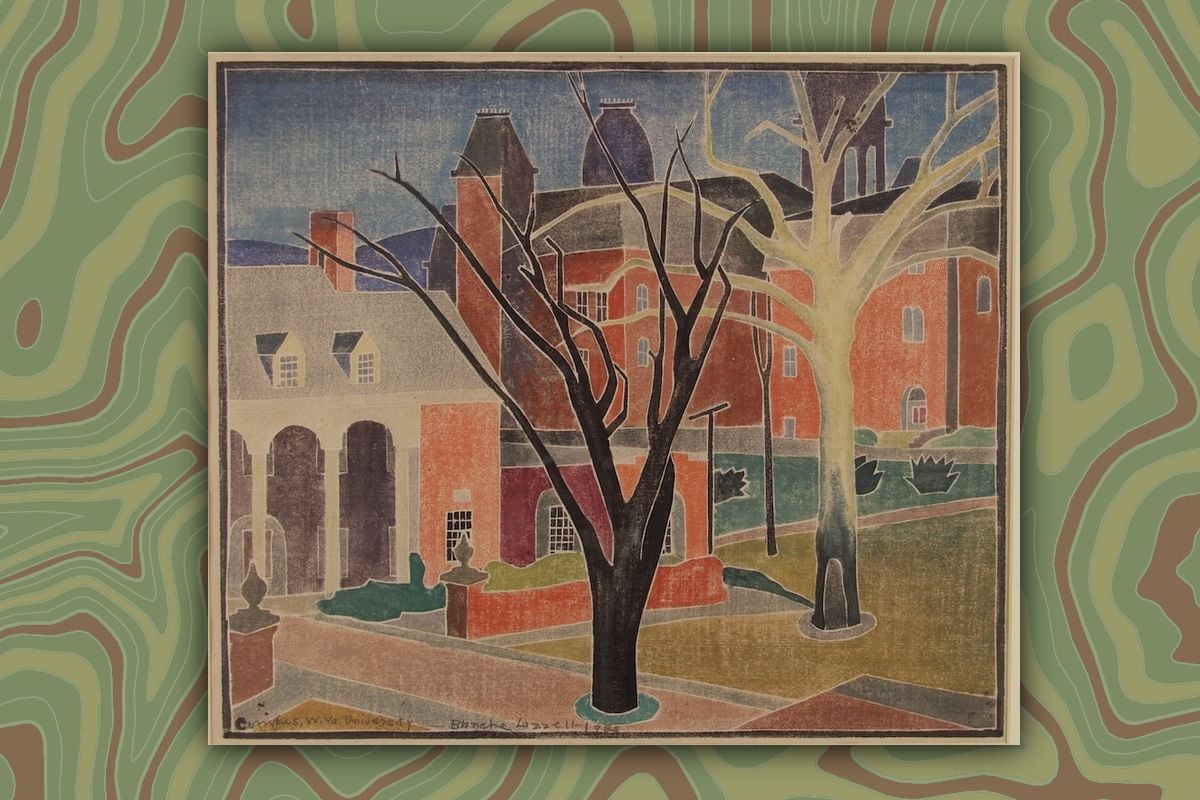
The university and its downtown and Evansdale campuses are two of Morgantown’s defining attractions. The university’s downtown campus includes historic Woodburn Circle and Woodburn Hall, one of West Virginia’s best-known architectural landmarks. Its campuses extend across the city and are linked in part by its Personal Rapid Transit (PRT) system.
College athletics are also central to life in Morgantown. Mountaineer Field at Milan Puskar Stadium hosts WVU football, while the WVU Coliseum hosts basketball and other university sports.
Visitors interested in local history can explore the Downtown Morgantown Historic District and the Morgantown History Museum. The Metropolitan Theatre, which opened in 1924, remains a downtown performance venue.
Outdoor recreation
Morgantown occupies an unusual position between an urban university community and the lofty Allegheny landscape to its east.
The Mon River Rail-Trail System provides 48 miles of recreational trail in north-central West Virginia. Its routes connect Morgantown with communities and countryside along Deckers Creek and the Monongahela River.
Within the city, the WVU Core Arboretum preserves wooded slopes and bottomland along the Monongahela River. To the south, Dorsey’s Knob Park provides broad views across the city and surrounding hills.
Cheat Lake, east of Morgantown, is a popular destination for boating and other water recreation.
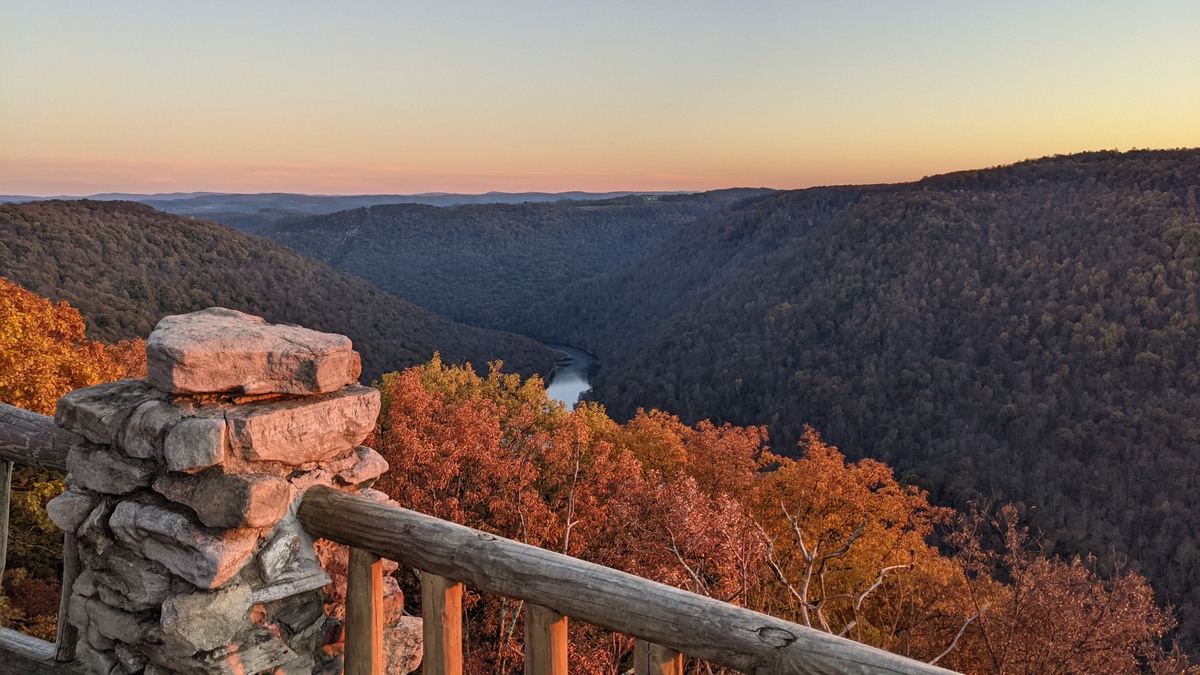
Less than 15 miles from Morgantown, Coopers Rock State Forest overlooks the Cheat River Gorge and includes more than 50 miles of hiking and biking trails, sandstone cliffs, historic sites, camping, and some of northern West Virginia’s best-known scenic overlooks.
The concentration of trails, rivers, cliffs, forests, and university amenities makes Morgantown a useful base for exploring northern West Virginia.
West Virginia University
West Virginia University has shaped Morgantown economically, physically, and culturally for more than 150 years.

The institution was founded in Morgantown in 1867 as the Agricultural College of West Virginia, two years after the West Virginia Legislature accepted the terms of the federal Morrill Act. It became West Virginia University in 1868.
Today, WVU’s Morgantown facilities extend well beyond its original downtown campus. Major university areas include the Downtown, Evansdale, and Health Sciences campuses.
The university reported a fall 2025 Morgantown enrollment of 23,532 students, including students from all 55 West Virginia counties, 49 states and the District of Columbia, and 95 nations.
History of Morgantown
Morgantown developed at the confluence of Deckers Creek and the Monongahela River, where transportation, waterpower, and fertile river valleys encouraged settlement.

An earlier attempt to settle the area ended violently in 1759, when a group of Mingo and Delaware warriors attacked a settlement near the mouth of Deckers Creek in present-day downtown Morgantown, killing several settlers, taking at least one captive, and destroying the settlement during the French and Indian War.
Zackquill Morgan, son of early western Virginia settler Morgan Morgan, settled in the area again in the early 1770s and had a town surveyed on his land in 1783; in 1785, the Virginia General Assembly established “Morgan’s Town.”
The original settlement occupied what is now downtown Morgantown. Small industries developed along Deckers Creek and the Monongahela River, and the river became an important transportation route.
During the late 18th and early 19th centuries, Morgantown served as a departure point for migrants and commerce moving down the Monongahela toward the Ohio River.
The establishment of what became West Virginia University in 1867 transformed the community. Transportation improvements, industry, commerce, and later the growth of health care and research further expanded the city’s regional importance.
Morgantown absorbed several neighboring communities as it grew. In 1901, Greenmont, Seneca, and South Morgantown were annexed as part of the modern city.
The Monongahela River
The Monongahela River is fundamental to Morgantown’s location and history. It flows north from West Virginia into Pennsylvania, eventually joining the Allegheny River at Pittsburgh to form the Ohio River. Morgantown developed along its eastern bank below the mouth of Deckers Creek.
The river that once supported boat-building, industry, and commercial transportation now also forms one of the city’s principal recreational corridors. Parks and the trail system have returned much of the waterfront to public use.
Location
Morgantown is located in Monongalia County in northern West Virginia, near the Pennsylvania border. Interstates 68 and 79 meet near the city, making Morgantown readily accessible from Pittsburgh, western Maryland, and other parts of West Virginia. U.S. routes 19 and 119 also serve the area.
Fairmont is approximately 20 miles southwest, while Pittsburgh is roughly 75 miles north by highway. The neighboring municipalities of Westover, Granville, and Star City are part of the larger Morgantown urban area but remain separate communities.
Nearby attractions
Travelers using Morgantown as a base can reach several significant northern West Virginia destinations within a relatively short drive.
Coopers Rock State Forest lies east of the city above the Cheat River Gorge. Prickett’s Fort State Park, near Fairmont, interprets frontier life in the upper Monongahela Valley. The historic New Deal community of Arthurdale is southeast of Morgantown in Preston County.
The mountains east of the city also lead toward some of West Virginia’s principal outdoor recreation areas, including the Cheat River watershed and the Allegheny Highlands.
Morgantown at a glance
County: Monongalia County
Region: Monongahela Valley / northern West Virginia
Population: 30,293 estimated in 2025
Founded: Town established in 1785
Major institution: West Virginia University
Principal river: Monongahela River
Major highways: I-68, I-79, U.S. 19, U.S. 119
Nearby outdoor destination: Coopers Rock State Forest
Location
Morgantown sits on highways US-19 and US-119, about 20 miles northeast of Fairmont, West Virginia, 50 miles southeast of Washington, Pennsylvania, and 70 miles west of Cumberland, Maryland. Expressways I-79, I-68, and WV-43 converge along the city’s flanks. Osage, Star City, Granville, Westover, and Sabraton border Morgantown but remain independent.
Regional Information
Morgantown is located in the Monongahela Valley Region in northern West Virginia.
Latest Morgantown News
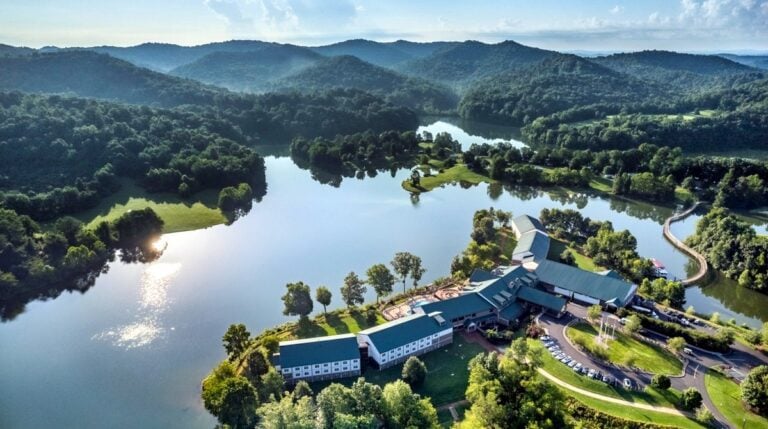
West Virginia resort Stonewall ranks among South’s best in Condé Nast Traveler awards
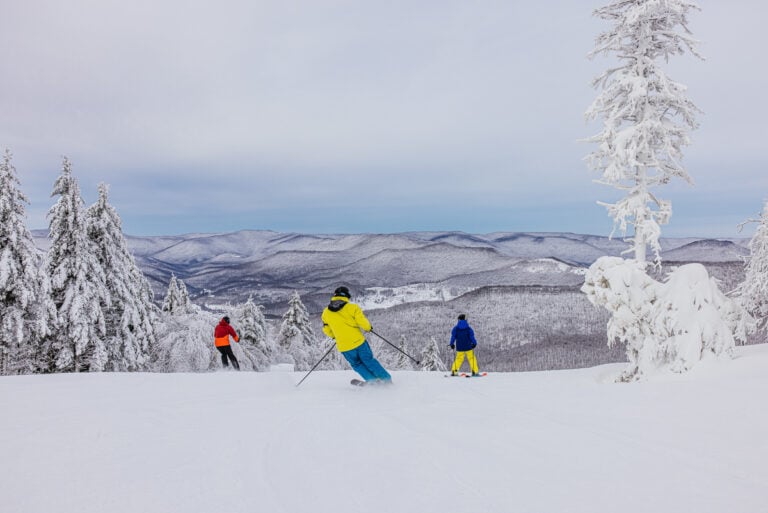
Snowshoe sets Nov. 25 opening date as West Virginia ski season approaches

Fewer acorns could mean more deer sightings for West Virginia hunters this fall
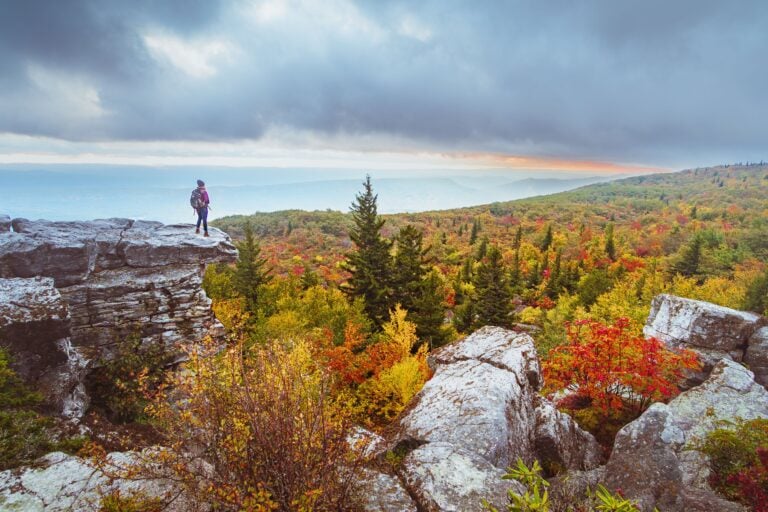
West Virginia’s first fall colors are appearing in these high mountain areas
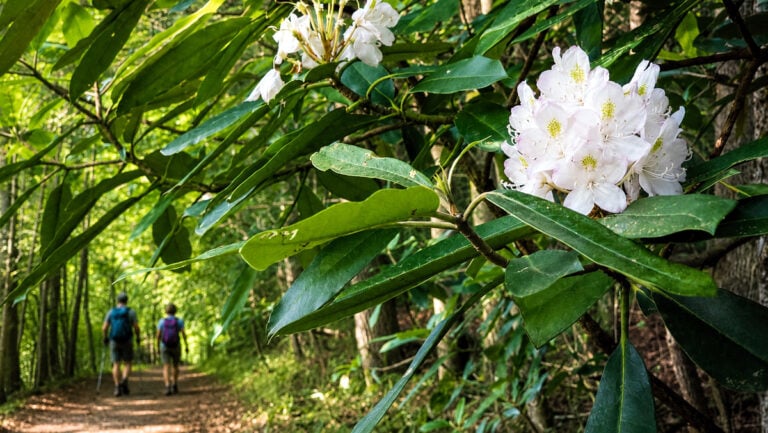
Nearly $20 million in upgrades coming to West Virginia state parks