
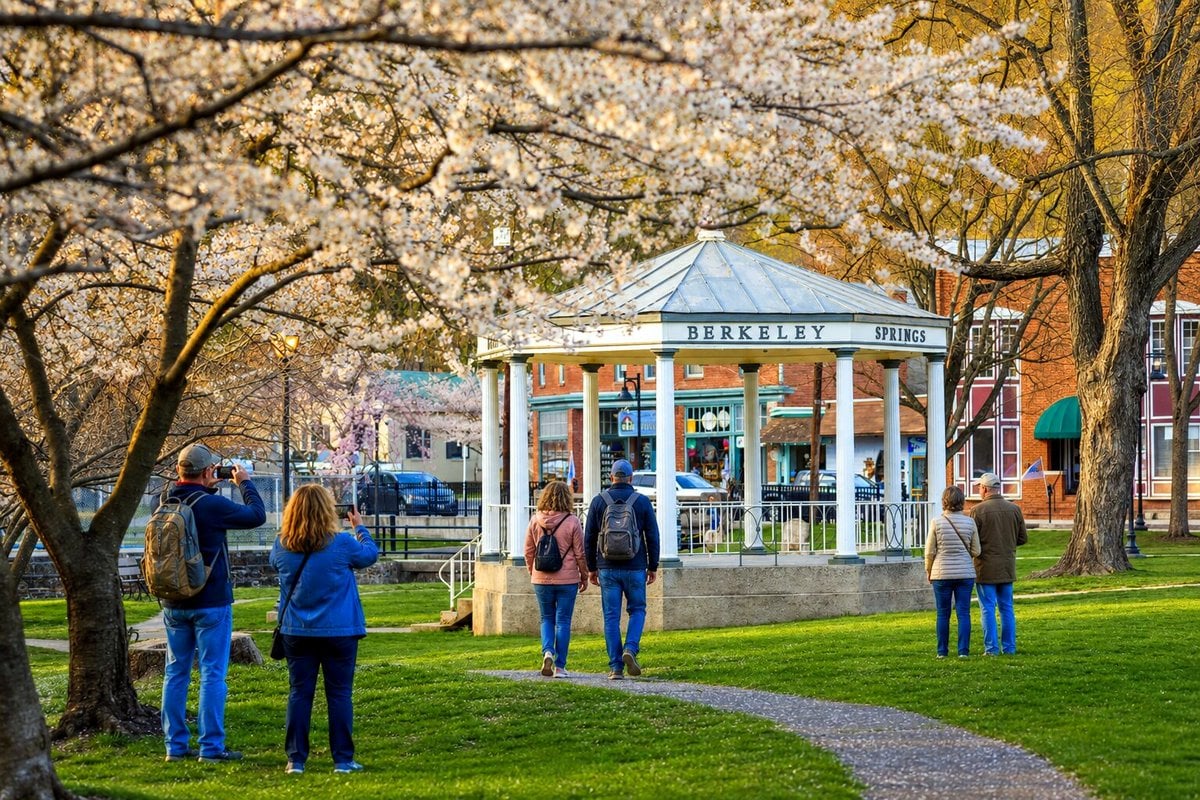
BERKELEY SPRINGS, W.Va. — It happens often enough that locals know where the conversation is headed. A visitor walks into a shop or hotel and asks a front-desk clerk a seemingly simple question: “So, where is Bath?” The answer usually surprises them: “You’re in Bath.”

Although the Morgan County community is widely known as Berkeley Springs across West Virginia and far beyond, the incorporated town’s official name remains “Bath.” It has been that way since 1776, when Virginia lawmakers established the town around the warm mineral springs that still flow in the center of the community.
Nearly 250 years later, both names remain in daily use. Local government operates as the Town of Bath. Visitors mail postcards from Berkeley Springs. Travelers book rooms, search maps, and plan spa weekends under one name while standing in a town legally known by another.
For Dusty Martin, executive director of Travel Berkeley Springs, the confusion has become part of the visitor experience.
“When visitors walk around town, you’ll often hear them asking shop owners, front desk clerks, and locals, ‘So where is Bath?'” Martin said. “The conversation always progresses the same way: ‘You’re in Bath.’ ‘But I thought this was Berkeley Springs?’ The short history lesson that follows leaves visitors with a feeling that we really appreciate and cherish our history.”
A town with two names
Berkeley Springs is the county seat of Morgan County and one of West Virginia’s best-known small resort towns. But historically and legally, it began as Bath.
Stephanie Earls, a journalist and Berkeley Springs native, explains the distinction in the West Virginia Encyclopedia. The town was originally called Bath, after the English resort city famous for its mineral springs. In the early 1800s, the post office was renamed Berkeley Springs, but the official municipal name remained Bath.
That left the community with two identities. One name reflects its legal origin, while the other reflects the springs that made it famous. The arrangement can be confusing for visitors, but it is not treated locally as a problem to be solved. Instead, it has become part of how the town explains itself.

“Storytelling is so important,” Martin said. “When visitors ask, ‘What’s the difference between Berkeley Springs and Bath?’ of a local, they get a story in return. That story turns into a conversation. Most importantly, they leave that conversation with a stronger sense of connection to the community and the history that we are so proud of.”
Why was the town named Bath?
The original name was no accident. Bath was named for Bath, England, one of Europe’s most famous spa cities. The comparison was deliberate. The mineral springs in what is now Morgan County had already drawn attention long before the town was formally established.

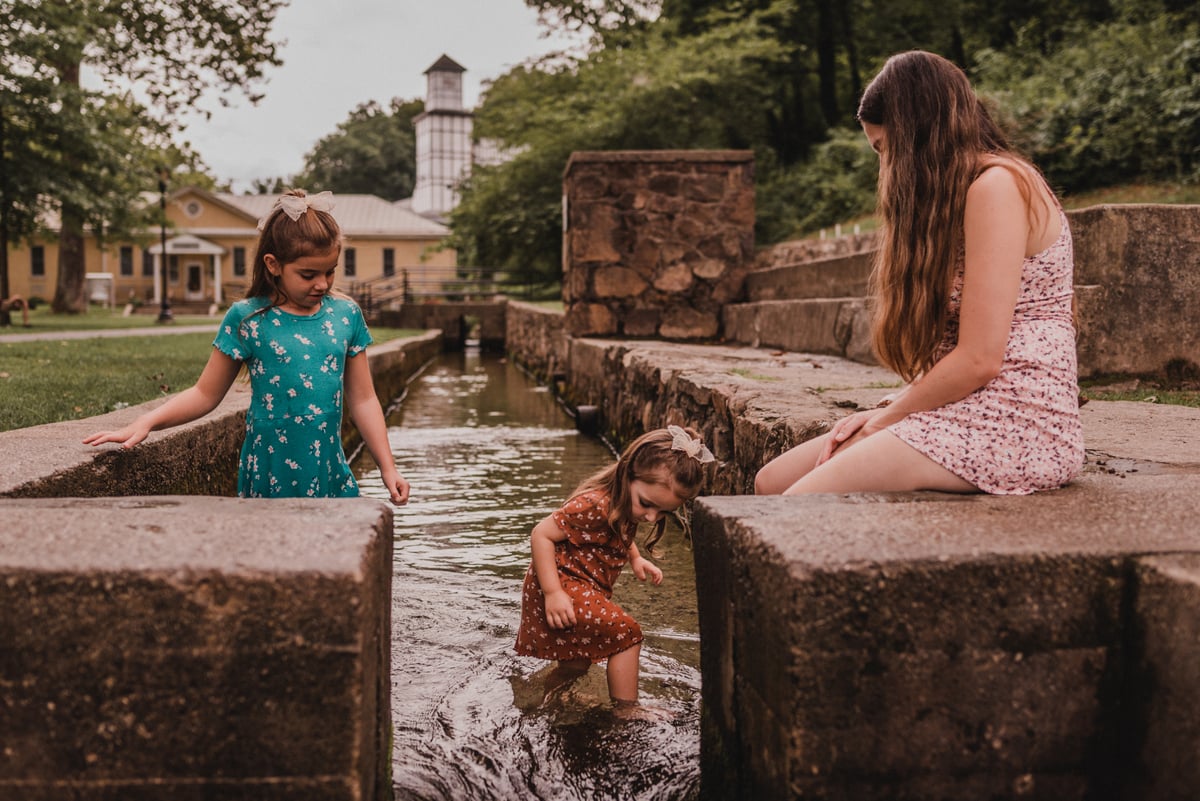
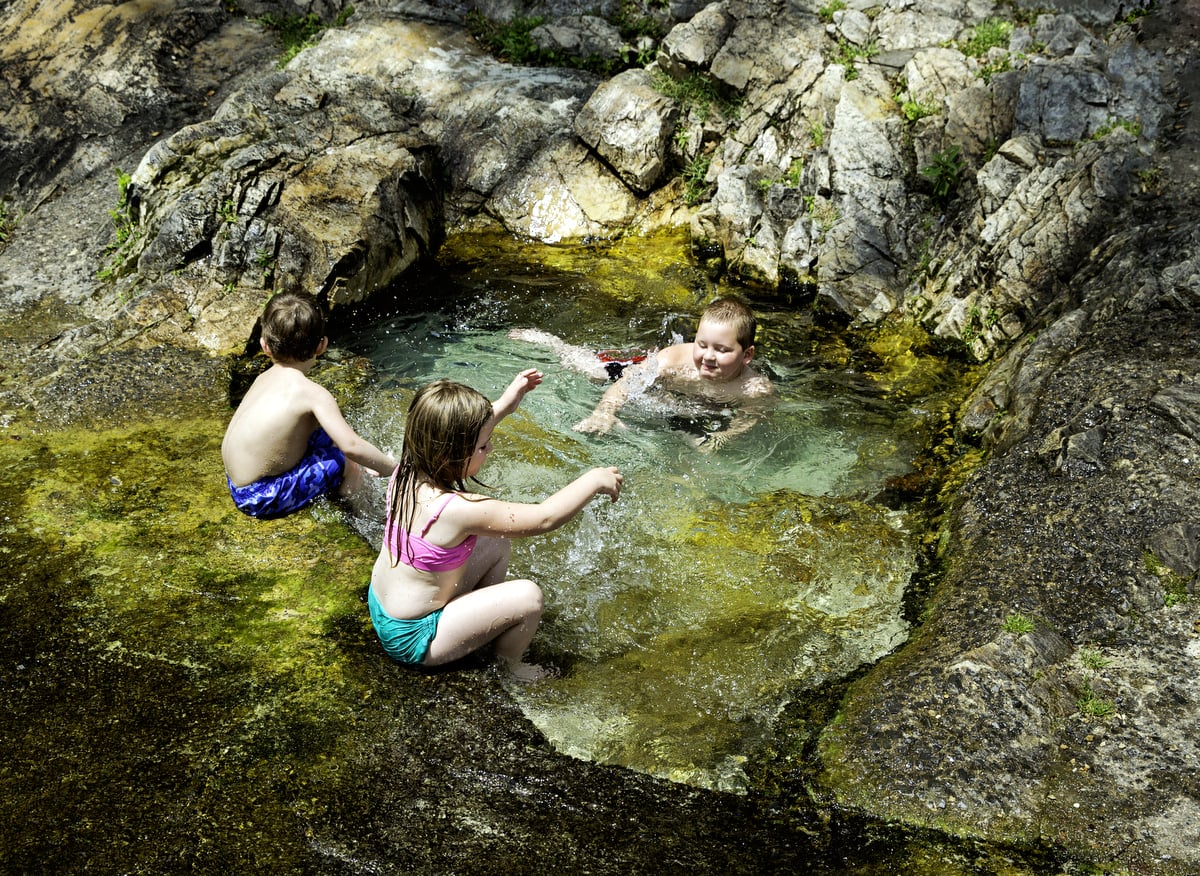
The springs were known to Native Americans and later to colonial visitors, who believed the waters had healing properties. The warm mineral water flows at a constant temperature of about 74.3 degrees, making the springs unusual and reliable enough to support a resort community.
On Dec. 6, 1776, the Virginia House of Burgesses established the town of Bath after the sixth Lord Fairfax deeded 50 acres surrounding the springs to Virginia. The timing is striking. Only months after the Declaration of Independence was adopted, Virginia was creating a town centered on health, travel, and the promise of mineral waters.
Martin said that history is central to the town’s identity. “Bath was named after Bath, England, in an effort to create the first ever town in America specifically developed as a spa town,” he said.
That point has taken on new importance as local leaders have worked to draw attention to Bath’s place in American spa history. Martin said the town’s recognition as America’s first spa town has helped bring renewed attention to a story that many visitors never fully understood.
George Washington and the early resort
The springs were already well known before Bath was incorporated. George Washington first visited the area as a young man while surveying the region. He returned later in life and became one of the town’s prominent figures. Washington purchased property there, and the community’s main thoroughfare still bears his name.
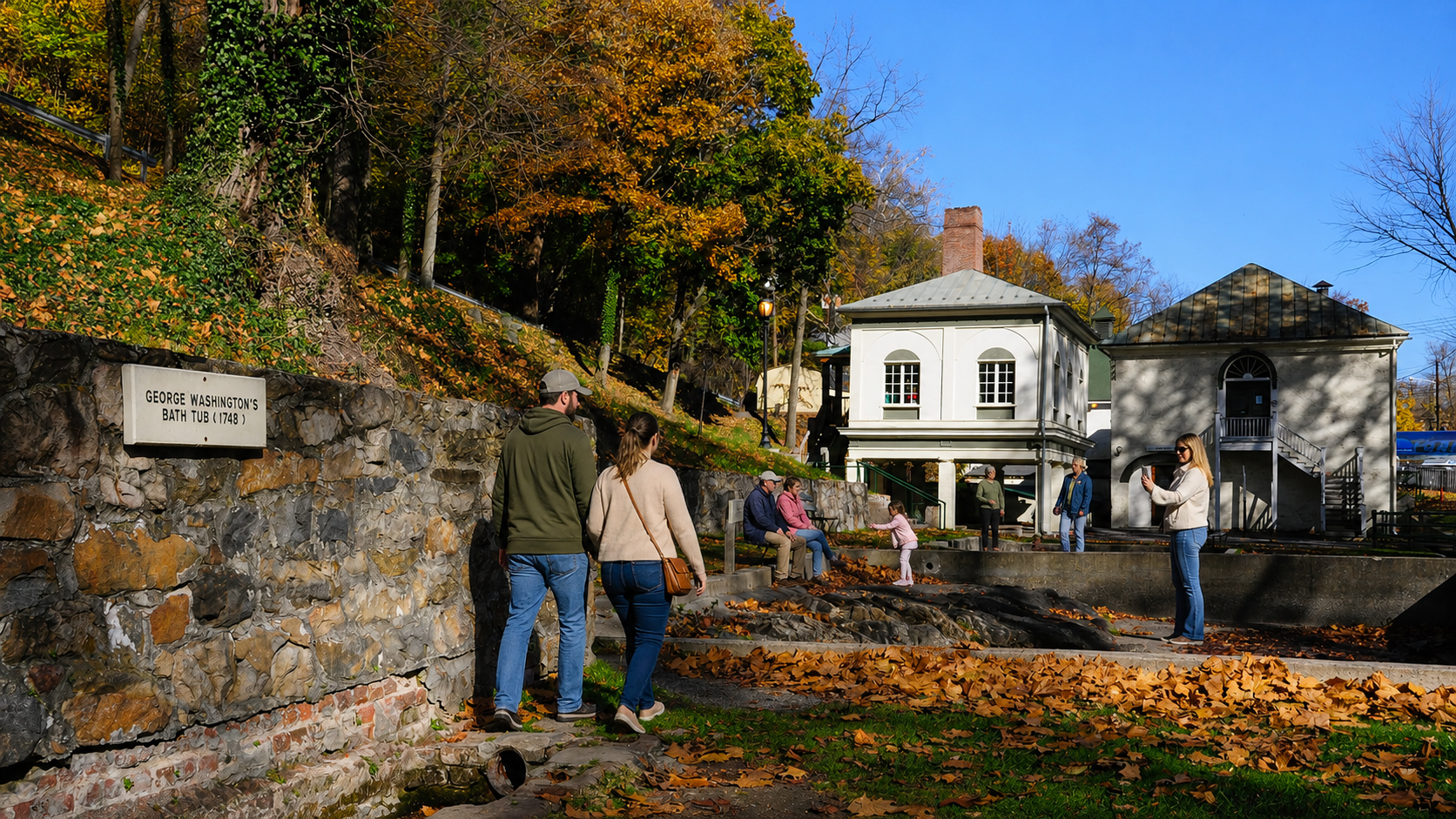
His connection remains one of the strongest links between Berkeley Springs and the broader story of early America. The springs were not simply a local curiosity. They were part of a larger colonial and early national culture in which mineral springs were sought for health, status, leisure, and social life.
After the Revolutionary War, Bath grew as a resort town. Visitors came for the waters and for society. Prominent landowners, military figures, public officials, and entrepreneurs bought property or spent time there.
Among them was James Rumsey, an inventor associated with early steamboat development. Rumsey lived in the area and oversaw the construction of spa buildings. Gen. Horatio Gates and members of the Washington family also owned property.
The community’s appeal was both practical and social. It offered mineral baths, a mountain setting, and a place where people from the young nation’s political and commercial circles could gather away from larger cities.
Why Berkeley Springs became the common name
The name Berkeley Springs entered wider use through the postal system. In the early 19th century, the post office name was changed from Bath to Berkeley Springs. The change helped distinguish the community from other towns named Bath and emphasized the mineral springs that had become the town’s defining attraction.
Over time, the postal name became the one most outsiders knew. That pattern was reinforced by travel, commerce, and tourism. Visitors searched for Berkeley Springs. Businesses advertised Berkeley Springs. Maps and guidebooks used Berkeley Springs. Eventually, the tourism identity became stronger than the municipal name in the minds of many travelers.
But the official name did not disappear. That is why both names are still correct, depending on the context. Berkeley Springs is the postal and widely recognized tourism name. Bath is an incorporated town.

For visitors, that distinction can feel like a trick question. For locals, it is part of the town’s character.
A resort town built around water
Either name endured because of the water. The mineral springs remain the center of the community. Berkeley Springs State Park preserves the historic downtown spring area, where visitors can still see the waters that made the town famous.
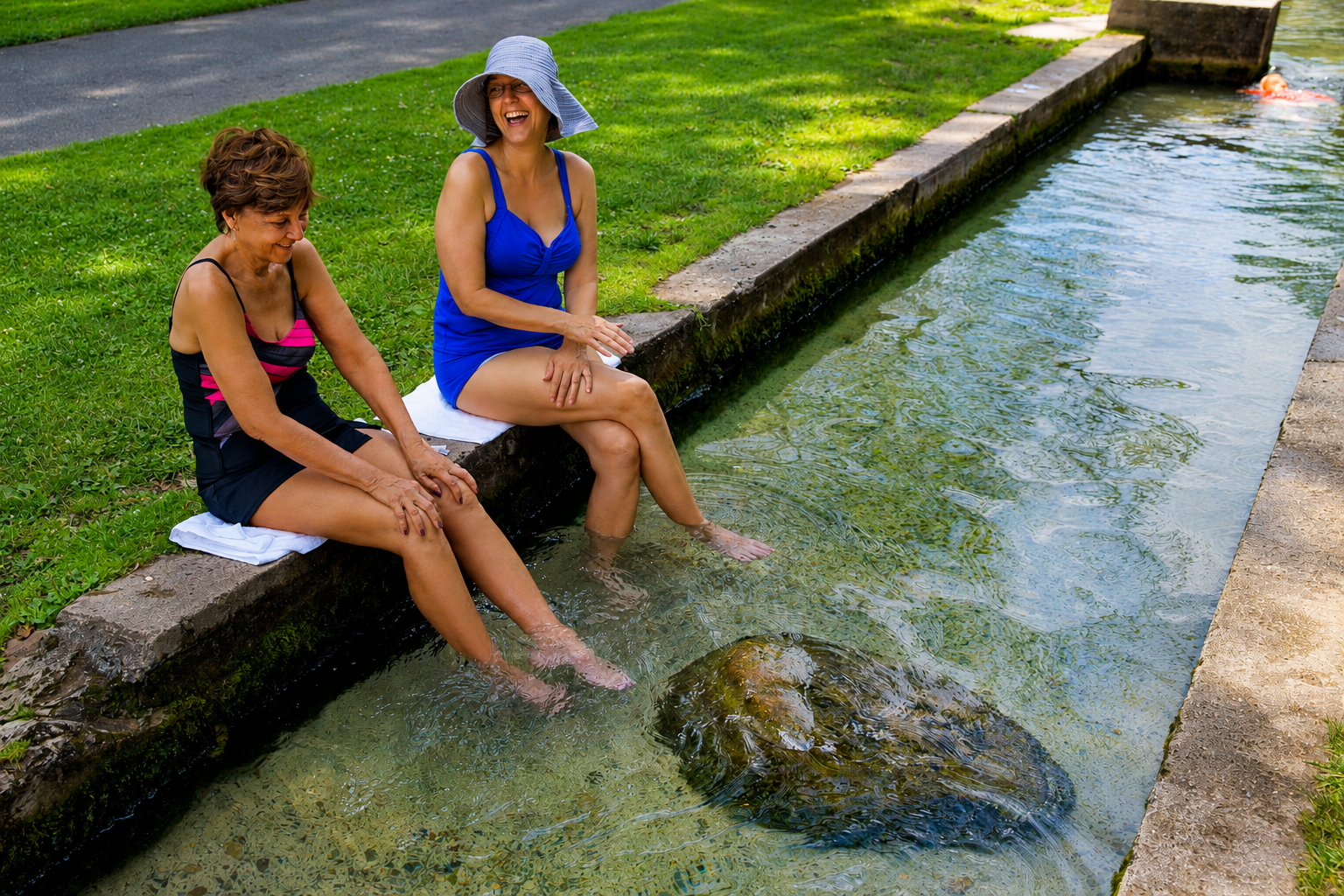
The springs number five, including Fairfax Spring and Gentlemen’s Spring. Their steady temperature and long reputation for health benefits made the town one of America’s earliest spa destinations.
In the 19th century, Bath prospered as a resort. Large hotels served visitors who came for the waters and the mountain air. The town developed the kind of social life common to spa towns of the era, with public baths, lodging, dining, and recreation built around the seasonal flow of guests.
The resort economy shaped the town’s identity. Even fires, wars, and economic changes did not erase the community’s connection to the springs.
Berkeley Springs has been rebuilt many times. Major fires destroyed much of the town’s main street in 1844 and later consumed important hotels and public buildings, including the St. Elmo Hotel in 1890, the Berkeley Springs Hotel in 1898, and the Fairfax Inn in 1901. A 1974 fire that began in the Washington Hotel killed 12 people, one of the deadliest fires in West Virginia history.
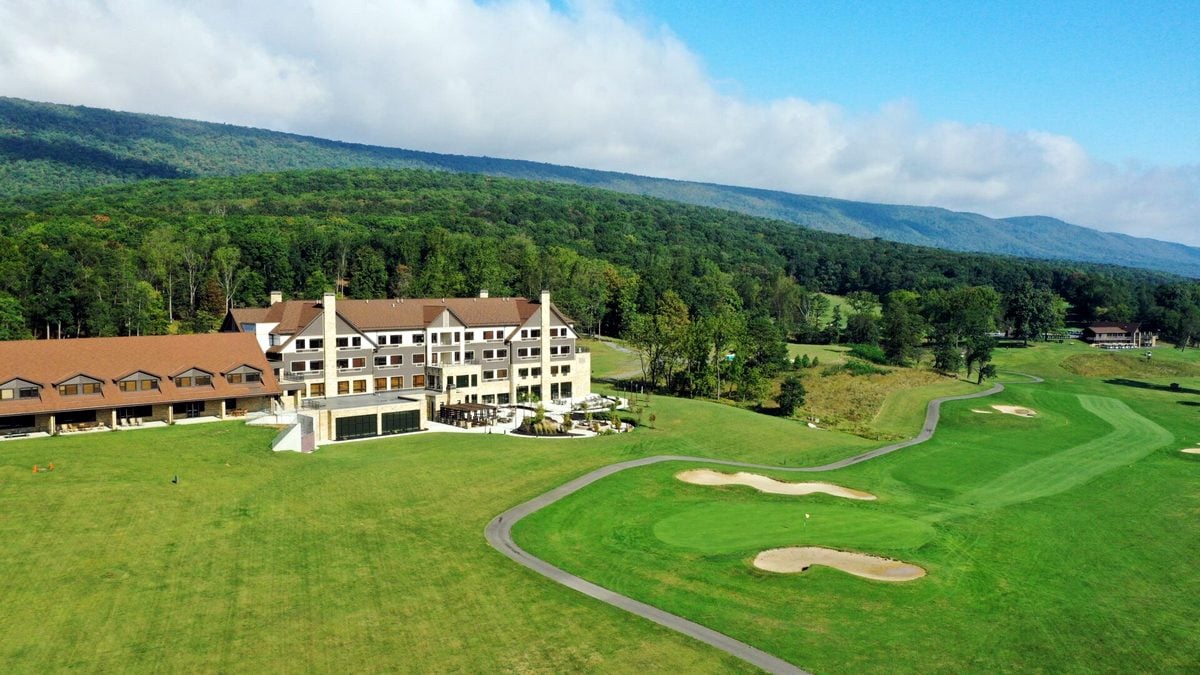
Yet the town remained tied to tourism, healing, and hospitality. The Country Inn, built in 1932, continues that lodging tradition near the historic springs. The annual Apple Butter Festival, Berkeley Springs International Water Tasting, spas, galleries, shops, and restaurants all reflect a community still built around visitors.
The community’s historic character has also received national recognition. In 2009, the Town of Bath Historic District was listed on the National Register of Historic Places, recognizing the town’s well-preserved streetscape and its importance as one of America’s earliest spa communities.
A name that nearly hid the original story
Martin said the rise of the Berkeley Springs name nearly obscured the significance of Bath. “That legacy was nearly wiped from history due to the strange arrangement of our postal code,” he said.
For many visitors, the discovery that Bath still exists is not just a matter of nomenclature. It changes how they understand the town.
What first appears to be a charming spa village in the Eastern Panhandle becomes something older: a community founded in the same year as the United States’ independence, modeled after one of Europe’s most famous resort cities, and still organized around the same springs that drew colonial travelers.
That is why local leaders have leaned into both names rather than choosing one. Berkeley Springs is the name most travelers recognize. Bath is the name that explains why the town exists. Together, they tell the fuller story.
Why locals have kept both names
Many towns have changed names. Others have old names that survive only in archives or local memory. Bath is different.
Its original name remains official, even as Berkeley Springs became the name most people use. That has created a rare civic identity in which the legal name, postal name, tourism brand, and local history all overlap without fully replacing one another.
For Martin, that overlap gives residents and visitors an opportunity. A question about a name becomes a conversation about history. A moment of confusion becomes a way to explain the town’s roots. A visitor who came for a spa weekend leaves knowing that the place has a deeper story.
That kind of exchange is hard to manufacture, and in Berkeley Springs, it happens naturally. When visitors ask where Bath is, locals can point in their direction. They are standing in it.
And when they ask why the sign, the map, the mailing address, and the town charter do not all seem to say the same thing, they have stepped into a story that has been unfolding since 1776.
Berkeley Springs may be the name most people know. Bath is the name that started it all.
I live in Webster Springs/ Adison. Same story.
Welcome to West Virginia!