
CHARLESTON, W.Va. — Perhaps most people think of Charleston‘s drinking water as beginning in the Elk River, though researchers point out that it actually starts much farther upstream.

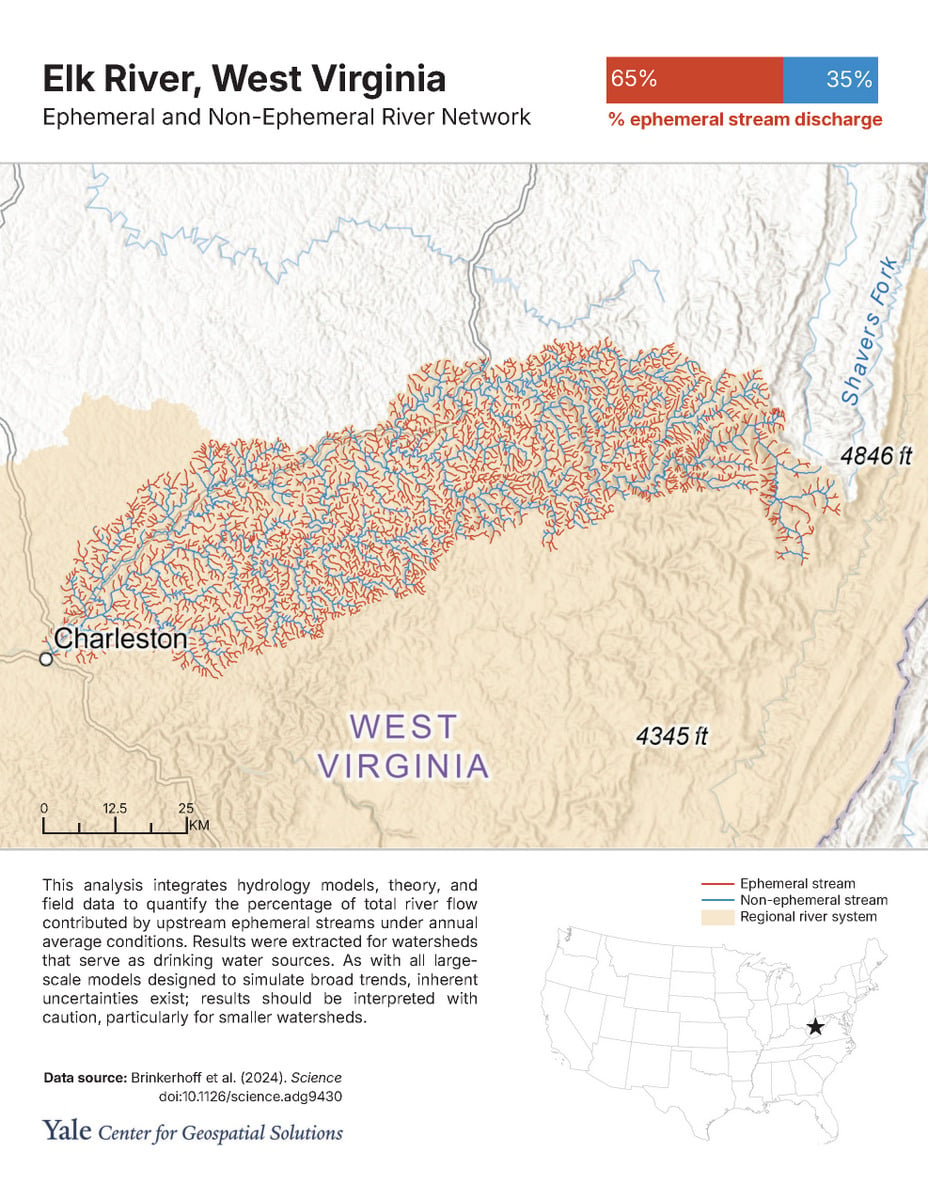
According to a new analysis by scientists at Yale University and the University of Massachusetts, thousands of small mountain streams flowing into the Elk River watershed contribute significantly to the water that eventually reaches taps across the Charleston area.
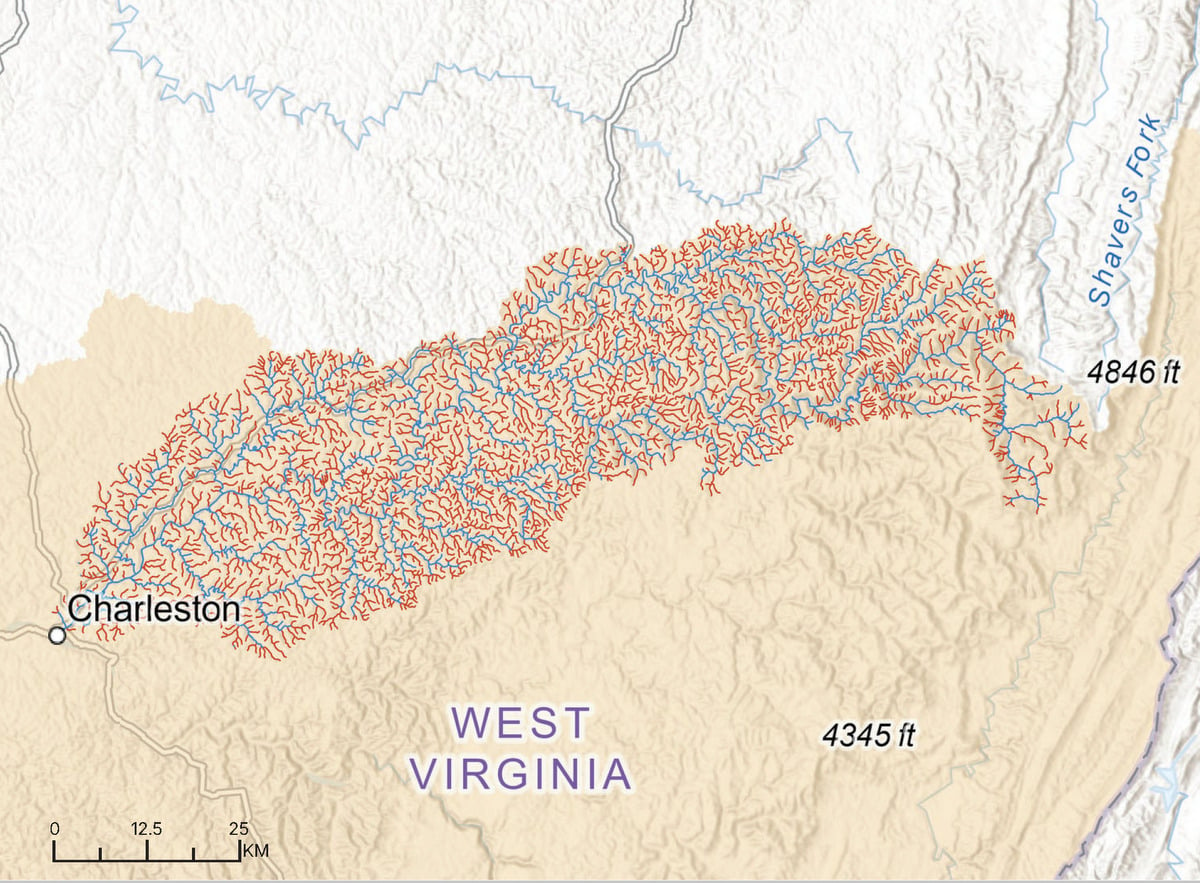
However, the study found that approximately 65 percent of the city’s drinking water originates in headwater streams that currently fall outside federal Clean Water Act protections following a 2023 U.S. Supreme Court decision.
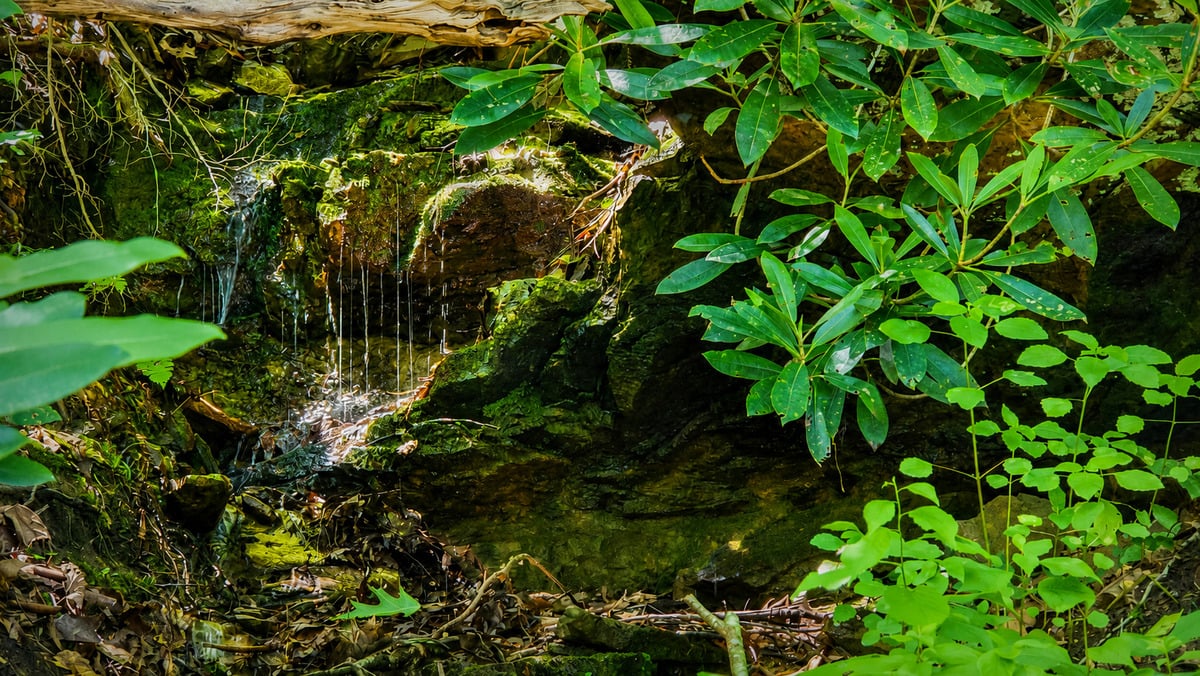
While many of these streams appear only after rainfall or seasonal snowmelt, researchers say they play an important role in maintaining water quality throughout the watershed. In the upper Elk Watershed, many of those streams are located in areas with current or historic mining activity, making protection especially important.
“In West Virginia’s mountains, water moves through a network of small streams before reaching the rivers we depend on for drinking water,” said Autumn Crowe, deputy director of the West Virginia Rivers Coalition. “These may look small on a map, but collectively they have an enormous impact on downstream water quality.”
Using watershed models developed for a nationwide study published in the journal Science, researchers mapped the network of streams feeding the Elk River basin. Their analysis highlights the importance of headwater streams in mountainous regions such as central West Virginia, where water travels through countless small channels before entering larger rivers.
Craig Brinkerhoff, a river scientist and engineer at Yale University, said the findings demonstrate how closely connected stream systems are throughout the watershed.
“Our research shows that small streams exert a meaningful influence on downstream, larger rivers, including systems that supply drinking water,” Brinkerhoff said.

Headwaters often go unnoticed
Many of the streams identified in the study are small enough that they may be overlooked by visitors and even nearby residents.
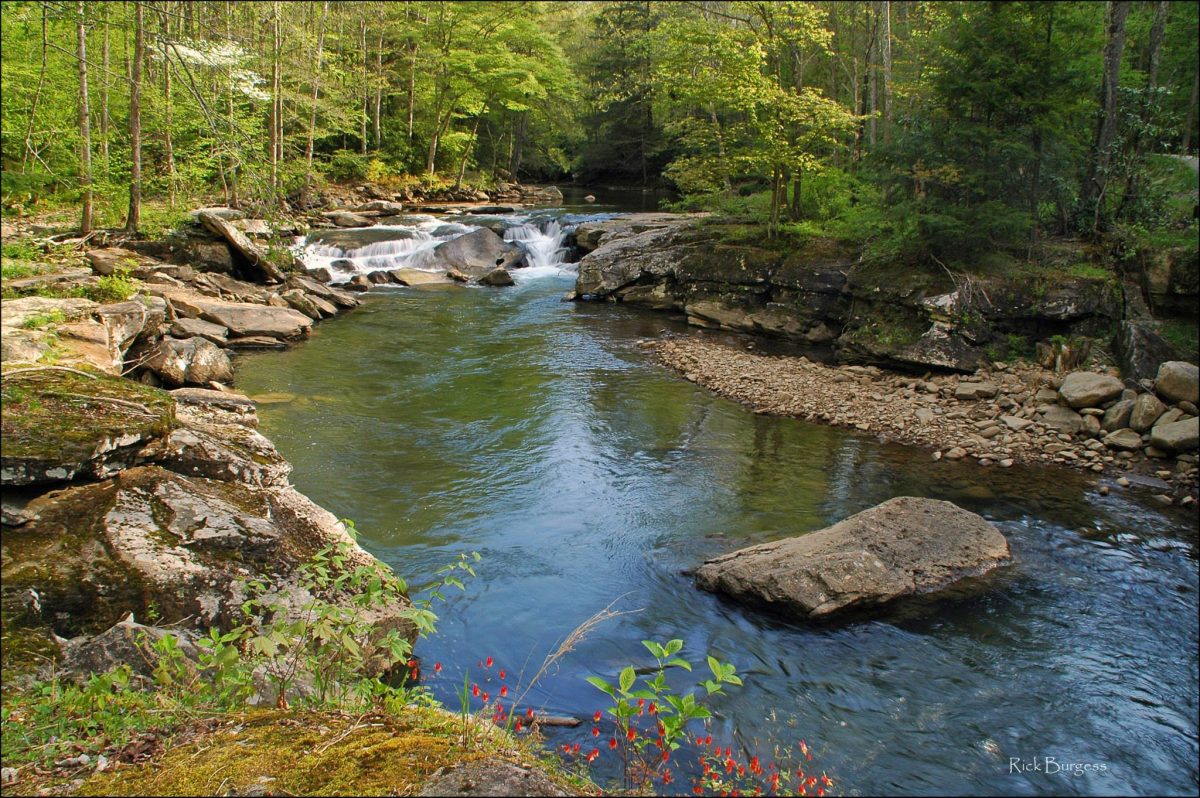
Some flow year-round, while others carry water only during wet periods. Yet collectively they form the upper reaches of the watershed that supplies Charleston’s drinking water.
The study arrives as the U.S. Environmental Protection Agency completes new regulations defining which streams and wetlands qualify for federal protection under the Clean Water Act.
Researchers note that headwater streams also provide habitat for fish and wildlife, help reduce sediment entering larger waterways, and contribute to overall watershed health.
Water quality remains a statewide concern
The report also comes as communities across West Virginia continue to address aging water infrastructure.
The American Society of Civil Engineers recently gave the state’s drinking water infrastructure a D+ grade, citing aging systems, leaking distribution lines, and significant funding needs.
Many West Virginians remain familiar with the challenges of protecting clean water supplies following the 2014 chemical spill into the Elk River that affected drinking water service for hundreds of thousands of residents.
Supporters of stream protections argue that preserving water quality in headwaters can help reduce downstream treatment costs.
“It’s much cheaper to protect these streams from pollution at the source rather than trying to make the water safe through high-cost treatment methods,” Crowe said.
A reminder of how watersheds work
For many residents, the study serves as a reminder that drinking water begins long before it reaches a treatment plant.
In the mountains of West Virginia, water often starts its journey in narrow hollows, forested slopes, and small streams that rarely appear on tourist maps but collectively feed some of the state’s most important rivers.
Researchers say understanding those connections may become increasingly important as communities seek to protect water resources for future generations.
Additional Resources