
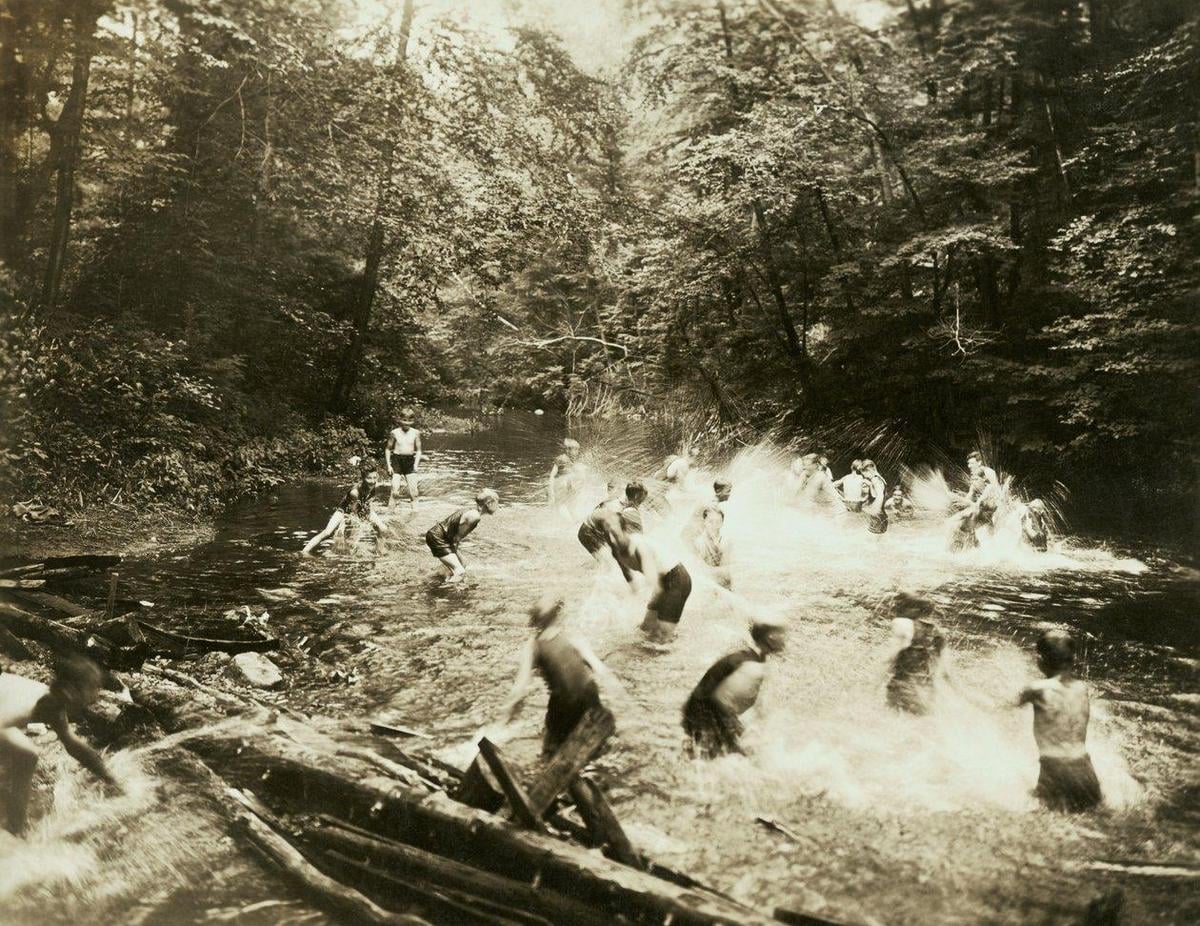
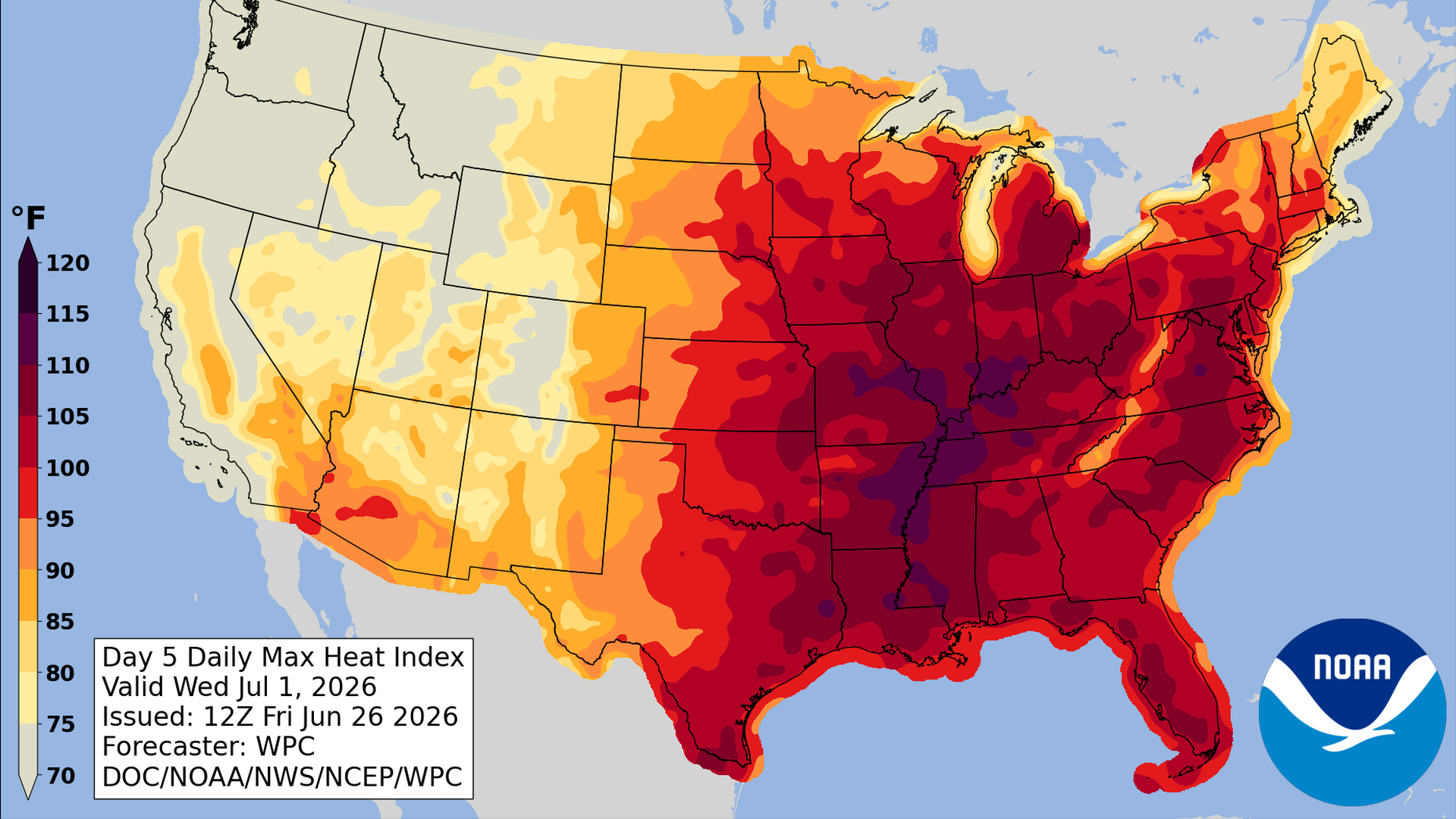
CHARLESTON, W.Va. — As another round of dangerous summer heat settles across much of the eastern United States, many West Virginians will find relief in the Mountain State’s mountains, forests, and cool streams. Yet history shows that the state has endured some of the nation’s most remarkable heat waves, including two days when temperatures soared to an astonishing 112 degrees.

While often promoted as a refuge from sweltering summer days, the state has endured prolonged periods of extreme temperatures for well over a century. From the deadly eastern heat wave of 1901 to the Dust Bowl summers of the 1930s and more recent bouts of oppressive weather, residents have adapted to conditions that have challenged farms, strained water supplies, and threatened public health.
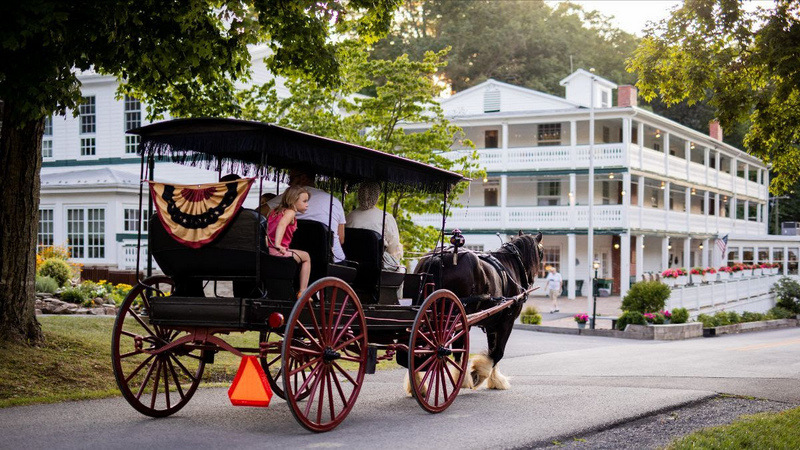
Before air conditioning became commonplace, people escaped scorching temperatures by sleeping on screened porches, seeking relief at mountain resorts, cooling off in swimming holes, and adjusting their daily lives to the weather’s rhythm. Many of those same places of relief remain among West Virginia’s most popular summer destinations today.
Early heat waves set the stage
Long before the Dust Bowl, West Virginia endured one of the nation’s earliest and most devastating periods of extreme heat. The eastern U.S. heat wave of 1901 stretched across the Ohio Valley and into the Mountain State in June and July, bringing weeks of oppressive heat with little relief.
Although detailed temperature records from West Virginia were limited at the time, climate historians regard July 1901 as the hottest July on record in the state. Across the eastern United States, cities from Philadelphia to New York endured prolonged periods above 90 degrees, contributing to thousands of heat-related deaths and widespread drought.

The state’s most famous heat records, however, came during the Dust Bowl era in the 1930s. According to the weather service, West Virginia’s all-time high temperature of 112 degrees has been recorded only twice—at Moorefield on Aug. 4, 1930, and at Martinsburg on July 10, 1936.
The Martinsburg record occurred during the 1936 heat wave, one of the most intense in U.S. history. Record-breaking temperatures were reported across at least 13 states, and many of those remain in place nearly 90 years later. While detailed daily observations are scarce for much of West Virginia, the Martinsburg reading confirms that the state shared in one of the nation’s most extraordinary weather disasters.
The broader Dust Bowl drought of the mid-1930s brought repeated bouts of extreme heat to much of the Midwest and eastern United States, including West Virginia. Crop failures, water shortages, and widespread hardship accompanied temperatures that, across the country, contributed to an estimated 6,000 to 10,000 deaths, making the period one of the deadliest weather disasters in American history.
Life before air conditioning
For most of West Virginia’s history, surviving a summer heat wave meant relying on the landscape rather than modern technology. Long before air conditioning became common after World War II, families adapted their homes and daily routines to stay as cool as possible.
People often slept on screened porches or opened their windows after sunset to catch the cooler mountain air. Springhouses built over cold streams kept milk, butter, and other perishables fresh, while thick stone foundations and cellar kitchens helped maintain lower indoor temperatures. During the hottest afternoons, many families simply slowed their pace, saving outdoor work for early morning or evening.
Swimming holes, rivers, and mineral springs also became welcome escapes. Families gathered along creek banks, visited public parks, or traveled to mountain resorts where higher elevations offered natural relief from the heat.
“West Virginians learned generations ago that the mountains themselves were one of the state’s greatest natural air conditioners,” said David Sibray, publisher of WVExplorer.com and a West Virginia historian. “People sought higher elevations, shaded forests, cool streams, and mineral springs because those places could make an unbearable summer day surprisingly comfortable. Many of those same destinations remain some of the best places to escape the heat today.”
Although today’s homes, businesses, and vehicles offer comforts previous generations never imagined, many of the state’s most popular summer destinations continue to provide the same natural relief that drew visitors more than a century ago.
Why were the records set in Moorefield and Martinsburg?
It is no coincidence that West Virginia’s highest temperatures were recorded in Moorefield and Martinsburg rather than in the state’s higher mountain counties.

Both communities lie in lower-elevation valleys east of the Allegheny Mountains, where summer temperatures routinely exceed those across the forested ridges and plateaus that dominate much of the state. Moorefield sits in the valley of the South Branch of the Potomac, while Martinsburg occupies the lower Shenandoah Valley in the Eastern Panhandle—two of West Virginia’s warmest regions in summer.
By contrast, communities at higher elevations, including those along the Allegheny Front, often remain 10 to 20 degrees cooler on the hottest days because of their elevation, extensive forests, and frequent mountain breezes.
Despite numerous heat waves over the past nine decades, neither Moorefield’s nor Martinsburg’s 112-degree reading has ever been surpassed. The records have stood for nearly a century, underscoring how extraordinary the summers of the 1930s were.
Modern heat waves bring new challenges
Although West Virginia’s all-time temperature records date to the Dust Bowl era, recent summers show that extreme heat remains a growing threat across the Mountain State.
The June 2025 heat wave was widely regarded by meteorologists as the most significant to affect the region in decades. Charleston reached 97 degrees, breaking a daily record that had stood since 1929, while heat index values climbed above 100 degrees for several consecutive days in parts of the Ohio Valley and western West Virginia.
High humidity, fueled by abundant atmospheric moisture, made conditions feel even more oppressive and increased the risk of heat-related illness. The National Weather Service recommends staying hydrated, limiting strenuous outdoor activity during the hottest part of the day, and checking on vulnerable neighbors whenever dangerous heat is forecast.
The current heat wave follows a similar pattern, bringing prolonged periods of dangerous heat and prompting advisories across much of the eastern United States. While West Virginia’s mountains continue to provide cooler refuges than in many neighboring states, lower-elevation communities, such as those along the Ohio River and in the Eastern Panhandle, remain especially vulnerable during extended periods of extreme heat.
Scientists say these events are unfolding against a backdrop of a warming climate. According to the World Meteorological Organization, 2024 was the hottest year on record globally, and recent years have seen increasingly frequent and intense heat waves across much of North America. Although West Virginia’s historic 112-degree record has not been challenged, warmer nights, higher humidity, and longer stretches of dangerous heat are increasing the health risks associated with summer weather.
A warming climate, but historic records still stand
Records show that West Virginia has warmed by about 1 degree since the early 20th century, returning to average temperatures similar to those experienced during the warm decades of the 1930s and early 1950s. According to the W.Va. State Climate Summary, the state’s climate has warmed modestly over the past century, even though its all-time temperature records still date back to the ’30s.
Scientists say one of the more significant changes has occurred after sunset. While the number of days exceeding 95 degrees has remained relatively modest compared with some other parts of the country, overnight temperatures have risen. Warm nights, when temperatures remain above 70 degrees, have become more common in recent years, reducing the opportunity for people, buildings, and the landscape to cool after a hot day.
Looking ahead, climate projections suggest West Virginia is likely to experience more frequent and longer-lasting periods of extreme heat during this century. Depending on future greenhouse gas emissions, average summer temperatures could rise by several degrees by 2100, increasing the likelihood of prolonged heat waves, warmer nights, and greater risks to public health, agriculture, and infrastructure.
For now, however, West Virginia’s nearly century-old temperature records remain a reminder that some of the state’s most extraordinary heat occurred long before modern climate observations and widespread air conditioning.
How heat waves have changed West Virginia
Extreme heat has always carried consequences in West Virginia, but the nature of those risks has evolved over time.
In the early 1900s, prolonged high temperatures devastated crops, dried up streams, reduced livestock production, and contributed to heat-related illness across much of the eastern United States. Although detailed records of heat-related deaths in West Virginia are limited, the 1901 heat wave alone was linked to more than 9,500 deaths nationwide, making it one of the deadliest weather disasters in American history.
Today, modern conveniences have reduced some of those dangers, but they have introduced new challenges. Air conditioning has saved countless lives during periods of extreme heat, yet it also increases demand on electrical grids during the hottest days of summer. At the same time, high humidity and warmer overnight temperatures make it harder for the human body to recover from daytime heat, increasing the risk of heat exhaustion and heat stroke, particularly among older adults, young children, outdoor workers, and those without reliable access to cooling.
The Centers for Disease Control and Prevention advises older adults, infants, outdoor workers, and people with chronic medical conditions to take extra precautions during prolonged periods of extreme heat. While West Virginia’s mountains and forests continue to moderate summer temperatures in many parts of the state, prolonged heat waves remain a growing public health concern, especially in lower-elevation communities where temperatures routinely climb higher than in the surrounding highlands.
What lies ahead for West Virginia
Climate scientists expect West Virginia to experience warmer summers and more frequent periods of extreme heat in the coming decades. While the state’s mountains and forests will continue to moderate temperatures in many areas, lower-elevation communities are likely to face longer, more frequent heat waves than today.
One of the clearest changes already underway is the rise in warm overnight temperatures. When nights remain hot, homes, buildings, and even the landscape have less opportunity to cool, increasing the health risks associated with prolonged heat and placing greater demand on air conditioning and electrical systems.
Whether future summers will challenge early records remains uncertain. What is clear is that extreme heat is likely to become a more familiar part of life in West Virginia, making preparedness, public awareness, and access to cooling increasingly important while reinforcing the enduring value of the state’s mountains, forests, rivers, and other naturally cooler landscapes.
West Virginia’s cool climate could become a tourism advantage
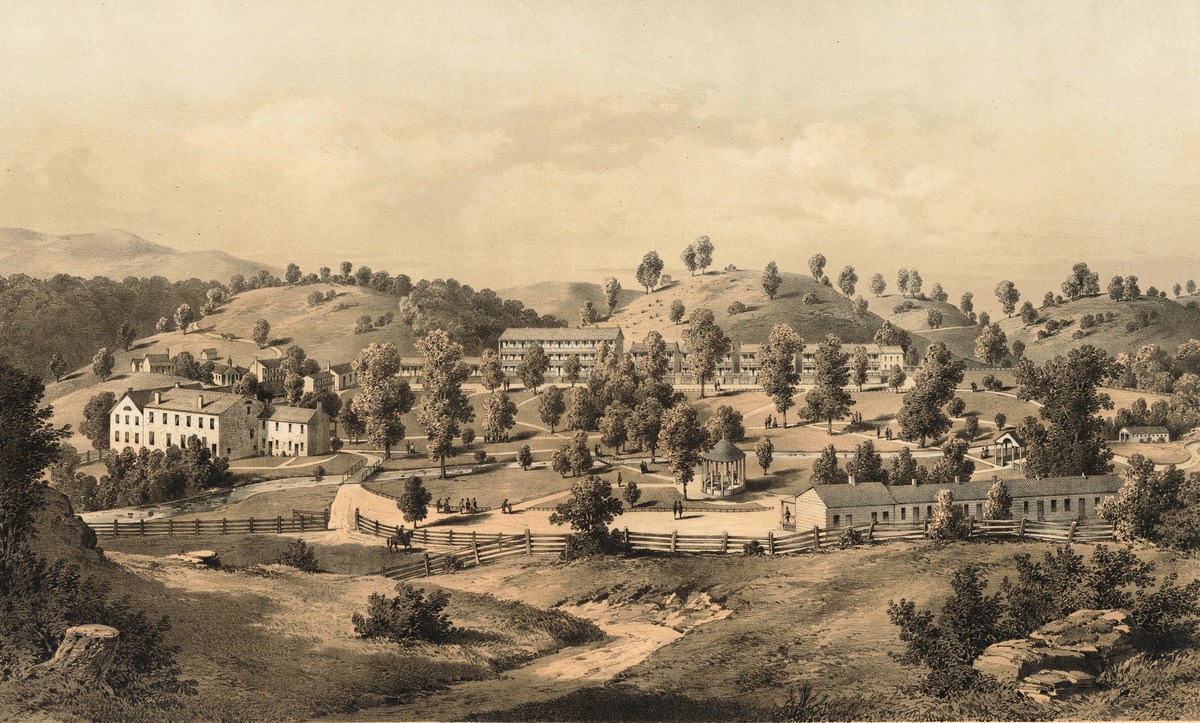
Long before air conditioning transformed American life, as has been said, travelers came to West Virginia to escape the summer heat. Resort communities such as Capon Springs, Berkeley Springs, White Sulphur Springs built their reputations on cool air, mineral springs, and forested landscapes that offered relief from the sweltering cities of the Mid-Atlantic and Deep South. Wealthy families often spent weeks or even months in the mountains, where evenings were cool enough for open windows and sleeping porches.
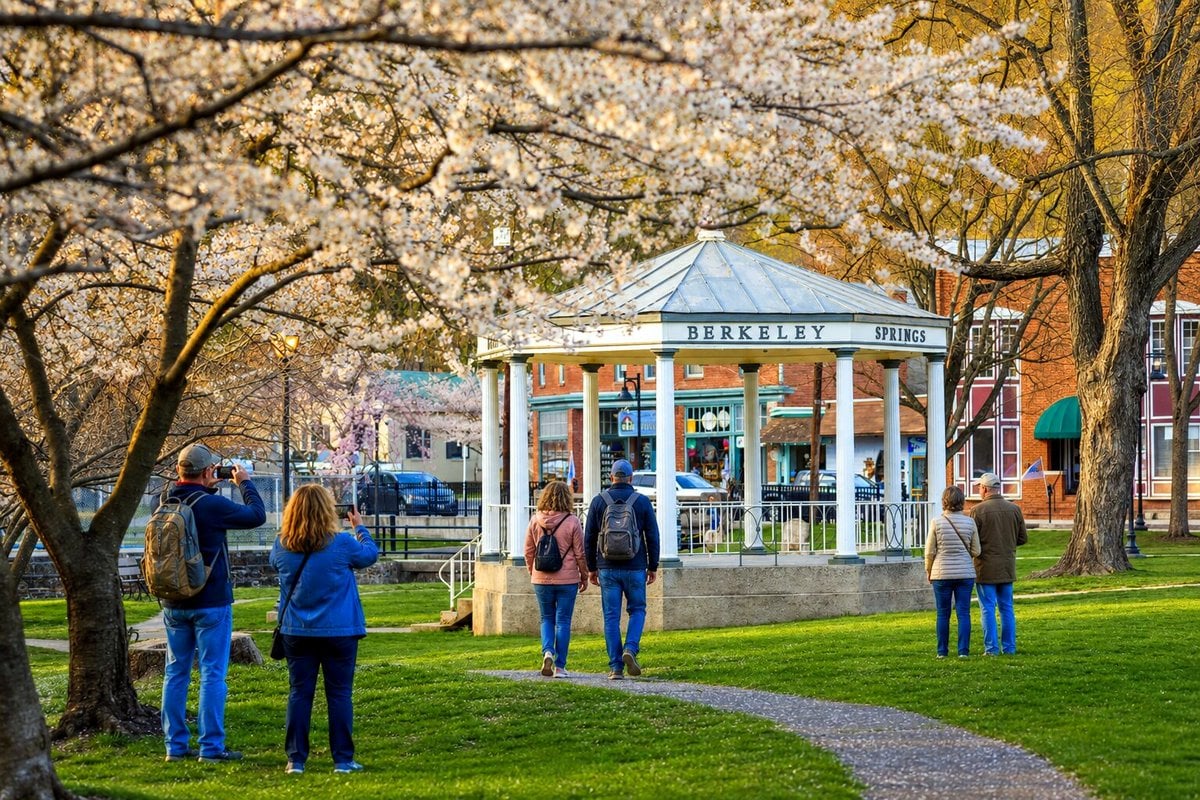
Today, many of those same destinations continue to attract visitors seeking cooler mountain temperatures, scenic forests, and outdoor recreation during the hottest weeks of summer. As periods of extreme heat become more common across much of the eastern United States, those same natural advantages may once again become one of West Virginia’s greatest tourism assets.
“West Virginia has something many states can’t offer during the hottest weeks of summer,” Sibray said. “Our highest mountains, deep forests, cold rivers, and historic resort communities have been attracting people looking for relief for more than two centuries. As summers become warmer, that story may become even more relevant to travelers.”
Communities can build on that legacy by protecting the forests, rivers, and mountain landscapes that naturally moderate temperatures while expanding parks, tree-lined downtowns, trails, and riverfront recreation. Investments in shaded public spaces, healthy tree canopies, and walkable communities not only improve residents’ quality of life but also strengthen West Virginia’s appeal as a summer destination.
The U.S. Environmental Protection Agency says increasing tree canopy and reducing heat-absorbing pavement are among the most effective ways communities can lower summer temperatures.
Rather than competing with beach vacations or large cities, West Virginia has an opportunity to market itself as one of the East’s natural refuges from summer heat—a place where visitors can hike through cool mountain forests, paddle spring-fed rivers, relax beside waterfalls, or spend evenings on a porch overlooking the Allegheny Highlands.
It is the same advantage that first made the Mountain State famous as a summer retreat more than a century ago, and one that could become increasingly valuable in the decades ahead.
Climate change? Your own article states it has been much hotter multiple times spanning over a hundred years ago……..