
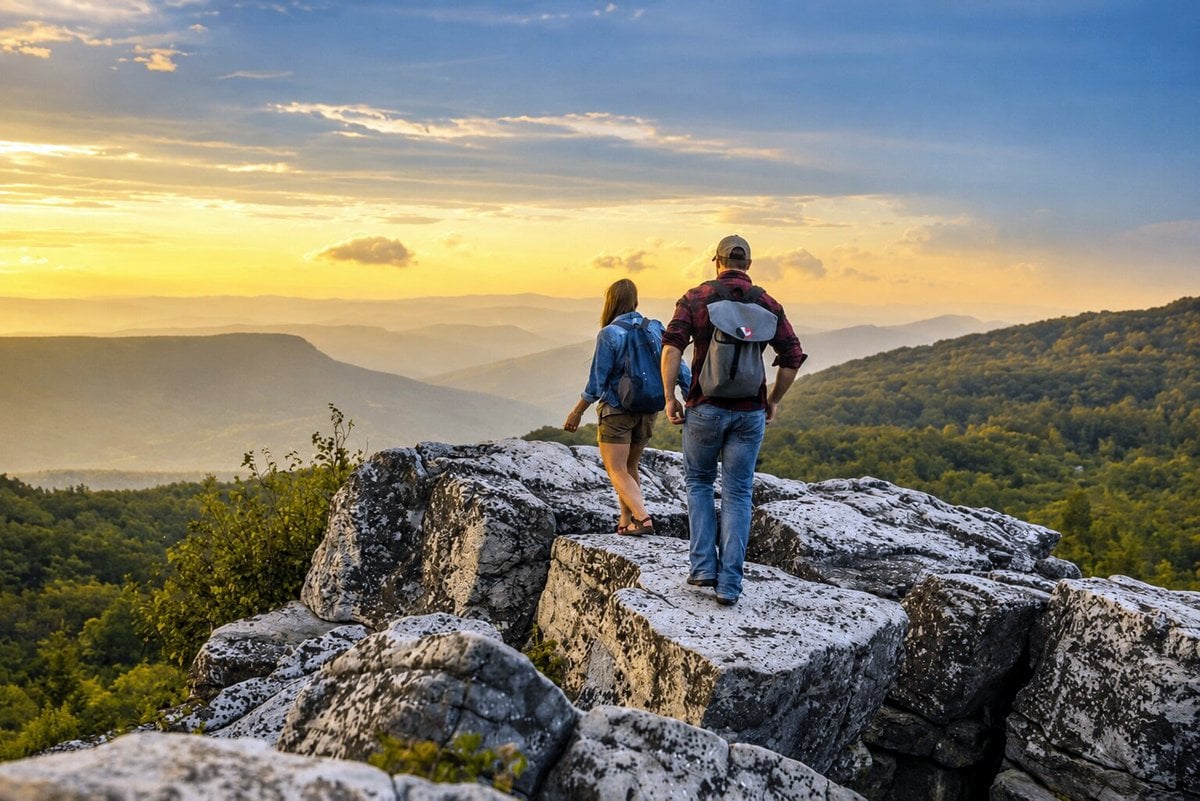
BECKLEY, W.Va. — As much of the eastern United States prepares for another sweltering Fourth of July weekend, West Virginia may offer one of the region’s best ways to escape the heat.
For millions of Americans planning a Fourth of July road trip, the Mountain State offers an opportunity to trade city heat for higher elevations, cool rivers, and forested mountain landscapes.
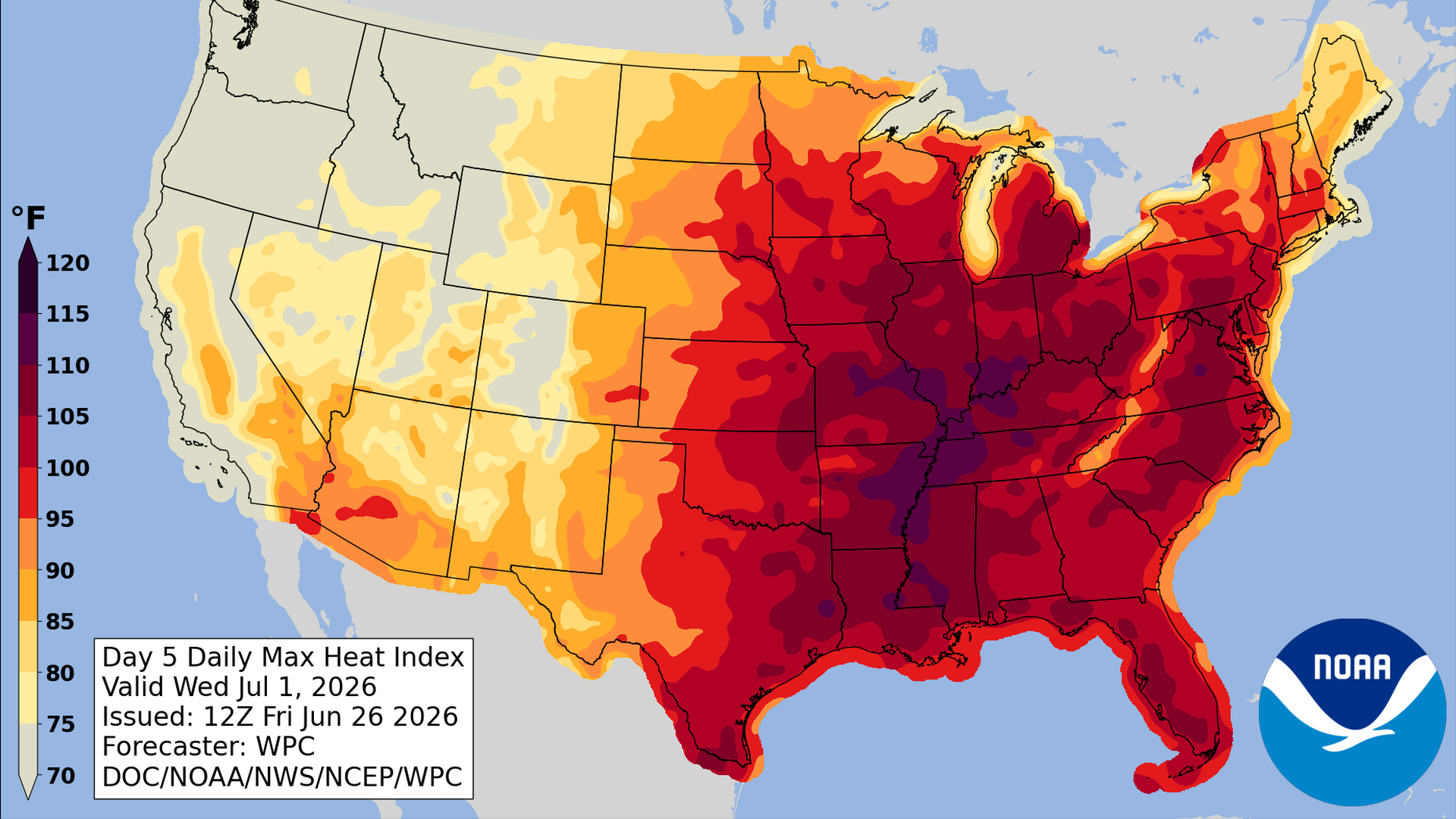
While temperatures are expected to climb into the 90s across many cities from Washington to Pittsburgh, Columbus, and Cincinnati, higher elevations across the Mountain State often remain noticeably cooler. Combined with shaded forests, cold mountain streams, and refreshing evening temperatures, the state’s high country has long served as a summer refuge for travelers seeking relief.
“One of West Virginia’s greatest summer attractions isn’t something visitors can see on a map—it’s the difference they feel when they step out of the car,” said David Sibray, publisher of WVExplorer.com. “Drive a couple of hours from the lowlands into the mountains, and the air often feels entirely different.”
The cooling effect comes largely from elevation. Air temperatures generally decrease by about 3.5 degrees Fahrenheit for every 1,000 feet of elevation gained. Communities perched above 3,000 feet can therefore be 10 to 15 degrees cooler than nearby valleys during the hottest part of the day, while clear mountain nights often become comfortably cool.
High country offers natural air conditioning
Some of West Virginia’s coolest summer destinations lie in the Allegheny Mountains, the eastern state’s highlands, which rise to more than 4,00 feet above sea level.
At more than 4,800 feet, Spruce Knob, the state’s highest peak, often experiences temperatures that feel like early autumn even in midsummer.
Nearby, Dolly Sods Wilderness offers windswept plateaus, open heath barrens, and surprisingly cool hiking conditions compared with the surrounding lowlands.

Communities such as Davis, Thomas, and Snowshoe Mountain have become popular summer destinations not only for outdoor recreation but also because visitors can often sleep with the windows open after sunset.
Rivers provide another way to cool off
For many visitors, relief comes on the water.
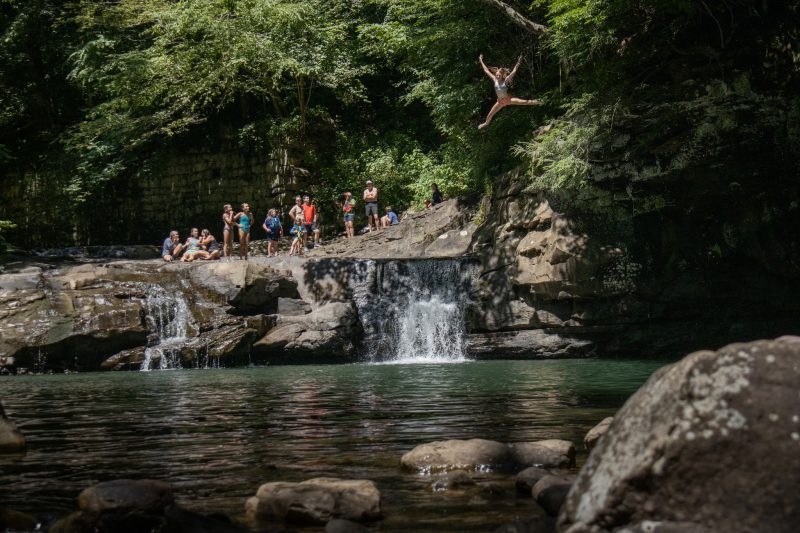
Commercial whitewater outfitters on the New River and Gauley River operate throughout the holiday weekend, while countless mountain streams remain remarkably cold, thanks to shaded forests and spring-fed headwaters.
Families seeking a slower pace can also find swimming holes and lakes statewide, where cool mountain water offers welcome relief from the afternoon heat.
Read more: Best swimming holes in West Virginia
Forests help keep temperatures down
Nearly four-fifths of West Virginia is forested, making it one of the nation’s most heavily forested states. According to the U.S. Forest Service, trees cool the air through shade and transpiration, reducing the impact of summer heat.
Those forests do more than provide scenery. Dense tree canopies block direct sunlight, while moisture released by leaves helps moderate temperatures through evaporation, creating noticeably cooler conditions along many hiking trails. Combined with elevation, West Virginia’s forest cover can make outdoor recreation more comfortable than in neighboring metropolitan areas.
Ten places to escape the heat
Consider heading to:
- Spruce Knob
- Blackwater Falls State Park
- Canaan Valley Resort State Park
- Dolly Sods Wilderness
- Snowshoe Mountain
- Cranberry Glades Botanical Area
- Seneca Rocks
- Watoga State Park
- Cass Scenic Railroad State Park
- Holly River State Park
Plan ahead before heading into the mountains
Holiday weekends are among the busiest times of year at many of West Virginia’s parks and mountain communities. Travelers should expect heavier traffic near popular destinations, carry plenty of drinking water for outdoor activities, and check local forecasts before heading into higher elevations, where afternoon thunderstorms can develop quickly during summer.
For travelers looking to trade asphalt and air conditioning for mountain breezes, shaded forests, and cool rivers, West Virginia may offer one of the East’s most refreshing Independence Day getaways.
Fourth of July weekend is one of West Virginia’s busiest travel periods
The Fourth of July holiday is traditionally one of the busiest weekends of the summer in West Virginia. State parks, mountain resorts, lakes, campgrounds, and popular destinations such as New River Gorge National Park and Preserve and Monongahela National Forest attract thousands of visitors seeking to combine outdoor recreation with Independence Day celebrations.
For travelers planning a Fourth of July getaway, arriving early in the day can help avoid heavier holiday traffic and secure parking at popular trailheads, waterfalls, and swimming areas. Visitors should also remember that mountain weather can change quickly, with afternoon thunderstorms developing even on hot days.
Many communities across the state will celebrate the Fourth of July with fireworks, live music, parades, and festivals, giving visitors the chance to pair cooler mountain temperatures with holiday traditions. Whether spending the day rafting, hiking, paddling, or relaxing beside a mountain stream, West Virginia offers one of the East’s most refreshing ways to celebrate Independence Day.
Cooler evenings make holiday celebrations more enjoyable
The same mountain elevations that help moderate daytime temperatures can make evenings especially comfortable during the Fourth of July holiday. As the sun sets, many higher-elevation communities cool quickly, allowing visitors to enjoy outdoor concerts, small-town festivals, campground gatherings, and fireworks displays without the lingering heat often found in nearby cities and lowlands.

Across West Virginia, Independence Day celebrations range from lakeside fireworks and courthouse-square festivals to mountain resort events and community parades. Many travelers pair a day of hiking, fishing, whitewater rafting, or exploring state parks with evening festivities, making the holiday weekend one of the busiest times of the summer tourism season.
For visitors from Washington, Pittsburgh, Columbus, Charlotte, and other metropolitan areas, West Virginia offers a combination that’s becoming increasingly appealing during summer heat waves: cooler mountain air, scenic outdoor recreation, and classic Fourth of July traditions—all within a day’s drive of millions of people.
For anyone still deciding where to spend the Fourth of July weekend, West Virginia’s mountains may offer the perfect combination of cooler weather, outdoor adventure, and small-town Independence Day celebrations.