
CHARLESTON, W.Va. — West Virginians searching for Bigfoot may have better luck than almost anyone else in America, according to a new national ranking that places the Mountain State second for potential Sasquatch encounters.

Only Washington ranked higher in the study, which considered historical Bigfoot reports, forest coverage, and climate conditions. West Virginia finished ahead of Oregon, despite the Pacific Northwest’s longstanding association with the legendary creature.

The study, published by Canada Sports Betting in observance of National Sasquatch Awareness Day, assigned West Virginia hypothetical spotting odds of 3.79 percent, more than twice the national state average of 1.65 percent.
Washington led the rankings at 4.61 percent, followed by Oregon in third place at 3.38 percent. North Dakota finished last, with hypothetical odds of 0.41 percent, according to a release from the Canadian website.
The figures are not actual probabilities of encountering Bigfoot. Researchers developed the rankings using historical sighting reports compiled by the Bigfoot Field Researchers Organization, along with forest coverage and climate data.
Why West Virginia ranks so highly
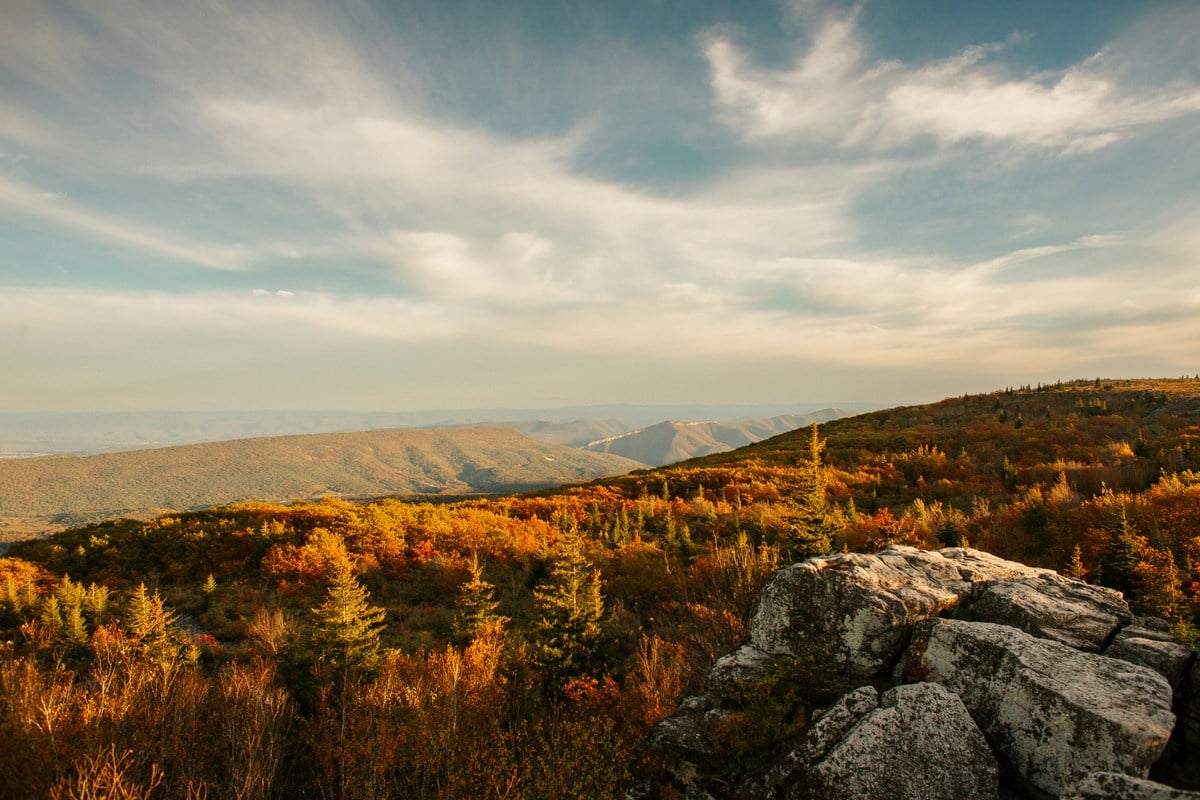
West Virginia’s extensive woodlands helped elevate its ranking. Approximately 78 percent of the state is forested, covering roughly 12 million acres, according to the W.Va. Division of Forestry. That makes West Virginia the nation’s third-most heavily forested state.

Much of that woodland has returned during the past century after years of unregulated harvesting. Forests covered approximately 64 percent of West Virginia in 1945, following decades of timber harvesting and land clearing. By the late 1980s, forest coverage had recovered to approximately 78 percent.
The state’s mountainous terrain and extensive forests provide remote habitats for wildlife, although no scientific evidence shows that Bigfoot inhabits them.
West Virginia also recorded 6.12 historical Bigfoot reports per 100,000 residents in the study, another factor contributing to its high ranking.
Where are Bigfoot sightings most frequently reported?
Some of the study’s most surprising findings concern West Virginia communities associated with reported sightings:
Unexpectedly, Weirton, in the state’s Northern Panhandle near Pittsburgh, led the West Virginia locations identified in the study, with 12.45 historical reports per 100,000 residents.
Huntington followed with 6.83 reports per 100,000 residents, while Beckley recorded 6.37, and Wheeling 5.22.
Except for Beckley, most of the highest-ranking communities are far from the vast forests of southern and eastern West Virginia, notably the Monongahela National Forest in the Allegheny Mountains.
The figures reflect historical population Bigfoot reports, not verified sightings or evidence that the creature exists, the Canadian report says.
Bigfoot and West Virginia folklore
Stories of mysterious creatures have long been part of West Virginia folklore, especially in the state’s mountainous, heavily wooded regions.

Bigfoot, also known as Sasquatch, is generally described in reported encounters as a large, hairy, humanlike creature that walks upright. Similar stories have circulated across North America for generations.
The Bigfoot Field Researchers Organization maintains a database of reported encounters, including accounts from West Virginia. Those reports provide much of the historical information used in the new rankings.
Although no scientifically verified evidence has established Bigfoot’s existence, the stories continue to attract interest among outdoor enthusiasts, folklore researchers, and visitors curious about unexplained phenomena.
Read also: